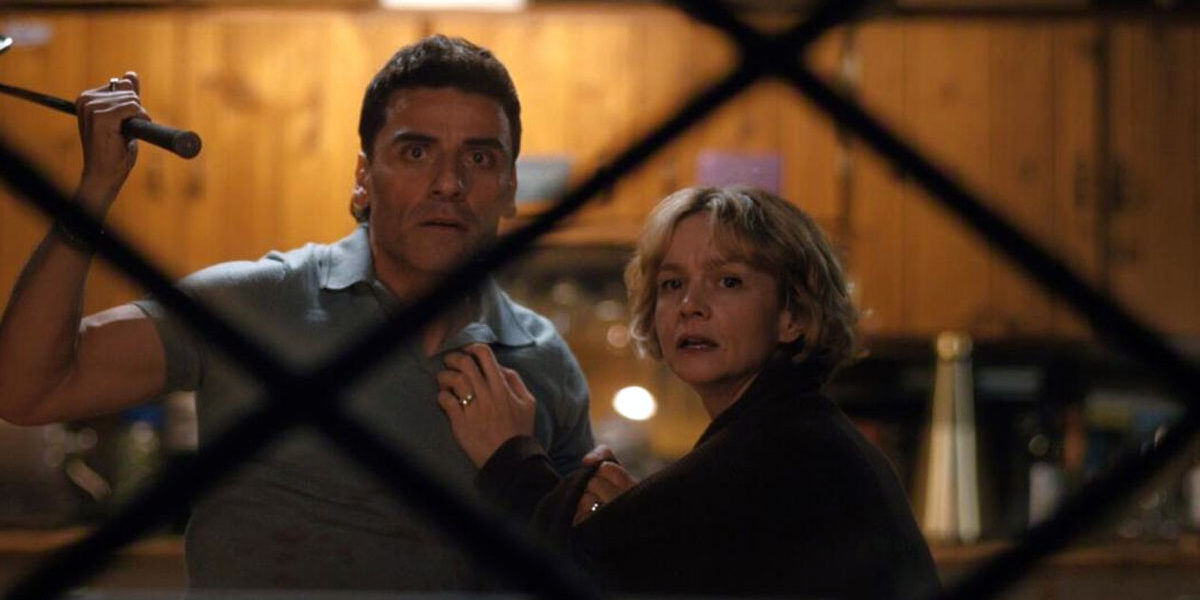
Let’s be brutally honest for a second. When Netflix and A24 announced that BEEF was returning for a second season—but as an anthology series with an entirely new cast and setting—I was more than a little skeptical. How do you catch lightning in a bottle twice? The visceral, screaming, middle-finger-out-the-window magic of Steven Yeun and Ali Wong’s road rage epic felt like a one-off miracle. It was a perfectly contained story of two broken people finding a twisted sense of salvation in their mutual destruction. Moving on from Danny and Amy felt like leaving a party just as the DJ finally played your favorite song.
But here we are. It’s April 2026, all eight episodes of BEEF Season 2 have dropped, and having just binged my way through the entire glorious, anxiety-inducing mess, I have an admission to make: Creator Lee Sung Jin hasn’t just caught lightning in a bottle again. He’s built a damn power plant.
Trading the gritty, sun-baked concrete of Los Angeles for the hyper-manicured, suffocatingly green lawns of an elite country club, Season 2 swaps out loud, working-class frustration for quiet, venomous corporate survival. It’s a completely different flavor of beef, but it tastes just as bloody.
The Anatomy of the New Feud
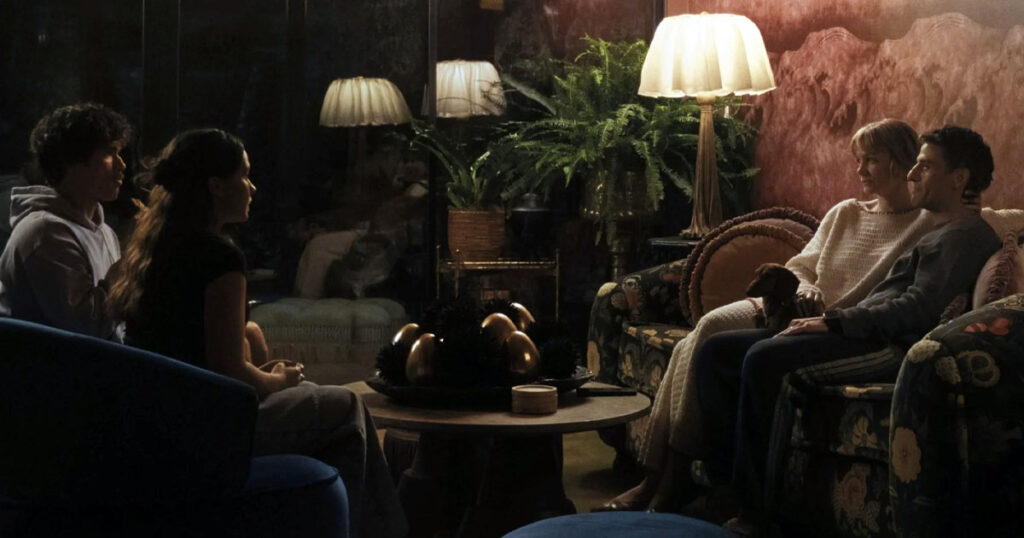
If Season 1 was a sudden, violent car crash, Season 2 is a slow, agonizing game of psychological chess played on a board where the pieces are actively trying to kill each other.
At the center of this new ecosystem are two vastly different couples. Representing the disillusioned Millennials are Josh (Oscar Isaac) and Lindsay (Carey Mulligan). Josh is the general manager of the country club, a man drowning in the desperate maintenance of a perfect facade. Lindsay is his wife, an interior designer trying to decorate her way out of an existential crisis. On the surface, they are high-functioning, wealthy, and successful. Underneath, they are actively rotting.
On the other side of the generational divide, we have our Gen Z instigators: Austin (Charles Melton) and Ashley (Cailee Spaeny). They are newly engaged, lower-level staff at the club, trying to scrape together a life while suffocating under the weight of an economy that feels rigged against them.
The inciting incident isn’t a near-miss in a parking lot this time. Instead, Austin and Ashley accidentally witness—and film—a deeply disturbing, violent fight between Josh and Lindsay. What starts as a panicked moment of “what do we do with this video?” quickly devolves into a blackmail scheme. But because this is BEEF, the blackmail doesn’t go as planned. It triggers a catastrophic chain reaction of favors, coercion, and moral compromises that drags everyone down into the mud.
The Lazy ‘White Lotus’ Comparisons

Let’s address the elephant in the room. Since the review embargo lifted, I’ve seen half a dozen critics write this season off as a “White Lotus rip-off.” I get the impulse. We have a luxury resort setting, wealthy people behaving badly, and lower-class workers caught in the crossfire.
But to call BEEF Season 2 a White Lotus clone is to fundamentally misunderstand both shows.
The White Lotus is a safari. We, the audience, sit safely in our jeeps and watch wealthy tourists make a mess of exotic locations before flying home, leaving the locals to clean up the wreckage. It’s brilliant, but it’s fundamentally a show about the insulation of wealth.
BEEF Season 2 is not a safari; it’s a cage match. There is no insulation here. Josh and Lindsay aren’t vacationing billionaires; they are the upper-middle-class management desperately trying to appease the actual billionaires—namely, the terrifyingly calm club owners played by Korean legends Youn Yuh-jung and Song Kang-ho. Everyone in this show, from the Gen Z staff to the Millennial managers, is trapped in a meat grinder of capitalism. They are all just trying to avoid being the next cut of beef.
The tension doesn’t come from entitlement; it comes from terror. The terror of losing your status, the terror of never achieving it, and the terror of realizing the person sleeping next to you might be a monster.
Masterclasses in Micro-Expressions

The casting for this season is, frankly, absurd in its sheer talent. We already knew Oscar Isaac and Carey Mulligan could act the hell out of any script, having proven their chemistry years ago in Drive. But the dynamic they bring here is entirely different. Isaac plays Josh with a terrifyingly tight jaw; he’s a man who looks like he might physically vibrate apart if someone asks him how his day is going. Mulligan matches his energy with a brittle, icy perfection. Her performance as Lindsay is a masterclass in passive aggression; she can strip a person’s dignity away with a single, perfectly enunciated compliment.
But the absolute revelation here is the younger duo. After his devastating, critically acclaimed turn in May December, Charles Melton proves he is no one-hit-wonder. As Austin, he captures that specific, heartbreaking Gen Z blend of complete nihilism and desperate yearning. He knows the system is broken, but he still wants a piece of the pie. Cailee Spaeny (who has been on an unbelievable run lately) grounds the narrative as Ashley. Her performative moral superiority slowly peeling away to reveal raw, unadulterated ambition is one of the most fascinating character arcs of the year.
And when Isaac and Melton share the screen? It’s suffocating. They don’t have as many scenes together as I would have liked, but when they do, the generational resentment practically radiates off the screen. It’s the tension between a man who sacrificed his soul for a seat at the table, and a boy who wants to flip the table over entirely.
The Evolution of Anger
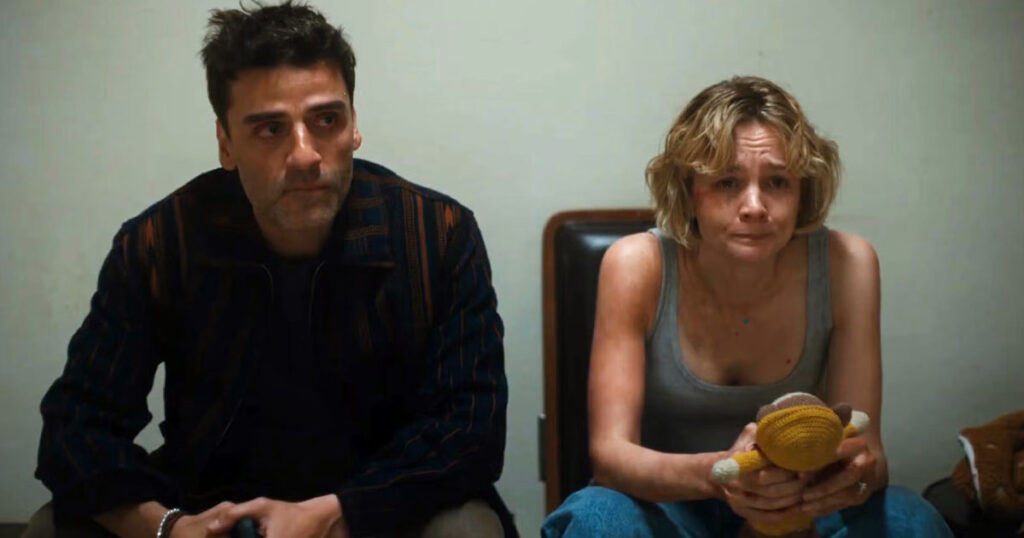
What makes Lee Sung Jin’s writing so incredible is his understanding of how anger mutates. In Season 1, the anger was outward. It was loud, chaotic, and physical. Danny and Amy destroyed each other’s property, hijacked lives, and screamed into the void.
In Season 2, the anger is inward. It’s a poisoned martini. The violence in this country club is rarely loud, but it is infinitely more insidious. It’s the violence of weaponized HR policies, of socially acceptable exclusion, of smiling at someone while you actively ruin their credit score. The show explores how small, seemingly rational decisions—made in the name of self-preservation—can snowball into monstrous acts.
“We’re not bad people, they are.” This line is muttered halfway through the season, and it perfectly encapsulates the thematic core of the show. Every single character justifies their horrific behavior by pointing at someone who is ostensibly worse. It’s a brilliant commentary on how modern society allows us to compartmentalize our own cruelty.
The Verdict
Does BEEF Season 2 hit the exact same emotional highs as Season 1? No. But it shouldn’t have to. Judging it against the specific flavor of the first season is a disservice to what it actually achieves.
This season is darker, meaner, and arguably more cynical. It demands a bit more patience in the first two episodes as it sets up the intricate web of relationships and power dynamics within the club. But once the trap is set and the first domino falls, it accelerates into a breathtaking, stomach-churning thriller that will make you rethink your own moral boundaries.
By the time you reach the final, chaotic hours—where the secrets are out, the facades have crumbled, and the metaphorical (and perhaps literal) blood is on the pristine golf greens—you realize that BEEF isn’t just a show about angry people. It’s a profound, darkly hilarious examination of the lengths we will go to in order to feel like we are in control of our own lives.
Grab a drink, cancel your weekend plans, and press play. Just don’t blame me if you never want to look at a country club the same way again.