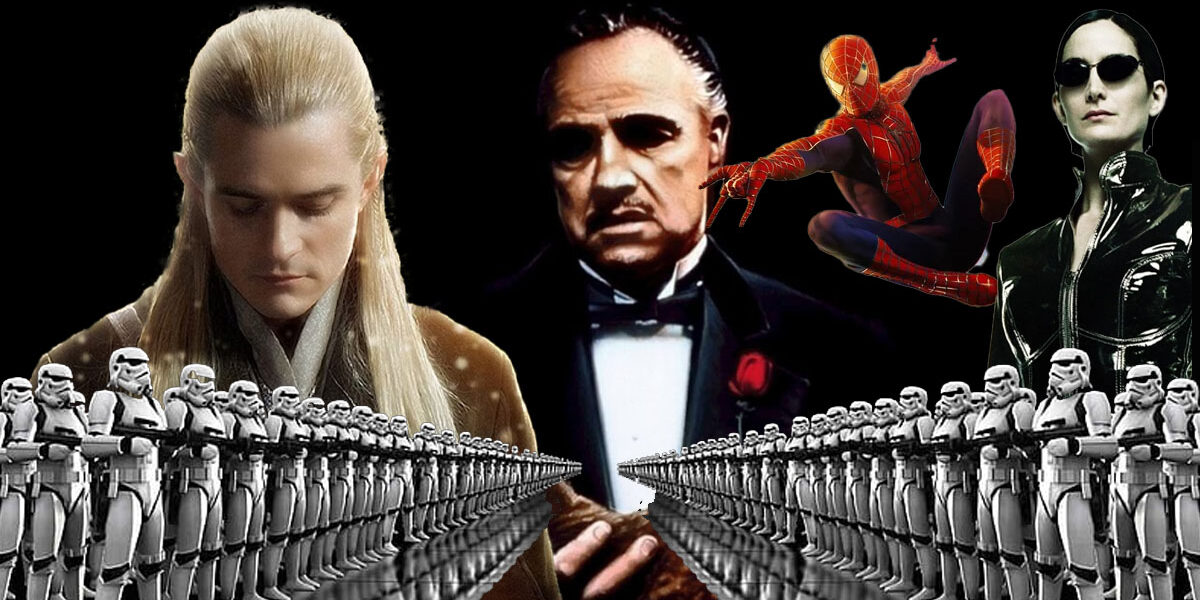
Amidst a massive, ever-expanding cinematic universe filled with hundreds of thousands of films, only a rare few are truly etched into history as undisputed legends. It is not just about achieving overnight box office success; it is about sustaining a meticulously crafted journey, perfectly woven across three entire chapters. This is the absolute magic of the “movie trilogy.”
The trilogy format represents the perfect narrative arc: a compelling introduction, a dark and challenging middle chapter, and a grand, deeply satisfying conclusion. It gives us the time to grow alongside beloved characters, to dive deep into entirely new universes, and to experience stories that stay in our hearts forever. Today, we are taking a definitive look back to unlock the ultimate cinematic masterpieces. We are ranking the top 20 greatest and most influential movie trilogies of all time. Get the popcorn ready, and let’s kick things off with number 20!
20. The Hangover Trilogy (2009–2013)
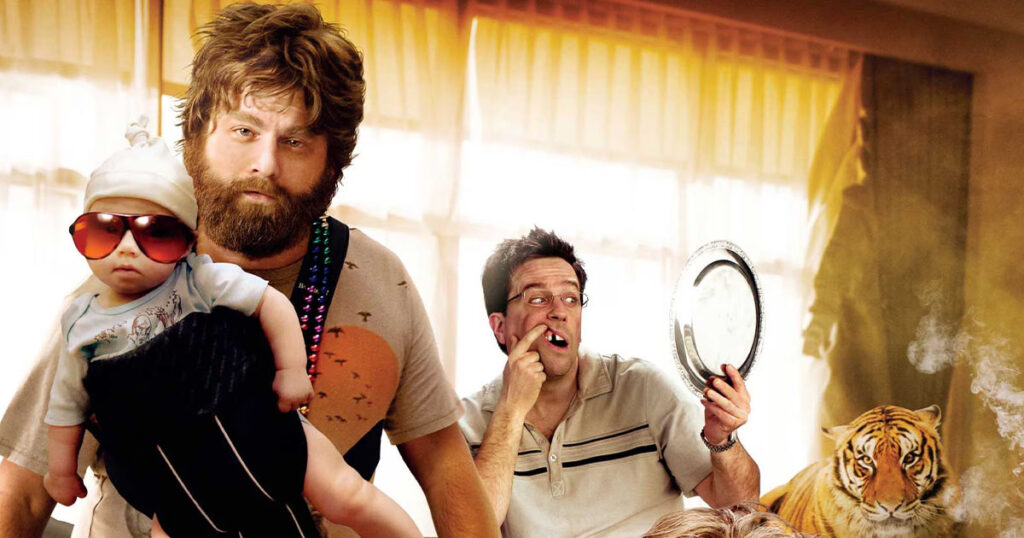
Who would have thought that a single, wild bachelor party could become the starting point of world-class, multi-continental chaos? Directed by Todd Phillips, The Hangover trilogy is the absolute peak of elevating an R-rated comedy into a global pop-culture phenomenon. The premise of the first film was deceptively simple: a night of erased memories in Las Vegas and a missing groom. However, the sequels escalated the stakes to absolute disaster in the chaotic streets of Bangkok, and finally, a reckless closure of the “Wolfpack.”
What makes this trilogy stand out isn’t just the crude, unapologetic humor, but the incredibly seamless chemistry of the main cast—Bradley Cooper, Ed Helms, and Zach Galifianakis. The more they try to fix things, the more they create entirely new, absurd problems that spiral into unimaginable situations. While comedy sequels often fail to capture the magic of the original, the sheer audacity of this trilogy guarantees that if you binge all three, you will laugh until your stomach hurts.
19. The Maze Runner Trilogy (2014–2018)
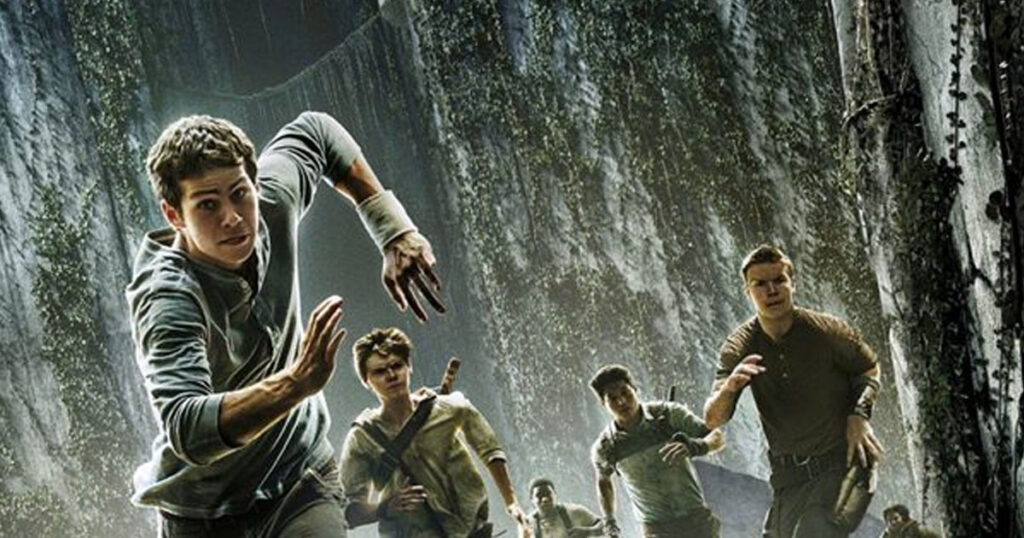
Adapted from James Dashner’s massive hit dystopian novels, The Maze Runner is a heart-pounding survival trilogy that grabs you by the throat from the very first scene. When Thomas wakes up in a vast glade surrounded by a towering, deadly maze with his memory wiped, the mystery immediately hooks the audience. But this trilogy doesn’t just stop at running from biomechanical monsters inside giant walls.
It dramatically expands our horizons into a collapsed outside world plagued by a solar flare apocalypse and the deadly “Flare” virus. We follow the Gladers through the burning Scorch desert and into an intense, explosive confrontation with the secretive WCKD organization. It’s fundamentally about the emotional growth and resilience of a group of teenagers who must carry the fate of humanity on their shoulders. With full-throttle action sequences and heart-wrenching sacrifices, this is a young adult sci-fi trilogy that truly delivers maximum thrills and a satisfying conclusion.
18. Ocean’s Trilogy (2001–2007)
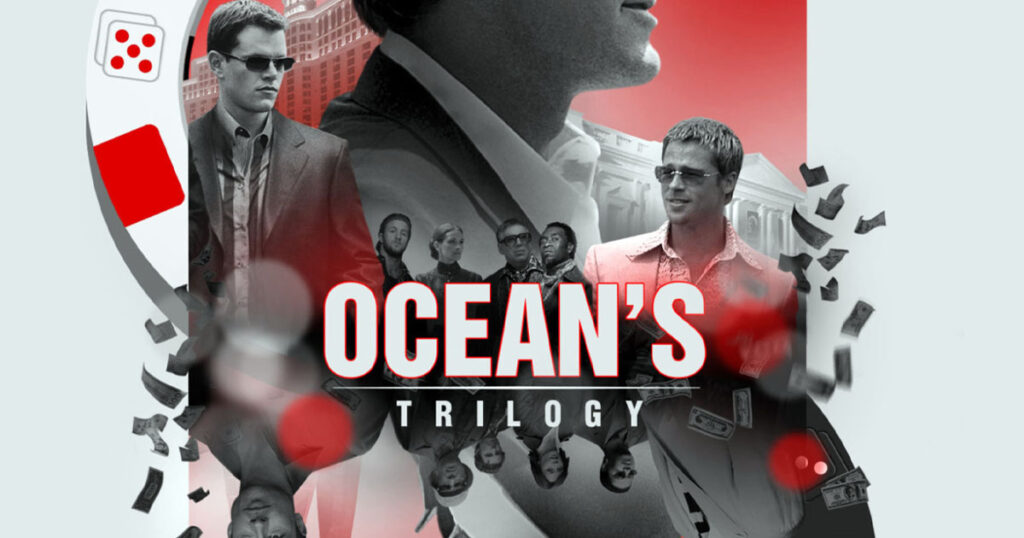
If you are captivated by classic Hollywood charm and love heist movies filled with intelligence, undeniable coolness, and superior style, you have to hand it to Steven Soderbergh’s Ocean’s trilogy. This franchise is the ultimate gathering of top-tier Hollywood magnets—George Clooney, Brad Pitt, Matt Damon, and Julia Roberts—coming together to execute flawless, intricately designed crimes.
From the unprecedented triple-casino heist at the Bellagio, to the European escapades of Ocean’s Twelve, and the highly satisfying, revenge-fueled takedown of Willy Bank in Ocean’s Thirteen, the series remains remarkably consistent. This trilogy doesn’t rely on raining bullets or massive explosions; instead, it uses brains, sharp wit, jazzy soundtracks, and the dazzling charisma of its ensemble cast. It is easily one of the most entertaining, visually sleek, and coolest heist franchises in the entire film industry.
17. The Evil Dead Trilogy (1981–1992)
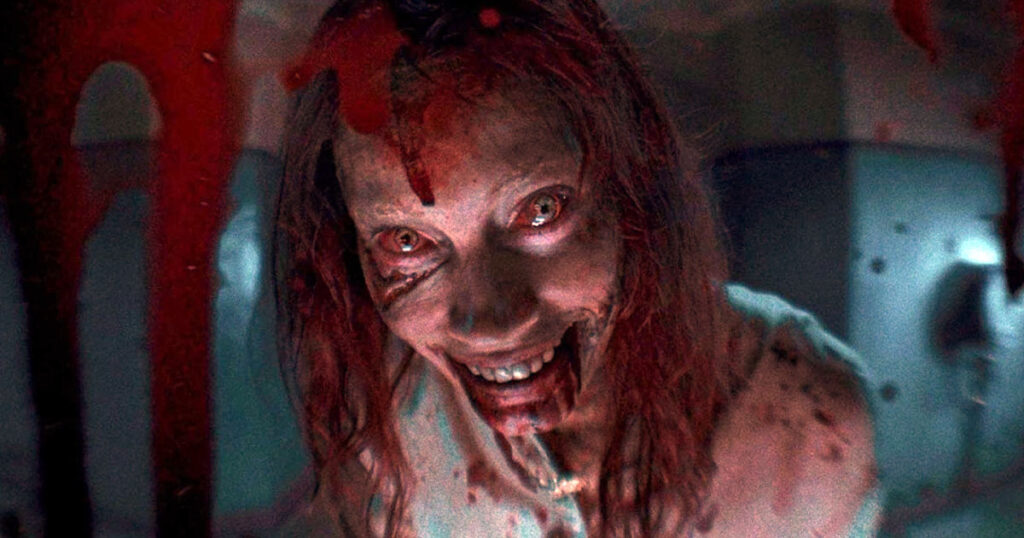
From a low-budget, grassroots horror flick shot in the woods by a young Sam Raimi to an immortal undead legend, The Evil Dead became the ultimate blueprint for modern cabin-in-the-woods horror. This trilogy is arguably one of the most bizarre and brilliant cinematic evolutions ever put to film.
It transitions from full-blown, terrifying, blood-splattering horror in The Evil Dead, injects a heavy dose of wicked, slapstick dark comedy in Evil Dead II, and completely transforms into a retro, time-traveling, cult dark-fantasy epic in Army of Darkness. At the center of it all is the frantic, psychotic performance of Bruce Campbell as Ash Williams—a regular, cowardly guy who eventually straps a chainsaw to his severed stump and wields a “boomstick” against hordes of deadite demons. It is a certified icon of cinema that horror fans absolutely worship.
16. Three Flavours Cornetto Trilogy (2004–2013)
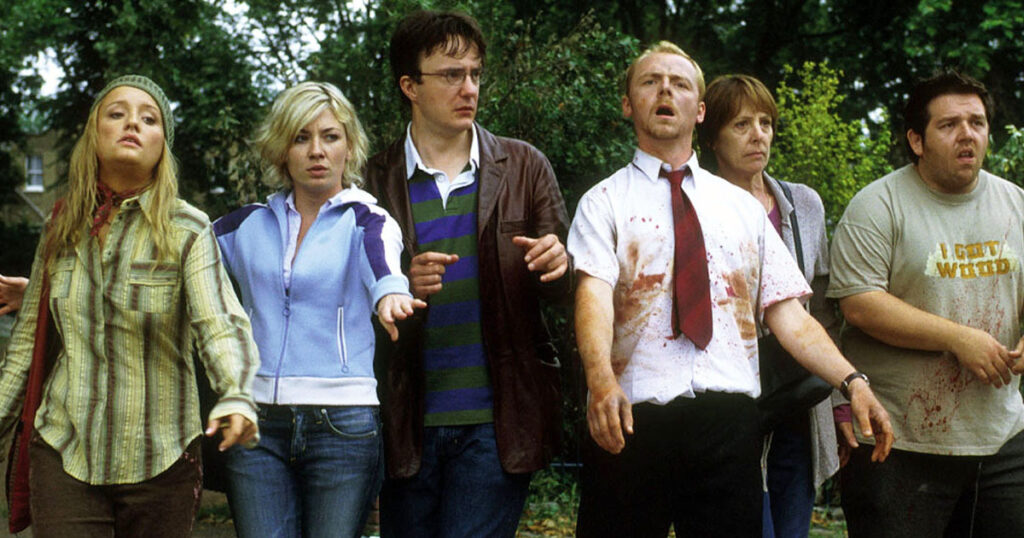
This isn’t a traditional trilogy with a continuous storyline or recurring characters. Instead, it is a brilliant “spiritual” trilogy masterfully crafted by director Edgar Wright and actors Simon Pegg and Nick Frost. The films are tied together through the exact same core cast, lightning-fast kinetic editing styles, recurring running gags (like fence-jumping), and… three different flavors of Cornetto ice cream!
It consists of Shaun of the Dead, a hilarious and surprisingly heartfelt parody of zombie flicks; Hot Fuzz, an explosive, high-octane homage to buddy cop action movies set in a sleepy English village; and The World’s End, a biting, melancholic take on aging wrapped in an alien invasion plot. The brilliance lies in Wright’s ability to turn the mundane lives of ordinary British slackers into wildly chaotic adventures. With millimeter-perfect sitcom timing, it is a comedy masterpiece.
15. Blade Trilogy (1998–2004)
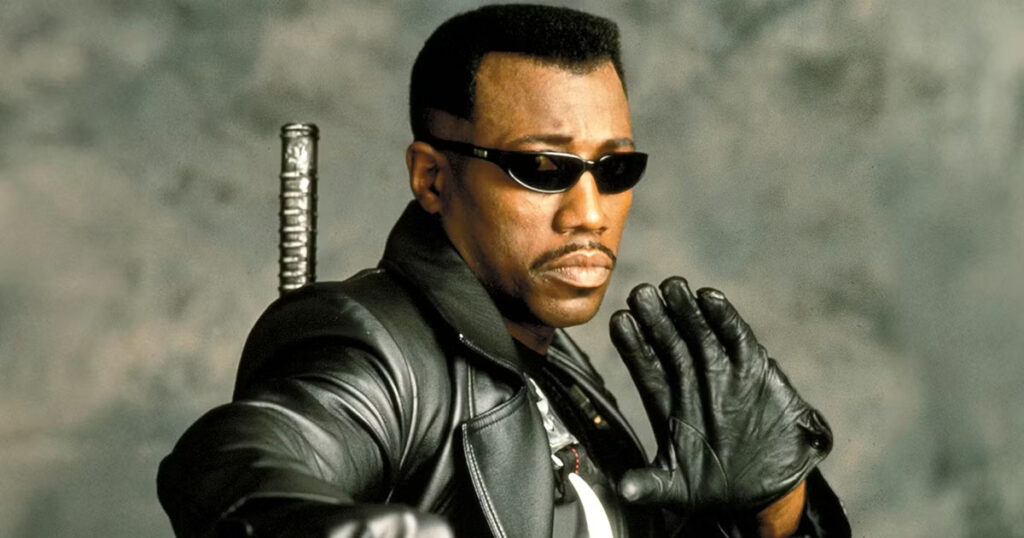
Way before the Marvel Cinematic Universe dominated the global box office, we had a half-human, half-vampire antihero walking the neon-lit streets in black shades and a long leather duster. The Blade trilogy is the true pioneer that forced Hollywood to look at comic book movies through a much darker, grittier, and serious lens, effectively saving the superhero genre from the campiness of the late 90s.
Wesley Snipes was practically born for the role of the Daywalker, blending brutal, fast-paced martial arts with an intense, stoic bloodlust perfectly. That iconic katana-swinging action scene during the “blood rave” in the opening minutes of the first movie still remains one of the most badass character introductions of all time. Despite a rocky third installment, this trilogy sparked the renaissance that brought dark, edgy heroes back to life in absolute cinematic glory.
14. Captain America Trilogy (2011–2016)
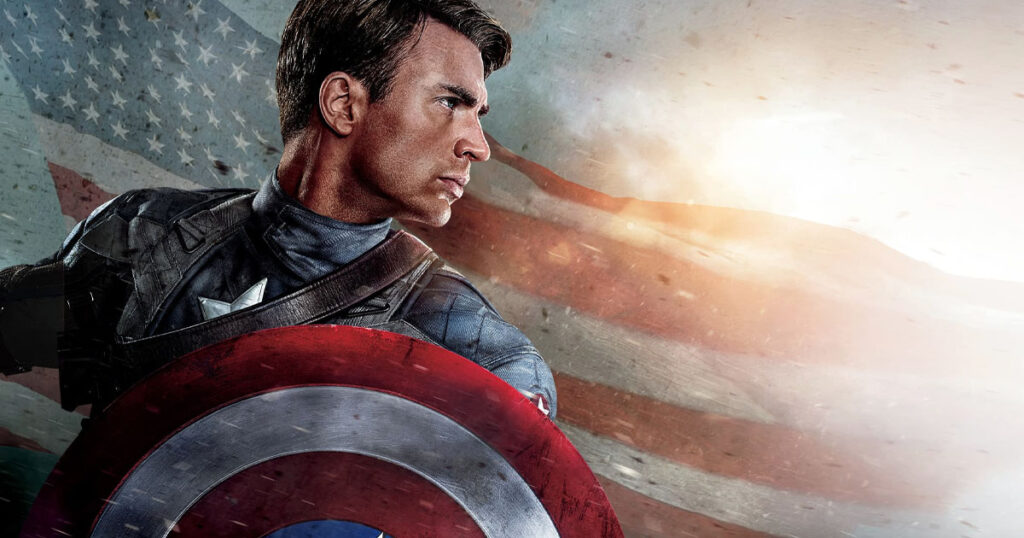
Among all the standalone movie franchises within the massive MCU, Captain America boasts the most flawless character development, thematic depth, and cohesive storytelling. From a scrawny young soldier with a massive heart in the World War II era (The First Avenger), to a modern-day operative uncovering the deep-rooted corruption of massive intelligence organizations (The Winter Soldier), and finally culminating in a devastating ideological clash among friends (Civil War).
Directors Joe and Anthony Russo completely transformed Steve Rogers into a multi-dimensional, incredibly strong figure who carries an immense amount of hidden pain and unwavering morality. The brutal, highly realistic hand-to-hand combat scenes and the grounded political thriller tone make this trilogy stand out as the absolute crown jewel of Marvel’s solo outings.
13. Planet of the Apes Reboot Trilogy (2011–2017)
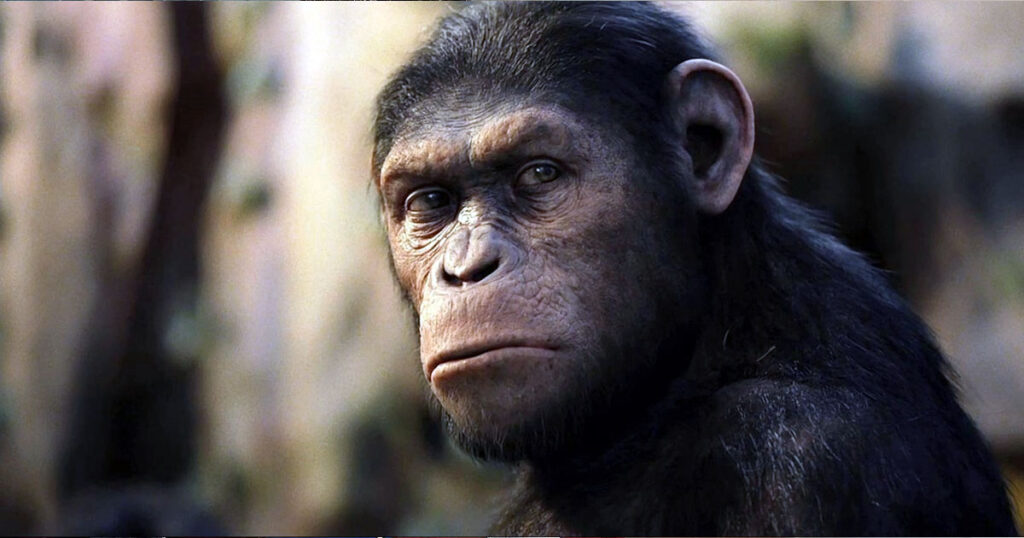
This is the ultimate textbook case study of how to take an aging, seemingly exhausted franchise and reboot it into an absolute cinematic masterpiece of modern sci-fi. The Planet of the Apes reboot trilogy (Rise, Dawn, War) doesn’t just show intelligent apes taking over the globe via CGI spectacles; it dives remarkably deep into the psychological evolution and the Shakespearean soul of its main character, Caesar.
We watch him grow from a curious chimpanzee raised by a human scientist, into a reluctant revolutionary leader, and ultimately the mythic savior of his species, forced to face a brutal war he desperately tried to avoid. Beyond the breathtaking, groundbreaking motion capture technology that turns Andy Serkis into a terrifyingly realistic, emotionally expressive ape, the script asks profound moral questions about humanity, tribalism, and the cruelty of nature.
12. How to Train Your Dragon Trilogy (2010–2019)
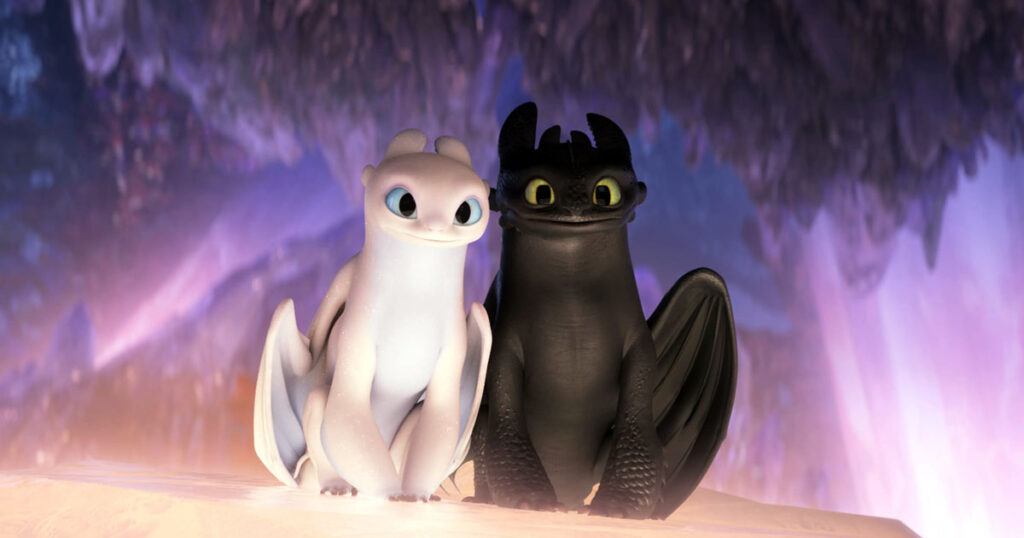
This breathtaking animated trilogy from DreamWorks Animation takes us soaring through the majestic skies with Hiccup, an outcast teenage Viking, and Toothless, an incredibly adorable yet fiercely loyal Night Fury dragon. While on the surface it might just look like a standard, visually pleasing family cartoon, this is actually one of the most profound coming-of-age stories ever told in the medium of animation.
Unlike many animated series where characters remain stagnant, we actually witness Hiccup age. We see him evolve from an unaccepted boy into a wise tribal leader forced to make incredibly difficult, selfless choices. It beautifully and maturely addresses breaking down deep-rooted prejudice, the coexistence of completely different species, the tragic, irreversible loss of loved ones (and even physical limbs), and the ultimate power of letting go. The bond between human and dragon here has genuinely brought countless tough-hearted adults to tears.
11. Mad Max Original Trilogy (1979–1985)
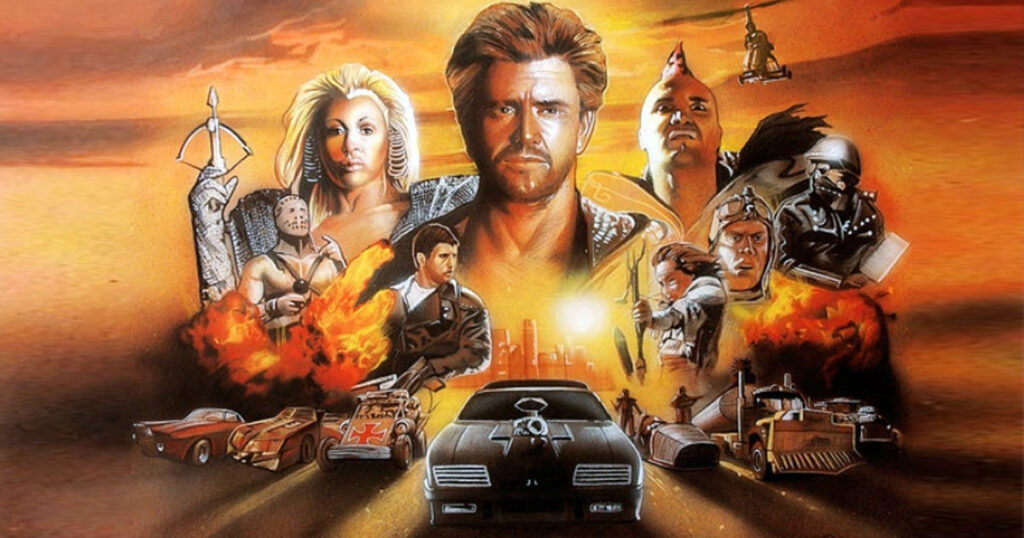
When the world’s resources dry up and the law becomes nothing more than a scrap of paper blowing in the wind, we get the birth of the most raw, brutal, and chaotic post-apocalyptic world ever seen on screen. Director George Miller’s original Mad Max trilogy completely redefined the standard for dystopian sci-fi and vehicular action.
We witness the tragic, harrowing transformation of Max Rockatansky. He goes from a dedicated highway patrolman desperately trying to hold onto his humanity while losing his family (Mad Max), to a cynical, solitary wanderer roaming the desolate wastelands acting as a reluctant savior (The Road Warrior), and finally facing the bizarre society of Bartertown (Beyond Thunderdome). The high-octane road pursuits utilizing real vehicles, real stunt performers, and incredibly life-threatening practical effects instantly propelled Mel Gibson to global superstardom.
10. Spider-Man Trilogy (2002–2007)
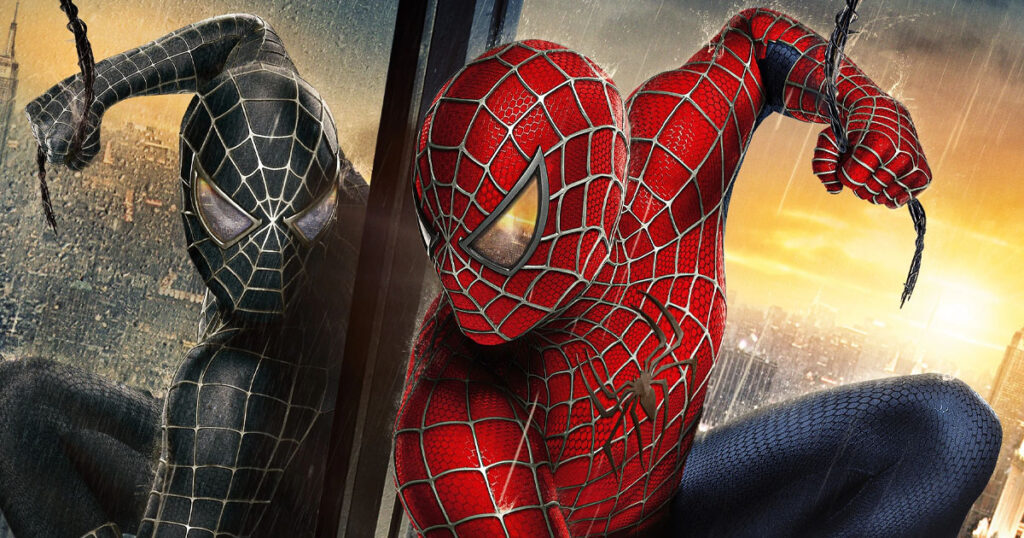
Long before we became accustomed to the multiverse and sprawling cinematic universes, this was the Spider-Man that an entire generation grew up with in the early two-thousands. Directed by Sam Raimi, this trilogy practically birthed the modern superhero blockbuster era. Tobey Maguire flawlessly captured the essence of Peter Parker—portraying his tragic, nerdy life and bearing the heavy, heartbreaking burden of “with great power comes great responsibility” in a way that deeply resonated with audiences.
This trilogy perfectly blends genuine romance, high school/college drama, and kinetic web-swinging across the New York skyline that left viewers absolutely mesmerized. Spider-Man 2, in particular, dives so deep into the hero’s internal conflict and sacrifices, paired with Alfred Molina’s sympathetic villain Doc Ock, that critics still hail it as one of the greatest superhero movies ever made.
9. The Before Trilogy (1995–2013)
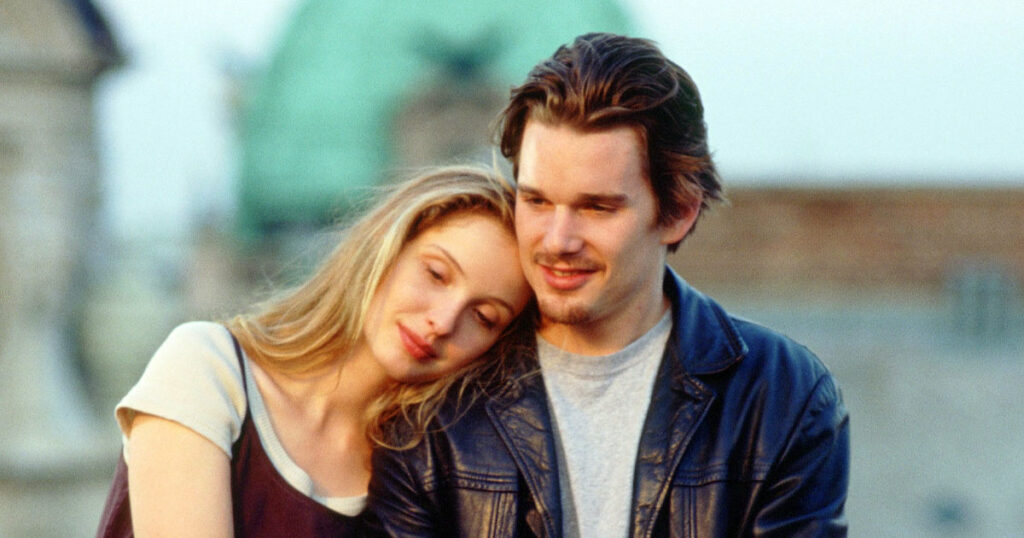
This is perhaps the most unusual, yet deeply affecting movie trilogy ever made, primarily because it has zero action sequences, no fantasy worlds, and no massive stakes—just a man and a woman walking down the street, talking. Yet, it is unbelievably captivating and emotionally powerful. Director Richard Linklater filmed this trilogy with a real-life nine-year gap between each movie (Before Sunrise, Before Sunset, Before Midnight), allowing the characters to naturally age alongside the actors.
We watch Ethan Hawke and Julie Delpy go from a lightning-fast, idealistic romance in their youth in Vienna, to the longing and deep regret of their working years in Paris, and finally confronting the bitter realities and exhausting arguments of maintaining a marriage in middle age in Greece. The dialogue feels so authentic, like eavesdropping on a genuine human connection, making it a truly beautiful yet painful exploration of romance.
8. The Vengeance Trilogy (2002–2005)
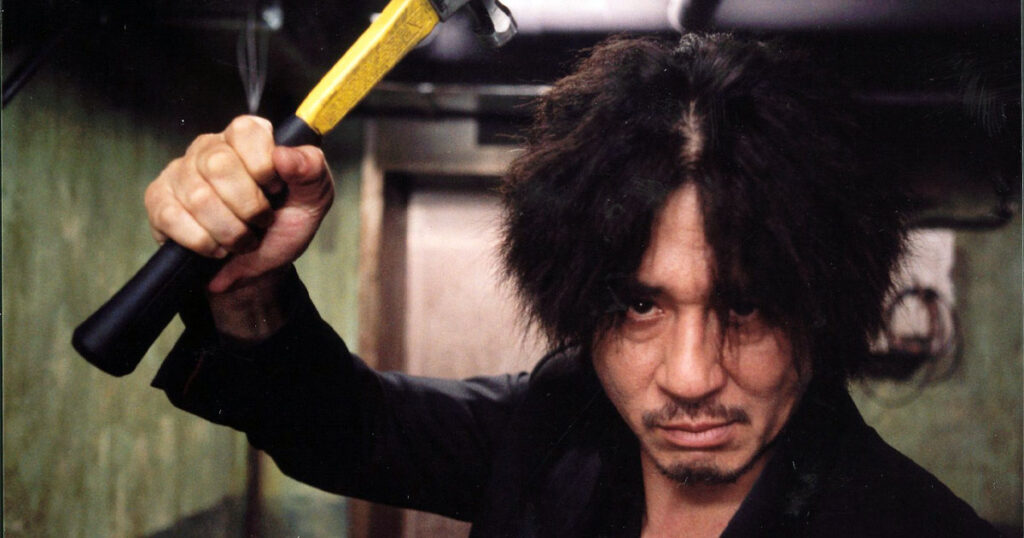
This unofficial thematic revenge trilogy from South Korea, crafted by the brilliant auteur director Park Chan-wook, drags audiences down into the absolute darkest, most twisted depths of the human psyche. Comprising Sympathy for Mr. Vengeance, Oldboy, and Lady Vengeance, each film explores drastically different motivations for revenge—ranging from desperate poverty and unjustified, decades-long captivity, to a beautifully orchestrated quest for redemption.
The trilogy stands out by fiercely juxtaposing breathtaking, painting-like cinematography and classical music with incredibly raw, brutal, and visceral violence. It is packed with jaw-dropping, stomach-churning plot twists that show zero mercy to the audience. Oldboy, with its iconic single-take hallway hammer fight and devastating ending, became an instant legendary masterpiece that forced the entire Western world to pay close attention to South Korean cinema.
7. The Matrix Original Trilogy (1999–2003)
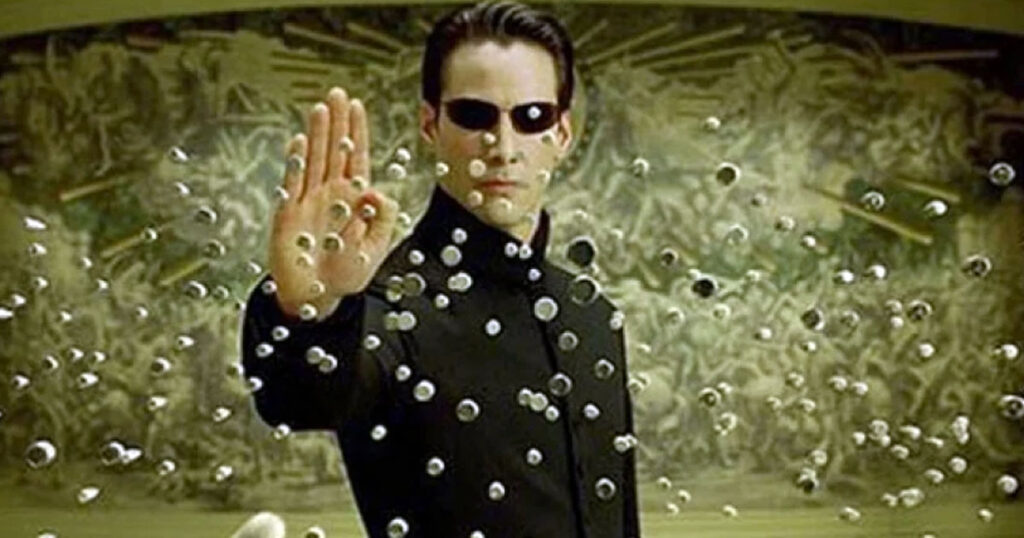
Will you take the red pill to face the brutal, apocalyptic truth, or the blue pill to remain blissfully asleep in a fake, simulated world? The Wachowskis’ The Matrix wasn’t just an action movie that pioneered mind-bending, “bullet-dodging” visual effects; it was a massive, unprecedented collision of cyberpunk aesthetics, Eastern philosophy, religion, and hyper-advanced technology.
The journey of Neo (Keanu Reeves), “The One,” fighting alongside Trinity and Morpheus to liberate humanity from serving as mere living batteries for sentient machines, is a plot that was remarkably ahead of its time. It forced a generation to question the nature of their reality and existence. While the sequels (Reloaded and Revolutions) became increasingly dense, the trilogy as a whole is the ultimate sci-fi action masterpiece that sent shockwaves through Hollywood.
6. The Dollars Trilogy (1964–1966)
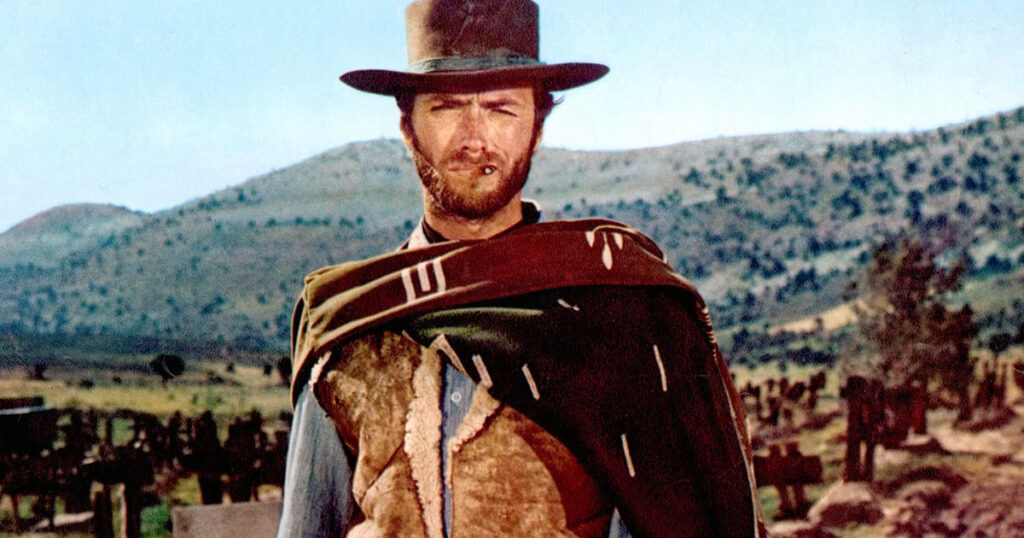
Also known as the “Man with No Name” trilogy, this is undoubtedly the most influential Spaghetti Western franchise in cinematic history. Starring Clint Eastwood as the iconic, nameless drifter who wears a poncho, constantly bites a cigar, and draws his weapon with lightning-fast precision, this trilogy changed the Western genre forever.
Director Sergio Leone completely shattered the traditional, clean-cut Hollywood cowboy rules of clear good and evil. Instead, he created a gritty, sweaty, morally ambiguous world entirely driven by greed and survival. The extreme, sweat-beaded close-up shots staring deeply into tension-filled eyes, the slow editing that rapidly explodes into deadly gunfights, and the truly epic, whistling musical score by legendary composer Ennio Morricone make this trilogy the absolute dictionary definition of cinematic coolness.
5. Back to the Future Trilogy (1985–1990)
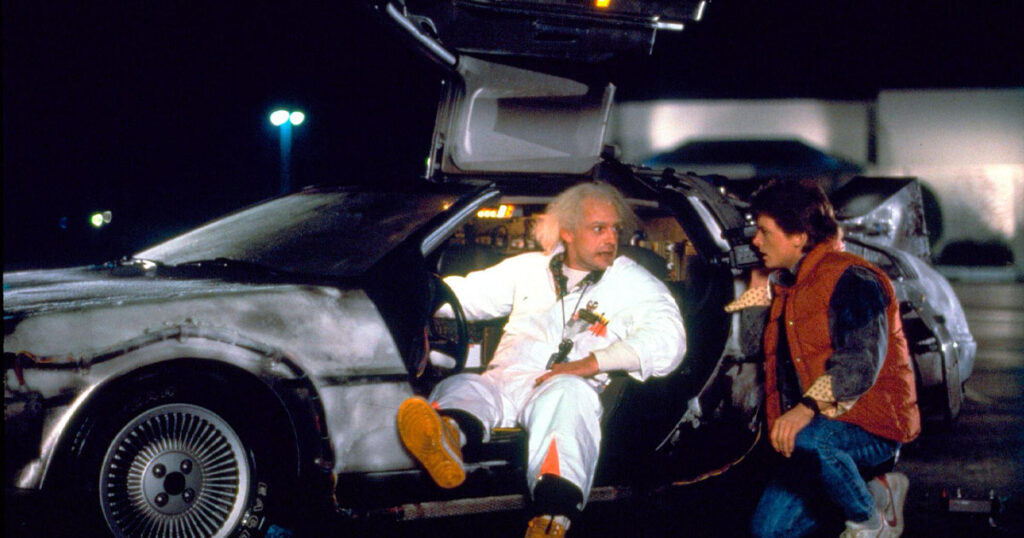
If there is such a thing as a one-hundred-percent flawless, universally beloved time travel trilogy, this is undoubtedly the one. The dimension-hopping, time-bending adventures of teenager Marty McFly (Michael J. Fox) and the eccentric Doctor Emmett Brown (Christopher Lloyd) in that incredibly cool, plutonium-powered DeLorean represent the absolute peak of 1980s sci-fi comedy.
Directed by Robert Zemeckis, this trilogy boasts an impossibly rock-solid screenplay that cleverly ties together the past, present, and future without creating frustrating plot holes. Every single minor action taken in 1955 triggers a massive domino effect on the future in 1985 and 2015, culminating in a brilliant wild west finale in 1885. It is packed with pure fun, visual gags that always land perfectly, and an undeniable charm. It’s a legendary family classic that simply never ages.
4. The Dark Knight Trilogy (2005–2012)
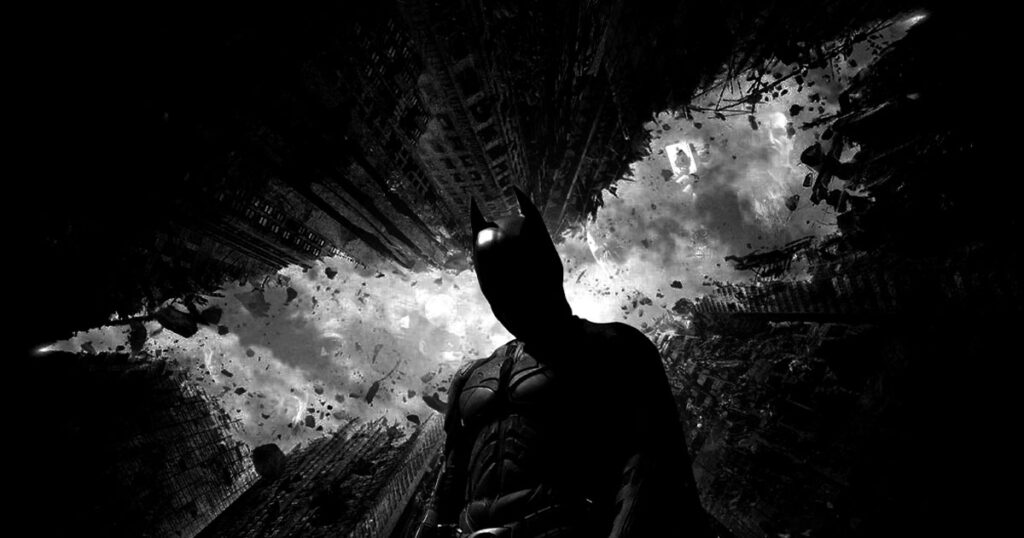
When visionary director Christopher Nolan took the caped crusader and completely reinterpreted his mythos, the superhero movie landscape was fundamentally changed forever. He resurrected Batman from the neon campiness of the 90s into a hyper-realistic, incredibly dark, and intensely gripping psychological crime thriller.
Through Batman Begins, The Dark Knight, and The Dark Knight Rises, Christian Bale’s Bruce Wayne is forced to face severe ideological tests that push his physical and moral boundaries to the absolute limit. The Dark Knight stands as the crown jewel, heavily driven by Heath Ledger’s mesmerizing, terrifying portrayal of the Joker—a performance that created a powerful cinematic force and rightfully earned a posthumous Academy Award. This trilogy transcended the “comic book movie” label, elevating itself into a masterclass of modern cinema that flawlessly reflects fear, chaos, and corruption.
3. The Lord of the Rings Trilogy (2001–2003)
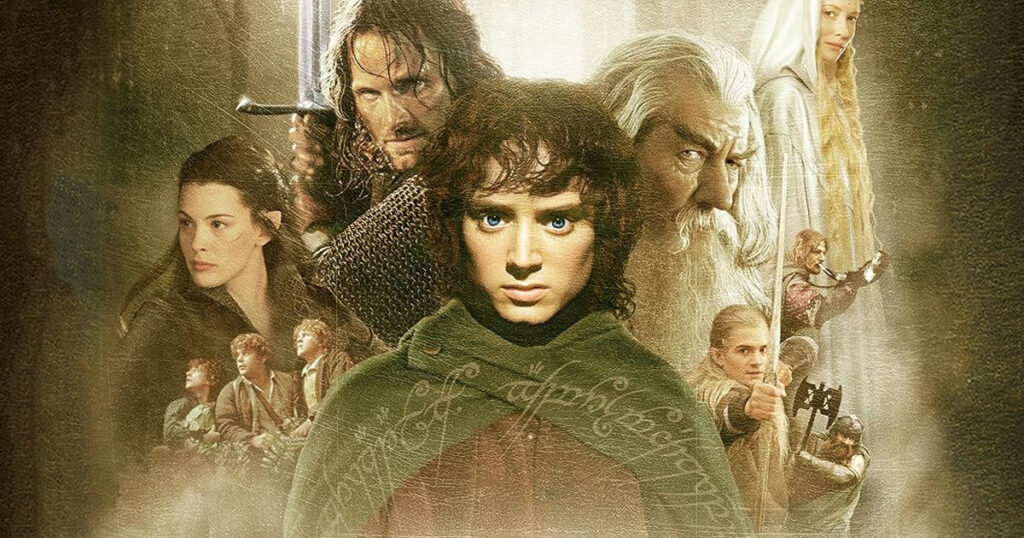
There is likely no other movie trilogy in human history that has managed to build an entirely fictional world like J.R.R. Tolkien’s “Middle-earth” with such massive scale, profound detail, and absolute perfection as Peter Jackson’s epic fantasy saga. Filmed simultaneously in New Zealand, it was a massive gamble that paid off astronomically.
The incredibly grueling journey of Frodo Baggins to destroy the One Ring, the deeply moving brotherhood of the Fellowship willing to die for one another, and the spectacularly grand, groundbreaking CGI battles (like Helm’s Deep and Pelennor Fields) to save their entire race are simply unparalleled. Every single element—from Howard Shore’s iconic score to the practical makeup and emotional weight—was crafted with supreme dedication. Sweeping up a staggering 17 Academy Awards, this stands tall as the holy grail of fantasy cinema.
2. Star Wars: The Original Trilogy (1977–1983)
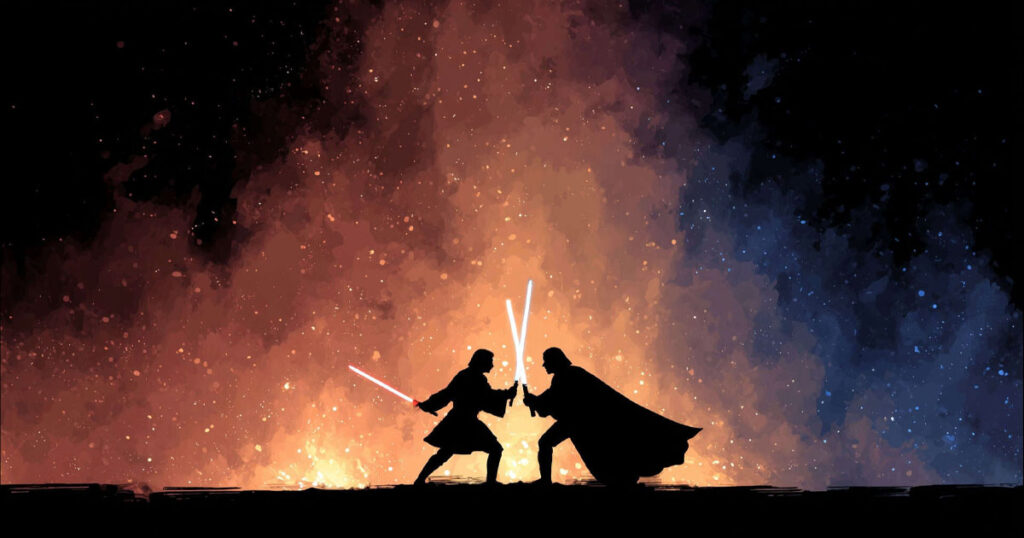
A few decades ago, visionary George Lucas built a galaxy far, far away, giving birth to the most influential, merchandised, and beloved franchise in all of pop culture. Episodes IV, V, and VI (A New Hope, The Empire Strikes Back, Return of the Jedi) laid the very foundation that made Star Wars a massive global religion rather than just a movie series.
The fierce rebellion fighting the tyrannical Galactic Empire, the classic hero’s journey of a farm boy named Luke Skywalker rising to become a Jedi Knight, and the terrifying, breathing presence of Darth Vader—arguably the most iconic villain in movie history. This original trilogy is absolutely packed with cultural touchstones: glowing lightsabers, the mystical power of the Force, and legendary plot twists (“I am your father”) that nobody saw coming. It’s the ultimate space opera that continues to inspire generations.
1. The Godfather Trilogy (1972–1990)
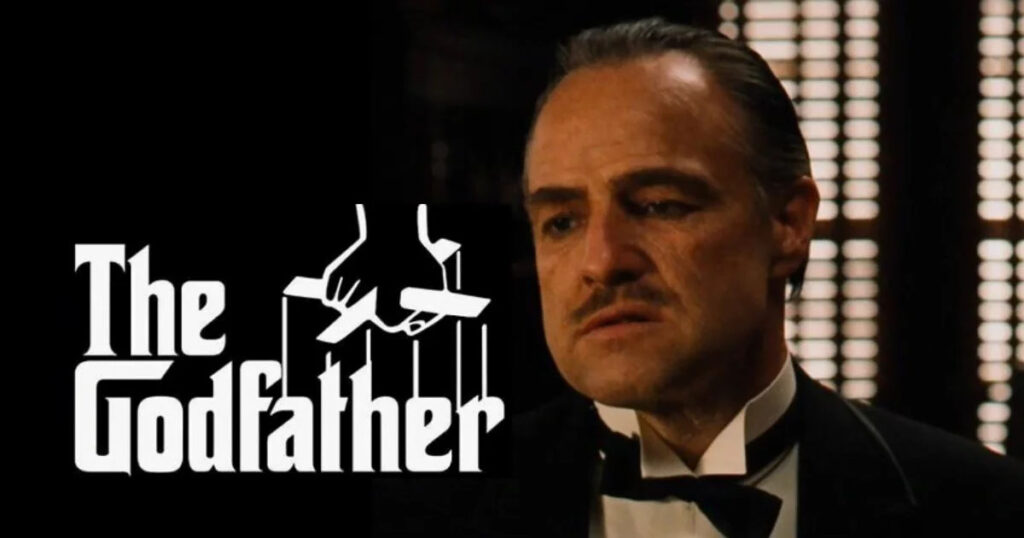
Taking the number one spot is an absolute masterpiece that changed the art of filmmaking forever. This epic saga of the Corleone mafia family, brilliantly adapted from Mario Puzo’s novel and directed by Francis Ford Coppola, is far more than just mobsters shooting each other with tommy guns. It is high literature translated onto film, acting as a heavy, tragic critique of the American Dream and capitalism.
It tells a haunting, multi-generational story of inheriting power, the heavy burden of absolute loyalty, devastating betrayals, and the tragic loss of Michael Corleone’s soul as he pays the ultimate price to protect his family and reach the top. With a deeply somber atmosphere, dialogue as sharp as a razor blade (“I’m gonna make him an offer he can’t refuse”), and incredibly transcendent, legendary performances by Al Pacino, Marlon Brando, and Robert De Niro. The Godfather trilogy is solidified as the ultimate, greatest movie trilogy of all time—remaining the cinematic bible for filmmakers forever.
Final Thoughts: Beyond the Rule of Three
In compiling this ultimate ranking, my personal takeaway is that the trilogy format truly offers a perfect, magical balance for storytelling—providing just enough time for a solid introduction, a challenging middle, and a grand, satisfying conclusion. However, cinematic brilliance isn’t strictly confined to the “rule of three.” There are many incredible narratives that wrap up perfectly as a “Duology,” such as the visionary sci-fi world of Blade Runner and Blade Runner 2049, or Quentin Tarantino’s bloody, action-packed masterpiece Kill Bill: Vol. 1 and Vol. 2. On the other hand, some epic stories simply demand more room to breathe, expanding well beyond three chapters into massive franchises. Just look at the magical eight-film journey of the Harry Potter series, the high-octane, ever-expanding John Wick franchise, or the legendary Indiana Jones saga. The world of cinema is vast and diverse, and I will absolutely be compiling those fantastic duologies and extended cinematic universes for you to read here in the near future. Until then, keep the love for cinema alive!