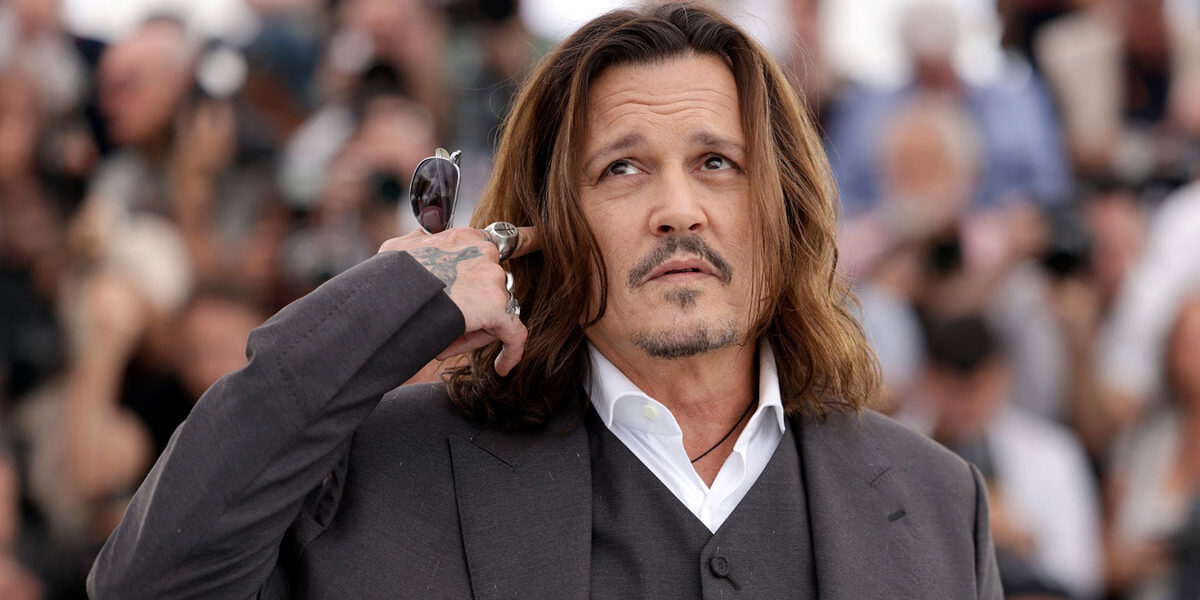
Few figures in the history of modern cinema have fascinated the public quite like Johnny Depp. For over three decades, Depp has been a cinematic chameleon, transforming himself into some of the most eccentric, beloved, and enduring characters ever committed to film. From the razor-handed, misunderstood creation in Edward Scissorhands to the rum-soaked, swaggering Captain Jack Sparrow in the Pirates of the Caribbean franchise, Depp’s career has been anything but conventional.
However, the man behind the makeup has lived a life just as dramatic, complex, and highly publicized as any of his on-screen personas. His journey is a sweeping narrative of monumental peaks, devastating personal and professional valleys, high-profile romances, a brutal trial that captivated the world, and an ongoing, defiant renaissance. This is the comprehensive story of Johnny Depp—the rise, the fall, and the resilience of a true Hollywood icon.
The Accidental Actor: Humble Beginnings and Music Dreams
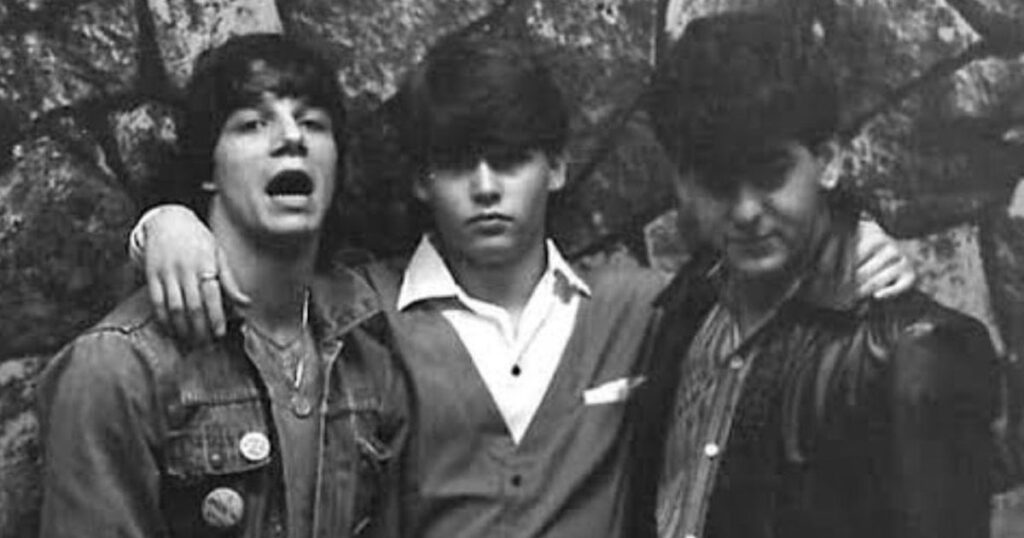
Born John Christopher Depp II on June 9, 1963, in Owensboro, Kentucky, and raised primarily in Florida, Depp’s first love was not acting, but music. Gifted a guitar by his mother at the age of 12, he found solace in rock and roll, escaping the instability of his parents’ eventual divorce. He dropped out of high school to pursue a career as a rock musician, fronting a band called The Kids, which enjoyed modest local success and even opened for acts like Iggy Pop.
In the early 1980s, the band moved to Los Angeles in pursuit of a record deal. While the band eventually dissolved, the move to Hollywood proved fateful. Depp’s then-wife, Lori Anne Allison, introduced him to a young, up-and-coming actor named Nicolas Cage. Cage saw something magnetic in the brooding, quiet musician and advised him to pursue acting, even setting up an audition for him with director Wes Craven.
That audition led to Depp’s feature film debut in the 1984 horror classic A Nightmare on Elm Street, where his character famously met a bloody end. However, it was his reluctant acceptance of a television role in 1987 that skyrocketed him to overnight fame. Cast as undercover police officer Tommy Hanson in the Fox series 21 Jump Street, Depp instantly became a massive teen idol. Young, incredibly handsome, and radiating a James Dean-esque rebellious charm, he was splashed across the covers of teen magazines worldwide.
Yet, Depp despised this status. Feeling creatively trapped and commodified as a “product” by the network, he actively sought a way out of his contract, desperate to prove he was more than just a pretty face.
The Tim Burton Era and Becoming an Indie Darling
Johnny Depp’s escape from the teen idol trap came through careful, deliberate, and often risky career choices. He sought out eccentric, offbeat directors. His first major step away from the mainstream was starring in John Waters’ 1990 musical comedy Cry-Baby, playfully mocking his own pin-up image.
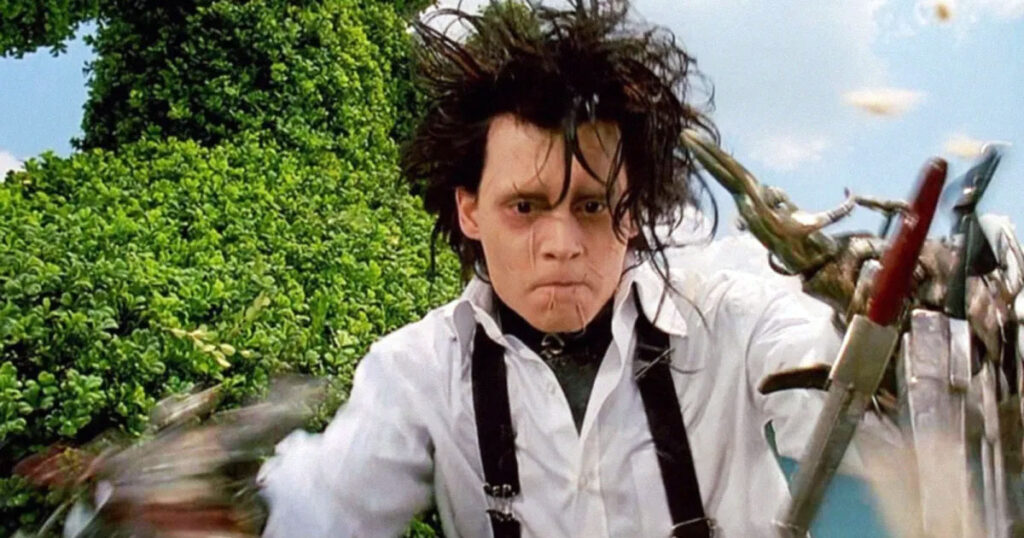
However, it was later that same year that Depp found his true cinematic soulmate in director Tim Burton. Cast as the titular character in the gothic fairy tale Edward Scissorhands (1990), Depp delivered a profoundly physical, nearly dialogue-free performance of heartbreaking vulnerability. The film was a critical and commercial triumph and marked the beginning of one of the most prolific actor-director partnerships in Hollywood history.
Depp and Burton would go on to collaborate on numerous celebrated projects, including Ed Wood (1994), Sleepy Hollow (1999), Charlie and the Chocolate Factory (2005), Sweeney Todd: The Demon Barber of Fleet Street (2007)—which earned Depp his first Golden Globe—and Alice in Wonderland (2010).
Throughout the 1990s, Depp solidified his reputation as a fearless, independent artist. He gravitated towards playing outcasts and misunderstood dreamers. He starred alongside Leonardo DiCaprio in What’s Eating Gilbert Grape (1993), played an FBI agent opposite Al Pacino in Donnie Brasco (1997), and formed a close, lifelong bond with the legendary gonzo journalist Hunter S. Thompson, portraying his alter-ego in Terry Gilliam’s psychedelic masterpiece Fear and Loathing in Las Vegas (1998). Depp was universally respected by critics, though he remained somewhat on the fringes of massive blockbuster stardom.
The Golden Era: The Peak of Captain Jack Sparrow
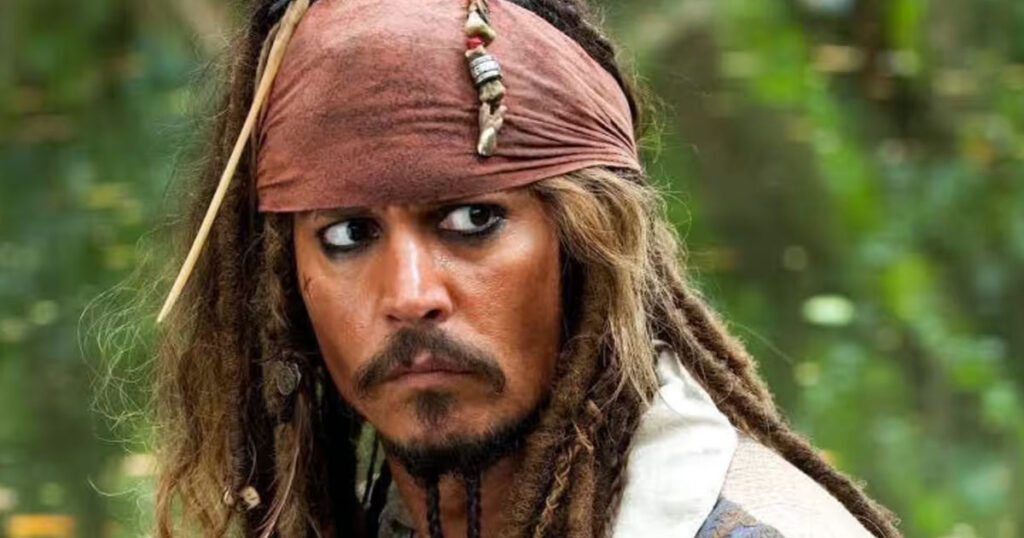
Everything changed in 2003. When Disney announced they were making a movie based on their theme park ride, Pirates of the Caribbean, and that indie-darling Johnny Depp was cast as a pirate captain, the industry was skeptical.
During production, Disney executives were reportedly terrified of Depp’s eccentric interpretation of Captain Jack Sparrow. Inspired by Rolling Stones guitarist Keith Richards and cartoon skunk Pepé Le Pew, Depp created a character who slurred his words, flailed his arms, and stumbled through scenes as if perpetually inebriated or suffering from sunstroke. Executives feared he was ruining the movie.
Instead, he created cinema history. Pirates of the Caribbean: The Curse of the Black Pearl was a colossal, unexpected blockbuster. Depp’s mesmerizing, comedic, and completely original performance anchored the film. He earned his first Academy Award nomination for Best Actor and was suddenly catapulted from an indie favorite to the biggest movie star on the planet.
The role of Jack Sparrow defined a generation and spawned a multi-billion-dollar franchise. Depp became the highest-paid actor in Hollywood, reprising the role in four immensely successful sequels. During this golden decade, he also earned Oscar nominations for his roles as Peter Pan creator J.M. Barrie in Finding Neverland (2004) and as the murderous barber in Sweeney Todd (2007). He was unstoppable.
Love, Life, and High-Profile Romances
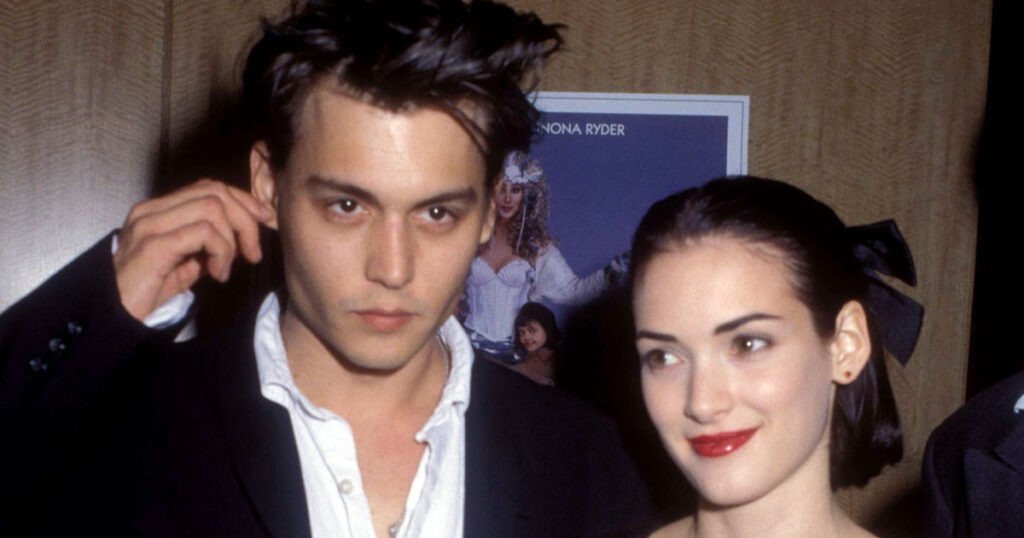
As Depp’s career flourished, his romantic life was equally documented by the global press. In the early 90s, his relationship with Edward Scissorhands co-star Winona Ryder became legendary, culminating in his famous “Winona Forever” tattoo (later altered to “Wino Forever”). Following their split, he dated British supermodel Kate Moss; together, they were the undisputed “it” couple of the 1990s grunge and fashion era, known for their glamorous, high-octane lifestyle.
However, it was his relationship with French singer and actress Vanessa Paradis that brought long-term stability to his life. Meeting in 1998, the couple never married but were together for 14 years. They retreated from the glaring lights of Hollywood to a quiet life in the South of France, raising two children: Lily-Rose Melody Depp (now a successful actress and model) and John Christopher “Jack” Depp III. Depp often credited Paradis and fatherhood with saving his life, giving him a profound sense of purpose and grounding his famously restless spirit. The couple announced their amicable separation in 2012.
The Storm: Amber Heard, the Lawsuits, and the Hollywood Boycott
The darkest chapter of Depp’s life began during the filming of The Rum Diary (2011), where he met actress Amber Heard. Following his split from Paradis, Depp and Heard began dating and were married in a private ceremony in 2015.
The marriage was volatile and short-lived. In May 2016, Heard filed for divorce and obtained a temporary restraining order, alleging physical and verbal abuse—claims Depp vehemently denied. The divorce was finalized in 2017 with a $7 million settlement, which Heard pledged to donate to charity.
The situation escalated dramatically in December 2018 when Heard wrote an op-ed for The Washington Post. Though she did not name Depp directly, she described herself as a “public figure representing domestic abuse.” The fallout for Depp was swift and devastating. In the #MeToo era, Hollywood studios quickly distanced themselves. Disney reportedly dropped him from future Pirates of the Caribbean projects.
Depp fought back in the courts. He first sued the publishers of the British tabloid The Sun for libel after they referred to him as a “wife-beater.” In a major blow to his career, he lost the UK trial in late 2020, with the judge ruling that the tabloid’s claims were “substantially true.” Days later, Warner Bros. asked him to resign from the lucrative role of Gellert Grindelwald in the Fantastic Beasts franchise. Depp was effectively blacklisted by major Hollywood studios.
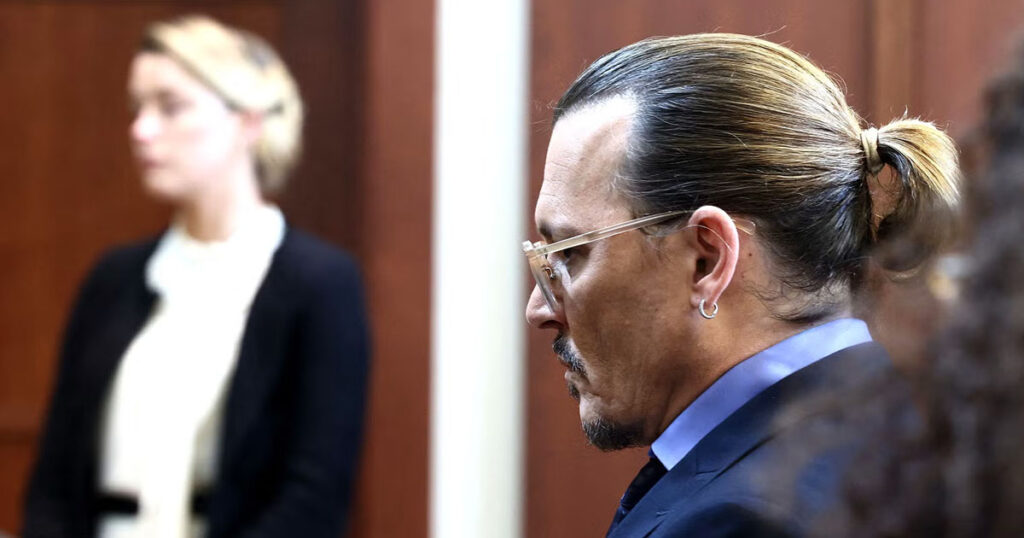
Refusing to surrender his reputation, Depp pursued a $50 million defamation lawsuit against Heard in Virginia over the Washington Post op-ed. The six-week trial in the spring of 2022 became an unprecedented cultural phenomenon. Broadcast live on YouTube and heavily dissected on TikTok, the trial exposed deeply toxic details of their marriage.
Unlike the UK trial, the jury in Virginia heavily favored Depp. On June 1, 2022, the jury ruled that Heard had defamed Depp with actual malice, awarding him $15 million in damages (later capped), while awarding Heard $2 million for a counterclaim regarding a statement made by Depp’s lawyer. For Depp, it was total vindication. “The jury gave me my life back,” he declared in a post-trial statement.
Unwavering Loyalty: The Fans and the House of Dior
During his years in the Hollywood wilderness, Depp was not entirely alone. He possessed one of the most fiercely loyal fanbases in the world. The online movement #JusticeForJohnnyDepp trended globally for years, with fans organizing petitions, boycotts of his replacements, and showing up in thousands outside the Virginia courthouse every day to offer gifts and support.
Crucially, in the corporate world, while Disney and Warner Bros. severed ties, one major luxury house stood firmly by him: Dior.
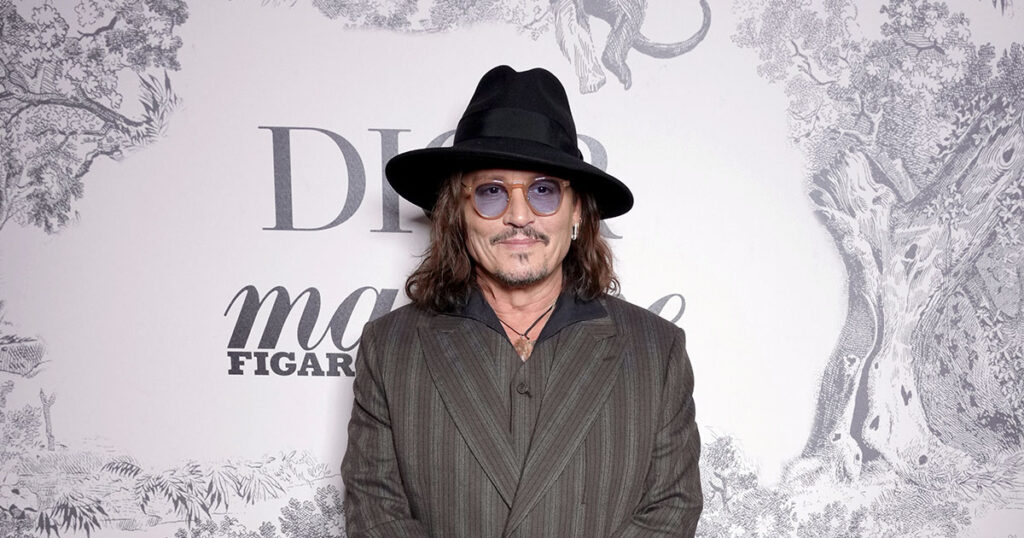
Depp had been the face of Dior’s Sauvage men’s fragrance since 2015. Despite immense public pressure during the abuse allegations and the loss of the UK trial, Dior made the controversial and bold decision to keep Depp as their ambassador. They continued to run his commercials on prime-time television. The gamble paid off astonishingly well. Driven by fan loyalty and public support, sales of Dior Sauvage skyrocketed, reportedly becoming the best-selling perfume in the world across both men’s and women’s categories. In 2023, following his legal victory, Dior reportedly signed Depp to a new three-year contract worth upwards of $20 million, marking the biggest men’s fragrance deal in history.
The Renaissance: European Cinema, Art, and Future Projects
Following the Virginia verdict, Johnny Depp did not rush back to the Hollywood studio system that had abandoned him. Instead, he sought refuge in his original passions: music, art, and independent European cinema.
He immediately went on tour playing guitar with his close friend, the late legendary guitarist Jeff Beck, and resumed touring with his rock supergroup, The Hollywood Vampires, alongside Alice Cooper and Joe Perry. He also ventured heavily into the art world, selling collections of his paintings—pop-art style portraits of figures who inspired him—through the Castle Fine Art gallery in the UK, making millions of dollars in hours.
In his return to acting, Depp chose a French-language film. He transformed into King Louis XV in the historical drama Jeanne du Barry, directed by and starring Maïwenn. The film received the prestigious honor of opening the 2023 Cannes Film Festival, where Depp was greeted with a massive, tearful standing ovation from the international film community, signaling a powerful global comeback.
Looking to the future, Depp is stepping back behind the camera. He is directing his second feature film (his first being The Brave in 1997) titled Modi. The film, co-produced by Al Pacino, is a biographical drama about Italian artist Amedeo Modigliani during his time in war-torn Paris. By choosing projects in Europe and focusing on directing, art, and music, Depp is reclaiming his narrative on his own terms, far away from the pressures and politics of Los Angeles.
Conclusion: An Enduring Legacy
Johnny Depp is a survivor. He has lived multiple lifetimes within a single career: the teenage heartthrob, the eccentric indie genius, the biggest box office draw on the planet, the exiled pariah, and now, the vindicated artist in renaissance.
While his personal life has often overshadowed his professional achievements in recent years, his contribution to cinema remains undeniable. He brought to life characters that will be beloved for generations. The Hollywood landscape may have changed, and his relationship with the mainstream studio system remains fractured, but Johnny Depp’s undeniable charisma, his immense talent, and the fiercely unwavering support of his fans ensure that his story is far from over. He remains, as ever, writing his own uniquely unpredictable script.