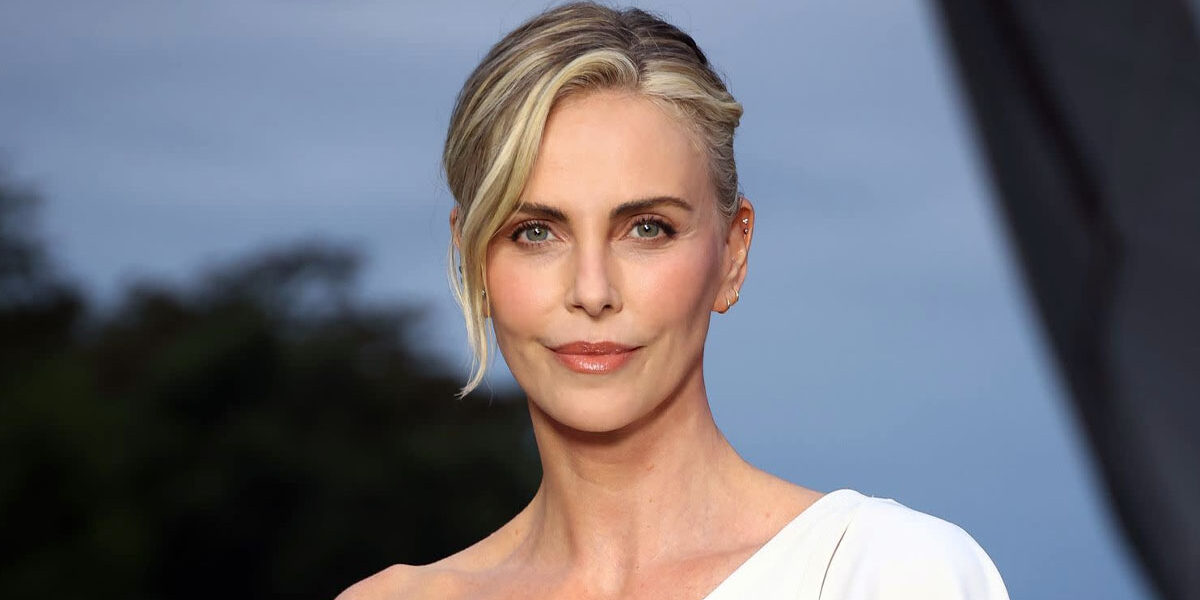
When mapping out the trajectory of modern Hollywood’s most versatile leading ladies, one name inevitably dominates the conversation. Any comprehensive Charlize Theron bio reads less like a standard Hollywood success story and more like a gripping, high-stakes thriller. From her humble and tragic beginnings in South Africa to her Oscar-winning transformation, her brief but heavily debated entry into the Marvel Cinematic Universe, and her brutal 2026 survival thriller Apex on Netflix, Theron’s career is a masterclass in evolution.
She is a performer who refuses to be boxed into a single archetype. Whether she is breaking hearts in intimate indie dramas, shaving her head for post-apocalyptic blockbusters, or hanging off the side of a mountain, Theron consistently pushes the boundaries of physical and emotional acting.
Early Life and the Difficult Road to Hollywood
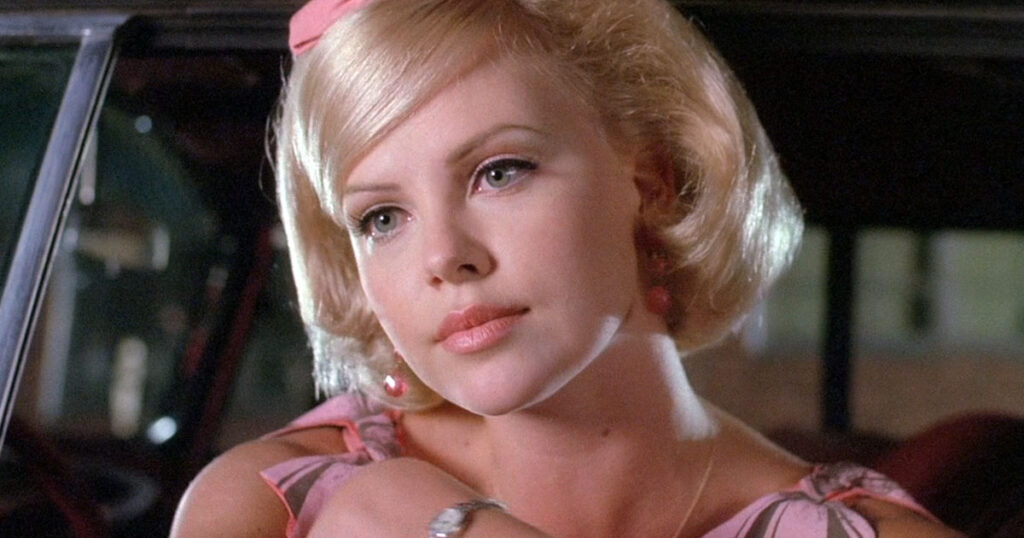
To truly understand her drive, a Charlize Theron bio must start at the very beginning. Born on August 7, 1975, in Benoni, South Africa, Theron grew up on a working farm. Her early life was shaped by a deep passion for dance, specifically ballet, which she pursued vigorously at the National School of the Arts in Johannesburg.
However, her childhood was abruptly shattered by a profound family tragedy. In 1991, when Theron was just 15 years old, her alcoholic father, Charles, drunkenly attacked her and her mother, Gerda. In an act of self-defense, Gerda shot and killed him. The courts ruled the incident as legally justified self-defense, and no charges were filed. Theron has spoken candidly about this trauma in her adult life, noting that the experience of surviving that night forged an unbreakable resilience that she carries into her intense on-screen roles.
Seeking a fresh start, Theron and her mother relocated to Europe, where she spent a year modeling before moving to the United States. She landed in New York City to attend the Joffrey Ballet School, but a severe knee injury permanently crushed her dreams of becoming a professional dancer. Grounded and deeply depressed, her mother bought her a one-way ticket to Los Angeles, effectively telling her to find a new path.
Theron’s actual Hollywood discovery is the stuff of urban legend. While struggling to make ends meet, she was trying to cash a check at a bank on Hollywood Boulevard. When the teller refused to cash the out-of-state check, an exhausted and broke Theron threw a massive, theatrical tantrum. Standing behind her in line was talent manager John Crosby, who was so captivated by her raw emotional display that he handed her his business card. That serendipitous outburst officially launched her acting career.
Breakthrough Roles: Making a Name in the 90s

Theron’s initial foray into acting heavily relied on her striking statuesque beauty. Her first speaking role was in the crime thriller 2 Days in the Valley (1996), where her performance as the seductive hitwoman Helga Svelgen immediately caught the industry’s attention.
However, she was fiercely determined not to be typecast as merely the “blonde bombshell.” Her major breakthrough arrived a year later when she starred alongside Keanu Reeves and Al Pacino in the supernatural thriller The Devil’s Advocate (1997). Playing Mary Ann Lomax, a young wife slowly descending into terrifying, isolated madness, Theron proved she had the dramatic chops to hold her own against cinematic heavyweights.
As the 90s rolled into the new millennium, she strategically built a diverse portfolio. She took on roles in Mighty Joe Young (1998) and the Academy Award-winning The Cider House Rules (1999). Yet, despite her steady success and rising fame, Hollywood still viewed her primarily as a beautiful leading lady. She needed a role that would entirely strip away her glamorous exterior.
The Transformation: Monster and Oscar Glory
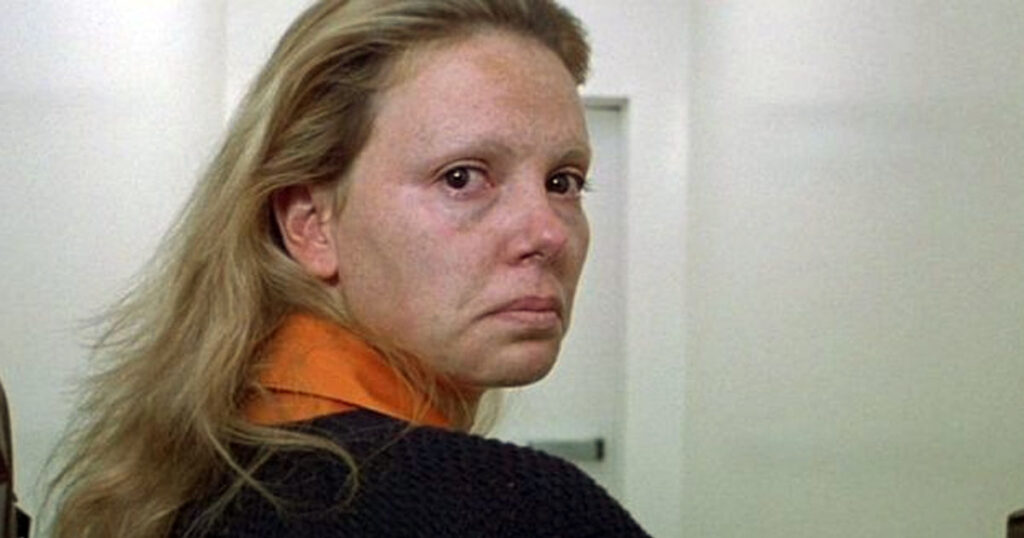
No Charlize Theron bio is complete without a deep dive into the year 2003. When director Patty Jenkins cast the gorgeous actress to play real-life serial killer Aileen Wuornos in the independent crime drama Monster, the industry was highly skeptical. Wuornos was a deeply troubled, volatile street prostitute who murdered seven men in Florida between 1989 and 1990.
To inhabit the mind and body of Wuornos, Theron underwent a grueling physical transformation. She gained 30 pounds, shaved off her eyebrows, wore heavily stained prosthetic teeth, and allowed her skin to be mottled with layers of makeup. But the transformation went far beyond the physical. Theron altered her entire posture, her gait, and the very timbre of her voice, completely disappearing into the erratic, tragic psyche of the killer.
The result was nothing short of cinematic history. Famed film critic Roger Ebert declared it “one of the greatest performances in the history of the cinema.” The industry unanimously agreed. In 2004, Theron swept the awards season, taking home the Golden Globe, the Screen Actors Guild Award, and the Academy Award for Best Actress. She became the very first South African to win an Oscar in a major acting category. Monster irrevocably changed her career trajectory; she was no longer just a movie star—她 she was a heavyweight, prestige actor.
Forging an Action Legacy
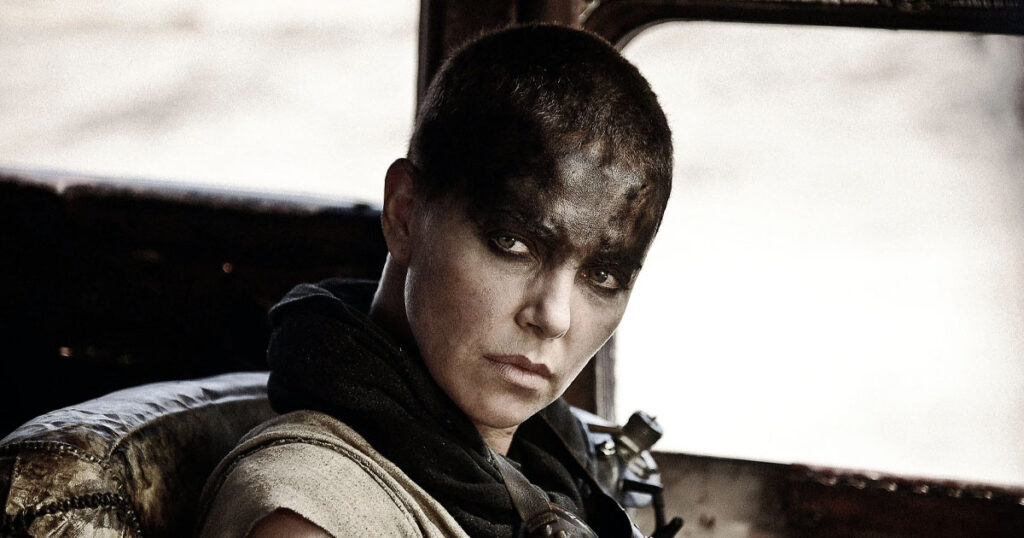
Following her Oscar win, Theron consciously pivoted toward producing and starring in high-octane action films, recognizing a severe lack of female-led blockbusters. Her portrayal of Imperator Furiosa in George Miller’s Mad Max: Fury Road (2015) became a cultural phenomenon, redefining the modern action heroine. She continued this physical dominance in films like Atomic Blonde (2017) and Netflix’s The Old Guard (2020), doing the vast majority of her own demanding stunt work.
The MCU Enigma: Clea’s Arrival and Sudden Disappearance
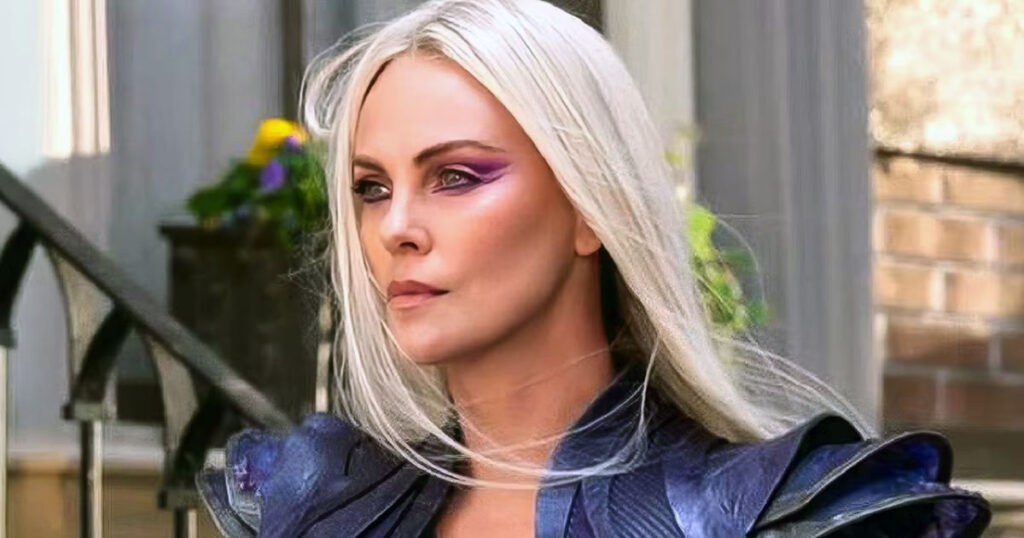
With a resume bursting with prestige dramas and massive action franchises, it seemed inevitable that the comic book world would come calling. In 2022, audiences gasped when Theron made a surprise cameo in the mid-credits scene of Marvel’s Doctor Strange in the Multiverse of Madness.
Stepping through a portal in a striking purple superhero suit, Theron was introduced as Clea, a major character from Marvel Comics lore who is traditionally a powerful sorceress and Stephen Strange’s primary love interest. She confronts Doctor Strange (Benedict Cumberbatch), telling him he caused an “incursion” and demanding he help her fix it, before ripping a hole into the Dark Dimension.
Fans were ecstatic, assuming this heralded a massive storyline for the Marvel Cinematic Universe’s Phase 5 and 6. However, as the years passed, the trail went entirely cold. Subsequent Marvel projects and announcements came and went with zero mention of Clea or Doctor Strange 3.
The abrupt disappearance of such an A-list star from the overarching MCU narrative became a running joke and a point of genuine confusion among fans. Theron herself even joked in interviews about sitting by the phone waiting for Kevin Feige to call her back. Whether her appearance was a victim of Marvel’s recent structural retooling or simply a very long-game setup remains one of the most frustrating enigmas in her otherwise meticulously planned career.
A Thrilling Return: The 2026 Netflix Hit Apex

Never one to sit idle waiting for a magical portal to reopen, Theron returned to the genre where she shines brightest: gritty, physical, survivalist thrillers. In April 2026, she headlined the highly anticipated Netflix film Apex, directed by Baltasar Kormákur.
In Apex, Theron plays Sasha, an elite rock climber paralyzed by grief after a tragic accident on Norway’s Troll Wall claims the life of her husband, Tommy (played by Eric Bana). Seeking solace and closure, she travels to the remote Wandarra National Park in the Australian outback. However, her vision quest turns into a brutal nightmare when she crosses paths with Ben, an unsettling, psychopathic local hunter played brilliantly by Taron Egerton.
What starts as a psychological slow-burn rapidly devolves into a terrifying cat-and-mouse game through the unforgiving Australian wilderness. The film demanded extreme physicality from Theron, who, at over 50 years old, trained rigorously with professional climber Beth Rodden to perform her own scaling sequences. During the New York premiere, Theron shared that her daughter August even joined her on the climbing walls during training, giving her the fearless motivation needed to conquer the role.
While some critics noted that the film’s narrative relied on familiar survival tropes, nearly every review singled out Theron’s commanding performance. She elevated what could have been a standard B-movie into a visceral, exhausting experience. As Sasha, she utilized her signature ability to convey deep, unspoken trauma solely through her eyes and body language, proving once again that she is the undisputed queen of the modern survival thriller.
Conclusion: The Enduring Legacy of a Chameleon
When examining the breadth of this Charlize Theron bio, a clear pattern emerges: she is an artist who fundamentally refuses to be comfortable. Looking at the consensus among film critics and industry peers, the true hallmark of her career isn’t just her undeniable talent, but her sheer, uncompromising grit.
From the harrowing psychological depths she plumbed in Monster to the exhausting physical endurance required for Fury Road and Apex, Theron continually weaponizes her own glamor, breaking it down to reveal the raw, often ugly truth of human survival. Even when navigating the confusing labyrinth of Hollywood franchise management—like her lingering MCU limbo—she remains entirely in control of her own narrative. By seamlessly blending the emotional weight of a character actor with the box-office draw of a traditional movie star, Charlize Theron has crafted a legacy that proves true longevity in Hollywood belongs to those brave enough to constantly reinvent themselves.