A Century of Cinema: The Best Movies by Decade (1920s – 2020s)
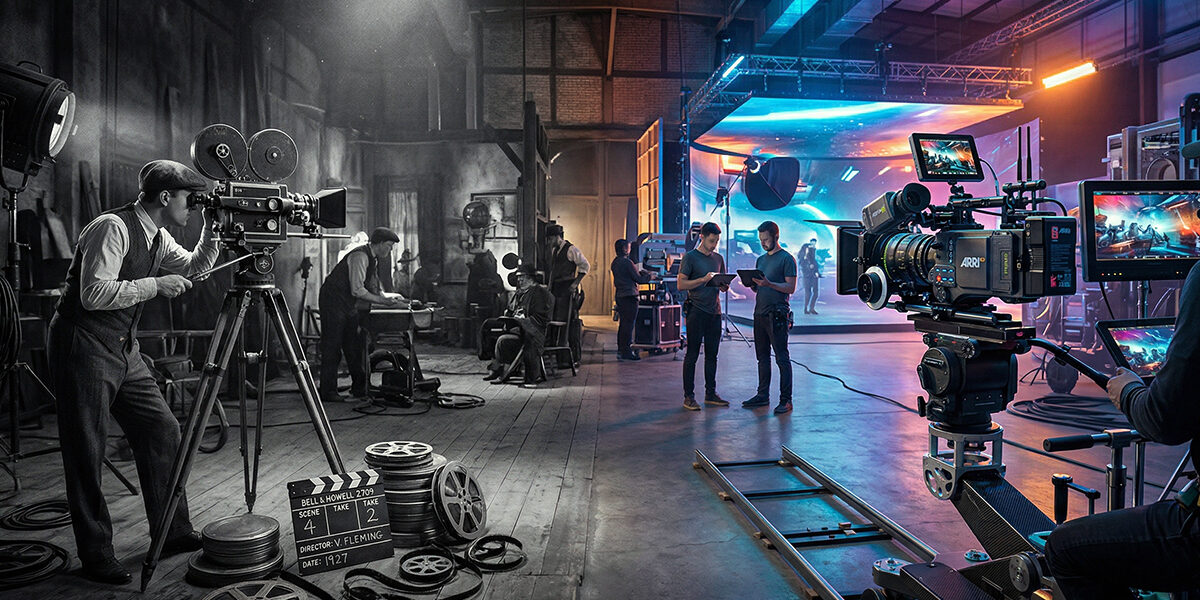
Cinema is the ultimate time machine. Every frame captured on film serves as a window into the era it was created, reflecting the culture, fears, dreams, and technological advancements of its time. Over the past century, the art of filmmaking has evolved drastically—from black-and-white silent pictures playing to live piano music, to mind-bending digital epics that transport us to other galaxies.
Whether you are a hardcore cinephile or just looking for something fantastic to watch, taking a journey through different cinematic eras is a rewarding experience. Let’s travel through time and explore the defining films and masterpieces of every decade, from the roaring 20s to the 2020s (so far).
The 1920s: The Silent Era & Visual Expression
Before sound changed the industry forever in 1927, filmmakers had to rely entirely on visual storytelling. The 1920s birthed incredible camera techniques, German Expressionism, and breathtaking set designs. It was an era of pure visual poetry.
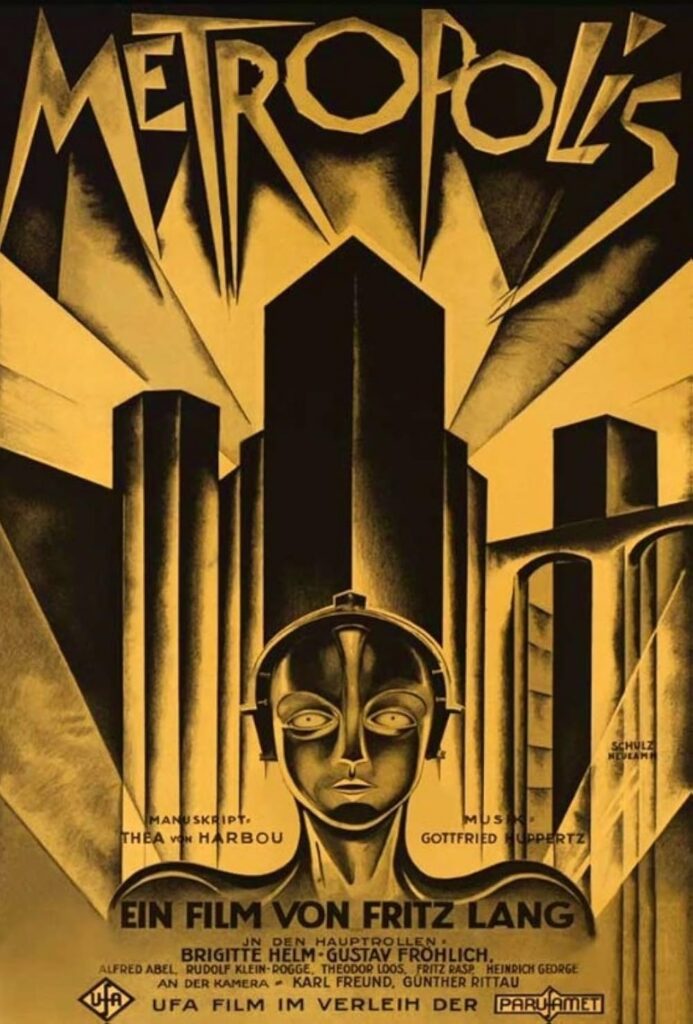
Metropolis (1927)
Fritz Lang’s Metropolis is the grandfather of the sci-fi genre. Set in a futuristic, dystopian city where the wealthy elite rule from towering skyscrapers while the working class toils underground, its visual effects and set designs were decades ahead of their time. The iconic robot “Maschinenmensch” continues to inspire pop culture today.
2 Highly Recommended Watchlist Additions:
- The Cabinet of Dr. Caligari (1920): A chilling horror film and a pinnacle of German Expressionism. Its distorted, painted sets reflect a psychological nightmare that will leave you unsettled.
- The General (1926): Buster Keaton’s silent comedy masterpiece. The physical comedy and insanely dangerous, practical stunt work involving real moving trains remain jaw-dropping even today.
The 1930s: The Talkies & Pre-Code Hollywood
The introduction of synchronized sound flipped Hollywood upside down. The 1930s saw the rapid rise of fast-talking comedies, monster movies, and grand studio spectacles as the world sought escapism during the Great Depression.
The Wizard of Oz (1939)
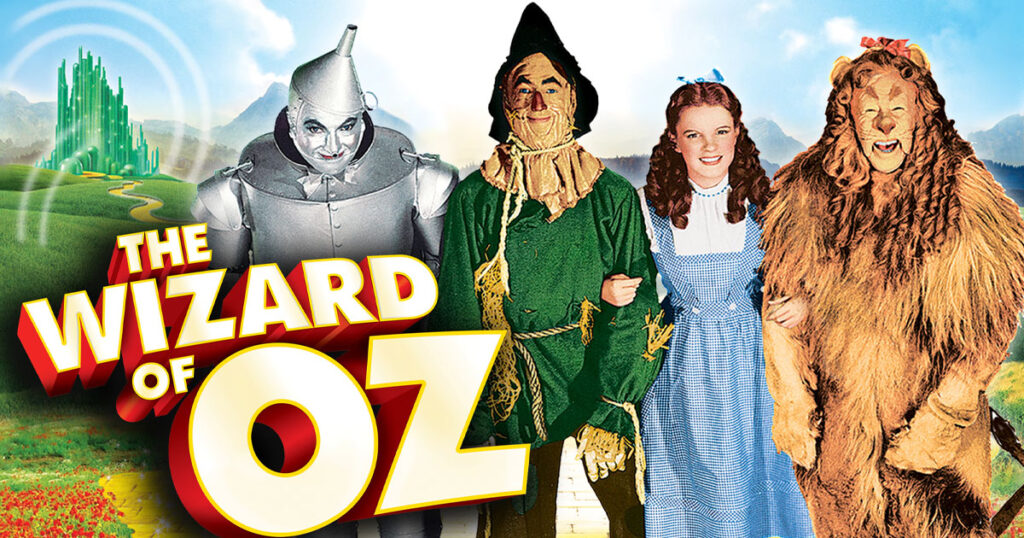
1939 is often considered the greatest single year in cinematic history, and The Wizard of Oz is its shining star. The transition from sepia-toned Kansas to the vibrant, full-color world of Oz is one of the most magical moments ever put on film. With unforgettable music and enduring themes, it is a timeless classic.
2 Highly Recommended Watchlist Additions:
- City Lights (1931): Charlie Chaplin refused to let the silent film die just yet. This hilarious yet profoundly touching story of the Tramp falling in love with a blind flower girl ends with arguably the greatest final shot in movie history.
- It Happened One Night (1934): The blueprint for every romantic comedy that followed. Clark Gable and Claudette Colbert’s sparkling chemistry won this film all five major Academy Awards.
The 1940s: The Golden Age & Film Noir
Defined by the shadow of World War II, the 1940s brought the peak of the studio system. It also birthed Film Noir—stylish, cynical, and shadow-drenched crime dramas reflecting the psychological anxieties of the time.
Casablanca (1942)
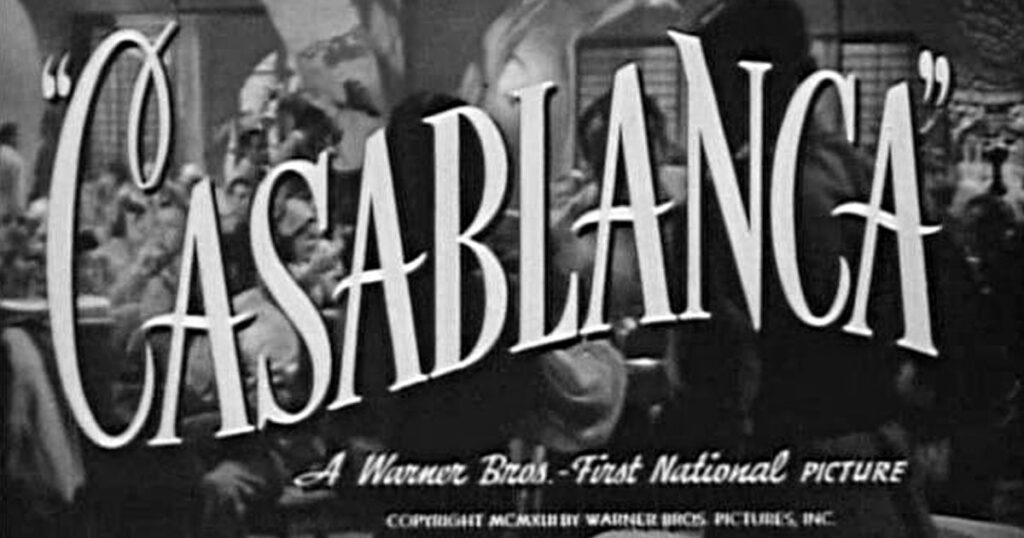
It is almost impossible to talk about the 1940s without tipping our hats to Casablanca. Starring Humphrey Bogart and Ingrid Bergman, it perfectly blends sweeping romance with wartime political intrigue. With infinitely quotable dialogue (“Here’s looking at you, kid”), it is the quintessential Hollywood classic.
2 Highly Recommended Watchlist Additions:
- Citizen Kane (1941): Orson Welles’ debut revolutionized cinematography, lighting, and narrative structure. Often cited as the greatest film ever made.
- Bicycle Thieves (1948): A defining work of Italian Neorealism. This deeply moving story about a father and son searching for a stolen bicycle in post-war Rome will break your heart.
The 1950s: Technicolor Epics & The Auteur
To combat the rising popularity of television, movies got bigger, wider, and more colorful. Simultaneously, international cinema flourished, and the concept of the director as an “auteur” (the primary author of the film) took hold.
Seven Samurai (1954)
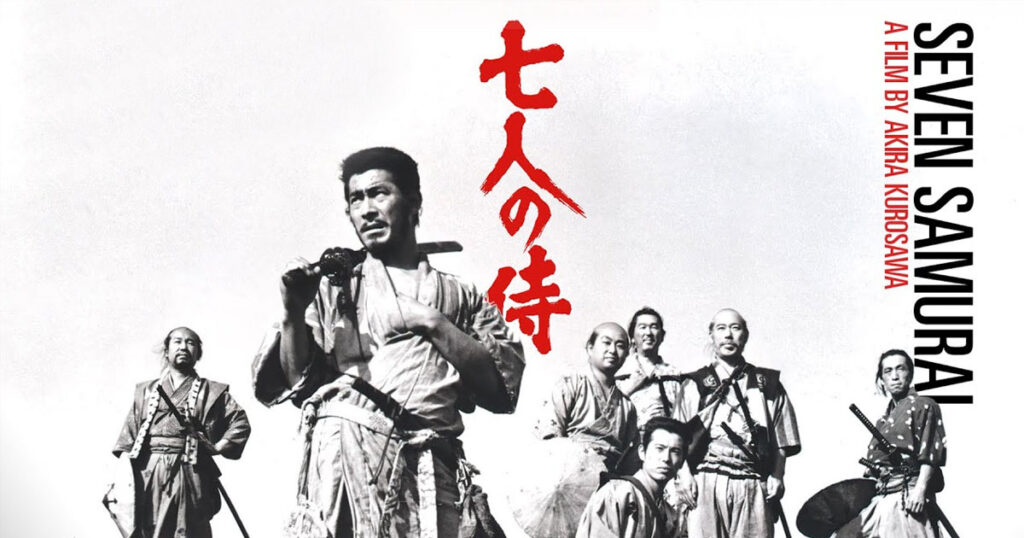
Akira Kurosawa’s monumental epic about a poor village hiring a group of masterless samurai for protection changed action cinema forever. Its influence can be seen in everything from The Magnificent Seven to Star Wars to The Avengers. It is a masterclass in character building and kinetic action.
2 Highly Recommended Watchlist Additions:
- Vertigo (1958): Alfred Hitchcock’s mesmerizing, psychological thriller about obsession, fear, and manipulation, wrapped in a beautiful, dizzying visual style.
- 12 Angry Men (1957): A gripping courtroom drama that takes place almost entirely in one sweltering room. A brilliant study of prejudice, human nature, and the justice system.
The 1960s: New Hollywood & Cultural Shifts
The 1960s was a decade of massive social upheaval, and cinema reflected this rebellion. The old studio system was crumbling, giving way to rule-breaking directors, darker themes, and unprecedented cinematic experimentation.
2001: A Space Odyssey (1968)
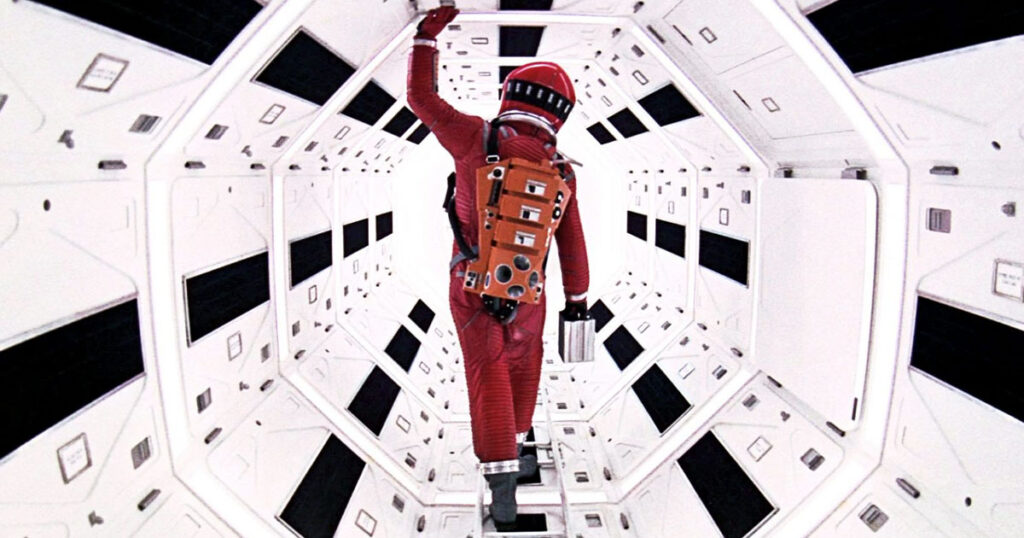
Stanley Kubrick’s sci-fi epic is less of a movie and more of an experience. Released before humans even landed on the moon, its special effects are still staggeringly realistic today. It is a philosophical journey through human evolution, artificial intelligence, and the vast unknown.
2 Highly Recommended Watchlist Additions:
- Psycho (1960): Hitchcock broke every rule in the book by killing off his main star early on. This film birthed the modern slasher genre and made everyone terrified of taking a shower.
- The Good, the Bad and the Ugly (1966): Sergio Leone’s ultimate “Spaghetti Western.” With Ennio Morricone’s iconic score and Clint Eastwood’s ultimate cool-guy persona, it is a cinematic triumph.
The 1970s: The Gritty Masterpieces
Many critics consider the 1970s the greatest decade in American film. Directors had unprecedented creative control, resulting in gritty, morally ambiguous masterpieces that explored corruption, paranoia, and flawed anti-heroes.
The Godfather (1972)
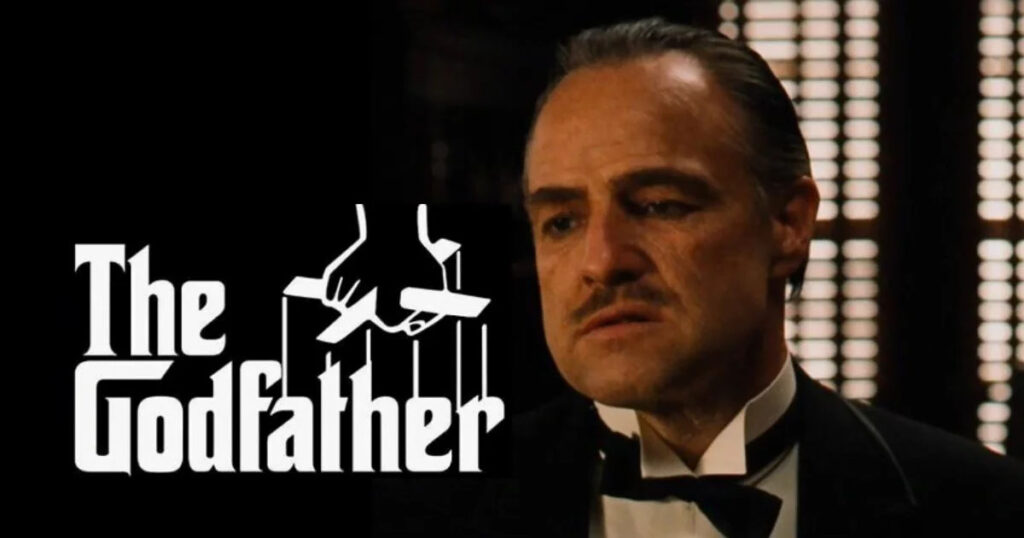
Francis Ford Coppola’s adaptation of Mario Puzo’s novel is the gold standard of cinema. This sprawling, tragic epic about the Corleone crime family’s transfer of power is flawless in its execution, featuring legendary performances by Marlon Brando and Al Pacino.
2 Highly Recommended Watchlist Additions:
- Taxi Driver (1976): Martin Scorsese’s gritty dive into the mind of an isolated, insomniac Vietnam vet (Robert De Niro) navigating the rotting streets of 70s New York.
- Star Wars: Episode IV – A New Hope (1977): George Lucas completely changed the industry overnight, creating the modern blockbuster and a mythology that conquered the globe.
The 1980s: The Blockbuster Era & Pop Culture
The 80s were loud, fun, and larger than life. It was the era of high-concept blockbusters, action superstars, teen comedies, and the birth of franchise filmmaking that dominated the global box office.
Raiders of the Lost Ark (1981)
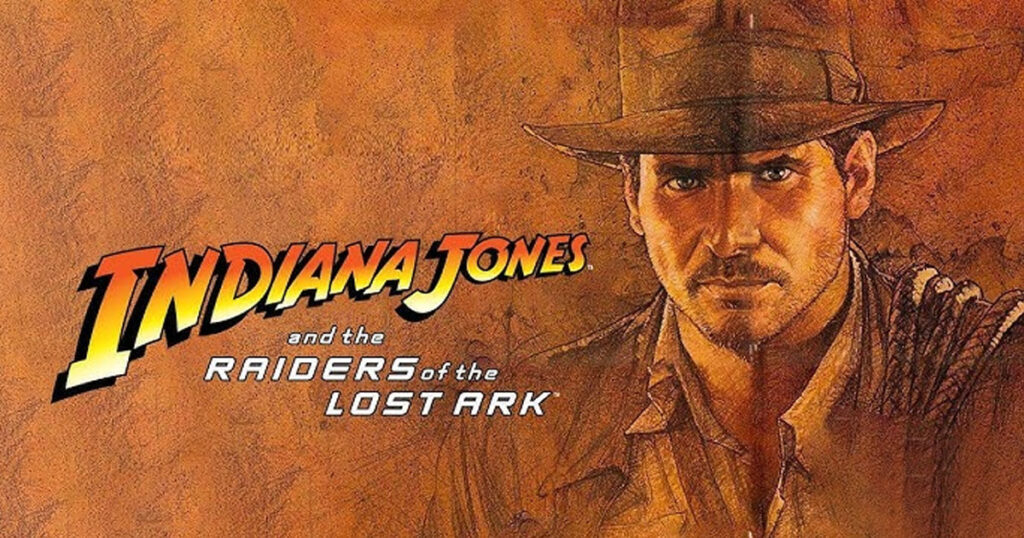
Steven Spielberg and George Lucas teamed up to create the perfect action-adventure film. Harrison Ford’s Indiana Jones is the ultimate cinematic hero. From the rolling boulder to the face-melting finale, it’s a masterclass in pacing, practical stunts, and pure entertainment.
2 Highly Recommended Watchlist Additions:
- Blade Runner (1982): Ridley Scott’s neo-noir cyberpunk masterpiece was underappreciated upon release but has since become one of the most influential sci-fi films ever made.
- The Empire Strikes Back (1980): The rare sequel that surpasses the original. It took the Star Wars saga into darker, more emotional territory and delivered the ultimate plot twist.
The 1990s: The Indie Boom & CGI Evolution
The 90s saw a massive shift in how movies were made. Independent cinema exploded into the mainstream, bringing fresh, unconventional voices. Meanwhile, studio blockbusters heavily incorporated groundbreaking CGI that changed visual effects forever.
Pulp Fiction (1994)
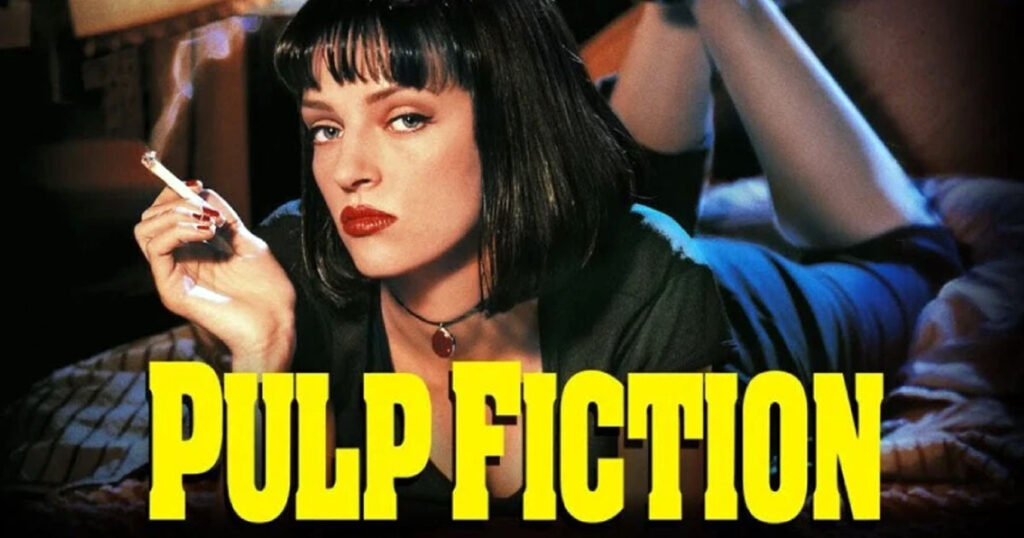
Quentin Tarantino’s Pulp Fiction hit the 1990s like a cinematic lightning bolt. With its non-linear storyline, razor-sharp pop-culture dialogue, and unforgettable soundtrack, it’s a film that defined the “cool” factor of the decade and revitalized indie filmmaking.
2 Highly Recommended Watchlist Additions:
- The Matrix (1999): The Wachowskis redefined sci-fi action with breathtaking visual effects (“bullet time”) and a deep philosophical narrative about reality and technology.
- The Shawshank Redemption (1994): A celebration of hope and friendship that found its audience on home video to become one of the most beloved and highly-rated films of all time.
The 2000s: Fantasy Epics & The Digital Revolution
As we entered the new millennium, filmmaking moved rapidly from celluloid to digital. The 2000s were dominated by massive fantasy and superhero epics, allowing filmmakers to visualize worlds that were previously impossible to film.
The Lord of the Rings: The Return of the King (2003)
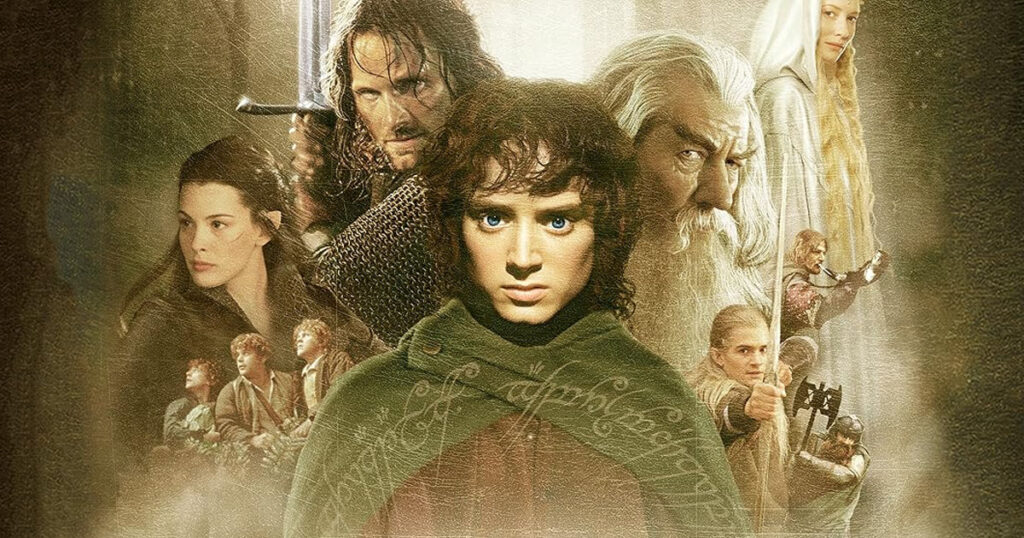
Peter Jackson achieved the impossible. The grand finale of his Middle-earth trilogy is a towering achievement in filmmaking, blending emotional depth with spectacular, massive-scale battles. It rightfully swept the Oscars, winning all 11 awards for which it was nominated.
2 Highly Recommended Watchlist Additions:
- The Dark Knight (2008): Christopher Nolan proved that superhero movies could be profound, Oscar-worthy crime dramas. Heath Ledger’s Joker is an all-time great cinematic villain.
- Spirited Away (2001): Hayao Miyazaki’s breathtakingly imaginative animated masterpiece about a young girl trapped in a spirit world. It remains a pinnacle of hand-drawn animation.
The 2010s: Auteurs & The Global Stage
The 2010s were a fascinating decade of extremes. While dominated by massive, serialized mega-franchises (like the MCU), it was also an incredible era for visionary “auteur” directors. Furthermore, international cinema finally broke into the mainstream Western consciousness.
Parasite (2019)
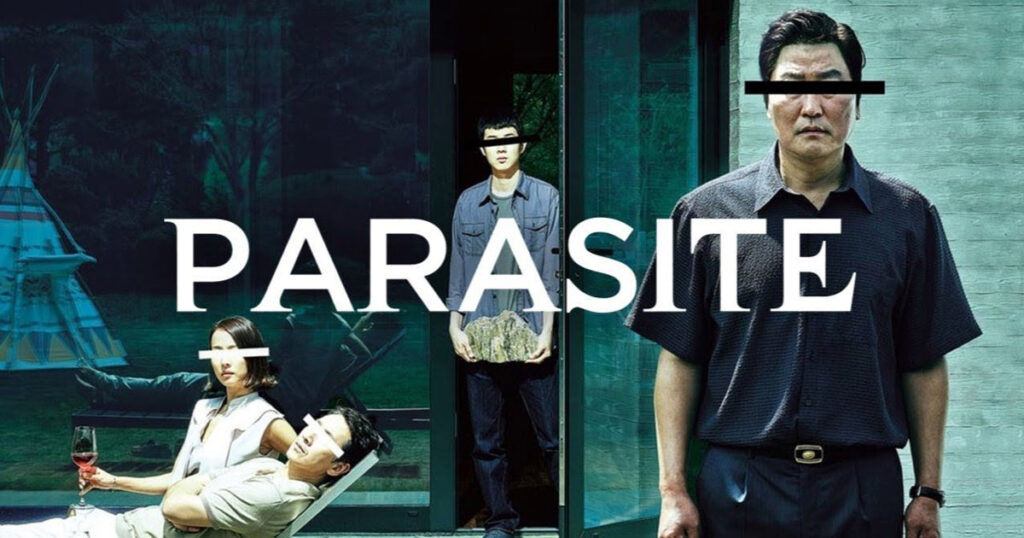
Bong Joon-ho’s Parasite is a cinematic miracle. Making history as the first non-English language film to win Best Picture, this South Korean dark comedy-thriller is a razor-sharp critique of class disparity. The way it seamlessly shifts from comedy to thriller to tragedy is pure genius.
2 Highly Recommended Watchlist Additions:
- Mad Max: Fury Road (2015): George Miller delivered arguably the greatest action movie ever made—a relentless, visually stunning chase relying on breathtaking practical effects.
- Whiplash (2014): An intense, sweat-inducing drama about an ambitious jazz drummer and his abusive instructor that plays out like a high-stakes thriller.
The 2020s (So Far): The Streaming Era & Post-Pandemic Cinema
The current decade began with the unprecedented challenge of a global pandemic, accelerating the dominance of streaming platforms. Yet, cinema has proven resilient, with audiences flocking back to theaters for event films that demand a massive screen and communal experience.
Everything Everywhere All at Once (2022)
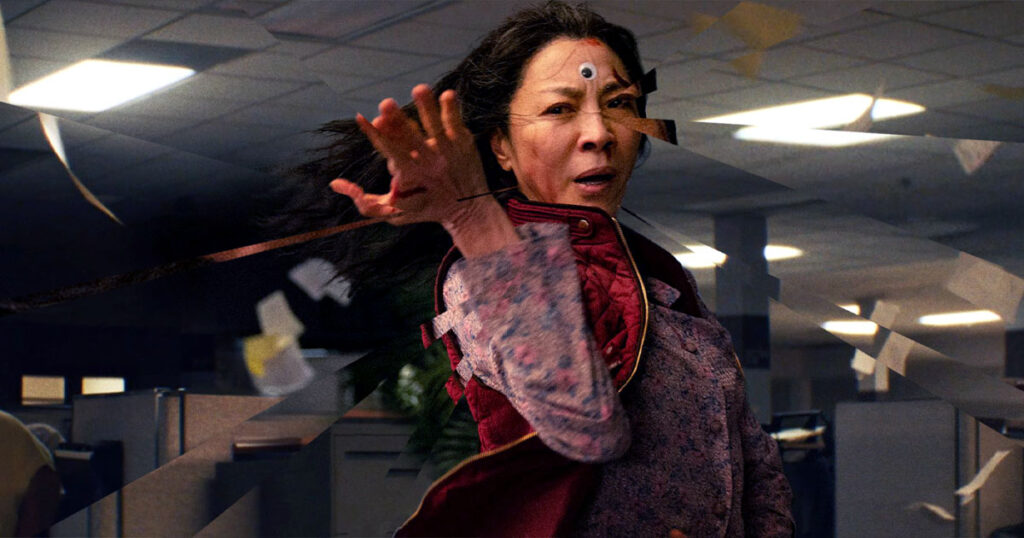
A film that perfectly captures the overwhelming, chaotic energy of the internet age. The Daniels crafted an absurd, hilarious, and deeply moving martial-arts sci-fi about the multiverse, anchored by a beautiful story about generational trauma and a mother’s love for her daughter. It completely swept the globe and the Oscars.
2 Highly Recommended Watchlist Additions:
- Oppenheimer (2023): Christopher Nolan’s towering, tense, and terrifying biopic about the father of the atomic bomb. A masterclass in editing, sound design, and acting.
- Dune: Part Two (2024): Denis Villeneuve fully realized the massive, sandy epic of Frank Herbert’s universe, delivering a visually staggering sci-fi blockbuster that demands to be seen on the biggest screen possible.
What are your favorite movies from these decades? Did we miss a classic that you love? Let us know in the comments below!