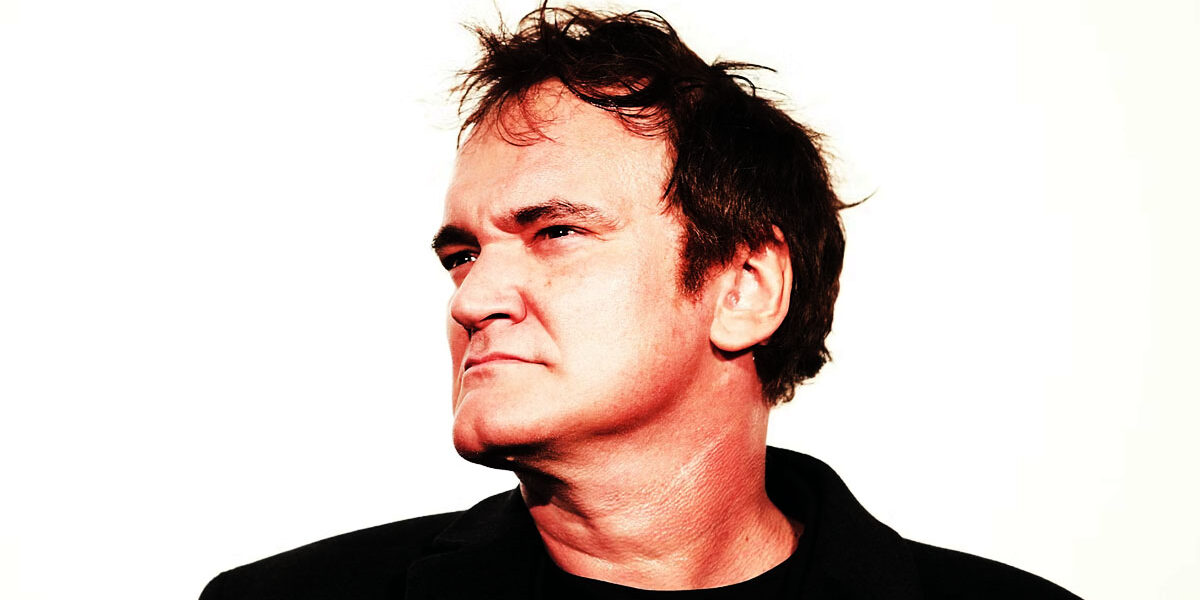
From the dusty shelves of a Californian video rental store to the glittering stages of the Academy Awards, Journey of Quentin Tarantino is one of the most remarkable and scrutinized in modern cinematic history. His films are instantly recognizable: violently poetic, dialogue-drenched, non-linear, and unapologetically steeped in pop culture homage. He isn’t just a director; he’s a distinct genre unto himself. This article delves into the life, the passion, and the idiosyncratic brilliance of the man who reshaped independent cinema.
The Genesis of an Obsession: The Video Archives Era
Quentin Tarantino wasn’t forged in the hallowed halls of film school. His education was strictly practical, absorbed through endless hours in front of a screen. Born in Knoxville, Tennessee, but raised in Los Angeles County, his youth was steeped in the eclectic programming of local television and the gritty allure of exploitation double features.
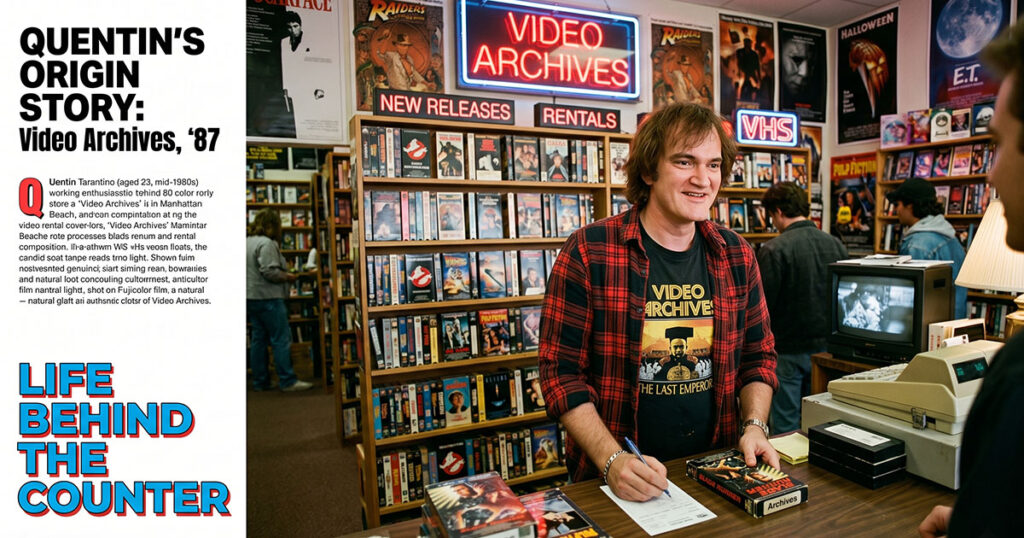
However, the true crucible of his talent was the Video Archives in Manhattan Beach, California. Working there in the 1980s alongside fellow film obsessives (including future collaborator Roger Avary), Quentin Tarantino consumed movies with a voracious appetite. He didn’t just watch them; he dissected them. He absorbed French New Wave, spaghetti westerns, martial arts flicks, blaxploitation, and obscure European horror, filing them away in his formidable mental encyclopedia.
This environment provided more than just an education; it was a testing ground. Arguing about cinema with customers and colleagues honed his understanding of what audiences responded to, what thrilled them, and what bored them. The stylized, hyper-verbal dialogue that would later become his trademark was born in these passionate, profane video store debates. He wasn’t just working a retail job; he was curating his future.
Exploding onto the Scene: Reservoir Dogs and the Indie Revolution
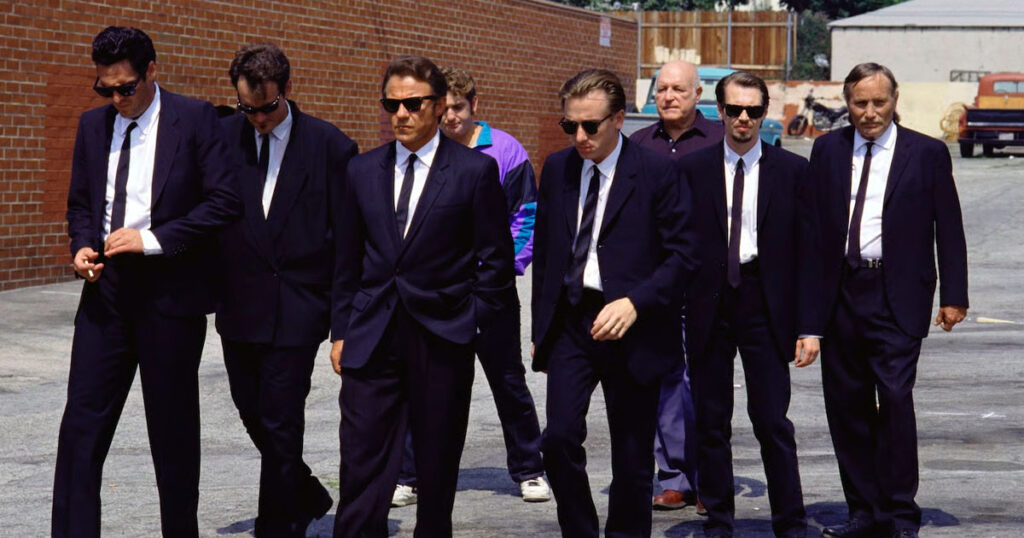
The script for True Romance (eventually directed by Tony Scott) and the story for Natural Born Killers (directed by Oliver Stone) brought him initial attention and crucial funding. But it was his directorial debut, Reservoir Dogs (1992), that hit the Sundance Film Festival like a cinematic hand grenade.
This brutally intense heist movie—where the heist is never shown—rewrote the rules. It featured men in sharp black suits engaging in mundane, pop-culture-laden conversations before descending into shocking violence. The non-linear narrative, the unforgettable soundtrack (repurposing 70s hits), and the fearless performances (notably Harvey Keitel, Tim Roth, and Michael Madsen) signaled the arrival of a fully formed auteur. It was a shot of adrenaline into the heart of early-90s independent film.
The Masterpiece: Pulp Fiction
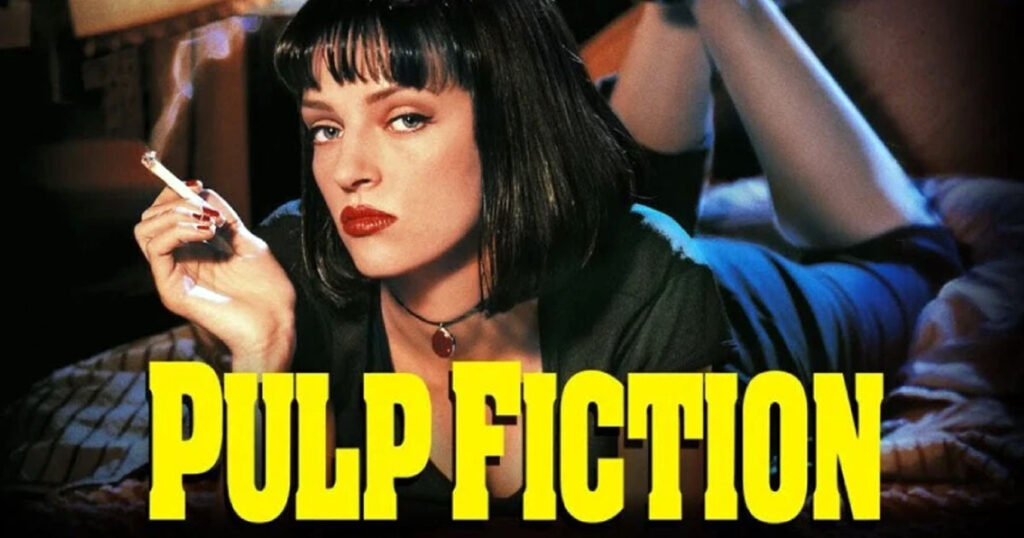
If Reservoir Dogs was a warning shot, Pulp Fiction (1994) was the atomic blast. It’s difficult to overstate the cultural impact of this film. It didn’t just win the Palme d’Or at Cannes and an Academy Award for Best Original Screenplay; it became the defining film of the decade.
Weaving three interconnected stories of Los Angeles criminals, Pulp Fiction elevated the mundane to the mythical. The discussions about French McDonald’s (“Royale with Cheese”) became as iconic as the stylized dance sequence at Jack Rabbit Slims or the shocking adrenaline shot scene.
Crucially, Pulp Fiction cemented Tarantino’s reputation for career resurrection. John Travolta, whose star power had significantly waned, was brilliantly cast as the heroin-addicted hitman Vincent Vega, instantly revitalizing his career. Tarantino’s uncanny ability to see the untapped or forgotten potential in actors became a hallmark of his casting process.
The Ten-Film Promise: Nine Deep Dives and the Elusive Finale
Quentin Tarantino famously declared he would direct only ten films before retiring, aiming to leave behind a pristine, curated filmography. To date, he has completed nine (counting Kill Bill as one collective work, as he insists). Each film is a deep dive into a specific genre, filtered through his unique sensibility.
- Reservoir Dogs (1992): The Heist Movie.
- Pulp Fiction (1994): The Crime Anthology.
- Jackie Brown (1997): The Blaxploitation Homage/Elmore Leonard Adaptation. (Often considered his most mature and emotionally resonant film).
- Kill Bill: Vol. 1 & 2 (2003/2004): The Martial Arts/Revenge Epic. A dizzying mashup of samurai films, anime, and spaghetti westerns.
- Death Proof (2007): The Slasher/Car Chase Movie. (Part of the Grindhouse double feature with Robert Rodriguez).
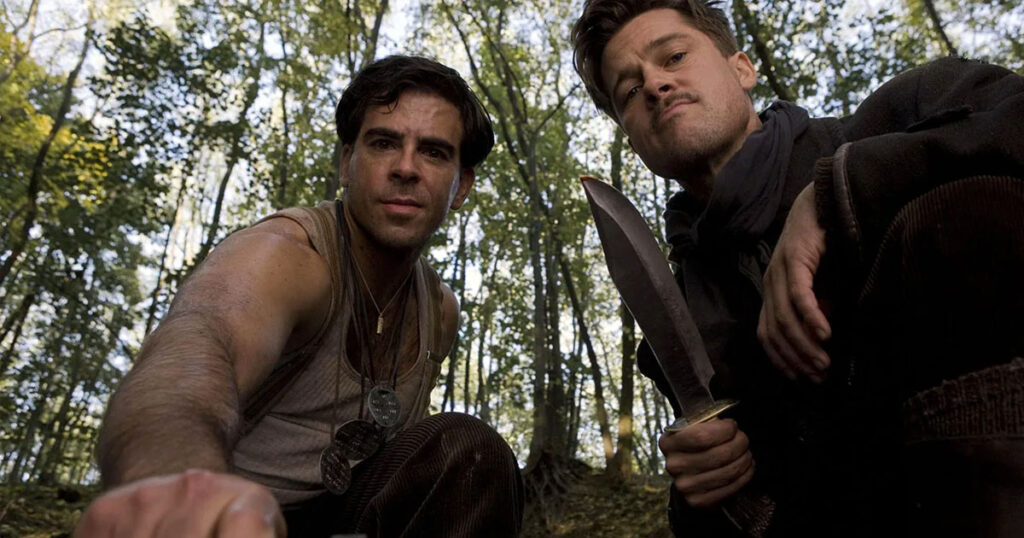
- Inglourious Basterds (2009): The Men-on-a-Mission/Alternate History War Film.
- Django Unchained (2012): The Southern/Spaghetti Western.
- The Hateful Eight (2015): The Snowbound Mystery/Western.
- Once Upon a Time… in Hollywood (2019): The Hollywood Fairy Tale/Hangout Movie.
The film world has long awaited his tenth and final statement. For a significant period, it was announced to be The Movie Critic, set in 1970s California and reportedly based on a real-life, cynical film reviewer. Brad Pitt was rumored to be starring.
However, in a surprising turn of events in early 2024, Quentin Tarantino abruptly abandoned the project. Reports indicated he simply decided the script wasn’t the right note to end his directorial career on. This cancellation has reignited fierce speculation. Will his final film be a completely new original idea? A continuation of a previous story (like the long-rumored Kill Bill Vol. 3)? Or perhaps a venture into a genre he hasn’t fully explored, like science fiction or a full-fledged horror film? The mystery surrounding this tenth film only adds to the immense anticipation.
The Quentin Tarantino Touch: Trademarks and Controversies
To watch a Quentin Tarantino film is to inhabit a specific universe. His style is characterized by several distinct trademarks:
- Symphonic Dialogue: His characters speak in highly stylized, rhythmic, and often profane paragraphs, blending deep philosophy with trivial pop culture observations.
- The Soundtrack as a Character: Tarantino rarely uses original scores, preferring to curate needle-drops from his extensive vinyl collection, often resurrecting forgotten tracks and inextricably linking them to unforgettable scenes (e.g., Stealers Wheel’s “Stuck in the Middle with You” in Reservoir Dogs).
- Non-Linear Storytelling: He frequently fractures timelines, requiring the audience to piece the narrative puzzle together.
- The “Trunk Shot”: A low-angle shot looking up at characters from inside the trunk of a car.
- The Foot Fetish: Perhaps his most notorious and frequently discussed visual trademark. Extreme close-ups of women’s bare feet appear in almost all of his films, a personal predilection he unapologetically incorporates into his art.
His work is not without significant controversy. The intense, stylized violence in his films has sparked endless debates about its impact on society. Furthermore, his frequent and controversial use of racial slurs, particularly in films like Jackie Brown and Django Unchained, has drawn sharp criticism from figures like Spike Lee, though defended by actors like Samuel L. Jackson. Tarantino maintains that he writes authentic dialogue for the specific characters and worlds he creates, refusing to self-censor.
Star Maker and Career Revitalizer
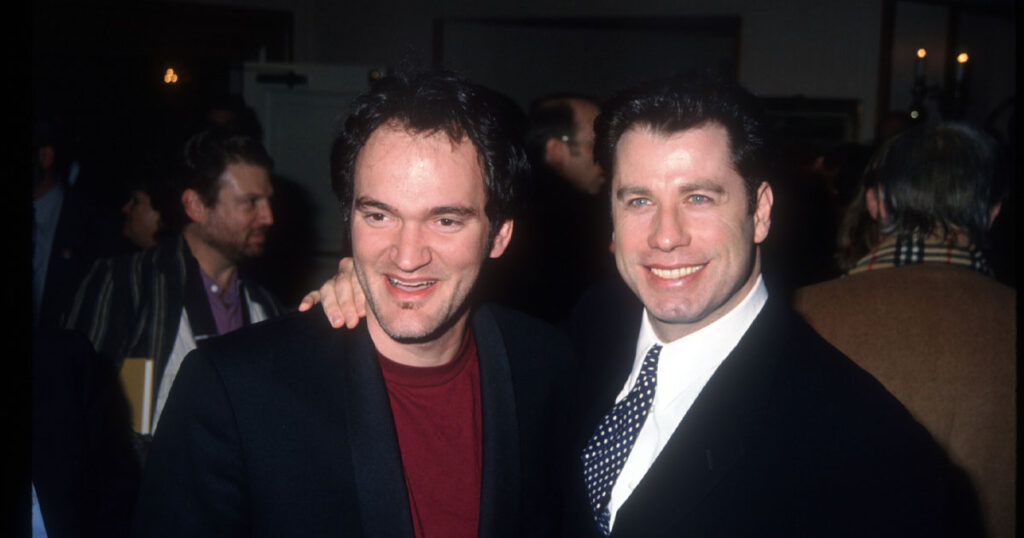
Tarantino’s impact on actors’ careers is legendary. Beyond the miraculous resurrection of John Travolta, he has a knack for finding the perfect performer for his eccentric characters.
No actor exemplifies this better than Christoph Waltz. Before Inglourious Basterds, Waltz was a respected but largely unknown working actor in Europe. Cast as the terrifyingly charming SS Colonel Hans Landa, Waltz delivered a performance for the ages, winning the Academy Award for Best Supporting Actor. He repeated the feat three years later as Dr. King Schultz in Django Unchained. Tarantino didn’t just cast Waltz; he provided him with the words that unleashed his genius on a global stage.
He also cultivated a reliable repertory company, frequently collaborating with Samuel L. Jackson (the undisputed king of delivering Tarantino dialogue), Uma Thurman (his proclaimed “muse”), Harvey Keitel, Tim Roth, and Michael Madsen.
The Brotherhood: Robert Rodriguez
Tarantino’s career is closely intertwined with that of fellow independent pioneer Robert Rodriguez. Emerging around the same time (Rodriguez with the ultra-low-budget El Mariachi), the two formed a lasting friendship based on a shared love of exploitation cinema and a rebellious, independent spirit.
Their collaboration is extensive. Quentin Tarantino acted in Rodriguez’s Desperado and From Dusk Till Dawn (which Tarantino also wrote). He served as a “Special Guest Director” for one scene in Rodriguez’s Sin City. Their ultimate collaborative homage to 1970s exploitation cinema was the ambitious, though commercially disappointing, double feature Grindhouse (2007), consisting of Rodriguez’s Planet Terror and Tarantino’s Death Proof. Their relationship represents a rare, enduring brotherhood in the cutthroat world of Hollywood.
Conclusion: A Legacy Written in Blood and Celluloid
Quentin Tarantino is a polarizing figure—a genius to many, a provocateur to some. But his influence is undeniable. He proved that an obsessive love for cinema, regardless of how “lowbrow” the source material might be considered, could be channeled into high art. He brought the edge of the grindhouse to the mainstream multiplex.
As we await his final cinematic statement, we can look back at a filmography that changed the way movies sound, the way they are structured, and the way they feel. He built an empire not by conforming to Hollywood standards, but by forcing Hollywood to adapt to his own singular, unapologetically passionate vision. Whether he truly retires after his next film or not, the “Tarantinoesque” style is forever etched into the DNA of cinema.