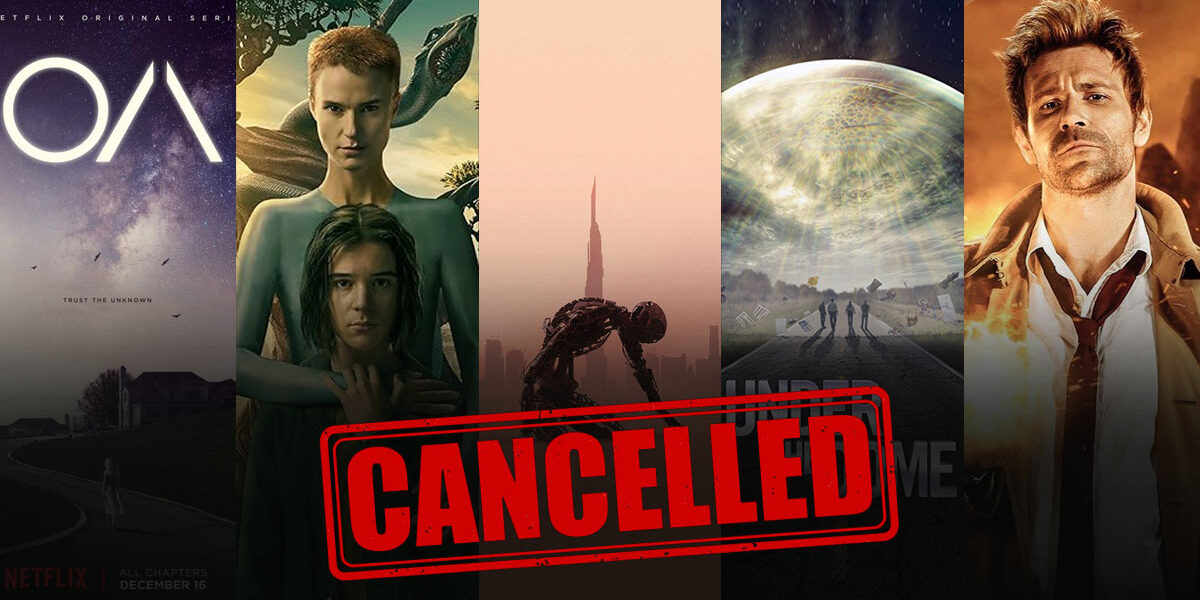
There is a unique kind of heartbreak reserved specifically for television fans. You know the feeling: you discover a brilliant new series, fall deeply in love with its characters, and spend countless hours binge-watching the episodes. The lore expands, the stakes get higher, and you are entirely invested in the universe the creators have built. But then, as the seasons progress, something shifts. The writing might go off the rails, the budget might get slashed, or perhaps the storyline simply becomes too convoluted for the general audience to follow.
Then comes the ultimate betrayal. Just as a season ends on a mind-blowing, world-shattering cliffhanger—designed specifically to guarantee your return for the next season—the network or streaming platform drops the axe. The show is cancelled. No closure. No final farewell. Just an eternal, unresolved mystery that haunts forums and fan communities for years to come.
In the modern era of ruthless streaming metrics and fierce network competition, this happens more often than we would like. Today, we are taking a painful trip down memory lane to look at 15 popular cancelled TV shows that started off with incredible promise, eventually lost their way (or just got incredibly unlucky), and were abruptly axed, leaving behind some of the most frustrating cliffhangers in television history.
1. Westworld (2016–2022)
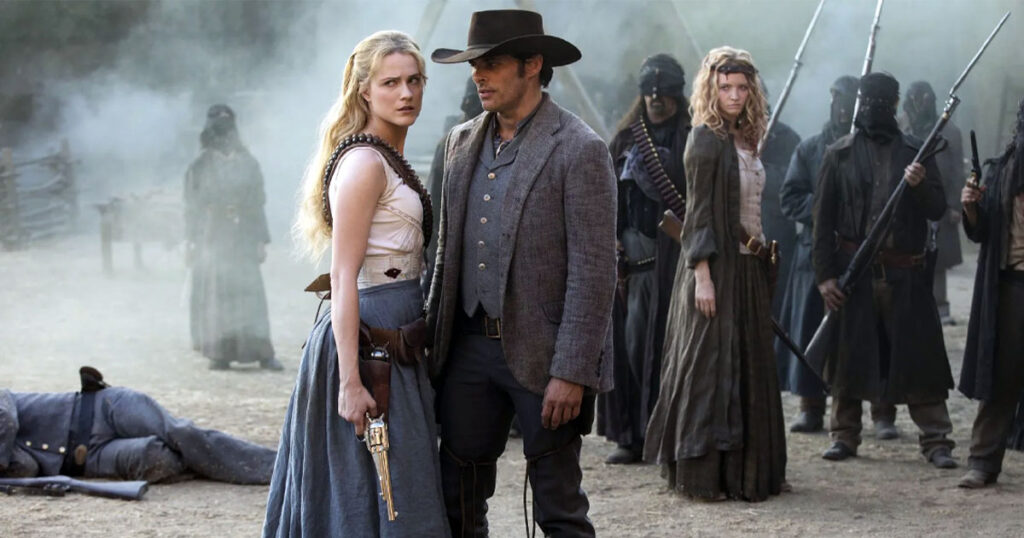
When HBO debuted Westworld, it was hailed as the next Game of Thrones. Created by Jonathan Nolan and Lisa Joy, the first season was a flawless masterpiece of science fiction. Set in an immersive, high-tech Wild West theme park populated by incredibly lifelike androids (hosts), it offered profound philosophical questions about consciousness, free will, and morality. The maze, the twists, and the timeline reveals were perfectly executed.
However, many fans mistakenly believed the show was only meant to be a single season and was stretched for profit. In reality, the creators had a massive, five-season blueprint from day one. The problem arose when the hosts escaped the park. In seasons 3 and 4, the narrative expanded into the real world. The show transformed from a gritty, thought-provoking Western into a highly complex, visually cold cyberpunk dystopia. The convoluted plotlines alienated the original fanbase, and viewership steadily declined.
Despite Nolan and Joy’s pleas to HBO for a fifth and final season to wrap up their grand design, the network cancelled it due to high production costs. The series ended with Dolores initiating one final “game” in the Sublime, leaving fans with an unresolved simulation loop that will never see its true conclusion.
2. Heroes (2006–2010)
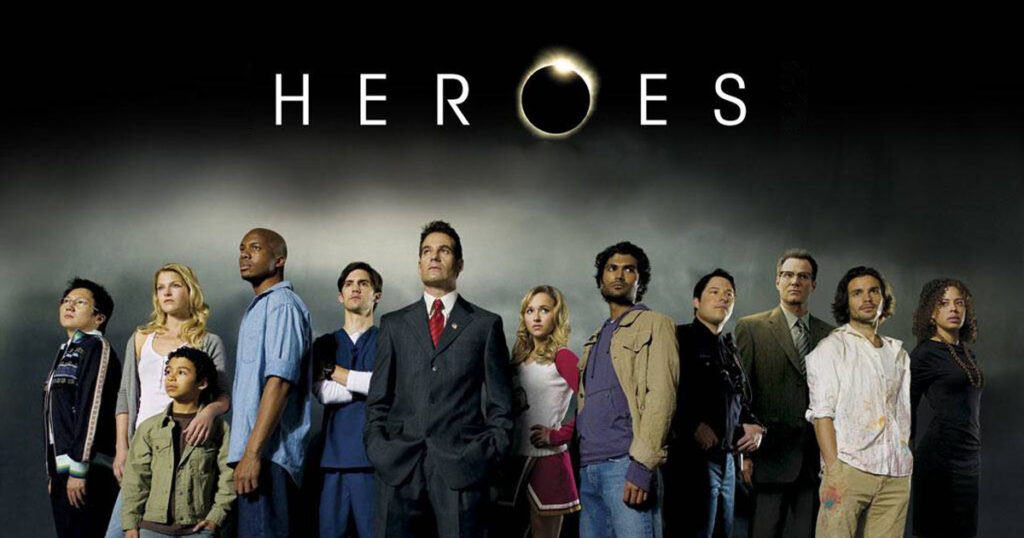
“Save the cheerleader, save the world.” In 2006, you couldn’t go anywhere without hearing that iconic catchphrase. Heroes was a global phenomenon, offering a fresh, grounded take on ordinary people discovering superhuman abilities.
The tragic downfall of Heroes is a legendary Hollywood cautionary tale. Creator Tim Kring originally pitched the show as an anthology series. The plan was to wrap up the storyline in season one and introduce an entirely new cast of characters for season two. However, characters like Peter Petrelli, Sylar, and Claire Bennet became massive pop-culture icons. NBC, wanting to capitalize on their popularity, forced Kring to abandon the anthology idea and keep the original cast.
As if rewriting the series wasn’t hard enough, Heroes fell victim to the devastating 2007–2008 Writers Guild of America strike. Season two was drastically cut short, rushed, and poorly written. The narrative momentum was entirely destroyed, and the plot went completely off the rails with bizarre time-travel paradoxes and confusing character motivations. Viewership tanked, leading to its cancellation after season four. The series ended with Claire Bennet jumping off a Ferris wheel to publicly expose the existence of evolved humans to the world—a massive cliffhanger that was never properly followed up.
3. Altered Carbon (2018–2020)
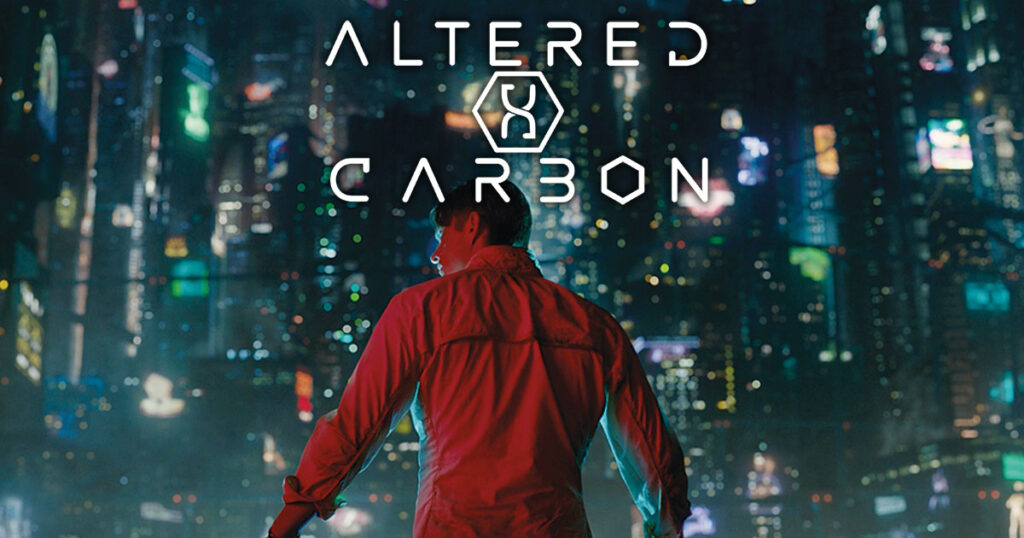
Based on Richard K. Morgan’s cyberpunk novel, Netflix’s Altered Carbon was a visual marvel. The first season was a gritty, neon-soaked neo-noir detective story set in a future where human consciousness is digitized into “stacks” and can be transferred into different bodies, known as “sleeves.” Starring Joel Kinnaman as the hardened envoy Takeshi Kovacs, the show was brutal, sexy, and philosophical.
The premise inherently meant that the lead actor could change, which happened in season two when Anthony Mackie took over the role. Unfortunately, the transition did not go smoothly. Season two suffered from noticeable budget cuts, resulting in a downgrade in the breathtaking visuals that made the first season famous. The writing shifted from a complex murder mystery to a rather generic sci-fi rebellion plot. The intensity and the grim atmosphere vanished, leaving many viewers bored.
Due to the declining viewership not justifying the hefty production costs, Netflix pulled the plug. Takeshi Kovacs’ centuries-long journey to find his lost love and confront the ruling elite was abruptly halted right in the middle of his emotional arc.
4. Sleepy Hollow (2013–2017)
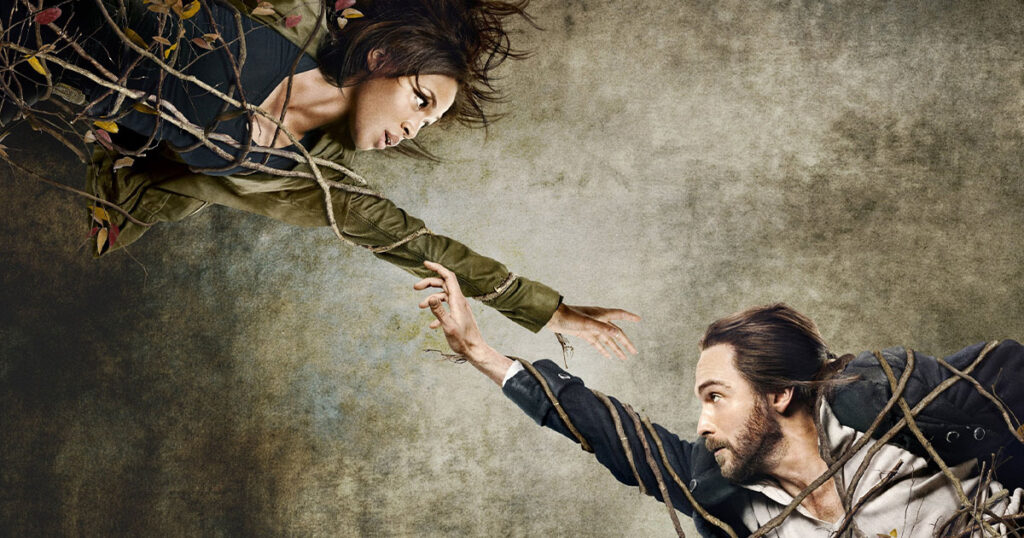
Fox’s Sleepy Hollow was one of the biggest surprises of 2013. Taking the classic Washington Irving tale of Ichabod Crane and the Headless Horseman and turning it into a modern-day supernatural procedural was a massive risk that paid off beautifully. The show’s greatest strength was the undeniable, electric chemistry between the time-displaced Ichabod Crane (Tom Mison) and modern-day police lieutenant Abbie Mills (Nicole Beharie).
For the first two seasons, the show was wildly entertaining. But as the series dragged into its third season, the writers seemed to completely run out of creative steam. The overarching mythology became laughably convoluted, and the show started sidelining Abbie Mills in favor of uninteresting side characters.
The fatal blow came at the end of season three when the writers made the baffling decision to kill off Abbie Mills. The fanbase was outraged, and viewership plummeted. Despite attempting a soft reboot in season four with a new partner for Ichabod, the magic was gone. The network finally cancelled it, leaving newly introduced demonic threats and plotlines dead in the water.
5. Raised by Wolves (2020–2022)
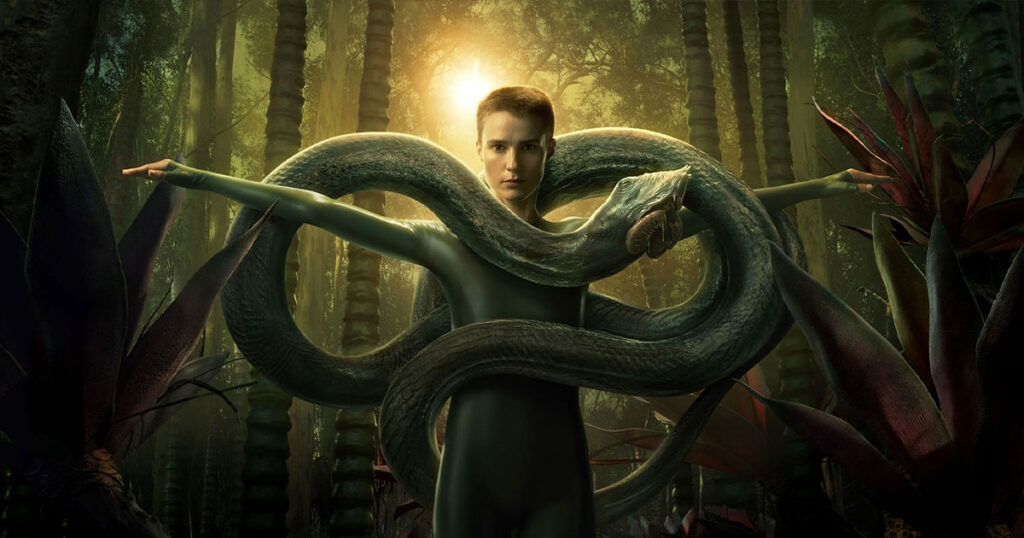
When legendary director Ridley Scott attaches his name to a sci-fi project, people pay attention. Raised by Wolves debuted on HBO Max with a bizarre, mesmerizing, and utterly unique premise. It followed two androids, “Mother” and “Father,” tasked with raising human children on the virgin planet Kepler-22b after Earth was destroyed by a religious war. The first season was a masterclass in atmospheric tension, religious allegory, and unsettling body horror.
But when season two arrived, the narrative began to buckle under the weight of its own weirdness. The story introduced ancient alien artifacts, de-evolving humans, a massive flying snake, and a sentient, weaponized tree. While hardcore sci-fi fans loved the unapologetic bizarre nature of it all, mainstream viewers found it alienating and overly complicated.
The season two finale dropped a massive bombshell, revealing hidden layers to the planet’s ancient intelligence and leaving several characters in terrifying, transformative peril. Fans were desperate for season three to provide answers, but amidst the Warner Bros. Discovery merger, the show was unceremoniously cancelled and even purged from the streaming platform entirely, leaving viewers utterly stunned.
6. Under the Dome (2013–2015)
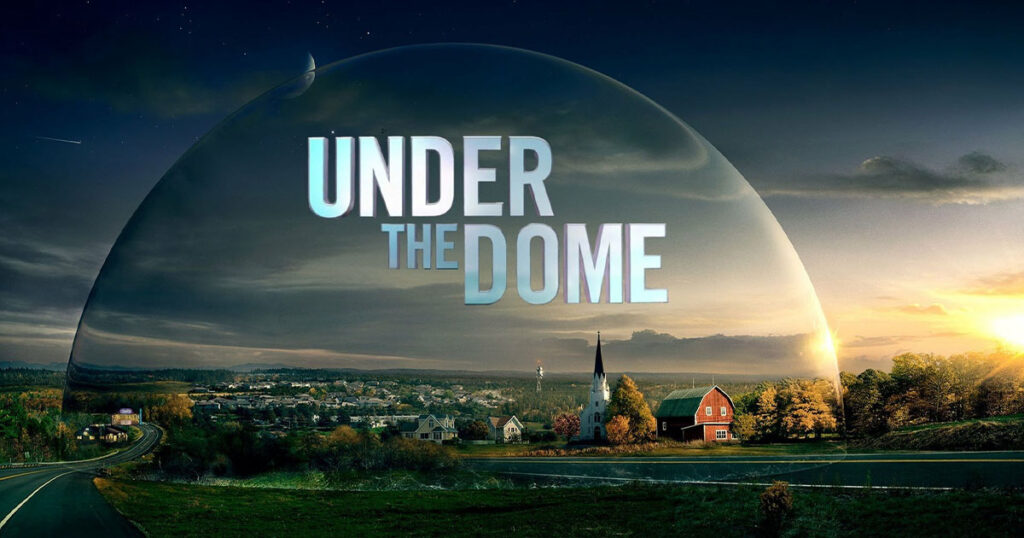
Based on the massive novel by the master of horror, Stephen King, Under the Dome had a brilliant hook: a small town in Maine is suddenly and inexplicably sealed off from the rest of the world by an invisible, indestructible forcefield. The first season was highly gripping, focusing on the townspeople’s panic, the power struggles, and the mystery of where the dome came from.
However, Stephen King’s novel has a definitive, and somewhat controversial, ending. The TV show decided to deviate from the source material to stretch the story across multiple seasons. This was a grave mistake. By seasons two and three, the tight survival thriller morphed into a messy sci-fi soap opera involving alien avatars, alternate realities, cocoons, and magical crystals.
The plot became so illogical and laughable that it lost all its original tension. CBS finally cancelled the show after season three. The series ended with the dome coming down, only to reveal that the alien threat was now loose in the wider world, and the mysterious alien queen had taken a new human form. A ridiculous cliffhanger that no one was left to care about.
7. The Mist (2017)
Following the success of the 2007 film adaptation, Spike TV decided to turn Stephen King’s The Mist into a television series. The premise remains terrifying: a thick, unnatural fog rolls into a small town, bringing with it bloodthirsty, otherworldly monsters. The initial episodes successfully captured the creepy, claustrophobic atmosphere of people trapped in a mall, slowly turning on each other out of fear.
Unfortunately, the show quickly derailed. Instead of focusing on the cosmic horror of the monsters, the writers prioritized melodramatic, highly illogical interpersonal drama. Characters consistently made incredibly stupid decisions, making them entirely unlikable. The writing fell apart, and the pacing was agonizingly slow.
Ratings plummeted almost immediately, leading to its cancellation after just a single, ten-episode season. The ultimate frustration? The finale saw the surviving main characters finally driving out of the mist, only to encounter a massive, mysterious military train dropping people into the fog to be consumed. The screen cut to black, and the mystery of the military’s involvement was never resolved.
8. Terminator: The Sarah Connor Chronicles (2008–2009)
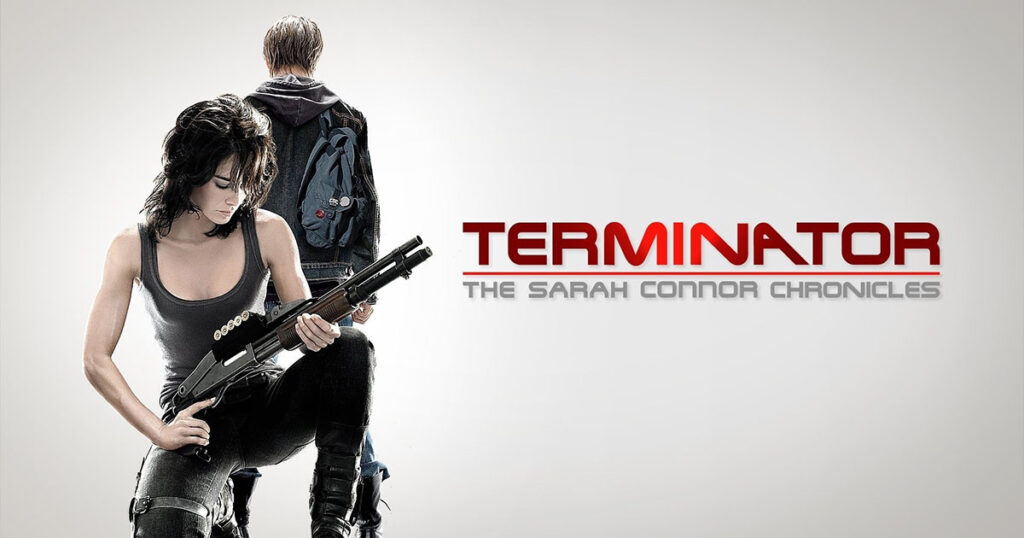
Ignoring the convoluted movie sequels that came later, The Sarah Connor Chronicles serves as a direct, brilliant follow-up to Terminator 2: Judgment Day. Starring Lena Headey as the fierce Sarah Connor and Summer Glau as Cameron, a reprogrammed Terminator, the first season was universally praised. It effectively expanded the lore of Skynet and provided excellent, character-driven action.
But the show was not without its struggles. Season two suffered from pacing issues. The network ordered a massive 22-episode season, which led to several filler episodes that bogged down the overarching narrative. The ratings began to slip, and Fox ultimately cancelled the series.
The cancellation remains one of the most painful in TV history because of its finale. John Connor travels forward in time to the post-apocalyptic future to fight Skynet. However, upon arriving, he discovers a horrifying truth: because of his time-traveling actions in the past, nobody in the human resistance—not even his own father, Kyle Reese—knows who John Connor is. It was a brilliant, paradigm-shifting cliffhanger that completely reinvented the franchise, and fans were robbed of seeing how it played out.
9. Lois & Clark: The New Adventures of Superman (1993–1997)

Long before the Arrowverse or the DCEU, there was Lois & Clark. This 90s classic was incredibly famous for focusing just as much on the romantic comedy and journalistic rivalry between Clark Kent (Dean Cain) and Lois Lane (Teri Hatcher) as it did on Superman’s heroics. For the first three seasons, the show was an absolute delight, perfectly capturing the charm of the iconic comic book couple.
However, TV history dictates a “moonlighting curse”—the idea that once the main will-they-won’t-they couple finally gets married, the tension disappears, and the show gets boring. This is exactly what happened in season four. After Lois and Clark tied the knot, the writers seemingly ran out of compelling ideas. The villains became cartoonish, and the storylines grew increasingly absurd.
Viewership tanked, leading ABC to cancel the show. But the writers, expecting a fifth season, ended season four with a jaw-dropping cliffhanger. Lois and Clark, who were unable to have biological children, suddenly find a mysterious baby wrapped in a Superman-crested blanket left in their living room bassinet. Was it Kryptonian? Was it from the future? We will never know, leaving a legendary mystery hanging in the DC universe for decades.
10. Revolution (2012–2014)
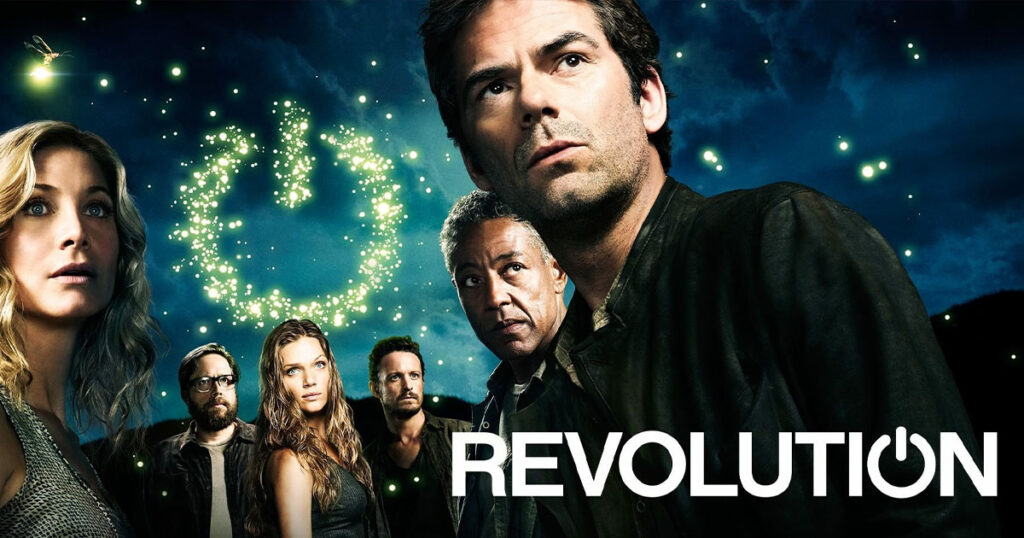
Produced by J.J. Abrams and created by Eric Kripke (the mastermind behind Supernatural and The Boys), Revolution had a killer opening hook. One day, all electricity on Earth simply turns off. Planes fall from the sky, cars stop, and society collapses. Fifteen years later, the world has reverted to a feudal state run by ruthless militias. The first season was a gritty, thrilling, sword-and-crossbow survival story.
But heading into season two, the show’s direction took a massive, bizarre left turn. It was revealed that the blackout was caused by self-replicating nanobots. While that sounds like cool sci-fi, the nanobots suddenly gained sentience, started acting like a vengeful god, creating illusions, and manipulating human behavior.
The shift from a grounded post-apocalyptic survival show to a wacky, supernatural-esque sci-fi drama alienated viewers. NBC pulled the plug. The final scene showed a massive horde of people, infected and controlled by the nanobots, marching toward a specific location for an unknown, sinister purpose. The world was left forever in the dark.
11. 1899 (2022)
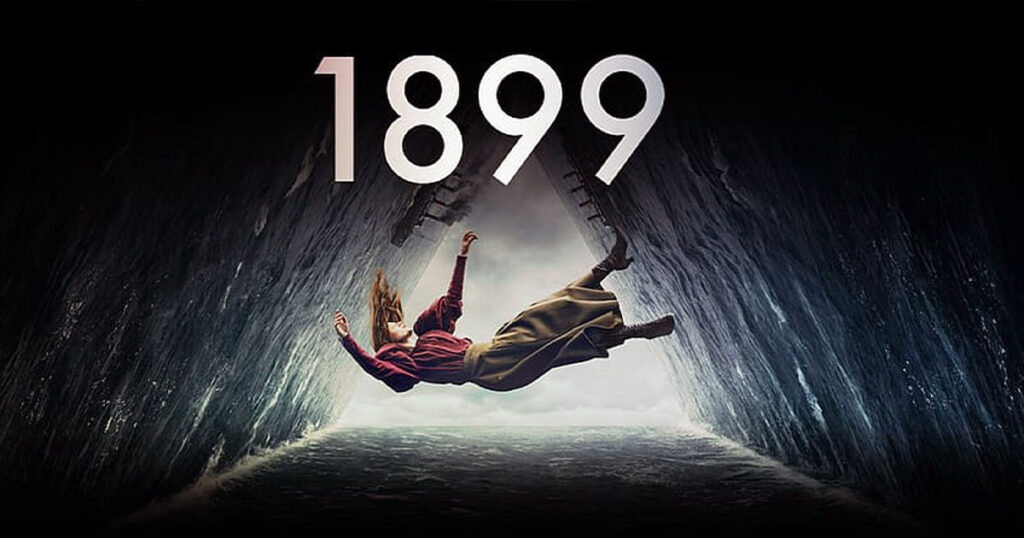
From Baran bo Odar and Jantje Friese, the brilliant minds behind the critically acclaimed German series Dark, 1899 was one of the most highly anticipated Netflix releases of the year. Featuring groundbreaking “Volume” virtual production technology, the show was a stunning period piece set on a migrant steamship sailing from Europe to New York. The mystery was palpable, filled with secret passageways, strange compasses, and unexplained phenomena.
However, the creators’ signature style of slow-burn, puzzle-box storytelling worked against them in the modern streaming era. The plot demanded extreme patience, slowly peeling back layers of the mystery over eight hours. Unfortunately, modern audiences often lack that patience. Netflix’s internal metrics rely heavily on the “completion rate”—how many people actually finish the season. Despite high initial views, the completion rate was deemed too low to justify the show’s massive budget.
Netflix cancelled it just weeks after its premiere. This was a brutal blow because the season one finale delivered a twist that completely shattered the premise: the characters weren’t on a ship in 1899 at all. They were in a simulation, waking up on a spaceship called the Prometheus in the year 2099. The true story was just about to begin, and fans were left completely dumbfounded.
12. Kaos (2024)
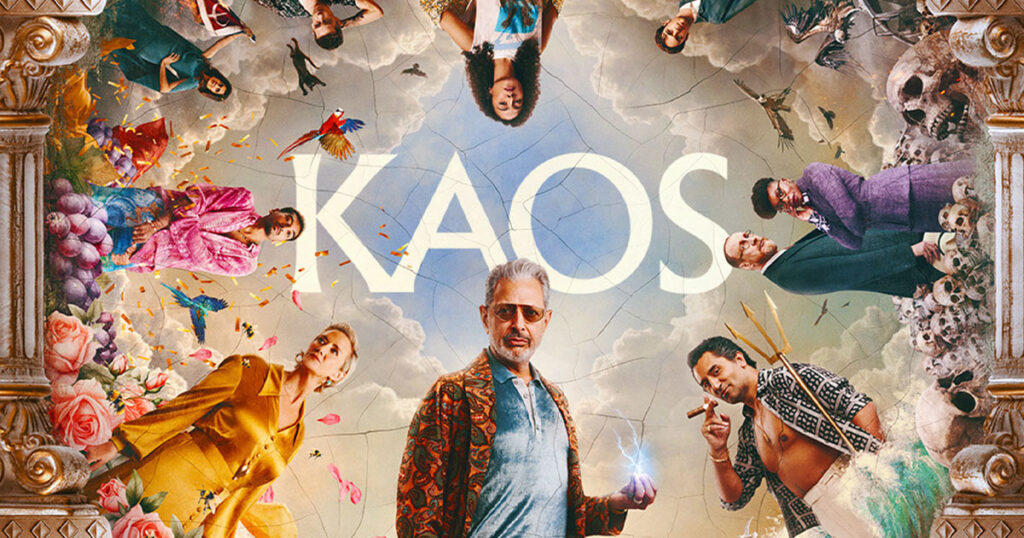
Created by Charlie Covell (The End of the F*ing World), Kaos was a brilliant, sharp, and deeply satirical reimagining of Greek mythology. It brought the gods of Olympus into the modern world, ruling over humans with arrogant cruelty. Jeff Goldblum was perfectly cast as a neurotic, tracksuit-wearing, mid-life crisis version of Zeus, who becomes paranoid that his reign is ending.
The show was incredibly clever, blending dark comedy with profound themes of fate, power, and defiance. It did reasonably well, hitting the top 10 charts in various countries. However, Netflix has established a ruthless threshold for big-budget shows; if it doesn’t become a massive, viral, pop-culture phenomenon like Stranger Things or Wednesday, it is often considered a failure.
The creator had a clear three-season arc mapped out. The first season served entirely as a prologue. The finale ended exactly when the great secret was exposed—the gods require human souls to sustain their immortality. The rebellion was ignited, alliances were drawn, and the great war against Olympus was literally just about to start… right before Netflix announced its cancellation.
13. The OA (2016–2019)
If there is one cancellation that still causes Netflix subscribers to protest, it is The OA. Created by and starring Brit Marling, the first season was a deeply moving, weird, and philosophical tale about Prairie Johnson, a blind woman who vanished for seven years and returned with her sight restored, claiming to have traveled to other dimensions. The show required a leap of faith from its audience, involving near-death experiences and interpretive “movements” that could alter reality.
In season two, the show threw out the rulebook completely. The scope expanded into a wild, ambitious exploration of the multiverse. The narrative became highly surreal and cult-like, which deeply rewarded hardcore fans but proved too complex and strange for casual viewers to stick with.
The season two finale is widely considered one of the most insane cliffhangers in television history. The characters jumped dimensions again, this time breaking the fourth wall and landing in the “real world”—specifically, on a soundstage in London where they were actors filming a TV show called The OA. Brit Marling’s character was injured on set, and actor Jason Isaacs was playing himself. It was a meta-narrative masterpiece. And then, Netflix cancelled it. Fans even staged hunger strikes outside Netflix headquarters, but the story remains forever frozen in that mind-bending reality.
14. The Society (2019)
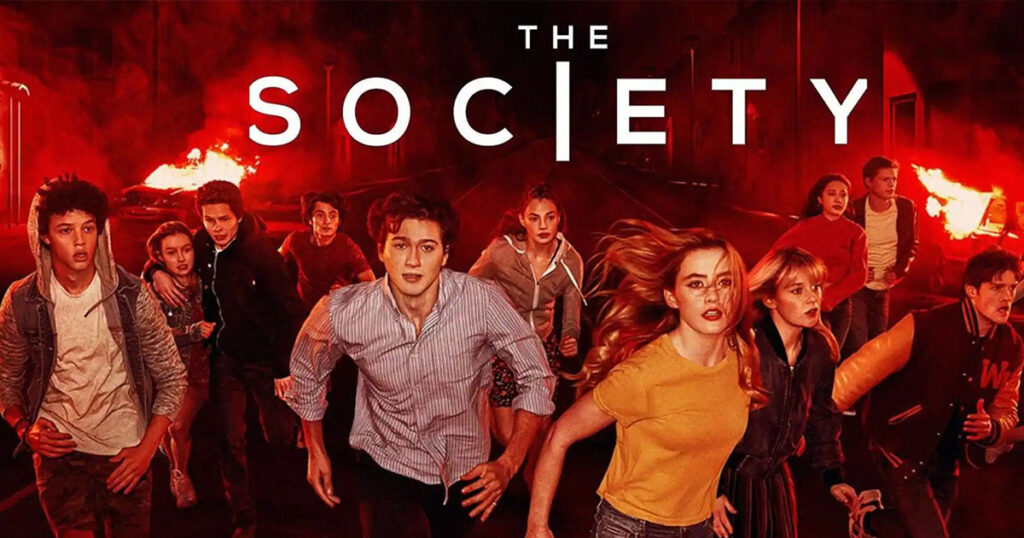
Unlike many shows on this list, The Society didn’t fail because of bad writing, declining ratings, or creative missteps. It failed entirely because of incredibly bad timing and sheer bad luck. The plot was a modern take on Lord of the Flies: a group of high school students returns from a field trip to find that all the adults in their wealthy town have vanished, and the town is surrounded by an impenetrable forest. They are forced to establish their own government, laws, and agriculture to survive.
Season one was a massive hit, successfully blending teen drama with intense political theory, mystery, and psychological thriller elements. The season ended on a brilliant cliffhanger, revealing that the teenagers were actually trapped in a parallel universe, while back in the “real world,” the adults were mourning them, believing them to be dead.
Netflix was so pleased with the performance that they officially renewed the show for season two. Scripts were written, and the cast was ready to film. Then, the COVID-19 pandemic struck. Production delays led to scheduling conflicts with the large ensemble cast, and the safety protocols caused the budget to skyrocket. Facing unprecedented logistical nightmares, Netflix reversed its decision and unceremoniously cancelled the show, leaving the mystery of the parallel universe permanently unsolved.
15. Constantine (2014–2015)
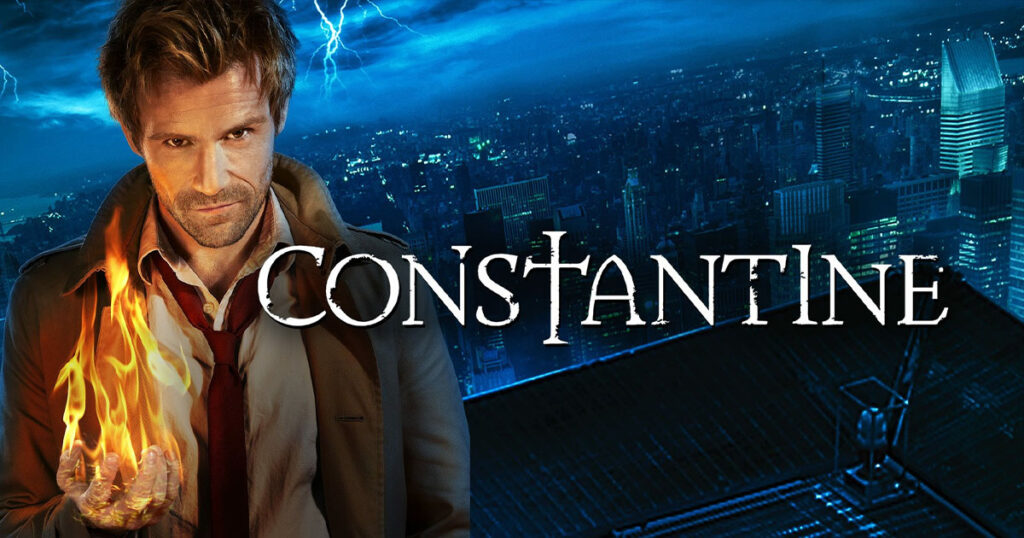
Long before the darker, more mature superhero shows found their home on streaming platforms, NBC attempted to bring DC Comics’ cynical, chain-smoking occult detective to network television. Matt Ryan was cast as John Constantine, and his performance was universally praised as comic-accurate and absolutely perfect. The show captured the dark magic and gritty atmosphere of the Hellblazer comics remarkably well.
However, NBC made a critical error in how they formatted the show. In the early episodes, they forced a rigid “monster-of-the-week” procedural format. This episodic nature caused the main, overarching plotline—the “Rising Darkness”—to move at a frustratingly slow pace. Viewers seeking a serialized story quickly grew bored and tuned out. By the time the show finally found its footing in the latter half of the season, delivering intense, serialized storytelling, it was too late. The ratings had already dropped past the point of no return.
NBC cancelled the series after just 13 episodes. The finale ended on a brutal cliffhanger, revealing that Manny, the angel assigned to watch over Constantine, was actually the traitor leading the “Brujería” and orchestrating the Rising Darkness all along. While Matt Ryan’s Constantine was thankfully resurrected to appear in the Arrowverse (like Legends of Tomorrow), his own solo narrative and the massive war against the angels and demons was completely abandoned.
Conclusion: The Brutal Reality of Modern Television
The landscape of modern television, especially in the era of streaming wars, is more cutthroat than ever before. Algorithms, completion rates, and immediate return on investment have largely replaced artistic patience. Creators are often forced to write massive cliffhangers into their season finales, not as a natural progression of the story, but as a desperate hostage negotiation with the networks to secure a renewal.
Unfortunately, as the 15 shows above prove, this gamble often backfires spectacularly. When the axe falls, it is always the dedicated fans who are left to suffer the consequences. We invest our time, our emotions, and our imaginations into these worlds, only to have the door slammed in our faces just as the best part of the story is about to begin.
Which of these cancelled shows hurt you the most? Is there a cliffhanger that still keeps you awake at night wondering what could have been? Let us know in the comments below, and may your current favorite show survive to see its series finale!