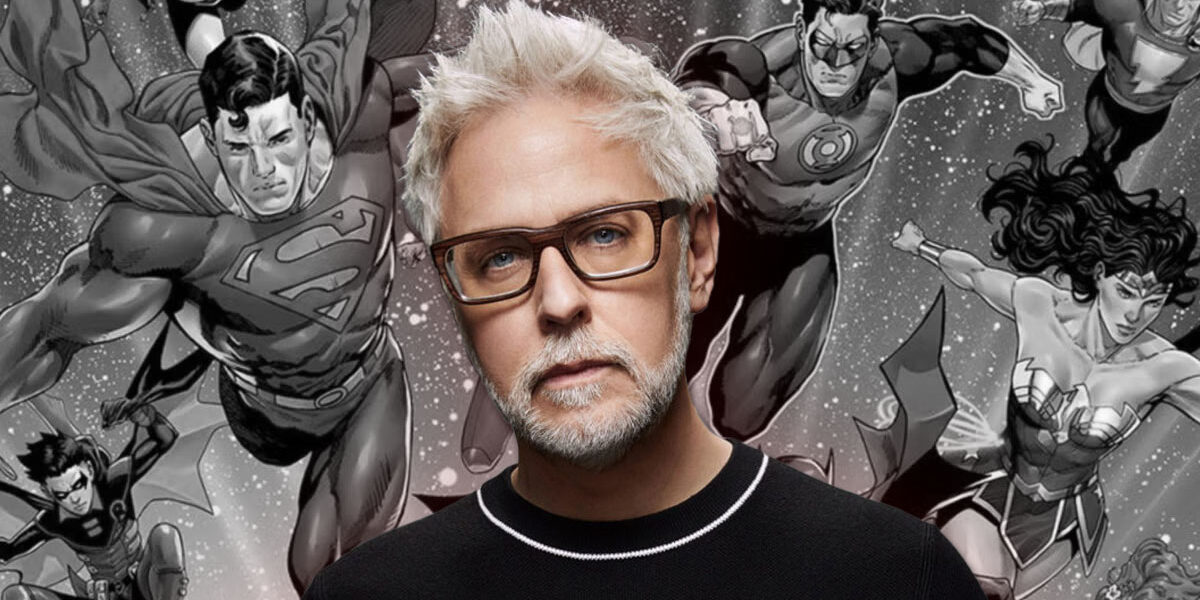
For over a decade, comic book movie fans experienced a rollercoaster of emotions with the DC Extended Universe (DCEU). From the high-contrast, mythological beginnings of Zack Snyder’s Man of Steel to the chaotic, disjointed reality of multiple management changes, the franchise was desperately in need of a guiding star. Enter James Gunn and Peter Safran. Appointed as the co-CEOs of the newly formed DC Studios in late 2022, they were given the monumental task of restructuring, rebooting, and revitalizing a fractured cinematic world. Today, the new DC Universe is no longer just a blueprint on a whiteboard; it is a living, breathing franchise with released projects, a clear trajectory, and an ambitious multi-year plan.
In this comprehensive guide, we will explore everything you need to know about the current state of the DCU. We will dive deep into how the transition from the DCEU took place, examine the projects that have already graced our screens, preview the exciting future slate, clarify which actors and elements survived the reboot, and analyze what this monumental shift means for the future of superhero cinema.
From the Ashes of the DCEU: How the Reboot Began
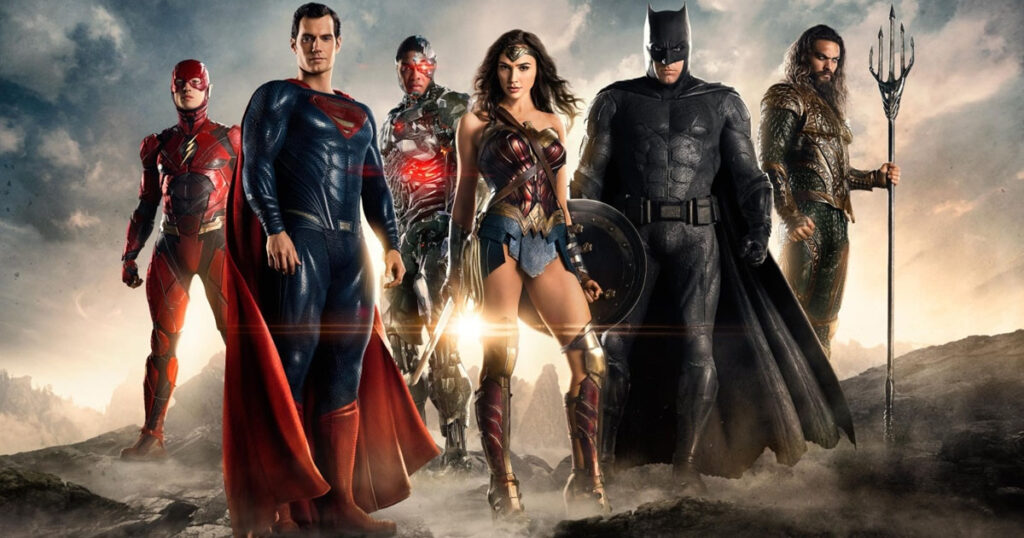
To truly understand the magnitude of what James Gunn and Peter Safran are attempting to build, one must look back at the tumultuous history of the DC Extended Universe. The DCEU began with incredible promise but quickly became bogged down by creative differences, reactionary studio mandates, and a lack of unified vision. While Marvel Studios had Kevin Feige meticulously planning out phases, DC films often felt like isolated experiments. We saw brilliant standalone successes like Wonder Woman and Aquaman, juxtaposed with structural disasters like the theatrical cut of Justice League and the constantly shifting hierarchy of power promised by Black Adam.
When Warner Bros. merged with Discovery to become Warner Bros. Discovery under CEO David Zaslav, a mandate was clear: DC needed its own “Kevin Feige.” They needed someone who understood both the creative soul of the comic books and the logistical demands of massive blockbuster filmmaking. James Gunn, fresh off the massive success of the Guardians of the Galaxy trilogy for Marvel and The Suicide Squad and Peacemaker for DC, was the perfect candidate. Alongside veteran producer Peter Safran, Gunn took the reins in November 2022.
The duo faced a critical choice: attempt to patch the sinking ship of the DCEU by keeping actors like Henry Cavill and Ben Affleck, or tear it down to the studs and build a fresh foundation. In a move that shocked many but felt inevitable to industry insiders, they chose a hard pivot. They announced that while some actors would return in specific capacities, the core heroes—namely Superman and Batman—would be recast to fit a cohesive, long-term narrative spanning movies, television, animation, and video games.
Chapter 1: Gods and Monsters – The Masterplan Revealed
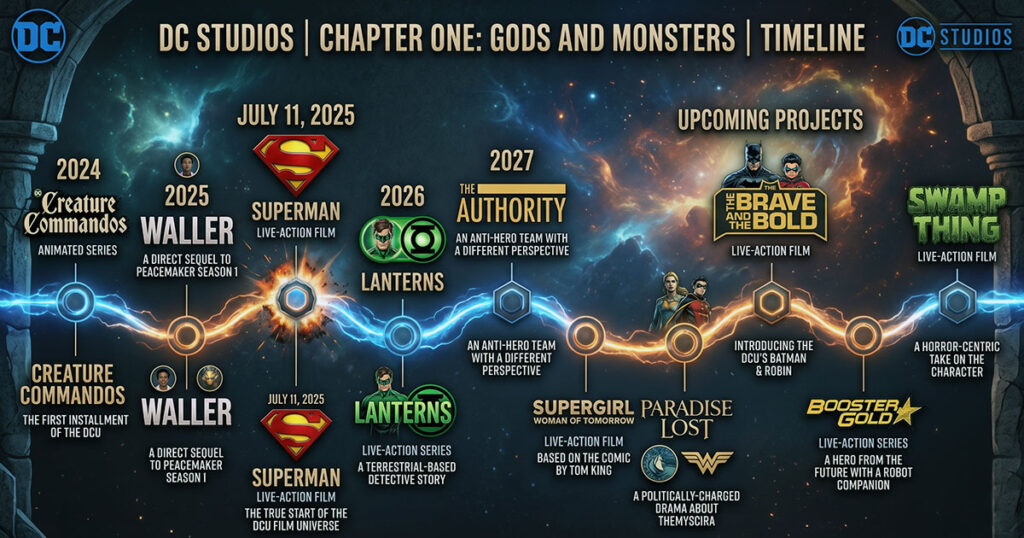
In January 2023, James Gunn unveiled the first phase of the new DC Universe, officially titled “Chapter 1: Gods and Monsters.” This title wasn’t just a catchy phrase; it perfectly encapsulated the thematic dichotomy Gunn intends to explore. On one hand, we have the “Gods”—the iconic, larger-than-life heroes like Superman, Supergirl, and Green Lantern, who serve as the moral compasses of this universe. On the other hand, we have the “Monsters”—the misunderstood, deeply flawed, and bizarre characters like the Creature Commandos, Swamp Thing, and The Authority.
Gunn’s philosophy for this new universe is rooted in story-first development. He has frequently criticized the industry trend of announcing release dates before scripts are even written. For the new DC Universe, a central “writers room” consisting of top-tier talent like Tom King (renowned comic writer), Christal Henry (Watchmen TV series), and Drew Goddard (The Martian, Daredevil) was established to map out the overarching narrative.
Furthermore, this universe is designed to be deeply interconnected without feeling like mandatory homework. An actor cast in an animated series will also play that character in live-action and voice them in video games. This multimedia synergy ensures a level of consistency that the previous DCEU sorely lacked.
What Has Been Released in the new DC Universe So Far?
As of mid-2026, the new DC Universe has officially launched, moving past the announcement phase and delivering actual content to eager audiences. The rollout has been deliberate, starting small with animation before dropping the massive cinematic cornerstone.
Creature Commandos (December 2024)
The absolute first entry into the new DCU wasn’t a massive live-action blockbuster, but rather an adult animated series on Max called Creature Commandos. Premiering in late 2024, the seven-episode series was entirely written by James Gunn. It follows a black-ops team of literal monsters—including a vampire, a werewolf, a gorgon, and Frankenstein’s monster—assembled by Amanda Waller.
The series debuted to critical acclaim, initially holding a perfect 100% score on Rotten Tomatoes. Critics praised its unique blend of heart, humor, and visceral action, proving that Gunn’s distinct voice could successfully translate into a foundational piece of a larger universe. It set the tone for the “Monsters” side of the chapter, and cast members like Frank Grillo (voicing Rick Flag Sr.) immediately established that these characters would seamlessly transition into live-action projects.
Superman (July 2025)
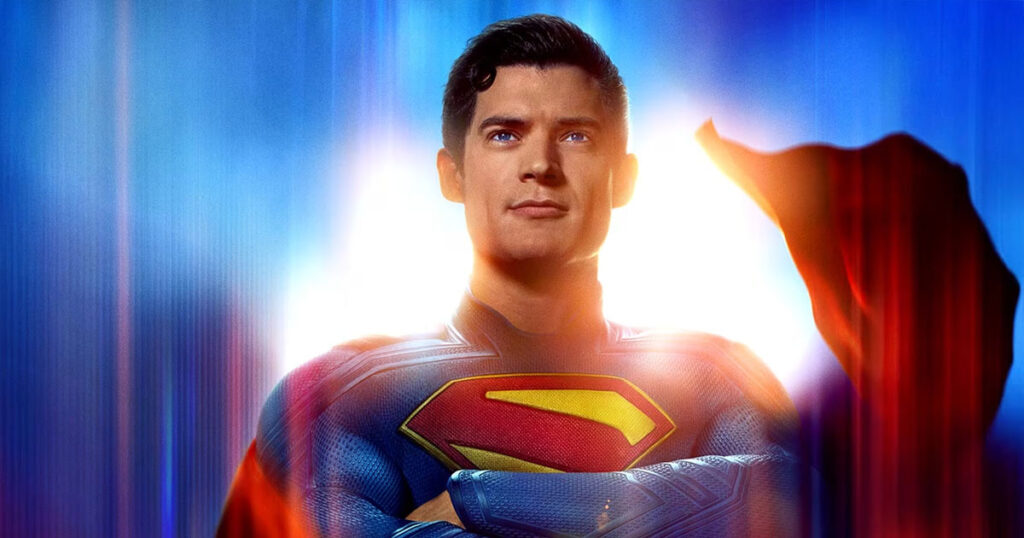
This was the big one. Originally titled Superman: Legacy, James Gunn’s written and directed feature film simply titled Superman flew into theaters on July 11, 2025. It marked the true cinematic birth of the new DC Universe.
Starring David Corenswet as Clark Kent/Superman and Rachel Brosnahan as Lois Lane, the film deliberately skipped the traditional origin story. Instead, it presented a world where superheroes already existed, and Clark was struggling to reconcile his Kryptonian heritage with his human upbringing in Smallville. The film introduced a varied cast of existing heroes, including Nathan Fillion as Guy Gardner (Green Lantern), Isabela Merced as Hawkgirl, Edi Gathegi as Mister Terrific, and Anthony Carrigan as Metamorpho.
Superman was a massive critical and commercial success. It leaned away from the dark, brooding tone of the previous era, embracing a bright, optimistic, and deeply compassionate Man of Steel. Nicholas Hoult’s portrayal of a cold, calculating Lex Luthor provided the perfect foil. The film proved that audiences were hungry for a traditional, hopeful Superman, and it successfully cemented the foundation of Gunn’s cinematic universe.
Peacemaker Season 2 (August – October 2025)
Following the success of Superman, the focus shifted back to television with the highly anticipated second season of Peacemaker. Releasing on Max between August and October 2025, this season had the complex task of bridging the gap between the old DCEU (where Season 1 took place) and the new canon.
Gunn, who directed multiple episodes, masterfully handled the transition. While John Cena returned as the titular anti-hero, the series subtly adjusted its reality. The events of the first season broadly happened, but the larger universe context (such as the Justice League cameo in the Season 1 finale) was retconned. Season 2 brought back the incredible supporting cast, including Danielle Brooks as Leota Adebayo and Freddie Stroma as Vigilante, while also introducing Frank Grillo’s Rick Flag Sr. in live-action, seeking revenge for Peacemaker killing his son. The season maintained its R-rated, irreverent humor while pushing the overarching narrative of the DCU forward.
The Future: What’s Coming Next?
With the foundation successfully laid, the horizon of the new DC Universe looks incredibly promising. Warner Bros. and DC Studios have laid out an aggressive, yet carefully curated slate for the coming years.
Supergirl (July 2026)
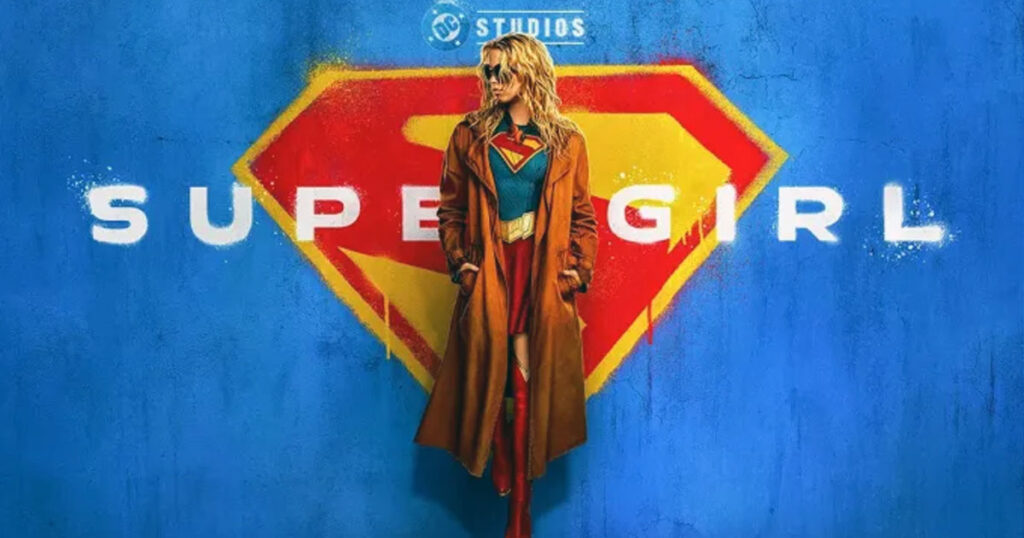
Scheduled for release on July 26, 2026, Supergirl (formerly Supergirl: Woman of Tomorrow) is the next major cinematic event. Directed by Craig Gillespie and starring House of the Dragon breakout Milly Alcock, the film is heavily adapted from Tom King’s critically acclaimed comic miniseries. Unlike Clark Kent, who was raised on Earth by loving parents, Kara Zor-El spent the first 14 years of her life watching her home planet die before arriving on Earth. This film promises a much harsher, more jaded version of a Kryptonian, offering a stark contrast to Corenswet’s Superman.
Lanterns (Summer 2026)
Bringing the cosmic side of DC to prestige television, Lanterns is slated for a summer 2026 release on HBO. Billed as a terrestrial mystery in the vein of True Detective, the series follows veteran Green Lantern Hal Jordan and rookie John Stewart as they investigate a terrifying murder in the American heartland. This mystery is confirmed to have massive implications for the overarching narrative of the entire DCU, likely pointing toward a larger cosmic threat.
Clayface (October 2026)
Expanding the universe beyond traditional heroes, Clayface is set for a theatrical release in late October 2026. This project signifies DC’s willingness to explore the rich rogues’ galleries of its heroes in unique, standalone-feeling narratives that still exist within the larger tapestry of the DCU.
The Brave and the Bold
One of the most anticipated films in development is The Brave and the Bold, directed by Andy Muschietti (The Flash, IT). This will be the formal introduction of the DCU’s Batman. However, it won’t be another origin story. Instead, it will focus on the Bat-Family, specifically the relationship between Bruce Wayne and his biological son, Damian Wayne—a murderous assassin raised by the League of Assassins who becomes the new Robin. It promises to explore the father-son dynamic in a way no live-action Batman film ever has.
Beyond 2026
The pipeline is packed with other announced projects in various stages of active development. These include:
- The Authority: A movie about a team of extreme, pragmatic superheroes who are willing to cross moral lines and break the world to fix it.
- Swamp Thing: A dark, horror-focused film exploring the origins of the elemental creature.
- Booster Gold: A comedy series about a loser from the future who uses basic future technology to come back to the present and pretend to be a superhero.
- Paradise Lost: A Game of Thrones-style prequel series set on Themyscira (Wonder Woman’s home island) before the birth of Diana.
Bridging the Gap: Who and What is Returning?
One of the most confusing aspects of the transition for casual fans has been understanding what is canon and who is returning. James Gunn set a firm rule: Nothing is canon in the new DC Universe until it happens on screen in a DCU project.
However, he did not want to throw the baby out with the bathwater. Several actors who perfectly embodied their roles in the old DCEU have been brought over to play the same characters in the new timeline.
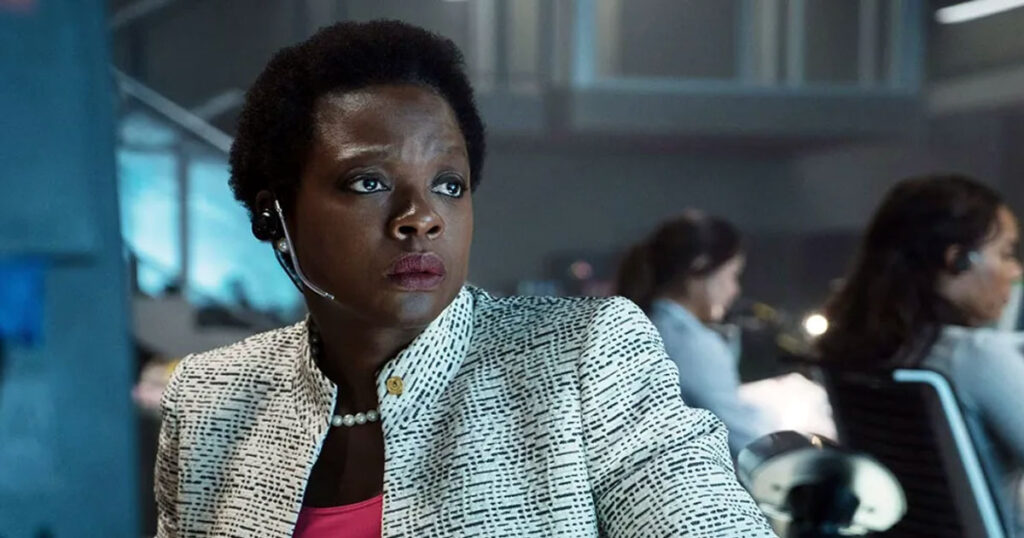
- Viola Davis as Amanda Waller: She remains the ruthless architect of the DCU’s black-ops division. She orchestrated the Creature Commandos and is the connective tissue for the “Monsters” side of the universe.
- John Cena as Peacemaker: As seen in Season 2, his character’s core journey remains, even if the universe around him has shifted.
- Xolo Maridueña as Blue Beetle: Gunn explicitly stated that Jaime Reyes/Blue Beetle is the first true DCU character, even though his movie was produced under the old regime. Because Blue Beetle was largely standalone, the character can easily transition into the new universe’s future projects.
- Sean Gunn and Steve Agee: Returning as Weasel/G.I. Robot and John Economos, respectively.
The key to understanding this is to view it as a soft reboot. The actors are the same, and the broad strokes of their personalities and past relationships exist, but the specific history of the Justice League and the macro-level events of the Snyderverse have been completely wiped clean.
Fascinating Trivia and Facts
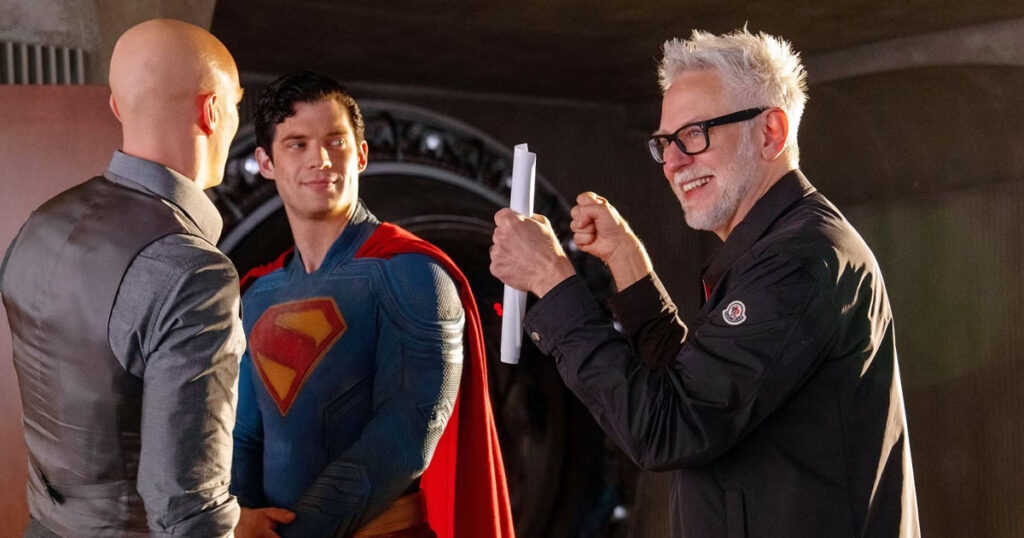
As this new universe is actively being built, several fascinating behind-the-scenes facts have emerged that showcase the unique approach of DC Studios:
- Simultaneous Productions: Peacemaker Season 2 and Superman were shot almost simultaneously in 2024. James Gunn famously flew back and forth between sets, directing Superman while overseeing and directing episodes of the television show, highlighting his immense workload and dedication.
- The Animation Rule: DC Studios is strictly enforcing a casting rule where whoever voices an animated character must be able to physically play them in live-action. This is why character actor Frank Grillo was cast as Rick Flag Sr. in Creature Commandos before transitioning to his physical role in Peacemaker.
- Svalbard, Norway: The Fortress of Solitude scenes for Superman were not shot entirely on a green screen. The production traveled to the remote, freezing landscapes of Svalbard, Norway, to capture authentic, breathtaking icy vistas, reflecting Gunn’s desire for practical environments.
- No “Elseworlds” Confusion: To prevent audience confusion, movies that exist outside the main DCU continuity—like Matt Reeves’ The Batman starring Robert Pattinson, or Todd Phillips’ Joker films—are strictly branded under the “DC Elseworlds” banner. They will remain untouched by Gunn’s main storyline.
Final Analysis: Is James Gunn’s Reboot Succeeding?
Looking at the landscape of the new DC Universe from the vantage point of mid-2026, it is hard to argue against its success. By synthesizing opinions from major entertainment outlets, critics, and the general fandom, a clear consensus emerges: DC finally feels like it has a competent captain at the helm.
General media reviews for Creature Commandos and Superman highlighted a return to character-driven storytelling over purely spectacle-driven CGI fests. The industry widely praised the decision to make Superman a beacon of hope again, viewing it as the exact cultural palate cleanser needed after a decade of grimdark superhero fatigue. Critics have also noted that while Marvel Studios has recently struggled with multiverse convolutions and inconsistent quality, DC’s back-to-basics, highly structured approach feels refreshing.
From my own perspective as an avid follower of superhero media, this transition represents exactly what the franchise needed. The DCEU, for all its brilliant casting choices, felt like a chaotic construction site where everyone was building from a different blueprint. James Gunn hasn’t just brought a new blueprint; he has brought a distinct voice. His ability to balance the god-like reverence of a character like Superman with the crude, tragic humanity of Peacemaker proves he understands the full spectrum of DC Comics.
The decision to retain certain actors while completely rebooting the heavy hitters was a massive gamble, one that could have alienated the entire fanbase. Instead, it feels like a masterful curation of what worked and a necessary excision of what didn’t. The new DC Universe doesn’t feel like a corporate product assembled by a board of directors; it feels like a massive, interconnected comic book written by fans, for fans. If “Gods and Monsters” continues on this trajectory, we are not just witnessing a successful reboot; we are witnessing the dawn of a new golden age for comic book cinema.