Fear is a universal emotion, but crafting it into a cinematic experience requires a very specific type of genius. The horror genre is arguably the most challenging medium to master. It demands an impeccable understanding of timing, atmosphere, psychology, and the darkest corners of the human condition. While any filmmaker can throw a sudden loud noise into a scene to make an audience jump, it takes a true visionary to make that audience afraid to turn off the lights long after the credits have rolled.
Over the decades, horror has evolved from classic gothic monster tales to slasher bloodbaths, and more recently, into profound psychological and social thrillers. Along this blood-soaked journey, certain auteurs have stood out, shaping our nightmares and redefining what it means to be truly terrified. Whether they are commanding the silver screen in theaters or dominating the streaming charts with binge-worthy series, these creators are the architects of our deepest fears.
Here is the definitive ranking of the top 10 best horror directors of all time, the visionaries who have mastered the art of the scare.
10. Alfred Hitchcock: The Pioneer of Suspense
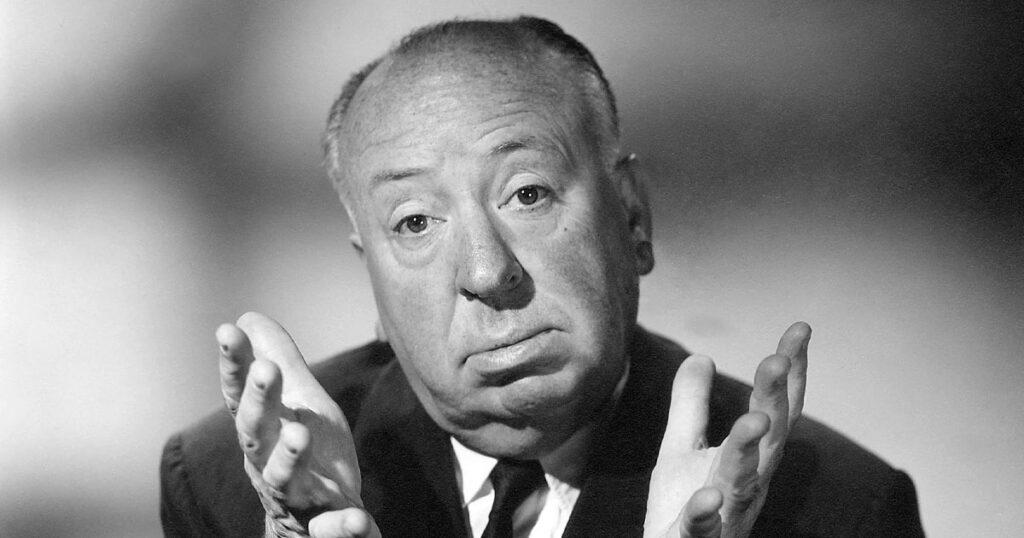
While the term “horror” today often conjures images of supernatural entities or masked killers, the modern thriller and psychological horror genres owe their very existence to Alfred Hitchcock. The “Master of Suspense” didn’t rely on gore; he relied on anticipation. He understood that what the audience doesn’t see is often far more terrifying than what is explicitly shown on screen.
Hitchcock’s 1960 masterpiece, Psycho, single-handedly birthed the modern slasher genre and shocked audiences by killing off its leading lady in the first act—a cinematic taboo at the time. The infamous shower scene remains a masterclass in editing and psychological manipulation. Later, with The Birds (1963), he turned ordinary, everyday creatures into harbingers of apocalyptic doom. Hitchcock’s innovative camera work, his theme of voyeurism, and his ability to make the audience complicit in the terror secure his spot as the foundational godfather of modern horror cinema.
9. Sam Raimi: The King of Splatstick
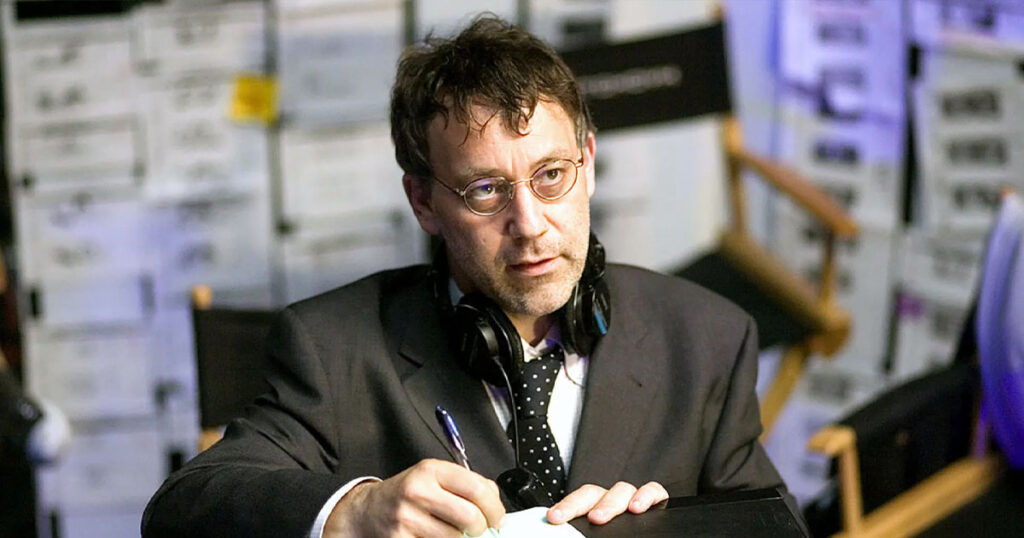
Horror doesn’t always have to be dead serious. Sometimes, it can be a wild, chaotic, and blood-drenched rollercoaster ride. Enter Sam Raimi, the maestro who successfully blended visceral, over-the-top gore with dark, slapstick comedy—a subgenre affectionately known as “splatstick.”
Raimi burst onto the scene with The Evil Dead (1981), a low-budget independent film that utilized kinetic, frantic camera movements to simulate the POV of an unseen demonic force. He pushed the boundaries of practical effects and absurd violence in Evil Dead II and Army of Darkness, making Bruce Campbell’s Ash Williams a legendary horror icon. Even after directing massive superhero blockbusters, Raimi proved he hadn’t lost his macabre touch with the incredibly fun and terrifying Drag Me to Hell (2009). His signature energetic directing style and Dutch angles remain highly influential today.
8. Ari Aster: The Architect of Trauma
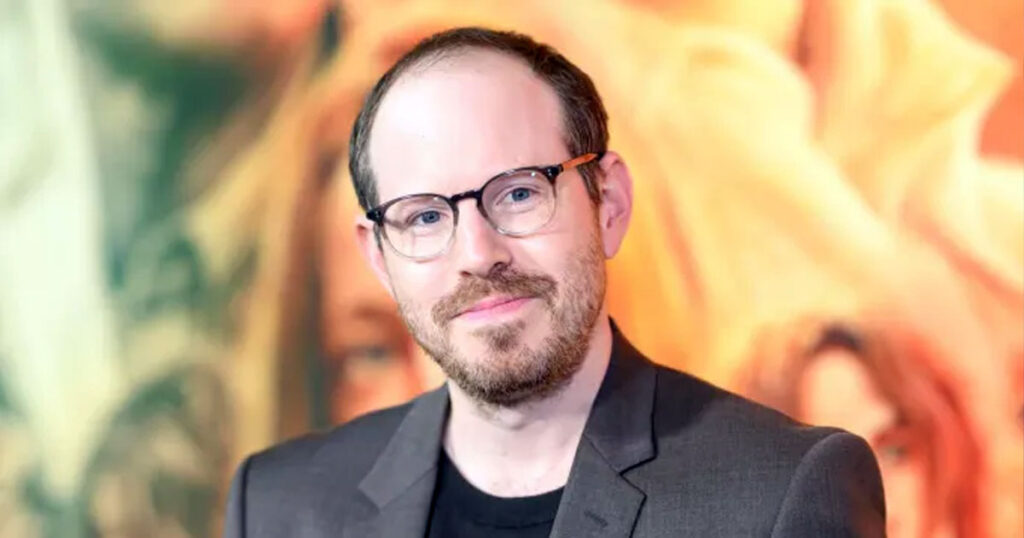
If you are looking for horror that will ruin your week and leave you staring blankly at a wall, Ari Aster is your director. Emerging as one of the strongest voices in the modern “elevated horror” movement, Aster doesn’t just want to scare you; he wants to deeply disturb you by exploiting the vulnerabilities of family dynamics, grief, and toxic relationships.
His feature debut, Hereditary (2018), is a harrowing exploration of inherited family trauma masquerading as a demonic possession film. It contains some of the most genuinely shocking and emotionally devastating sequences in recent cinematic history. He followed this up with Midsommar (2019), a brilliant subversion of the genre that proved horror doesn’t need shadows to be scary—it can happen in broad, blinding daylight amidst a beautiful Swedish field. Aster’s deliberate pacing, unsettling imagery, and focus on profound psychological pain make his films unforgettable, whether you want to remember them or not.
7. Guillermo del Toro: The Gothic Fairy Tale Master
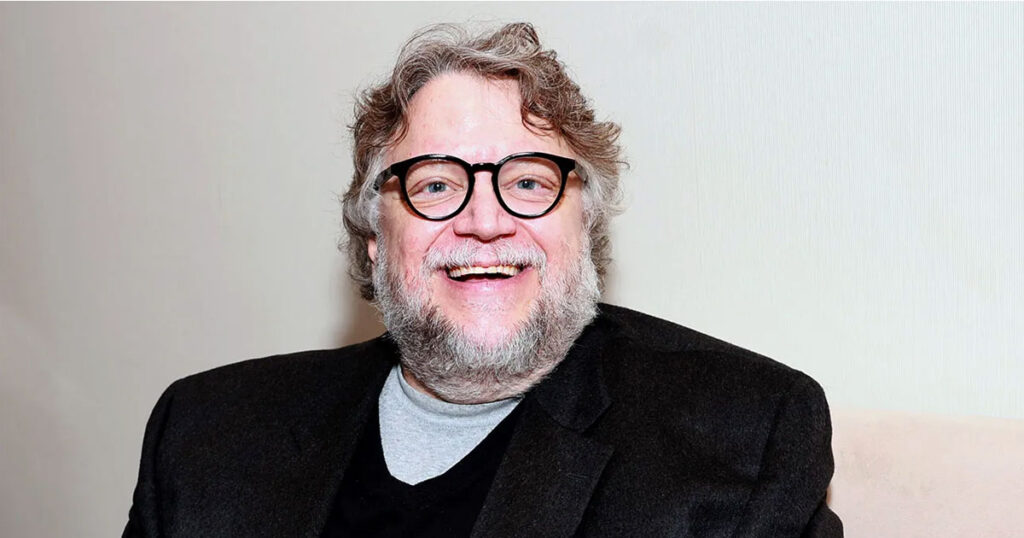
Guillermo del Toro does not make movies about monsters; he makes movies where the monsters are often the most sympathetic characters, and humanity is the true villain. His unique visual style is instantly recognizable, steeped in rich, gothic atmospheres, clockwork mechanisms, and incredibly detailed practical creature designs.
While films like The Shape of Water lean more towards dark fantasy romance, his roots are deeply entrenched in horror. Pan’s Labyrinth (2006) is a terrifying, beautiful dark fairy tale set against the backdrop of post-Civil War Spain, featuring iconic horrors like the Pale Man. The Devil’s Backbone (2001) is a brilliant ghost story imbued with political tragedy, and Crimson Peak (2015) is a love letter to classic gothic romance and haunted house tropes. Del Toro recently brought his curation skills to television with the chilling Netflix anthology series, Guillermo del Toro’s Cabinet of Curiosities, cementing his status as a modern master of the macabre.
6. Jordan Peele: The Social Thriller Visionary
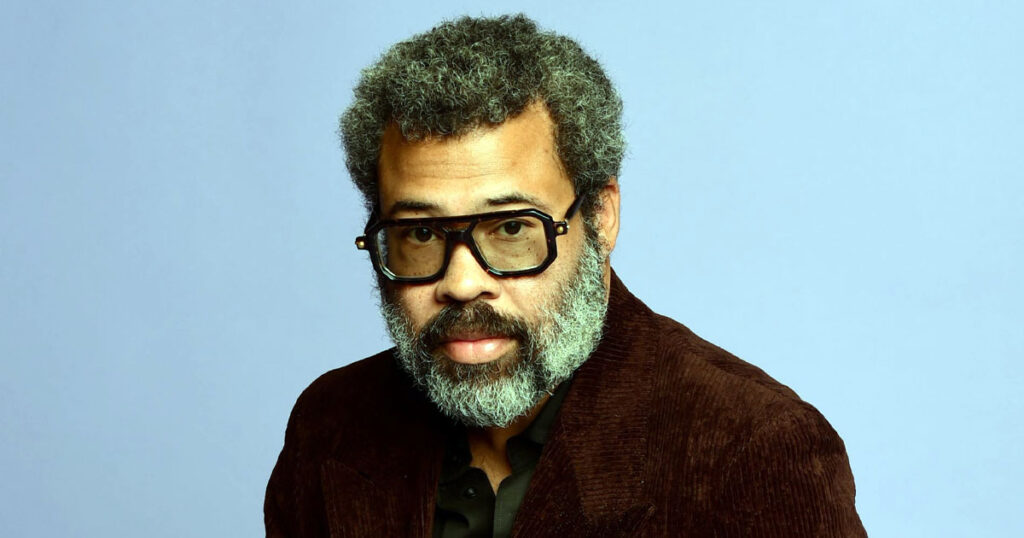
Few directors have made as massive and immediate an impact on the horror genre as Jordan Peele. Transitioning from sketch comedy to horror might have seemed like a wild leap, but Peele proved that comedy and horror are just two sides of the same coin—both rely on tension, timing, and subverting expectations.
With his directorial debut, Get Out (2017), Peele reinvigorated the “social thriller,” using horror tropes to explore systemic racism in a way that was both terrifying and brilliantly satirical. The concept of “The Sunken Place” instantly became a cultural touchstone. He proved he was no one-hit-wonder with Us (2019), a terrifying doppelgänger story about America’s shadow self, and Nope (2022), a unique blend of neo-Western, sci-fi, and Lovecraftian dread. Peele has an uncanny ability to craft original, thought-provoking stories that provide as much social commentary as they do spine-chilling scares.
5. Wes Craven: The Meta-Horror Pioneer
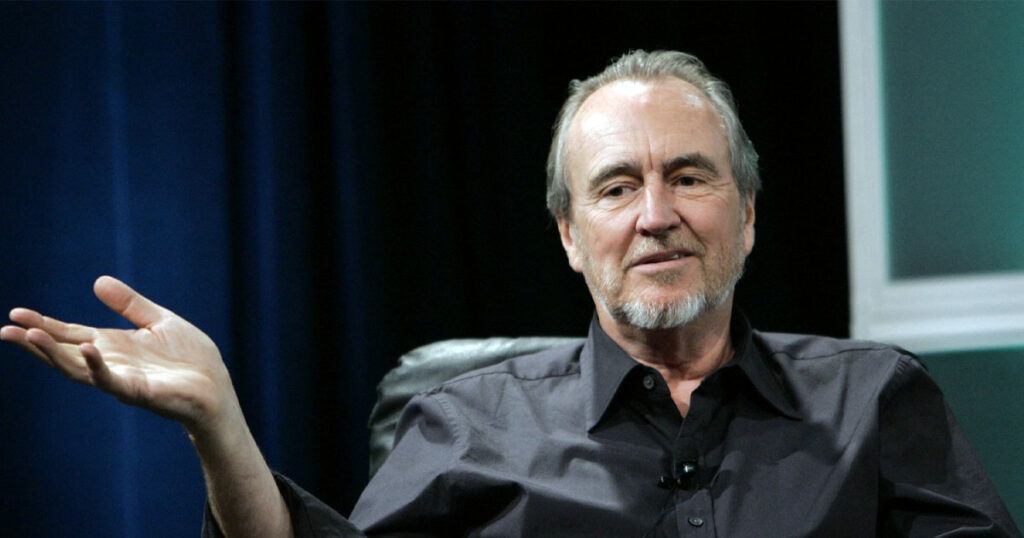
Wes Craven was a filmmaker who continually reinvented the rules of the genre he helped define. He had an incredible talent for tapping into the cultural anxieties of the time and turning them into iconic cinematic nightmares.
In the 1970s, he delivered raw, grueling exploitation horror with The Last House on the Left and The Hills Have Eyes. But his true stroke of genius came in 1984 with A Nightmare on Elm Street. By introducing Freddy Krueger—a killer who attacks teenagers in their dreams, where their parents cannot save them—Craven tapped into a universal, inescapable vulnerability. Over a decade later, when the slasher genre had become tired and cliché, Craven completely deconstructed and revitalized it with Scream (1996). By creating characters who knew the “rules” of horror movies, he invented meta-horror, proving his unparalleled understanding of the genre’s mechanics.
4. John Carpenter: The Synthesizer of Dread
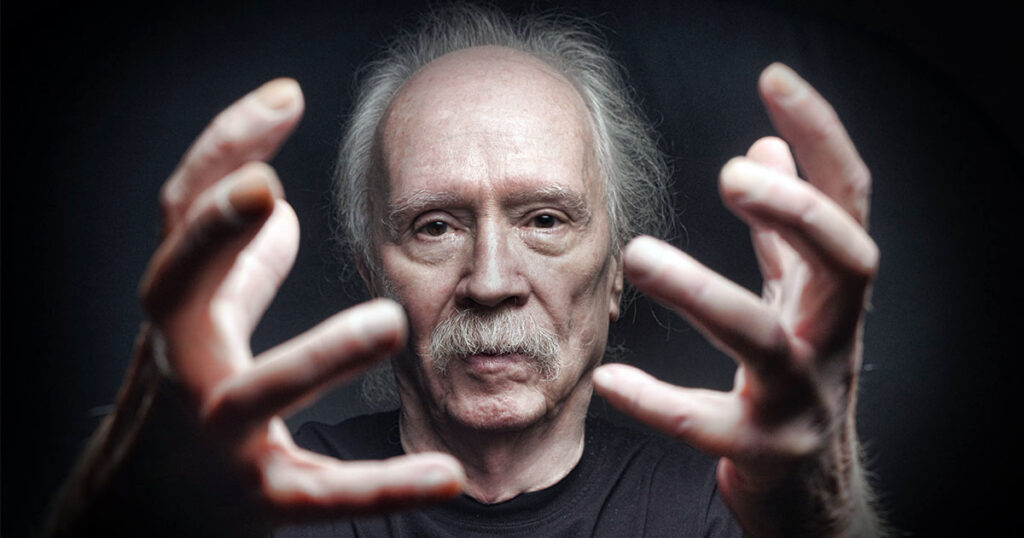
Independent, rebellious, and uncompromising, John Carpenter is a quintessential American auteur. He stripped horror down to its bare, terrifying essentials, relying on widescreen framing, creeping dread, and his own pulsating, iconic synthesizer scores to create an atmosphere of pure paranoia.
Halloween (1978) was made on a shoestring budget, yet it established the blueprint for the entire golden age of the slasher film. The relentless, emotionless nature of Michael Myers (“The Shape”) represented an unstoppable force of evil in suburban America. Carpenter later ventured into sci-fi horror with The Thing (1982), a masterpiece of claustrophobia, practical special effects, and deep-seated paranoia. His thematic focus on isolation and the breakdown of trust, combined with his legendary musical compositions, makes his filmography an essential pillar of horror history.
3. Mike Flanagan: The Maestro of Haunting Monologues
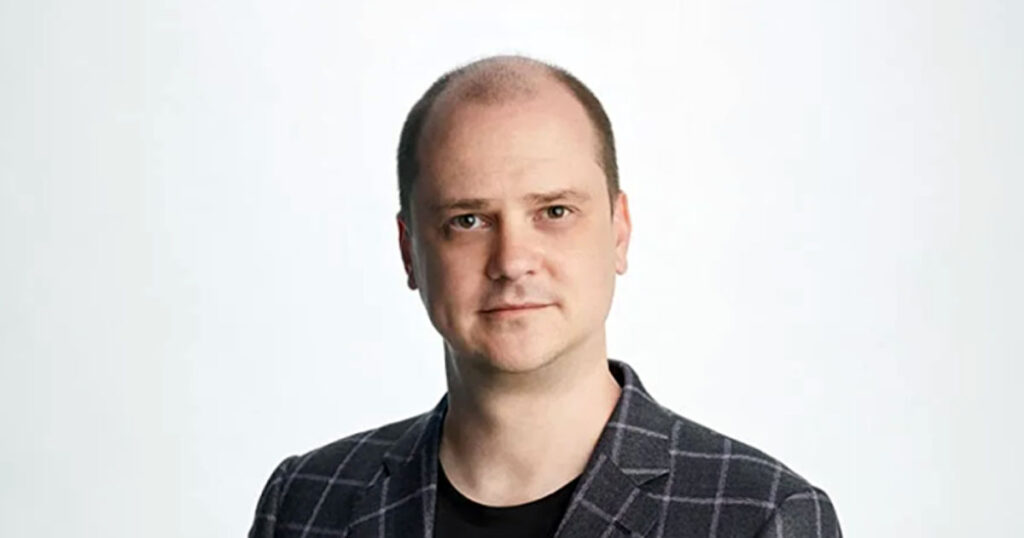
When it comes to long-form storytelling and horror television series, Mike Flanagan currently wears the crown. While he has directed excellent standalone films like Doctor Sleep (a brilliant sequel to The Shining) and Oculus, his true mastery shines in the streaming space, where he uses extended runtimes to deeply develop characters and their traumas.
Flanagan’s Netflix series—The Haunting of Hill House, The Haunting of Bly Manor, Midnight Mass, and The Fall of the House of Usher—are profound dramatic tragedies wrapped in the clothing of horror. He excels at the “hidden ghost” technique in the background of frames, rewarding observant viewers, but his true strength lies in emotional devastation. For Flanagan, ghosts are rarely just spirits; they are manifestations of guilt, addiction, grief, and regret. He is one of the few directors who can make you scream in terror and then burst into tears within the exact same scene.
2. M. Night Shyamalan: The Twist Master
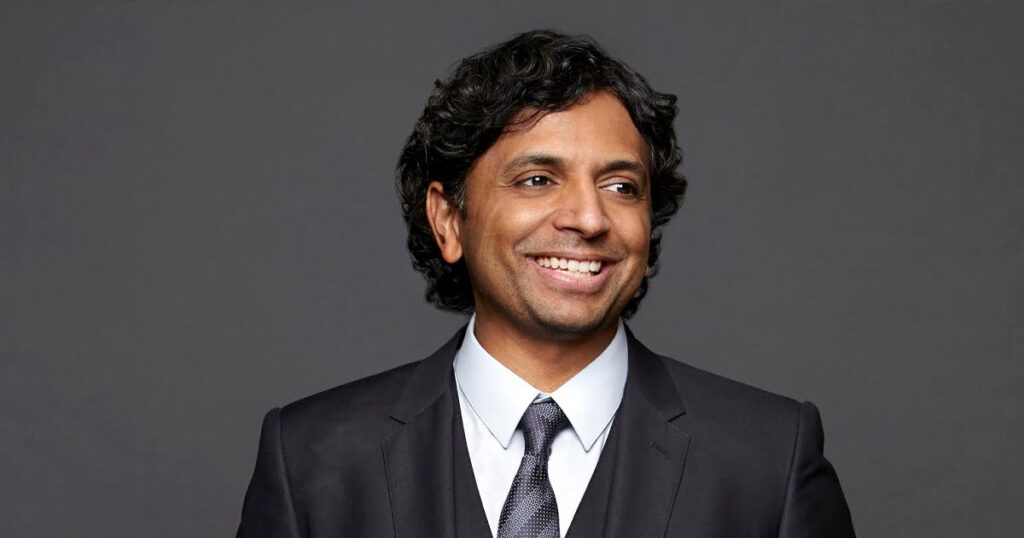
There is perhaps no modern director as polarizing, yet as undeniably influential, as M. Night Shyamalan. He is a director who takes massive swings, and when he connects, he hits cinematic home runs. Shyamalan single-handedly brought mainstream prestige back to the supernatural thriller in the late 90s and early 2000s.
The Sixth Sense (1999) is a cultural landmark, famous for its mind-bending twist, but often underappreciated for its incredibly moody atmosphere, deliberate pacing, and phenomenal performances. He followed it with taut, suspenseful hits like Signs and The Village. After a career slump, Shyamalan orchestrated a massive comeback with the claustrophobic thriller Split (2016). Furthermore, he transitioned flawlessly into television as the showrunner and primary director for Apple TV+’s Servant, a claustrophobic, unsettling, and meticulously framed psychological horror series. Shyamalan’s strict adherence to storyboarding and his Hitchcockian framing keep the audience in a perpetual state of unease.
Honorable Mention: Stanley Kubrick
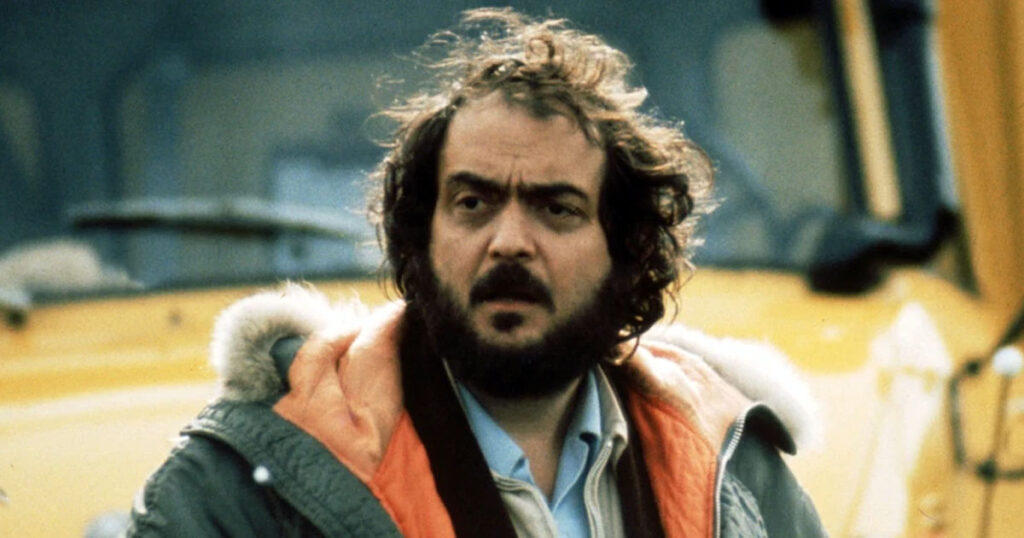
The Perfectionist of the Overlook
Before we unveil our number one pick, we must address a cinematic titan. If this were a list of the greatest filmmakers of all time, Stanley Kubrick would easily be in the top three. Why, then, is he not in the main list of horror directors? The simple answer is volume. Throughout his illustrious career, Kubrick only directed a single horror film. However, that one film is The Shining (1980).
Though he only visited the genre once, Kubrick crafted what many critics and fans consider to be the greatest horror film ever made. He rejected cheap jump scares in favor of psychological suffocation. Through his groundbreaking use of the Steadicam, unsettling symmetrical framing, and an overwhelming sense of isolation, Kubrick made the Overlook Hotel itself the monster. The Shining is a labyrinth of hidden meanings, spatial impossibilities, and descending madness that audiences are still analyzing frame-by-frame today. Kubrick isn’t a “horror director” by trade, but he is undeniably a master who dropped a singular, perfect nightmare upon the world and walked away.
1. James Wan: The Architect of Modern Nightmares
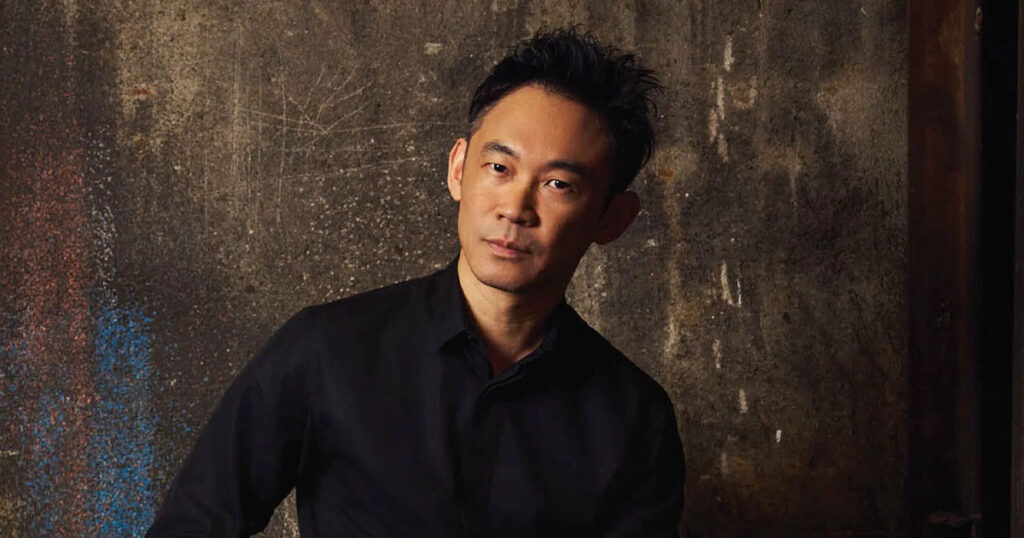
Taking the number one spot is a director who has essentially defined mainstream theatrical horror for the entire 21st century. James Wan didn’t just create one successful horror franchise; he created three distinct, massive cinematic universes, proving an unparalleled understanding of what terrifies modern audiences.
It started in 2004 with Saw, a gritty, grimy, low-budget indie that birthed a massively successful franchise and shifted the industry landscape. But Wan evolved. He pivoted away from gore and resurrected the classic haunted house/demonic possession film with Insidious (2010), utilizing brilliant, nerve-shredding sound design and innovative jump scares.
Then came his magnum opus: The Conjuring (2013). Wan brought a level of prestige, strong character development (via the Warrens), and masterful camera work to the supernatural genre, launching a billion-dollar cinematic universe. Wan’s signature style—the creeping camera pans, the agonizing build-up of tension, and the incredibly well-earned, heart-stopping jump scares—has been imitated by countless others, but never replicated. For his consistency, versatility, and undeniable influence over the last two decades, James Wan stands as the ultimate master of modern horror.
Final Verdict
The beauty of the horror genre is its subjectivity; what gives one person nightmares might make another person yawn. The directors on this list have all contributed unique nightmares to the global consciousness, evolving the genre from cheap thrills into high art.
Now, we want to hear from you! Did your favorite master of the macabre make the list? Is there an indie darling or a classic legend you feel we missed? Turn on the lights, double-check the locks on your doors, and drop your thoughts in the comments section below!