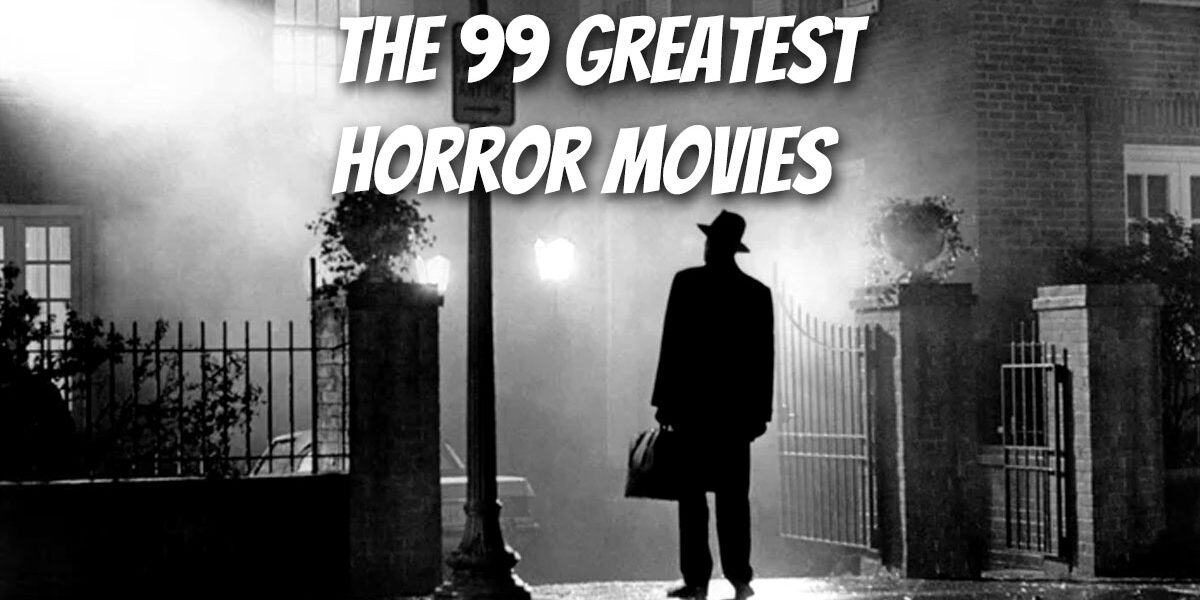
When the lights go out and the world falls dead silent, what is it that truly terrifies you? Over the decades, cinema has been the ultimate vehicle for our darkest nightmares. We have combed through the definitive rankings, aggregating data from critics at IndieWire and Variety, the passionate cinephiles on Letterboxd, and the massive user bases of IMDb and Rotten Tomatoes, to bring you the definitive list. But this isn’t just a standard countdown. We are examining the greatest horror movies ever made through a very specific, unforgiving lens: pure visceral fear, grounded realism, and that unshakable, lingering dread that follows you long after the end credits roll.
These are the films that don’t just rely on cheap jump scares. They crawl under your skin. They present scenarios so dreadfully realistic—even when dealing with the supernatural—that your brain accepts the danger as real. Most importantly, these movies possess a “haunting hangover.” They are the reason you double-check the locks at night, why you avoid looking into mirrors in the dark, and why certain shadows suddenly look like they’re breathing.
Prepare yourself. Here is the ultimate countdown of the 99 greatest horror movies that will scar your psyche.
The Haunting Countdown: 99 to 1
99. The Lighthouse (2019) Isolation breeds madness. Robert Eggers traps you on a desolate rock with two men descending into paranoia. The realism here lies in the psychological rot; the terror is the slow realization that there is no escape from your own mind. The dread lingers like the smell of rotting seaweed.

98. Eraserhead (1977) David Lynch’s industrial nightmare is less a movie and more an assault on the subconscious. The fear isn’t from monsters, but from the horrifyingly bleak, surreal portrayal of parenthood and urban decay. You will feel a heavy weight on your chest long after watching.
97. Repulsion (1965) Roman Polanski masters the terror of a crumbling mind. As the protagonist barricades herself in her apartment, the walls literally crack. The grounded realism of mental illness makes the hallucinations terrifyingly believable, leaving you questioning your own sanity.
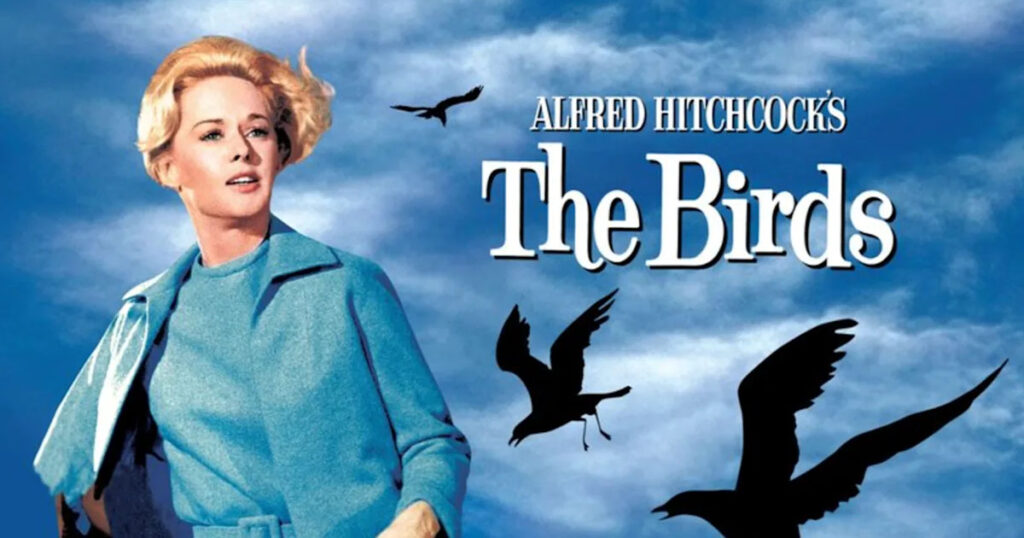
96. The Birds (1963) Alfred Hitchcock took the most mundane, harmless creatures and turned them into harbingers of apocalyptic doom. The brilliance is the lack of explanation. The realism of an uncontrollable natural world turning against humanity leaves a lingering, paranoid fear of the open sky.
95. Misery (1990) The terrifying reality of toxic fandom. Kathy Bates delivers a chilling performance as an obsessed fan holding her favorite author captive. There are no ghosts here—just a sledgehammer and a deeply disturbed human being. The grounded nature of this abduction makes it purely terrifying.
94. 1408 (2007) A masterclass in contained, psychological terror. A cynical writer enters a haunted hotel room, and the room aggressively breaks his spirit. The fear comes from the absolute loss of control in a physical space, leaving you with a lingering distrust of closed doors.
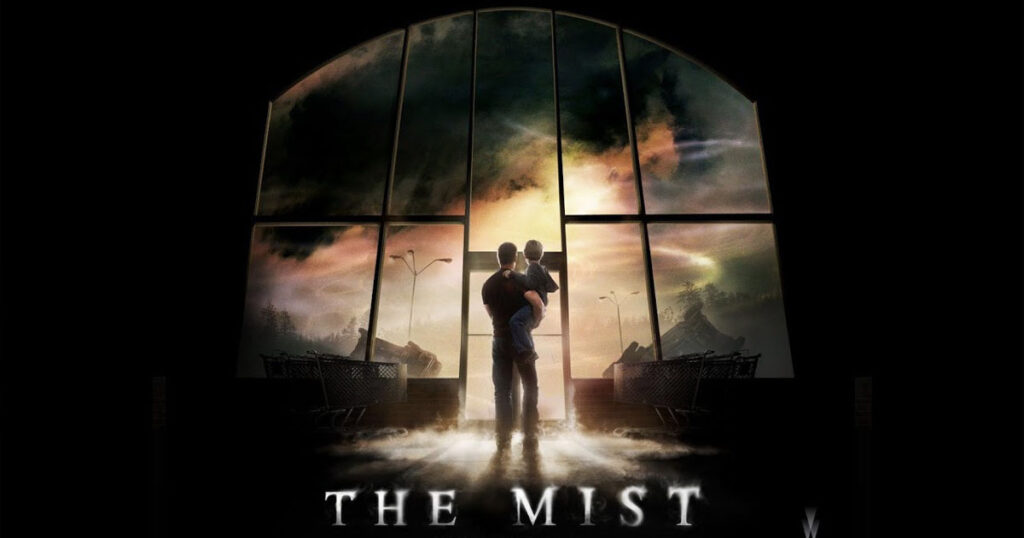
93. The Mist (2007) Monsters lurk in the fog, but the true terror is inside the supermarket. Frank Darabont exposes how quickly civilized humans devolve into violent zealots when faced with the unknown. The ending is so brutally devastating that it will haunt your thoughts for weeks.
92. Frailty (2001) A chilling exploration of religious fanaticism told through the eyes of a child. When a father claims God told him to kill demons disguised as humans, the realism of child abuse masked as divine intervention is deeply unsettling. The dread here is emotional and heavy.
91. Angel Heart (1987) A sweaty, atmospheric descent into neo-noir hell. The movie drips with a suffocating, swampy dread. The psychological unraveling of the protagonist is grounded in such a gritty, realistic world that the supernatural twist hits you like a physical blow.
90. Jacob’s Ladder (1990) Trauma, war, and hallucinatory terror blend perfectly. The realistic portrayal of PTSD serves as the anchor for horrifying, demonic visions. It leaves you feeling disoriented and frightened by the fragility of the human perception of reality.
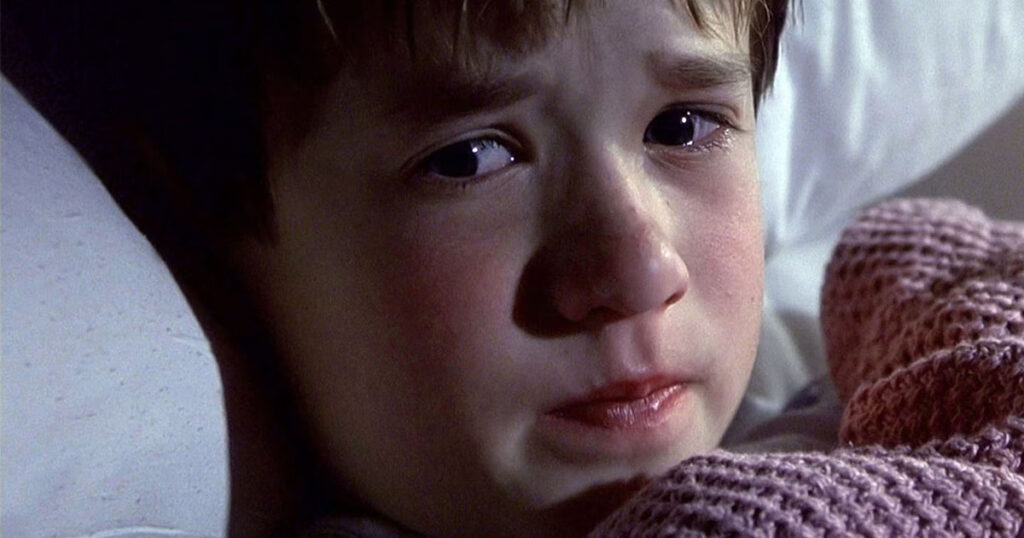
89. The Sixth Sense (1999) Beyond the famous twist lies a movie drenched in melancholic dread. The realism of a child grappling with a terrifying “gift” makes the ghostly encounters deeply upsetting rather than just scary. It leaves a lasting, sad chill in your bones.
88. The Others (2001) Gothic horror done right. The thick fog, the locked doors, and the agonizingly slow burn of suspense. It plays on our primal fear of the dark and the unknown entities sharing our living space, ensuring you’ll look twice at the empty corners of your home.
87. The Skin I Live In (2011) Body horror meets psychological torture. Pedro Almodóvar crafts a pristine, clinical nightmare about a surgeon and his captive. The realism of medical boundary-pushing makes the twisted revenge plot nauseatingly believable. It is a deeply uncomfortable watch.
86. Titane (2021) Visceral, shocking, and unapologetically brutal. The terror here is purely physical and emotional. The body horror is so grounded and squelchy that you will wince in pain. It leaves you with a lingering, chaotic sense of shock.
85. Raw (2016) A coming-of-age story wrapped in cannibalism. The realism of a young girl’s awakening hungers makes the gruesome scenes feel horrifyingly natural. It’s a movie that gets under your skin and makes you hyper-aware of your own flesh.
84. The House That Jack Built (2018) Lars von Trier forces you to ride shotgun with a highly intelligent, completely devoid-of-empathy serial killer. The procedural, realistic way he discusses his murders is chilling. The dread comes from the total lack of humanity on display.
83. Maniac (1980 / 2012) Whether the grimy original or the POV remake, the sheer terror comes from being forced into the headspace of a disturbed murderer. The realism of stalking and urban isolation makes this a deeply unpleasant, haunting experience that makes you want to take a shower.
82. Henry: Portrait of a Serial Killer (1986) This feels less like a movie and more like a snuff film you weren’t supposed to find. The absolute lack of glamorization makes the violence brutally realistic. It leaves a lingering, depressing dread about the monsters that walk among us.
81. The Vanishing (Spoorloos) (1988) The most terrifying film about kidnapping ever made. The villain isn’t a monster; he’s a boring family man who practiced his crime. The grounded reality of a loved one simply disappearing in broad daylight, combined with the bleakest ending in cinema, is pure trauma.
80. Funny Games (1997) Michael Haneke punishes the audience for watching. Two polite young men torture a family for no reason. The terror is in the total lack of motive and the realistic, agonizingly slow pacing. It leaves you feeling violated and deeply unsettled.
79. Goodnight Mommy (2014) Two twin boys suspect the bandaged woman returning from surgery is not their mother. The atmospheric tension builds to an excruciating climax. The psychological realism of childhood paranoia turning violent leaves a very bitter, lasting dread.
78. It Comes at Night (2017) Post-apocalyptic paranoia at its finest. The terror isn’t the virus outside; it’s the distrust inside the house. The agonizing realism of trying to protect your family while sacrificing your humanity makes this a profoundly stressful and lingering nightmare.
77. The House of the Devil (2009) A slow-burn masterpiece that perfectly captures the 1980s Satanic Panic. The dread is meticulously constructed through silence and pacing. By the time the horrifying reality is revealed, you are already suffocating from the tension.
76. The Invitation (2015) The horror of social politeness. You know something is deeply wrong at this dinner party, but the protagonist’s grief makes his paranoia questionable. The grounded realism of gaslighting makes the explosive, terrifying finale a lingering shock to the system.
75. The Autopsy of Jane Doe (2016) Claustrophobic, clinical, and terrifying. Set almost entirely in a morgue, the methodical autopsy of a mysterious corpse slowly reveals supernatural horrors. The realism of the mortuary procedures grounds the ghostly terror perfectly.
74. Pontypool (2008) A zombie movie where the virus is transmitted through language. Set entirely inside a radio booth, the fear relies on what you hear happening outside. The psychological dread of not being able to understand or speak safely is uniquely haunting.
73. Session 9 (2001) An asbestos cleaning crew slowly loses their minds in an abandoned mental asylum. The location itself is the monster. The grounded, blue-collar realism makes the descent into auditory hallucinations and violence incredibly disturbing.
72. Noroi: The Curse (2005) A Japanese found-footage masterpiece that feels terrifyingly like a real documentary. The complex, sprawling lore is grounded by mundane, realistic video formats. The dread slowly wraps around you like a snake, culminating in a deeply traumatic final image.
71. Lake Mungo (2008) A mockumentary about a grieving family experiencing paranormal events. It is a masterclass in subtlety. The realism of mourning makes the ghostly apparitions profoundly sad, but the lingering dread comes from a single, terrifying visual revelation near the end.
70. The Medium (2021) This Thai-Korean co-production brings raw, visceral terror to shamanistic beliefs. The documentary style grounds the horrifying possession of a young woman in rural Thailand. It leaves you with a deeply unsettling fear of ancient, unseen spiritual forces.
69. Shutter (2004) A legendary Thai horror that weaponizes guilt. The concept of a ghost physically weighing you down is a brilliant metaphor for past sins. The realistic portrayal of ignoring one’s conscience leads to one of the most haunting, iconic final shots in horror history.
68. Dark Water (2002) Hideo Nakata crafts a terrifying story of a single mother, a decaying apartment, and a mysterious leak. The fear of failure as a parent grounds the supernatural dread. The bleak, uncompromising ending leaves a heavy, melancholic haunting.
67. Ju-on: The Grudge (2002) Pure, unrelenting supernatural terror. The curse doesn’t care if you are a good person; if you enter the house, you die. This total lack of rules or mercy, combined with the iconic throat-rattle sound, guarantees you’ll be checking your closets at night.
66. Ring (1998) The film that ignited the Asian horror boom. The terrifying concept that watching a simple VHS tape acts as a death sentence is grounded by the protagonist’s desperate, journalistic investigation. The final manifestation of Sadako is permanently burned into cinematic history.
65. Candyman (1992) Urban legends meeting systemic racism. The horror of the Cabrini-Green housing projects grounds the supernatural hook-handed killer in harsh reality. The lingering dread comes from the hypnotic, romanticized nature of the violence and the haunting Philip Glass score.
64. Hellraiser (1987) Clive Barker introduced us to the Cenobites, beings to whom pain and pleasure are indivisible. The body horror is incredibly visceral, but the true terror is the realistic, selfish desires of the human characters that summon the monsters in the first place.
63. Black Christmas (1974) The pioneer of the modern slasher. The terror comes from the realism of the threat: a stranger is already inside the house. The disturbing, obscene phone calls and the agonizingly unresolved ending leave a heavy, lingering sense of vulnerability.
62. The Innocents (1961) A gothic masterpiece of ambiguity. Are the children possessed, or is the governess losing her mind? The psychological realism of repressed sexuality and paranoia makes the haunting atmosphere suffocating.
61. The Haunting (1963) No gore, no visible monsters, just pure psychological dread. The film uses sound and camera angles to make the house itself feel like a living, breathing predator. It perfectly captures the terrifying realism of feeling completely unwelcome in a physical space.
60. Poltergeist (1982) The horror of the suburban American dream being ripped apart. The realism of a loving, normal family dealing with an escalating paranormal threat makes the scares hit harder. It leaves a lingering fear of the everyday objects in your home.
59. The Changeling (1980) A grieving man moves into a massive, historic home, only to uncover a tragic ghost story. The sheer terror is built through simple, realistic means: a bouncing rubber ball, a playing piano. The dread is elegant and deeply chilling.
58. Return of the Living Dead (1985) While darkly comedic, the underlying nihilism is terrifying. The zombies here are fast, intelligent, and unkillable. The realism of the incompetent military response and the absolutely bleak, apocalyptic ending leaves a surprising, lingering sense of doom.
57. Day of the Dead (1985) George A. Romero traps us underground with scientists and military men who hate each other more than the zombies. The claustrophobia is intense, and the realistic portrayal of human communication breaking down in a crisis is far scarier than the undead.
56. Dawn of the Dead (1978) The mall setting is a brilliant critique of consumerism, but the terror lies in the slow realization that society is never coming back. The apocalyptic dread is grounded in the realistic, mundane struggles of survival.
55. The Cabin in the Woods (2011) A brilliant deconstruction of the genre that still manages to be terrifying. The realism here is the corporate, bureaucratic nature of the horrors being unleashed. The lingering dread comes from its cosmic, nihilistic finale.
54. Scream (1996) Wes Craven revitalized the slasher by making the characters aware of horror tropes. The terror is highly grounded—the killer is just a clumsy human in a mask with a knife. The opening sequence remains one of the most realistic, agonizing displays of terror on film.
53. It (2017) Stephen King’s masterpiece of childhood trauma. Pennywise is terrifying, but the grounded realism of the abusive, neglectful adults in Derry makes the town itself the true monster. The lingering dread is the memory of how vulnerable childhood truly is.
52. Longlegs (2024) A modern exercise in suffocating dread. The atmosphere is heavy, satanic, and deeply uncomfortable. The realism of the FBI procedural elements clashes terrifyingly with the occult, leaving a lingering, sticky feeling of evil that is hard to shake off.
51. Talk to Me (2022) Teenagers treat possession like a party drug. The absolute realism of modern youth culture—recording trauma for social media—makes the horrifying consequences hit with brutal force. The ending is a masterstroke of lingering, inescapable despair.
50. X (2022) A grimy, 1970s-style slasher that explores the horrors of aging and unfulfilled desire. The realism of the Texas setting and the shockingly brutal violence make the dread feel sticky and oppressive.
49. Pearl (2022) A technicolor nightmare. Mia Goth delivers a deeply unsettling, realistic portrayal of a young woman’s descent into psychopathy due to isolation and crushed dreams. The final, agonizingly long smile will haunt your waking moments.
48. Insidious (2010) James Wan weaponizes silence and shadows. The terror comes from the violation of the family home, grounded by parents desperate to save their comatose son. The jump scares are earned, and the lingering dread of “The Further” stays with you.
47. The Conjuring (2013) A masterclass in classic haunted house mechanics. The grounded realism of the Warrens’ investigation makes the demonic presence feel authentic. The “hide and clap” scene alone is enough to make you fear the dark corners of your own home.
46. Sinister (2012) A true-crime writer discovers a box of snuff films in his attic. The realism of the Super 8 footage is genuinely stomach-churning. The film emits an aura of pure, corrupted evil that makes you want to turn on every light in the house.
45. The Strangers (2008) “Because you were home.” That single line cements this film as a masterpiece of realistic terror. Random, unmotivated home invasion is a primal fear. The lingering dread comes from knowing this could actually happen to anyone, anywhere.
44. A Tale of Two Sisters (2003) A gorgeous, heartbreaking Korean psychological horror. The terror is rooted deeply in family trauma and grief. The twist recontextualizes the entire film, leaving you with a profound sense of sadness mixed with lingering dread.
43. Inside (À l’intérieur) (2007) French extremity at its most brutal. A pregnant woman is terrorized in her home by a stranger who wants her unborn child. The sheer, grounded realism of the violence is agonizing. It is a traumatic watch that leaves a lasting scar.
42. Martyrs (2008) This film transcends horror and becomes a philosophical endurance test. The realistic, systematic torture of the protagonists is deeply upsetting. The dread here doesn’t linger; it fundamentally changes how you view pain and the afterlife.
41. The Wailing (2016) A sprawling, epic Korean horror that blends police procedural with demonic possession. The sheer helplessness of the bumbling police officer trying to save his daughter is painfully realistic. The ambiguous, terrifying climax leaves you questioning everything.
40. Don’t Look Now (1973) Grief is the ultimate monster. A couple in Venice experiences terrifying visions after the death of their daughter. The realistic portrayal of a fracturing marriage makes the shocking, bizarrely violent ending an unforgettable trauma.
39. Peeping Tom (1960) Released the same year as Psycho, this film destroyed its director’s career for being too disturbing. It forces the audience to look through the camera lens of a serial killer. The realism of voyeurism makes it a deeply uncomfortable, lingering nightmare.
38. Nosferatu (1922) A century later, Max Schreck’s Count Orlok remains visually terrifying. The silent film era restrictions make the movie feel like a nightmare captured on celluloid. The dread comes from the pestilence and plague he brings, a realistic fear of the era.
37. The Cabinet of Dr. Caligari (1920) The jagged, surreal sets reflect the fractured mind of the narrator. It is the grandfather of psychological horror. The lingering dread comes from the terrifying realization that you cannot trust your own perceptions.
36. The Fly (1986) David Cronenberg’s masterpiece is a tragedy disguised as body horror. The realism of a man slowly degrading from a disease he caused himself is profoundly heartbreaking and terrifying. You will be haunted by the loss of humanity.
35. The Omen (1976) What if your child is the Antichrist? The grounded, political thriller approach makes the satanic elements terrifyingly plausible. The lingering dread is the cold, calculated way the evil protects itself, sparing no one.
34. Carrie (1976) High school is hell, literally. The realism of brutal teenage bullying makes Carrie’s eventual telekinetic snap feel almost justified, yet horrifying. The sheer terror of the prom scene, bathed in blood and fire, is unforgettable.
33. The Wicker Man (1973) A devout Christian policeman investigates a disappearance on a pagan island. The daytime setting makes the horror unique. The realism of religious cults and mob mentality leads to one of the most genuinely horrifying, inescapable conclusions in cinema.
32. Pulse (Kairo) (2001) The most terrifying film about the internet ever made. It explores the profound loneliness of the digital age. The ghosts aren’t angry; they are deeply sad and infectious. The apocalyptic dread of fading away into nothingness will haunt you.
31. Audition (1999) Takashi Miike lulls you to sleep with a quiet romantic drama before unleashing hell. The realism of modern dating and deception makes the protagonist’s punishment excruciatingly terrifying. The lingering dread of the needle scene is unmatched.
30. The Orphanage (2007) A beautiful, gothic tale of a mother searching for her missing son. The atmospheric dread is palpable, but the true terror lies in the devastating, grounded reality of the final revelation. It leaves a haunting, emotional ache.
29. Paranormal Activity (2007) The simplicity is the genius. Watching a couple sleep in their own bed, knowing something is standing over them, tapped into universal nighttime anxieties. The realism of the security camera footage made a generation terrified of the dark.
28. 28 Days Later (2002) The “infected” aren’t zombies; they are people overcome with pure, unstoppable rage. The gritty, digital video realism of an empty London is chilling. The dread of societal collapse and the monstrous nature of surviving humans linger long after.
27. Train to Busan (2016) A claustrophobic zombie masterpiece on a speeding train. The realism of class struggle and human selfishness during a crisis is what truly terrifies. The emotional weight of the sacrifices leaves a lingering, tearful dread.
26. REC (2007) The pinnacle of found footage. Trapped in a quarantined apartment building with infected residents, the sheer visceral panic is contagious. The final scene in the pitch-black penthouse is a masterclass in heart-stopping terror.
25. Let the Right One In (2008) A vampire story grounded in the bleak realism of 1980s Swedish suburbs. The horror of childhood bullying is juxtaposed with the violent, bloody reality of vampirism. The haunting dread comes from realizing the boy’s tragic, inescapable future.
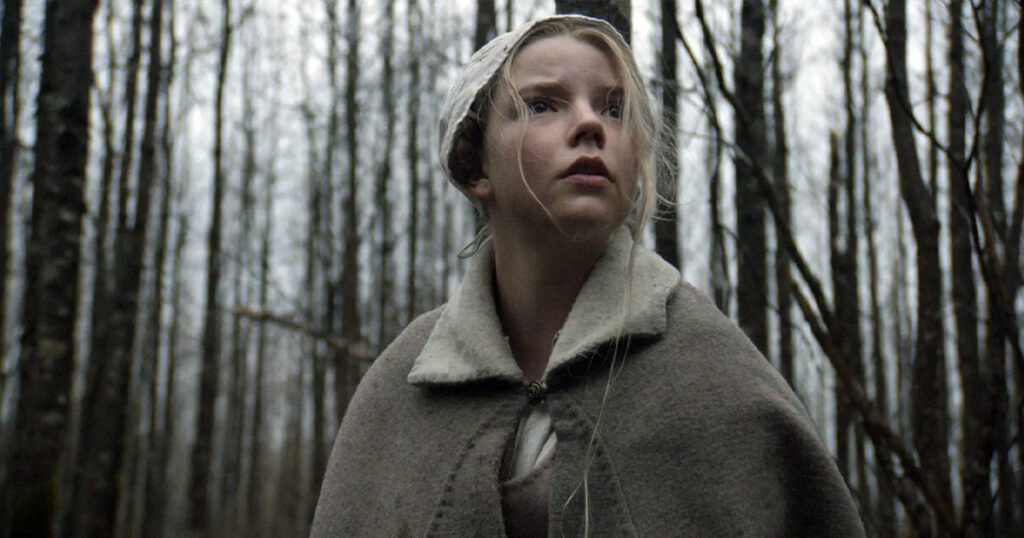
24. The Witch (2015) “Wouldst thou like to live deliciously?” Robert Eggers immerses us in the terrifying reality of 1630s Puritan paranoia. The isolation, starvation, and religious extremism make the eventual supernatural succumbing feel terrifyingly inevitable.
23. It Follows (2014) A relentless, slow-walking nightmare. The fear is the absolute inevitability of death. The wide, paranoid camera angles make you constantly scan the background for threats. It leaves you with a lingering anxiety of people walking toward you in public.
22. The Babadook (2014) A horrifying manifestation of grief and the exhausting reality of single motherhood. The monster is terrifying, but the grounded fear of losing control and hurting your own child makes this an overwhelmingly stressful and haunting experience.
21. Midsommar (2019) Horror in broad daylight. Ari Aster weaponizes empathy and toxic relationships. The realism of the protagonist’s devastating grief makes her eventual embrace of a murderous cult deeply unsettling. The lingering dread is wrapped in a bright, floral smile.
20. The Descent (2005) The claustrophobia sets in long before the monsters appear. Neil Marshall crafts a terrifyingly realistic portrayal of spelunking gone wrong. The sheer terror of being trapped underground makes the supernatural threat an overwhelming breaking point, leaving you gasping for air.
19. The Ring (2002) Gore Verbinski took the Japanese classic and drenched it in a cold, blue dread. The investigative realism grounds the cursed tape. The final scene, where the rules are broken, remains one of the most terrifying, lingering shocks in modern cinema.
18. A Nightmare on Elm Street (1984) Wes Craven weaponized the one place you are supposed to be safe: your dreams. The terrifying concept that sleep equals death is a primal fear. The surreal, grounded reality of the teenagers fighting exhaustion leaves a haunting, inescapable dread.
17. The Blair Witch Project (1999) The film that convinced the world it was real. The sheer terror of being lost in the woods, stripped of technology, and hunted by an unseen force is primal. The lingering dread of that final shot staring at the corner is legendary.
16. Evil Dead II (1987) A manic, blood-soaked descent into madness. Sam Raimi blends slapstick comedy with pure, unrelenting terror. The realism is gone, replaced by a surreal, chaotic dread that makes you feel like you are losing your mind alongside Ash.
15. The Evil Dead (1981) Gritty, gruesome, and unpolished. The independent, low-budget feel makes the horrific violence incredibly visceral and real. The isolation of the cabin and the relentless demonic assault create a suffocating, terrifying atmosphere.
14. Suspiria (1977) A neon-soaked, Italian nightmare. Dario Argento abandons logic for pure, sensory terror. The pulsing score and aggressive use of primary colors create a hallucinatory dread. It feels like a beautiful, terrifying fever dream that you can’t wake up from.
13. Night of the Living Dead (1968) The birth of the modern zombie. The black-and-white, documentary-style realism made the horrific violence shocking for its time. The claustrophobic farmhouse setting and the bleak, racially charged ending leave a lingering, cynical dread about humanity.
12. Get Out (2017) Jordan Peele turned systemic racism into a psychological horror masterpiece. The “Sunken Place” is a terrifying visual representation of marginalization. The grounded, horrifying realism of the party sequence leaves a lingering paranoia about the intentions of polite society.
11. Hereditary (2018) A devastating family tragedy hijacked by a demon. Ari Aster perfectly captures the suffocating reality of grief. The sheer terror comes from the inescapable nature of their bloodline. The final 20 minutes are a relentless, traumatic assault that will haunt your sleep.
10. The Silence of the Lambs (1991) Is it a thriller or a horror? When Hannibal Lecter is on screen, it is pure horror. The grounded realism of the FBI behavioral science unit makes the serial killers terrifyingly believable, presenting a gritty, bureaucratic procedural hunt for a monster. The terror is elevated by Clarice Starling’s palpable vulnerability in a male-dominated world. The night-vision climax in Buffalo Bill’s basement is a masterstroke of breathless, suffocating dread that makes you physically tense up.
9. Jaws (1975) Steven Spielberg didn’t just make a movie; he made the entire world permanently afraid to go into the water. Because the mechanical shark constantly malfunctioned, Spielberg was forced to rely on the suggestion of the monster, making the audience’s imagination do the terrifying work. The realism of the shark attacks, combined with the unseen terror lurking beneath the surface, tapped into a primal fear of the food chain. The agonizing tension of John Williams’ score and the claustrophobia aboard the Orca leave a lingering dread that ruins beach vacations to this day.
8. Rosemary’s Baby (1968) This film is a masterclass in the horror of bodily autonomy being stripped away by those you are supposed to trust. The satanic cult isn’t wearing gothic robes; they are the polite, nosy neighbors offering you tea. The grounded realism of a pregnant woman being systematically isolated, gaslit, and ultimately betrayed by her own husband for his career ambitions is nauseating. The dread doesn’t come from jump scares, but from the slow, methodical realization that there is no escape from this high-society demonic conspiracy.
7. Halloween (1978) John Carpenter took the safety of the American suburbs and turned it into an inescapable hunting ground. By utilizing voyeuristic camera work, Carpenter often forces us into the perspective of the stalker, peering from behind hedges and through blowing laundry. The Shape (Michael Myers) is terrifying because he is completely devoid of motive, humanity, or reason. The realization that pure evil doesn’t stay in haunted castles—it walks down picturesque streets in broad daylight wearing a blank mask—leaves a lingering fear of the dark just outside your window.
6. The Thing (1982) The ultimate exercise in apocalyptic paranoia. Trapped in a freezing Antarctic research station with a shape-shifting alien, the sheer terror is the profound realization that you cannot trust your closest friends, or even yourself. John Carpenter uses groundbreaking, visceral practical effects to showcase the violent tearing apart of the human form. The famous blood test scene is a masterclass in nerve-shredding tension. The bleak, unresolved ending in the freezing snow leaves a cold, existential dread about the loss of identity that is impossible to shake off.
5. Psycho (1960) Alfred Hitchcock committed the ultimate cinematic sin by brutally killing his leading lady in the first act, completely shattering the audience’s sense of safety. From there, he forces us into the uncomfortable hands of Norman Bates. The realism of Norman—a polite, stuttering, seemingly harmless man running a roadside motel—was terrifyingly modern for its time. He hid a fractured, murderous psyche behind a boyish smile. The lingering, iconic dread of the shower scene fundamentally changed how society viewed everyday vulnerability, making people genuinely afraid to close their eyes under the water.
4. Alien (1979) Ridley Scott essentially crafted a haunted house movie set in the cold vacuum of space. The gritty, industrial realism of the Nostromo makes the crew feel like working-class truckers rather than pristine scientists. This grounded approach makes their slaughter by a biomechanical nightmare profoundly terrifying. The xenomorph isn’t just a monster; it is a perfect apex predator unclouded by conscience or morality. The claustrophobic design of the ship turning into a dark, industrial tomb, coupled with Ripley’s agonizingly realistic struggle for survival, creates a suffocating dread that is absolute and inescapable.
3. The Texas Chain Saw Massacre (1974) Tobe Hooper’s grimy masterpiece doesn’t feel like a movie; it feels like a cursed documentary of a slaughterhouse that you stumbled upon by mistake. The daytime terror, the suffocating Texas heat, and the chaotic, buzzing soundtrack create an atmosphere of pure, unfiltered panic. The horrifying realization is that the cannibalistic Sawyer family isn’t supernatural; they are a twisted, forgotten product of economic decay. The relentless, non-stop screaming of the final act leaves a lingering, nauseating dread that practically smells like rust, sweat, and bone.
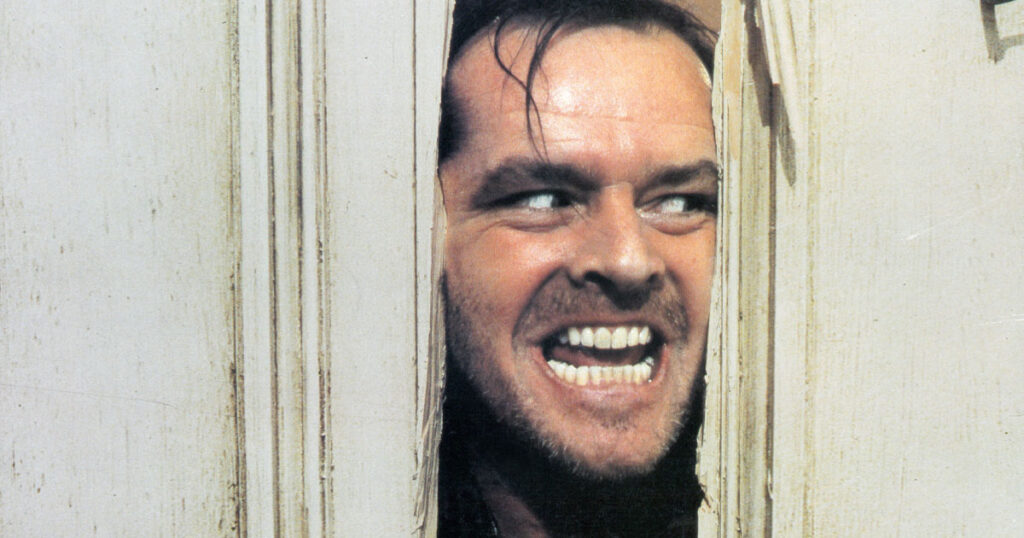
2. The Shining (1980) Stanley Kubrick’s hypnotic descent into isolation and madness goes far beyond a simple ghost story. The true terror isn’t just the bloody elevators or the twins of the Overlook Hotel; it’s the realistic, agonizingly slow deterioration of an abusive, alcoholic father. Kubrick’s tracking shots through the impossible geometry of the hotel create a subliminal, dizzying sickness. The sheer horror lies in being trapped in a massive, empty snow globe with a loved one who actively wants to murder you. The psychological dread wraps around your brain like a vice and refuses to let go.
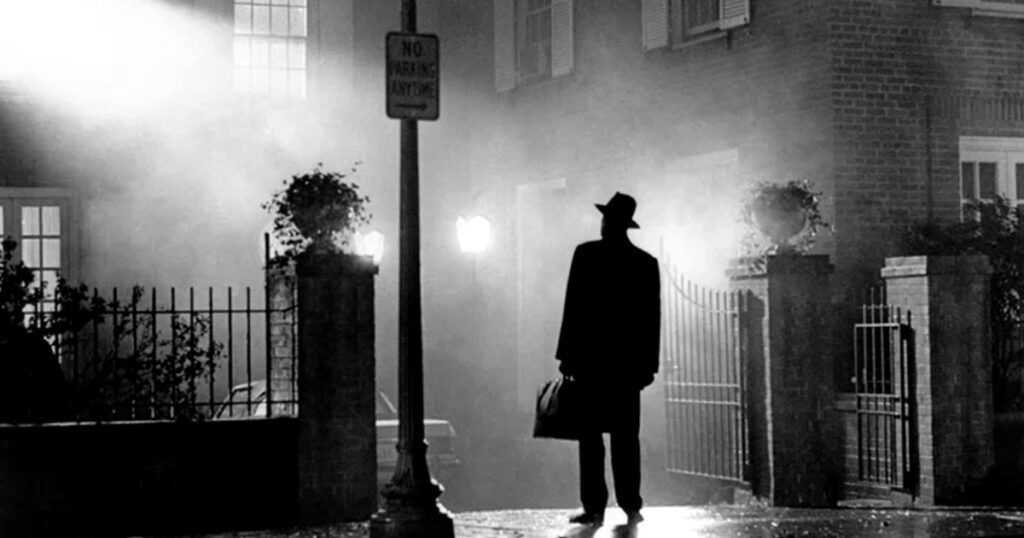
1. The Exorcist (1973) More than half a century later, this remains the undisputed king of cinematic terror. William Friedkin’s genius was grounding the supernatural in cold, clinical medical and psychological realism. Before we even see the demon Pazuzu, we are forced to watch a mother agonizing over her daughter’s inexplicable, violent illness, enduring medical tests that feel just as horrific as the possession itself. The film presents pure, unadulterated evil violating the most innocent thing imaginable. The sheer, visceral degradation, the iconic makeup, and the profound, exhausting battle between good and evil create a lingering, oppressive dread that transcends cinema. It is a movie that genuinely feels dangerous to watch, leaving a permanent stain on the viewer’s soul.
The Eternal Impact of the Greatest Horror Movies
When looking across the countless lists compiled by esteemed critics at IndieWire, the dedicated, obsessive fans on Letterboxd, or the aggregate scores of Rotten Tomatoes and IMDb, a singular, undeniable truth emerges about the greatest horror movies.
They are those rare pieces of art that reflect our deepest, most unspoken anxieties back at us. They are not merely composed of cheap jump scares or buckets of artificial blood. Instead, they serve as cinematic mirrors, holding up our real-world traumas, societal fears, and personal grief for us to confront.
The consensus across the media landscape is clear: true horror transcends the screen. It’s built on that chilling realism and the suffocating, lingering dread that follows you down a dark hallway at night, making you question what truly lurks in the shadows.
That is the haunting beauty and the eternal power of this genre. It serves as a dark reminder that while the movie always ends, the fear is something we carry with us forever.