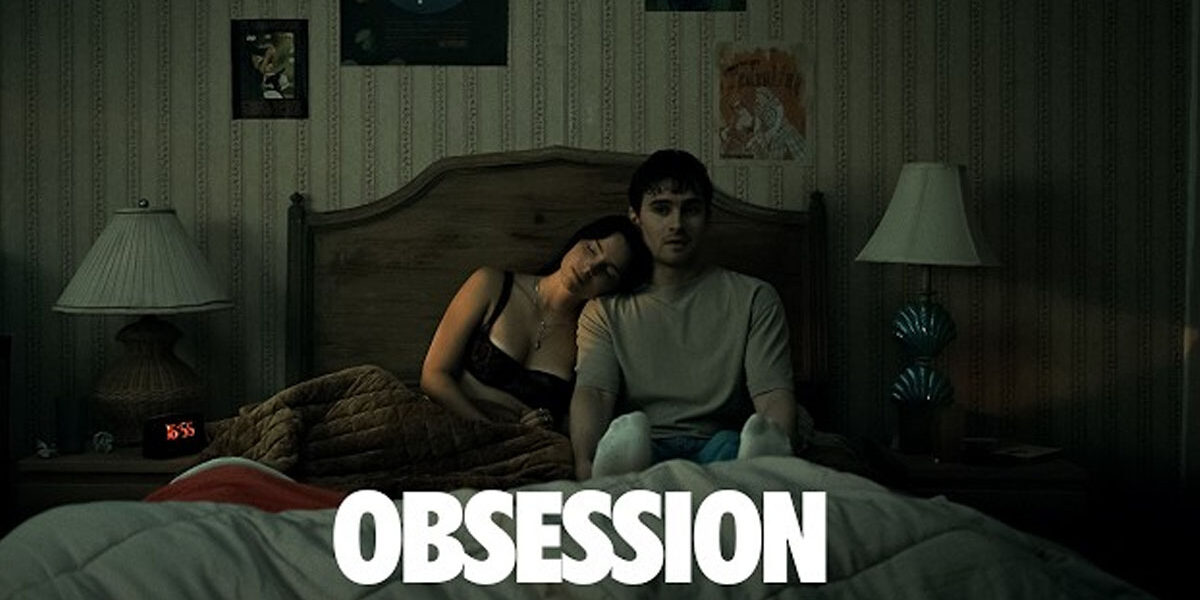
If you’re seeking a standard, jump-scare-laden popcorn flick to pass a Friday night, you might want to look elsewhere. As we dive deep into this Obsession 2026 review, it becomes immediately apparent that this film is attempting something far more insidious. The modern thriller genre is often a crowded room, choked with predictable tropes of stalkers hiding in the shadows and final-girl clichés. But Obsession, the latest and arguably most controversial foray into cinematic darkness this year, slips past the velvet ropes of conventional suspense. It doesn’t just want to scare you; it aims to seduce you into its beautifully toxic ecosystem.
This isn’t a rudimentary story of a boogeyman hiding under the bed; it’s a terrifyingly elegant waltz with the monster already sleeping beside you. The film crafts a narrative so steeped in desire, manipulation, and the erosion of self that it feels less like watching a movie and more like eavesdropping on a private, damning confession you shouldn’t be hearing.
The Architecture of a Golden Cage

What strikes you first about Obsession isn’t the overarching plot, but the suffocating architecture of its world. The director, proving to be a master of spatial storytelling, uses the setting not just as a backdrop, but as a living, breathing antagonist. We are aggressively ushered into a realm of extreme, almost clinical luxury.
The protagonist’s life is a masterclass in curated perfection. Everything—from the stark, minimalist furniture to the impossibly crisp linens and geometric artwork—is designed to project absolute control. Yet, this very perfection becomes the ultimate trap. The cinematography brilliantly favors cold, hard surfaces—glass, brushed steel, polished marble—to visually reflect the emotional barrenness of the characters. It’s a golden cage where every high-end luxury is a hidden shackle. The camera lingers on these opulent details with a voyeuristic intensity, transforming the audience from passive viewers into complicit witnesses to a slow-motion car crash.
The Illusion of Control and the Art of Erasure
The dark beating heart of this Obsession 2026 review hinges on the film’s masterful exploration of control. In traditional thrillers, the victim is acutely aware of their peril early on, leading to a cat-and-mouse chase. Here, the horror stems entirely from the illusion of agency. The narrative isn’t a chase; it’s a slow, agonizing unraveling of personal boundaries.
The antagonist isn’t a shadowy, knife-wielding figure in a damp alleyway, but a charming, aggressively supportive presence who is dismantling the protagonist’s life with terrifying, surgical precision. We witness the slow erosion of trust and sanity, not through dramatic, screaming confrontations, but through microscopic, almost imperceptible shifts in relationship power dynamics. It’s the deliberately misplaced keys, the casually “forgotten” appointments, the subtle gaslighting disguised as loving concern. The genius of Obsession lies in making the victim doubt their own reality long before they ever suspect their tormentor.
A Dance of Micro-Expressions

A film relying so heavily on psychological warfare demands absolute perfection from its cast, and the lead performances here are staggering exercises in restraint. There is no scenery-chewing to be found. Instead, the terror is communicated through micro-expressions—a slight tightening of the jaw, a gaze held one second too long, the terrifying emptiness behind a warm smile.
The chemistry between the leads is electric, but it’s a dark, dangerous current. It’s a parasitic relationship masquerading as a symbiotic one. Watching them interact is like watching two grandmasters play chess, where one player doesn’t even realize the game has begun until they are already in checkmate. This nuanced acting elevates the script, preventing it from devolving into a soapy melodrama.
Modern Voyeurism: A Mirror to 2026
Where Obsession truly separates itself from thrillers of the past decade is its subtextual commentary on our current era. In 2026, where our lives are relentlessly documented, curated, and broadcasted, the film asks a chilling question: what happens when the surveilling lens is turned inward, wielded not by an algorithm or a corporation, but by a lover?
The film cleverly weaponizes modern convenience. Smart home technology, location tracking, and digital footprint monitoring aren’t used as flashy sci-fi gimmicks; they are presented as mundane, everyday tools of absolute subjugation. It reflects a societal anxiety about how the very things designed to keep us connected and safe are the exact instruments used to isolate and imprison us.
A Symphony of Silence
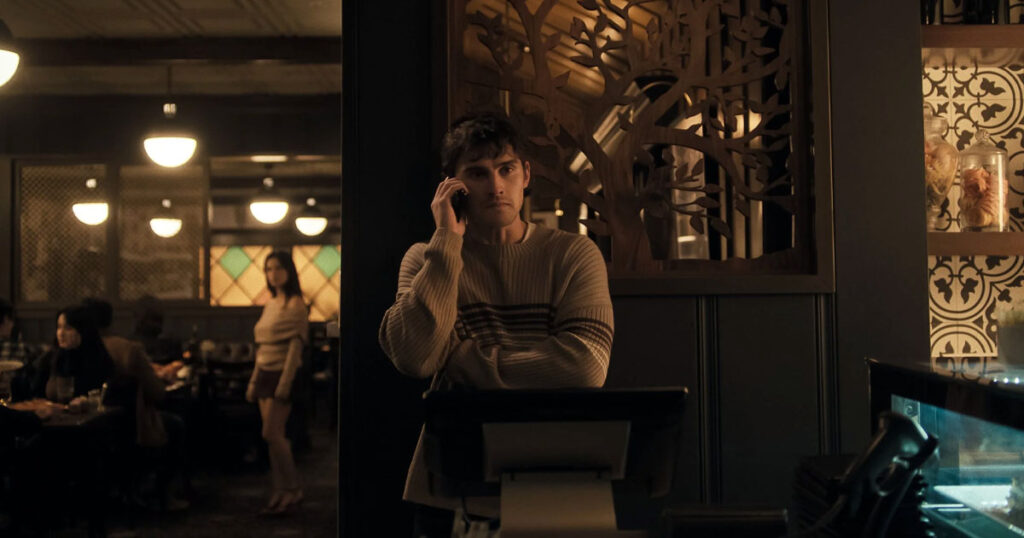
If Obsession possesses a flaw, it’s that it occasionally indulges its own melancholic aesthetic a fraction too much. There are sequences where the film seems so enamored with its own visual poetry that the narrative momentum slightly languishes. However, when it hits its stride, it utilizes sound design—or rather, the aggressive lack thereof—with devastating effect.
The film bravely abandons a sweeping, manipulative orchestral score in favor of hyper-amplified, diegetic sounds. The scrape of a dining chair against marble, the rhythmic ticking of a designer clock, the ragged intake of breath in an empty room; these become the true, unnerving soundtrack of terror. The silence in the film isn’t empty space; it’s thick and pregnant with unspoken threats. It’s in these quiet, claustrophobic moments that Obsession truly sinks its hooks into your psyche.
The Final Verdict: A Beautiful, Suffocating Nightmare
When looking at the broader critical landscape, opinions on Obsession are sharply divided. Mainstream outlets have occasionally docked points for its deliberate pacing, labeling it a “slow burn” that demands too much patience. Conversely, arthouse critics are praising its methodical dismantling of the romantic thriller genre.
Synthesizing these views, our take is that the friction is the point. Obsession is an intentionally challenging watch. It refuses to offer easy answers, a moral high ground, or a neat, cathartic resolution where the villain is vanquished and trauma is magically healed. Instead, it forces the viewer to confront the deeply uncomfortable reality that monsters rarely look like monsters; they often wear the faces of those we willingly invite into our sanctuaries.
It’s a chilling, lingering reminder that the most dangerous place isn’t the dark, unknown world outside; sometimes, it’s the dead center of someone else’s complete, unyielding attention. Obsession might not break box office records set by fast-paced action blockbusters, but it’s a film that will crawl under your skin, lay its eggs, and stay there long after the credits roll. It is a beautiful, deeply unsettling nightmare, and for those willing to endure the psychological toll, it is absolutely essential viewing.