For over two decades, the global box office has been heavily dominated by men and women in spandex saving the world from sky beams and alien invasions. These four-quadrant blockbusters are meticulously engineered for mass appeal, keeping the violence sanitized and the themes relatively straightforward to secure that lucrative PG-13 rating. However, there has always been a voracious appetite for something far more visceral. A growing demographic of audiences yearns to see what happens when the kid gloves come off, leading to the rise and perfection of R-Rated Superhero Movies.
This specific subgenre strips away the squeaky-clean morality and invulnerability of traditional comic book adaptations. Instead, it leans heavily into the genuine consequences of vigilante justice, the psychological toll of possessing unimaginable power, and the gritty reality of a world that doesn’t play by traditional comic code rules. When studios allow filmmakers to embrace an adult rating, the result is often a profound, boundary-pushing piece of cinema that redefines pop culture. From the blood-soaked rave of the late 90s to the haunting, Oscar-winning character studies of the modern era, these mature narratives prove that comic book characters can offer so much more than mere escapism. If you are looking to explore the darker, unapologetic side of the comic book universe, here is a definitive exploration of the properties that completely shattered the mold.
Blade
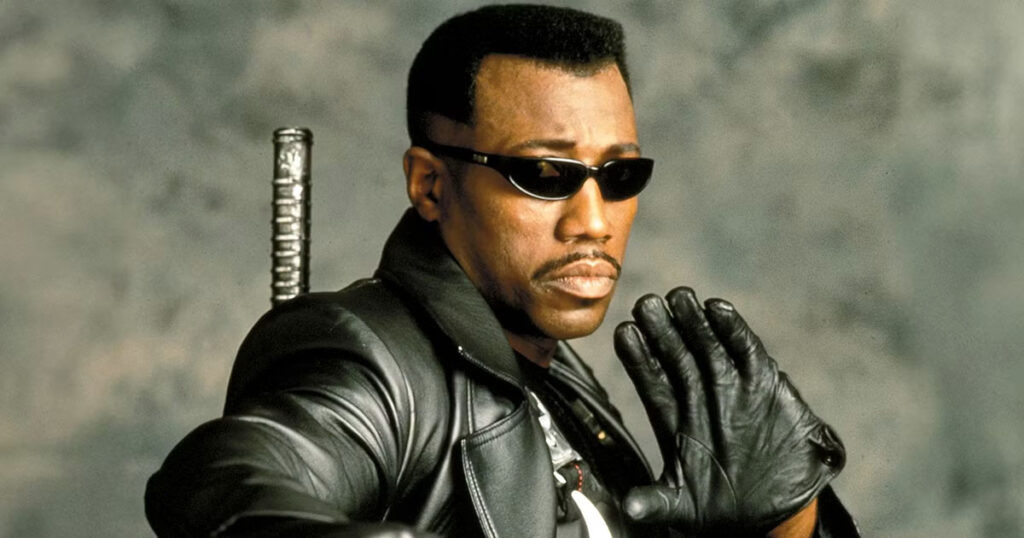
Before the Marvel Cinematic Universe became an unstoppable juggernaut, and even before Bryan Singer’s X-Men and Sam Raimi’s Spider-Man established the modern blueprint for the genre, there was a daywalker. Released in 1998, Blade was a cinematic revelation that is far too often omitted from conversations about the dawn of the superhero boom. At a time when comic book movies were reeling from the neon-drenched camp of Batman & Robin, director Stephen Norrington and writer David S. Goyer took a relatively obscure C-list Marvel character and transformed him into a definitive 90s pop-culture icon.
Wesley Snipes delivered a career-defining performance as Eric Brooks, a half-human, half-vampire hybrid who uses his unique physiology to hunt down the undead. Snipes brought an undeniable swagger, intense martial arts prowess, and a grounded stoicism to the role, dressing the hero in tactical body armor, a leather trench coat, and arming him with a titanium sword. The film’s opening sequence—the legendary “blood rave”—remains one of the most stylish and adrenaline-fueled introductions in action cinema history. It immediately established that this was not a film for children. The R-rating was utilized to showcase visceral, hyper-stylized violence, where vampires are not romanticized but depicted as a parasitic, biological disease feeding on humanity. Blade proved that a mature superhero movie centered around a Black lead could be a massive commercial success, fundamentally paving the way for everything that followed.
The Crow (Original 90s)
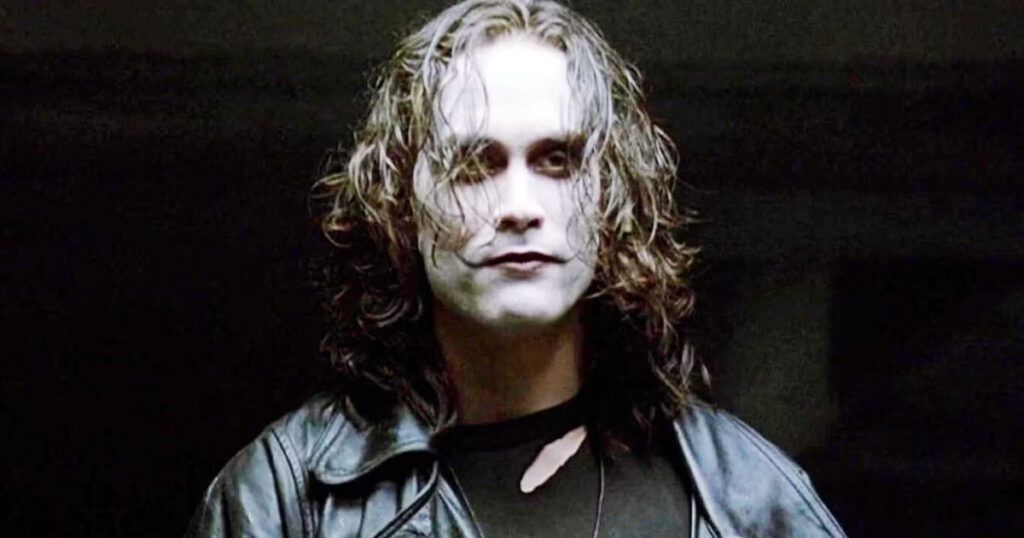
Long before the term “dark and gritty” became a tired Hollywood buzzword, director Alex Proyas crafted a gothic masterpiece that remains utterly singular in its visual execution and emotional resonance. The 1994 adaptation of James O’Barr’s independent comic book, The Crow, is a film steeped in tragedy, both on-screen and off. The heartbreaking accidental death of its star, Brandon Lee, during production cast a permanent, melancholic shadow over the film, yet his astonishing performance stands as a beautiful testament to his immense, unfulfilled potential.
The narrative follows rock musician Eric Draven, who is brutally murdered alongside his fiancée on Devil’s Night, only to be resurrected a year later by a mystical crow to exact his vengeance. What makes The Crow so enduringly captivating is its suffocating atmosphere. Proyas, utilizing his background in music videos, painted a dystopian Detroit bathed in perpetual rain, neon reflections, and grunge-era angst. The R-rating allows the film to unflinchingly depict the horrific violence of Draven’s murders and the subsequent, poetic brutality of his retribution. However, beneath the leather, the face paint, and the blazing gunfights, The Crow is fundamentally a movie about profound grief and the enduring power of true love. It is a haunting, expressionistic nightmare that resonated deeply with the alternative culture of the 1990s and demonstrated that comic book adaptations could be deeply soulful and visually poetic.
Spawn
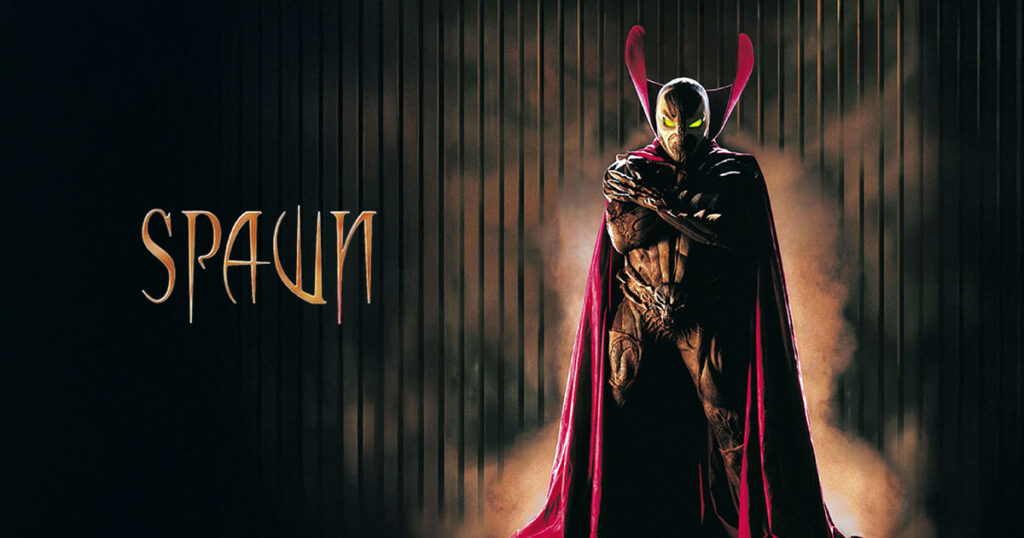
In the landscape of 1990s comic book cinema, Todd McFarlane’s Spawn was a groundbreaking antihero who defied every conventional superhero trope. Released in 1997, the live-action adaptation of the massively popular Image Comics series was a bold swing at bringing a literal agent of Hell to the big screen. The film made history by casting Michael Jai White as Al Simmons, an elite covert assassin who is betrayed, murdered, and subsequently makes a Faustian deal with the demon Malebolgia to return to Earth and see his wife again, only to be resurrected as a horribly scarred, superpowered Hellspawn.
While the film’s 1990s CGI might show its age today, the practical effects, creature designs, and the sheer ambition of its dark mythology remain highly commendable. Spawn fully embraced its macabre roots, leaning into the horrific and grotesque elements of its source material. It introduced mainstream audiences to a vigilante whose cape was a living, symbiotic entity, and whose primary adversary was a disgusting, flatulent demon masquerading as a grotesque clown (played with absolute unhinged glee by John Leguizamo). The narrative is steeped in themes of damnation, betrayal, and a war between Heaven and Hell that treats humanity as mere collateral damage. Spawn pushed the boundaries of what an origin story could look like, offering a relentlessly grim and visually aggressive aesthetic that carved out a dedicated cult following.
Watchmen
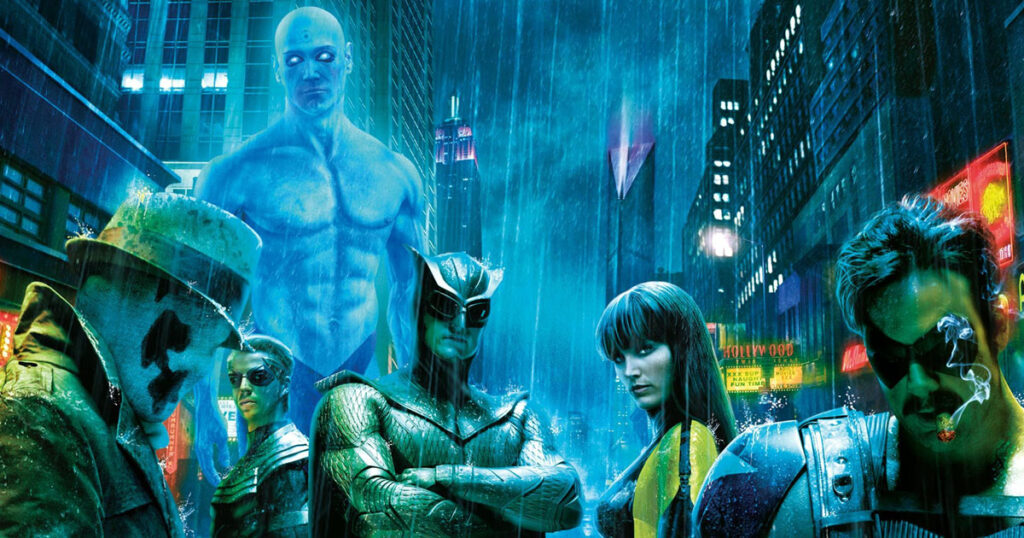
When it comes to deconstructing the very concept of the superhero, Alan Moore and Dave Gibbons’ seminal graphic novel Watchmen is the sacred text. For decades, it was considered entirely unfilmable. Then came Zack Snyder in 2009. Snyder’s cinematic adaptation is a hyper-faithful, visually staggering opus that leans heavily into the R-rating to capture the cynical, brutal, and politically charged essence of the Cold War-era source material. Instead of golden gods saving cats from trees, Watchmen presents masked vigilantes as deeply flawed, sociopathic, and psychologically damaged individuals.
Snyder utilizes the adult rating not merely for the sake of gore, but to underscore the horrific reality of violence and the terrifying implications of absolute power. From the bone-crunching brutality of Rorschach’s prison fights to the chilling, god-like detachment of Doctor Manhattan—who casually disintegrates human beings into pools of blood—the film forces the audience to question the morality of those who appoint themselves as our protectors. Furthermore, the legacy of Watchmen was brilliantly expanded upon by Damon Lindelof’s acclaimed 2019 HBO television series, which took the R-rated foundation and applied it to a profound exploration of systemic racism and generational trauma in America. Both the film and the series utilize mature storytelling to challenge the audience, transforming the narrative from a simple tale of good versus evil into a complex, morally ambiguous geopolitical thriller.
Kick-Ass
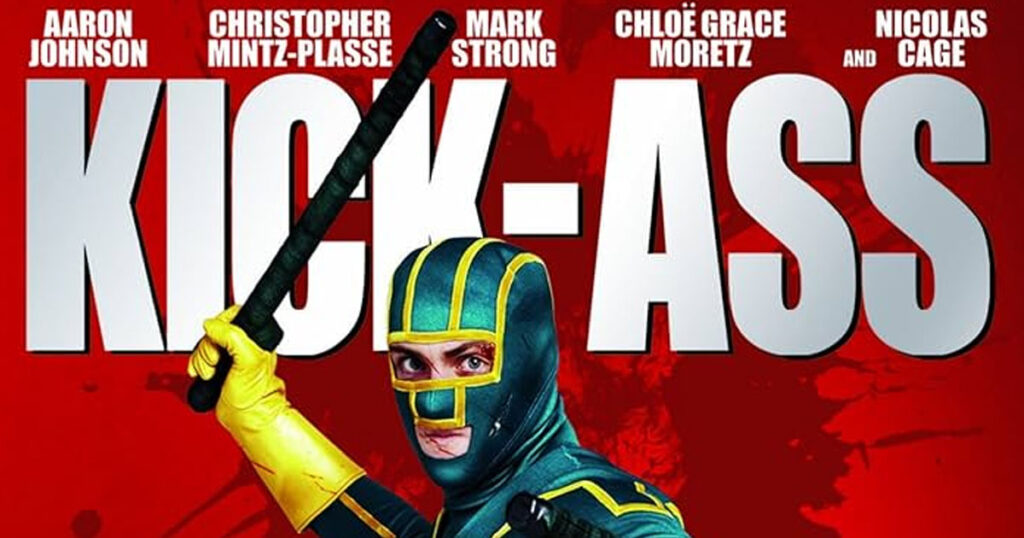
What would actually happen if a normal, comic-book-obsessed teenager put on a wetsuit and tried to fight crime in the real world? The answer, as presented by director Matthew Vaughn in the 2010 adaptation of Mark Millar’s Kick-Ass, is that he would get brutally stabbed, hit by a car, and require extensive nerve damage surgery. Kick-Ass was a massive shock to the system, arriving at a time when superhero films were just beginning to establish a cohesive and predictable formula. It operates as both a loving homage to comic book culture and a savage satire of the genre’s inherent absurdities.
The film perfectly balances dark comedy with hyper-kinetic, jaw-dropping violence. While Aaron Taylor-Johnson’s Dave Lizewski provides the grounded perspective, it is the introduction of Big Daddy (a delightfully unhinged Nicolas Cage) and his eleven-year-old daughter, Hit-Girl (Chloë Grace Moretz), that elevates the film into legendary territory. The juxtaposition of a foul-mouthed child executing seasoned mobsters with butterfly knives and high-caliber weaponry was incredibly controversial upon release, yet undeniably effective. Kick-Ass earned its R-rating through a relentless barrage of profanity, stylized bloodletting, and a complete disregard for political correctness. It is a wildly entertaining, transgressive thrill ride that strips away the fantasy of being a vigilante and replaces it with broken bones and unfiltered adrenaline.
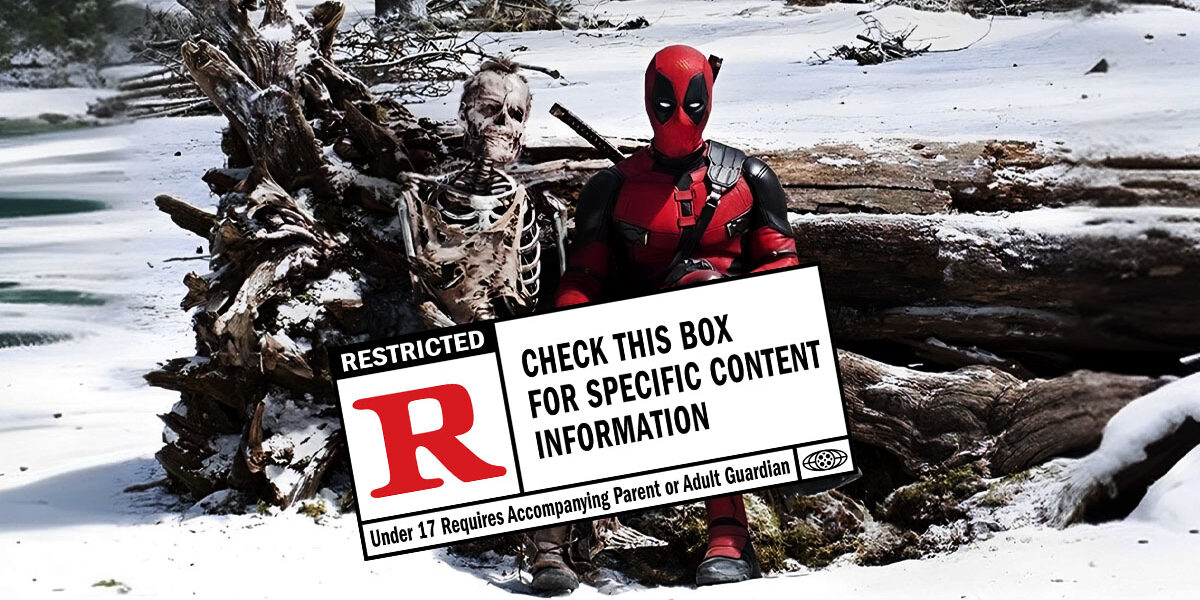
Deadpool
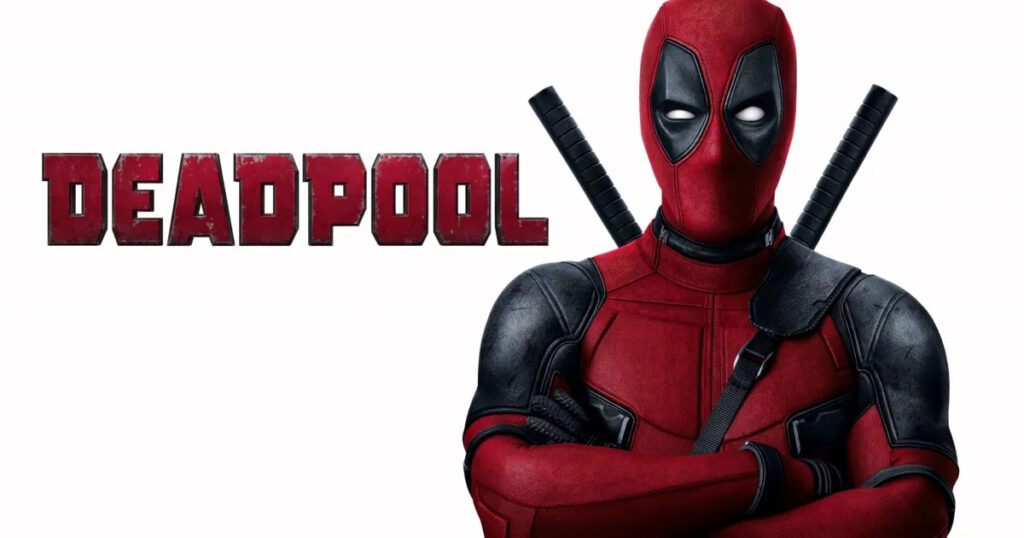
In 2016, a passion project that 20th Century Fox had famously hesitated to greenlight completely turned the entertainment industry upside down. Deadpool, starring Ryan Reynolds as the “Merc with a Mouth,” proved definitively that an adult-oriented comic book film could rival, and even surpass, the global box office numbers of its PG-13 contemporaries. After a disastrous initial portrayal of the character in X-Men Origins: Wolverine, Reynolds and director Tim Miller crafted a film that was relentlessly faithful to the chaotic, fourth-wall-breaking nature of the Marvel comic.
The sheer brilliance of Deadpool lies in its unapologetic self-awareness. It is a movie that actively mocks its own genre, taking aim at studio executives, confusing franchise timelines, and the predictable structures of origin stories. The R-rating was absolutely essential; it allowed Wade Wilson to utilize his signature vulgar vocabulary, engage in excessively gory decapitations, and embrace a crude, irreverent sense of humor that felt incredibly refreshing in an overly sanitized cinematic landscape. Beyond the juvenile jokes and the spectacular action sequences, Deadpool also succeeded because it anchored its madness in a surprisingly genuine romance and a straightforward revenge plot. It expanded into a massive franchise that fundamentally altered studio perceptions, demonstrating that adults are more than willing to show up for a film that refuses to take itself seriously.
Logan
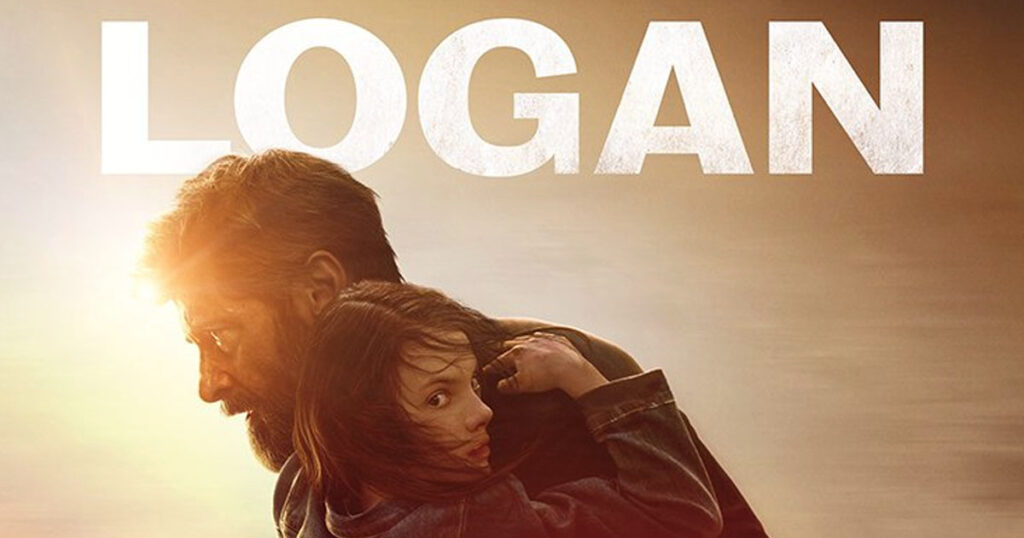
If Deadpool was the comedy that redefined the genre, James Mangold’s Logan (2017) is the dramatic masterpiece that legitimized it as high art. After playing Wolverine for nearly two decades across multiple films with varying degrees of quality, Hugh Jackman finally received the opportunity to portray the character as he was always meant to be seen: as an aging, blood-soaked, and deeply traumatized ronin. Logan is not a traditional superhero movie; it is a meticulously crafted neo-Western, drawing heavy thematic inspiration from cinematic classics like Shane and Unforgiven.
Set in a bleak near-future where mutants are practically extinct, the film follows a physically failing Logan who is caring for an elderly, dementia-stricken Charles Xavier (a heartbreaking Patrick Stewart). The introduction of a young female clone, Laura/X-23 (Dafne Keen), forces Logan into one final, reluctant mission of protection. The R-rating here is stripped of any glossy stylization; the violence is ugly, painful, and exhausting. When Wolverine’s claws sink into flesh, the audience feels the terrible weight of his berserker rage. Logan deals with profound themes of mortality, the burden of legacy, and the tragic consequences of a life lived in violence. It was the first live-action superhero film to be nominated for an Academy Award for Best Adapted Screenplay, proving that underneath the adamantium and the mutations, there is room for deeply human, devastating storytelling.
Joker
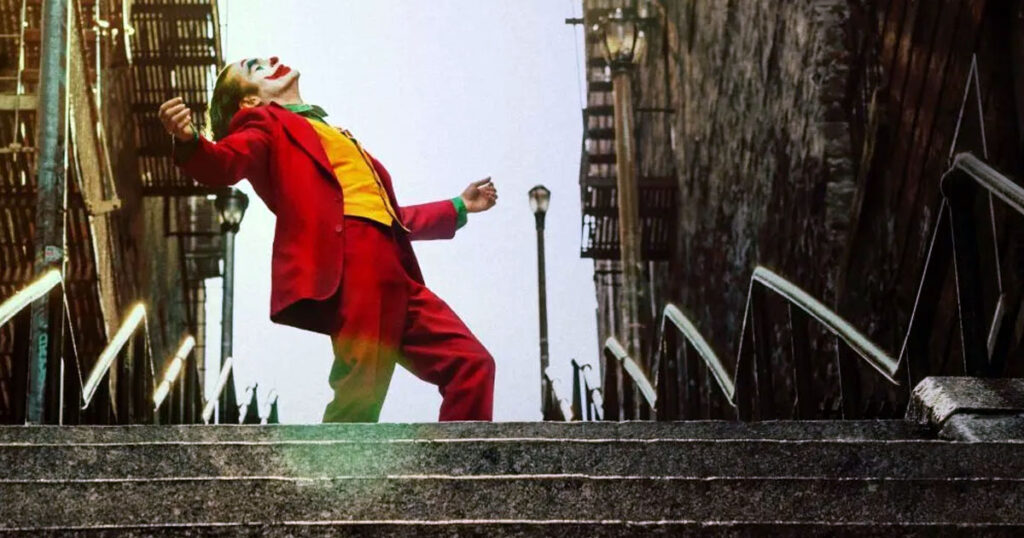
While technically a supervillain origin story rather than a tale of heroism, Todd Phillips’ Joker (2019) is undeniably one of the most influential and culturally significant comic book adaptations of the 21st century. Bypassing CGI spectacles and interconnected cinematic universes entirely, the film presents a grounded, chilling character study set in a decaying, late-1970s Gotham City that bears a striking resemblance to the gritty cinematic landscapes of Martin Scorsese’s Taxi Driver and The King of Comedy.
Joaquin Phoenix delivers a transformative, Oscar-winning performance as Arthur Fleck, a severely mentally ill and impoverished clown for hire who is consistently marginalized and brutalized by a cruel society. The film’s R-rating is utilized to create an atmosphere of suffocating tension and psychological dread. The violence, when it finally erupts, is not meant to be entertaining; it is shocking, messy, and deeply disturbing. Joker sparked intense global discourse regarding its depiction of mental health, class warfare, and societal neglect. It grossed over a billion dollars at the box office, a staggering achievement for a bleak, R-rated psychological thriller. It completely re-imagined what a comic book movie could be, treating its subject matter with absolute seriousness and demanding that the audience look directly at the uncomfortable realities of a society that creates its own monsters.
The Evolution of the Adult Comic Book Adaptation
When we synthesize the cultural impact of these extraordinary films and television series, a fascinating narrative emerges regarding the evolution of modern pop culture. The proliferation of mature comic book adaptations is not merely a reactionary desire for gratuitous violence, swearing, or cheap shock value. Rather, it represents a necessary maturation of the medium and the audience alike. The generation that grew up reading comic books and watching Saturday morning cartoons has entered adulthood, and they seek narratives that accurately reflect the complexities, traumas, and moral ambiguities of the real world.
These properties utilize their larger-than-life frameworks as a trojan horse to explore deeply human conditions. Logan uses a mutant with a healing factor to discuss the indignities of aging and the finality of death. Joker uses Batman’s greatest foe to indict a modern society that abandons its most vulnerable citizens. Watchmen uses costumed vigilantes to critique American imperialism and the terrifying nature of absolute power. Even the hyper-kinetic, satirical violence of Kick-Ass and the relentless meta-humor of Deadpool serve a greater purpose: challenging our unquestioning worship of idolized, infallible heroes.
Ultimately, the enduring legacy of these adaptations is that they have completely dismantled the invisible boundary between “comic book movies” and “prestige cinema.” They have proven beyond a shadow of a doubt that source material featuring capes, claws, and cowls can be successfully adapted into Oscar-worthy dramas, terrifying gothic horrors, and razor-sharp political satires. By stripping away the protective, sanitized veneer of a PG-13 rating, filmmakers are granted the ultimate superpower: the creative freedom to tell the truth, no matter how dark, bloody, or uncomfortable that truth may be. As Hollywood continues to navigate the ever-changing future of blockbuster entertainment, the unapologetic authenticity of these mature narratives will undoubtedly remain a crucial, driving force in shaping the stories we tell on the silver screen.