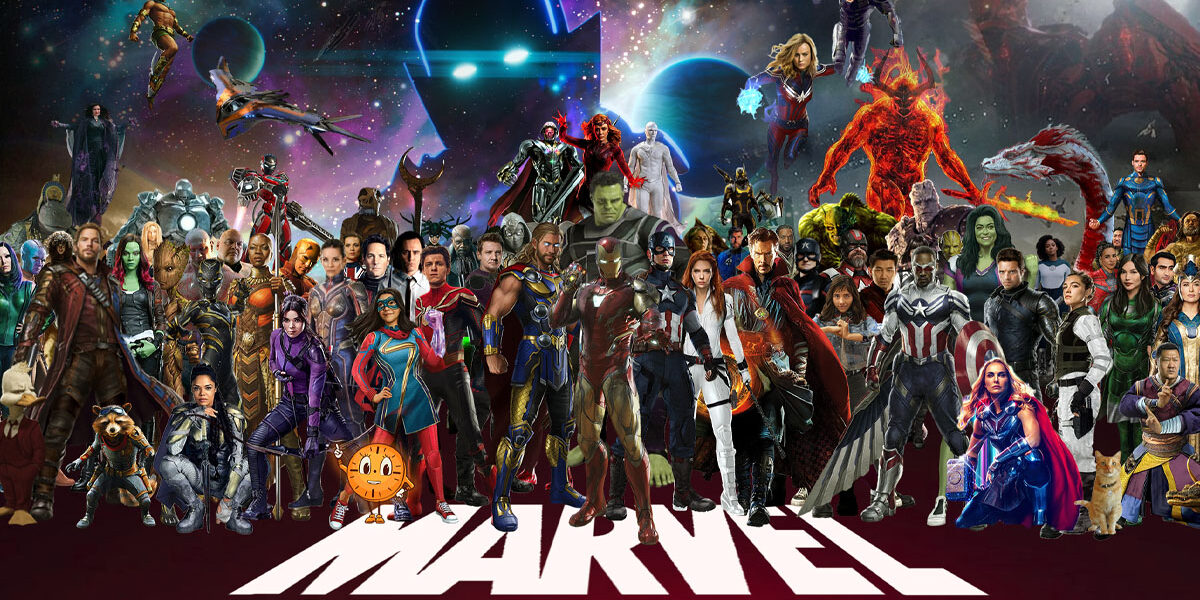
When you hear the name “Marvel” today, your mind immediately conjures images of blockbuster premieres, interconnected cinematic universes, and superheroes recognized in every corner of the globe. From the iron-clad brilliance of Tony Stark to the patriotic resilience of Captain America, the Marvel Cinematic Universe (MCU) has become the undisputed titan of modern pop culture. But the journey of Marvel was not forged solely in the sleek, high-tech studios of Hollywood. Long before the billion-dollar box office milestones, this empire was built on cheap paper, sheer desperation, and an unwavering belief in flawed heroes.
To truly understand the magnitude of what Marvel represents today, we must rewind the clock over eight decades. We must look past the pristine cinematic CGI and revisit an era of ink-stained fingers and economic uncertainty. The story of how a small publishing house survived wars, censorship, and an agonizing brush with bankruptcy to ultimately rewrite the rules of the entertainment industry is, perhaps, the most incredible Marvel story ever told.
The Timely Beginnings in a War-Torn World
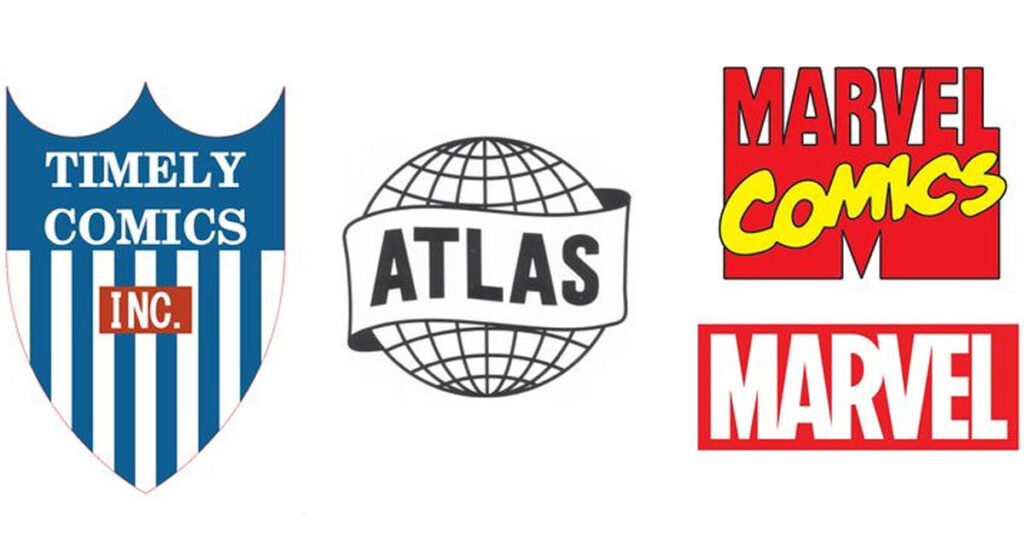
The entire saga traces its roots back to 1939, a time when the world was on the precipice of a devastating global conflict. A publisher named Martin Goodman decided to capitalize on the growing comic book trend, founding a company he called Timely Comics. In these early days, the roster looked vastly different from the Avengers we know. The premiere issue introduced the world to the original Human Torch—not Johnny Storm, but a synthetic, flame-engulfed android created by Professor Phineas Horton.
Alongside him emerged Namor the Sub-Mariner, the fiery-tempered prince of Atlantis. Namor was groundbreaking for his time; he wasn’t a righteous savior but a complex anti-hero who harbored a deep resentment for surface dwellers. The dynamic between the Torch and Namor established the first great rivalry within the budding universe, hinting at the moral ambiguity that would later become a Marvel trademark.
However, it was the eruption of World War II that cemented Timely Comics in the cultural zeitgeist. Two legendary creators, Joe Simon and Jack Kirby, introduced a character who became the ultimate symbol of American resilience: Captain America. March 1941 saw the release of Captain America Comics #1, featuring a legendary cover where the hero delivers a staggering right hook to Adolf Hitler. This was an audacious political statement, arriving months before the United States officially entered the war. Cap instantly became an anti-fascist icon, selling millions of copies and delivering Timely Comics its very first golden age.
Surviving the Slump and the Arrival of the “Marvel Age”

Post-war America, however, was a different landscape. The appetite for patriotic, Nazi-punching heroes waned rapidly. Audiences pivoted towards horror, true crime, romance, and westerns. Timely, rebranding itself as Atlas Comics in the 1950s, scrambled to keep up with these trends. Their struggles compounded when the industry faced severe moral panic, leading to the creation of the Comics Code Authority (CCA). This self-censorship board strictly sanitized content, severely crippling the horror and crime genres Atlas had come to rely on. It was a dark, stagnant period, and the company was barely keeping the lights on.
Salvation arrived from an unlikely source of frustration. By the late 1950s, rival publisher DC Comics was striking gold by reviving classic heroes and forming the Justice League. Martin Goodman tasked his editor—and nephew-in-law—Stan Lee with creating a competing superhero team. Legend dictates that Lee, deeply disillusioned with the industry’s repetitive nature, was ready to quit. It was his wife, Joan, who famously encouraged him to write one final story exactly the way he wanted, as he had nothing left to lose.
Liberated by this advice, Lee teamed up with the visionary artist Jack Kirby. In 1961, they unleashed the Fantastic Four. This was a profound departure from the norm. They weren’t a team of flawless demigods; they were a bickering, dysfunctional, yet deeply loving family. The book was a monumental success, sparking what is universally known as “The Marvel Age of Comics.”
The Revolution of the Flawed Hero and the Shared Universe

What separated Marvel from its predecessors was a potent dose of humanity. Stan Lee recognized that readers needed to see themselves in the heroes. He and collaborators like Kirby and Steve Ditko churned out an unprecedented roster of icons: The Hulk, Thor, Iron Man, the X-Men, Daredevil, and Spider-Man.
These weren’t just people with powers; they were people with problems. Peter Parker agonized over paying rent and protecting his aunt; the X-Men served as a brilliant allegory for civil rights and the pain of prejudice; Tony Stark wrestled with his ego and a failing heart. By giving gods and monsters relatable, everyday anxieties, Marvel revolutionized storytelling.
Simultaneously, Lee and his team pioneered the concept of the “Shared Universe.” Instead of isolating characters in fictional cities like Gotham or Metropolis, Marvel heroes lived in the real New York City. They bumped into each other, fought each other over misunderstandings, and occasionally teamed up. This interconnected narrative made the fictional world feel remarkably tangible and served as an ingenious marketing strategy. This very concept would become the architectural blueprint for the MCU decades later.
The Darkest Hour: Bankruptcy and “Selling the Darlings”
Despite the massive cultural impact throughout the 60s and 70s, the financial realities of the business caught up with Marvel in the most brutal way imaginable. By the 1990s, a combination of terrible corporate management, a bursting comic speculator bubble, and a shifting market brought the giant to its knees. In 1996, Marvel shockingly filed for bankruptcy.
Desperate for immediate cash flow just to keep the printing presses running, executives made a deeply painful decision: they sold off the film rights to their most prized characters. Spider-Man was auctioned to Sony Pictures; the X-Men, Fantastic Four, and Deadpool went to 20th Century Fox; The Hulk’s distribution rights landed at Universal. It was a necessary amputation to save the patient. Little did they know, this desperate fire sale would later become the greatest hurdle in building their own cinematic destiny.
During this bleak financial winter, the flame was kept alive by television animation. The critically acclaimed X-Men: The Animated Series (1992) and Spider-Man: The Animated Series (1994) introduced a whole new generation to complex, serialized Marvel storytelling. These shows planted seeds of nostalgia that would reap massive dividends when those child viewers grew into adult moviegoers.
The Great Gamble: The Birth of Marvel Studios

As the 2000s dawned, Marvel watched from the sidelines as Fox’s X-Men and Sony’s Spider-Man shattered box office records. While Marvel received licensing fees, the lion’s share of the profits enriched other studios. The success of Blade (1998), a dark, R-rated Marvel property produced by New Line Cinema, had already proven that comic book movies could be lucrative and critically viable.
This sparked an audacious idea championed by executive David Maisel. He proposed that Marvel should stop licensing and start producing its own films. The master plan involved taking the film rights of their remaining, arguably “B-list” characters—like Iron Man, Captain America, and Thor—and using them as collateral to secure a $525 million loan from Merrill Lynch. Marvel Studios was born on a historic, terrifying gamble. If their first self-produced movie failed, the bank would seize the rights to all the characters used as collateral. The company’s entire future rested on the armored shoulders of a single project.
Iron Man and the Dawn of an Empire
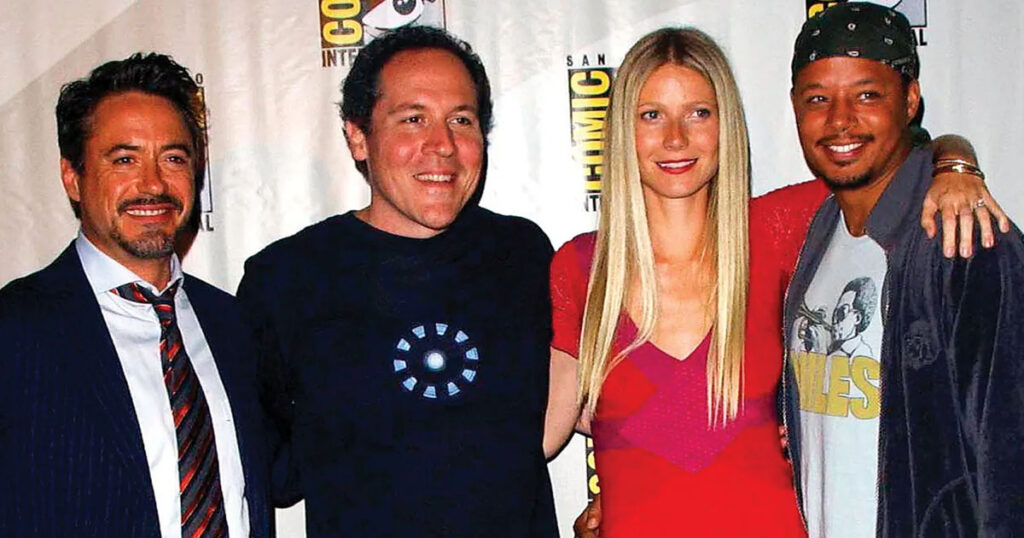
In 2008, Iron Man hit theaters. Directed by Jon Favreau and starring Robert Downey Jr., the film was a massive risk. Downey Jr. was an actor rebuilding his career after highly publicized personal struggles, but Favreau insisted he was the only man for the job. The resulting film was a masterpiece of casting and tone. Downey didn’t just play Tony Stark; he embodied him.
The movie was a critical and commercial triumph, but its most important moment came after the credits rolled. Samuel L. Jackson’s Nick Fury stepped out of the shadows to discuss the “Avenger Initiative.” It was a bold declaration to audiences: this was not a standalone movie; it was the prologue to a massive, interconnected universe.
Marvel ruthlessly executed their master plan. The Incredible Hulk, Iron Man 2, Thor, and Captain America: The First Avenger methodically laid the groundwork. In 2012, the impossible was achieved with The Avengers. Melding protagonists from different standalone franchises into a cohesive, balanced narrative was a cinematic tightrope walk. The resulting film shattered box office expectations, proving that the shared universe model wasn’t just viable; it was the new gold standard for Hollywood.
Expansion, Diversity, and the Multiverse Era
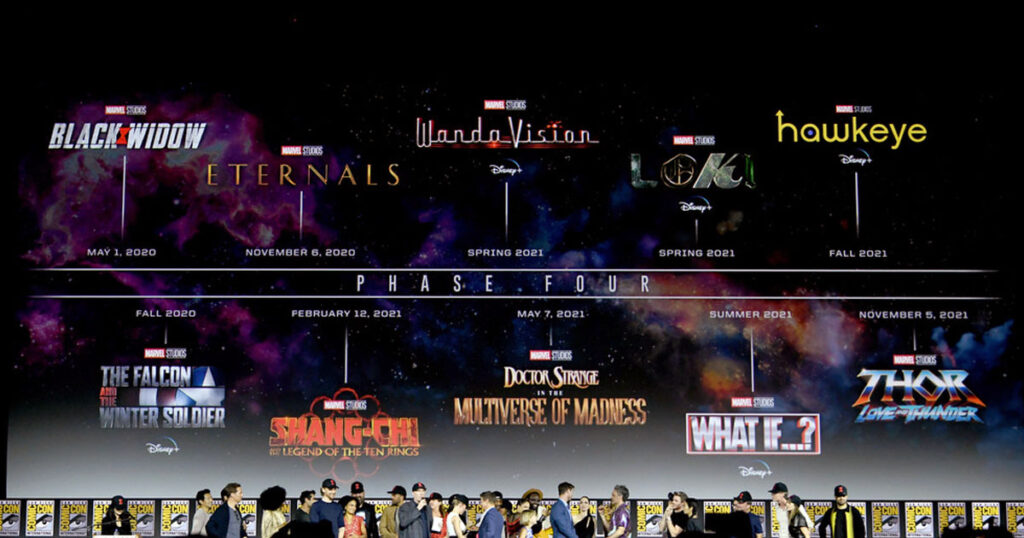
A pivotal turning point occurred in 2009 when The Walt Disney Company acquired Marvel Entertainment for $4.24 billion. Rather than diluting the brand, Disney provided Marvel Studios President Kevin Feige with the immense capital and creative freedom to expand the universe’s scope exponentially. This backing allowed for risky, wildly successful ventures like Guardians of the Galaxy and the expansion into high-budget, interconnected streaming series on Disney+.
As the universe expanded, so did its commitment to reflecting the real world. Marvel began championing diversity, realizing that a modern hero shouldn’t fit a single mold. The cultural phenomenon of Black Panther celebrated African heritage; Captain Marvel and Black Widow proved the drawing power of female-led blockbusters; Shang-Chi introduced phenomenal Asian representation; and heroes like Kamala Khan (Ms. Marvel) brought authentic Muslim-American experiences to the forefront.
Following the epic culmination of the Infinity Saga in Avengers: Endgame, the narrative focus shifted to the Multiverse—a concept that cracked reality wide open. It allowed for unprecedented crossovers, like uniting three generations of web-slingers in Spider-Man: No Way Home, and raised the stakes from planetary threats to the potential collapse of entire dimensions.
Looking Ahead: The Ever-Expanding Horizon
Today, the influence of Marvel is woven inextricably into the fabric of global pop culture. Lines like “I love you 3000” or “Wakanda Forever” transcend cinema to become part of our daily lexicon. The MCU’s interconnected model has fundamentally reshaped how studios approach franchise filmmaking.
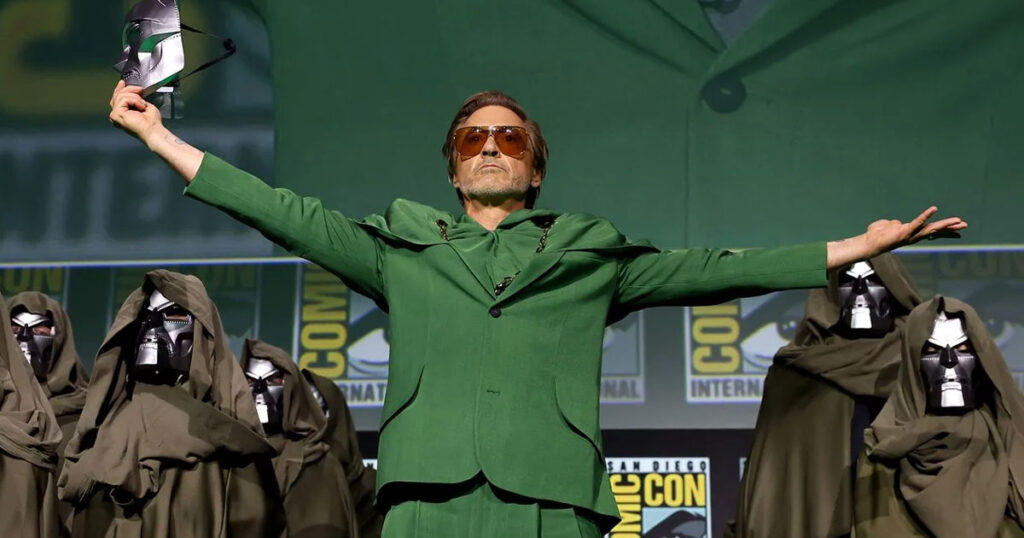
As we stand in May 2026, the journey of Marvel is entering perhaps its most fascinating chapter yet. The landscape has shifted dramatically. With the rights to the X-Men and the Fantastic Four firmly back in-house, the foundational pillars of Marvel Comics are finally taking their rightful place on screen. The Multiverse Saga has pivoted, steering away from previous cosmic threats to face a staggering new reality: the terrifying rise of Doctor Doom, brought to life by the return of Robert Downey Jr. As Avengers: Doomsday grips audiences worldwide, it paves a dark, thrilling path toward the ultimate collision in Secret Wars.
Meanwhile, back in the bustling offices of Marvel Comics, writers and artists continue to do what they have done for over 80 years: experiment, take risks, and invent new mythologies. The comics remain the vital laboratory where tomorrow’s cinematic blockbusters are born.
The journey of Marvel, from a struggling publisher to the apex predator of the entertainment industry, is a testament to the power of enduring storytelling. It is a story of surviving against the odds, taking massive financial gambles, and consistently betting on the profound idea that even the most powerful beings are defined by their very human flaws. As long as there are stories to be told about imperfect people striving to do what is right, the Marvel Empire will continue to thrive, endlessly reinventing itself for generations to come.