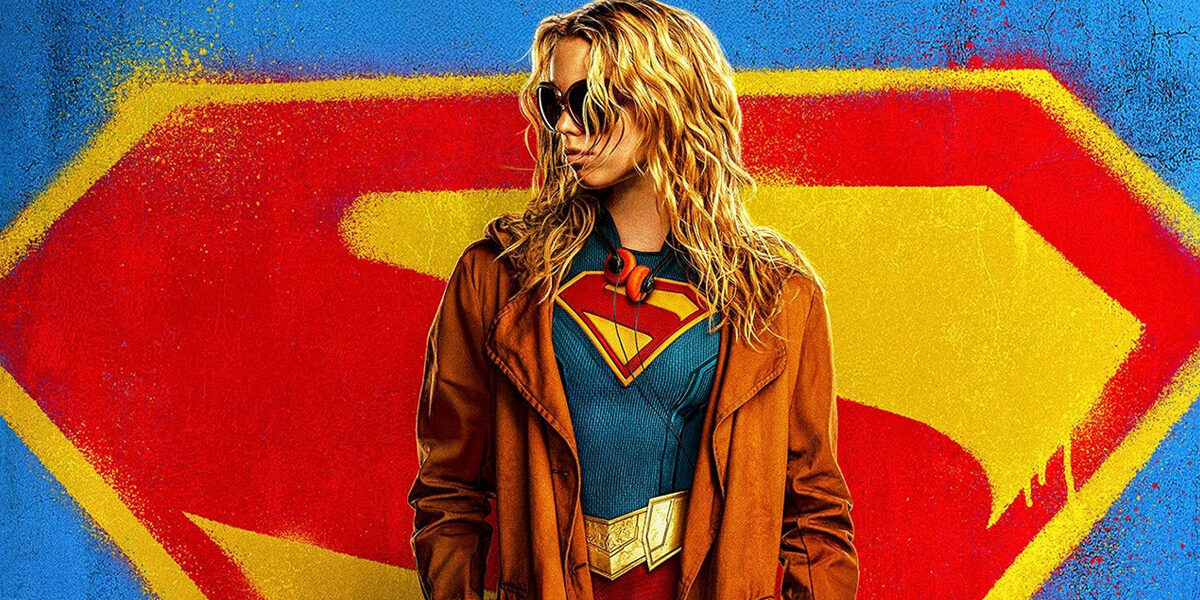
When the lights went down in theaters across the globe on June 26, 2026, the collective breath of the comic book fandom was held in quiet anticipation. We were finally stepping into the cosmic, uncharted territories of James Gunn and Peter Safran’s revitalized DC Universe. Following the massive pop-culture footprint left by last year’s Superman, expectations were astronomically high for Kara Zor-El’s solo outing. Yet, as the end credits rolled over the sprawling, alien landscapes, the reaction was not unified applause, but a cacophony of fierce debate. In this comprehensive Supergirl Woman of Tomorrow review, we are going to dissect the anatomy of this divisive cosmic western, exploring exactly why a film with such impeccable source material is currently struggling to match the critical heights of its Kryptonian predecessor.
To understand the polarizing reception of Supergirl: Woman of Tomorrow, we have to look at the massive shadow it is forced to fly under. The film is a bold, uncompromising swing for the fences, but in Hollywood, big swings often lead to spectacular misses in the eyes of mainstream critics. Let’s break down the journey of the Girl of Steel, the surprising dip in review scores, and what it means for the future of the DCU.
The Superman Comparison: Why the Scores Took a Dive

If we are going to talk about the current critical landscape, we must address the Kryptonian elephant in the room. When James Gunn’s Superman soared into theaters in July 2025, it was met with a generally warm embrace. Sure, some critics called it overstuffed, criticizing Gunn’s tendency to cram decades of lore and multiple superhero cameos into a two-hour runtime. But David Corenswet’s benevolent, “good boy” charm, coupled with a bright, hopeful tone, managed to win over a public desperately starved for classic superhero optimism. Superman functioned as a massive, colorful hug.
Supergirl: Woman of Tomorrow, directed by Craig Gillespie (I, Tonya, Cruella), is not a hug. It is a punch to the gut in a dusty alien bar.
Currently, the critical aggregate scores for Supergirl are hovering in a noticeably lower bracket than Clark Kent’s debut. The primary critique across major outlets points to a severe case of tonal whiplash. Critics who walked in expecting a breezy, inspirational sister-film to Superman were instead handed a bleak, poetic, and often violent space odyssey fueled by grief and vengeance. While Superman was a story about a man who just wants to make sure nobody dies, Supergirl is a story about a 21-year-old trauma survivor who is entirely willing to cross lines her cousin never would. This sheer divergence in tone has alienated critics looking for a cohesive “house style” in the new DCU, resulting in reviews that penalize the film for being exactly what it set out to be: different.
Adapting a Masterpiece: The Burden of Tom King’s Vision
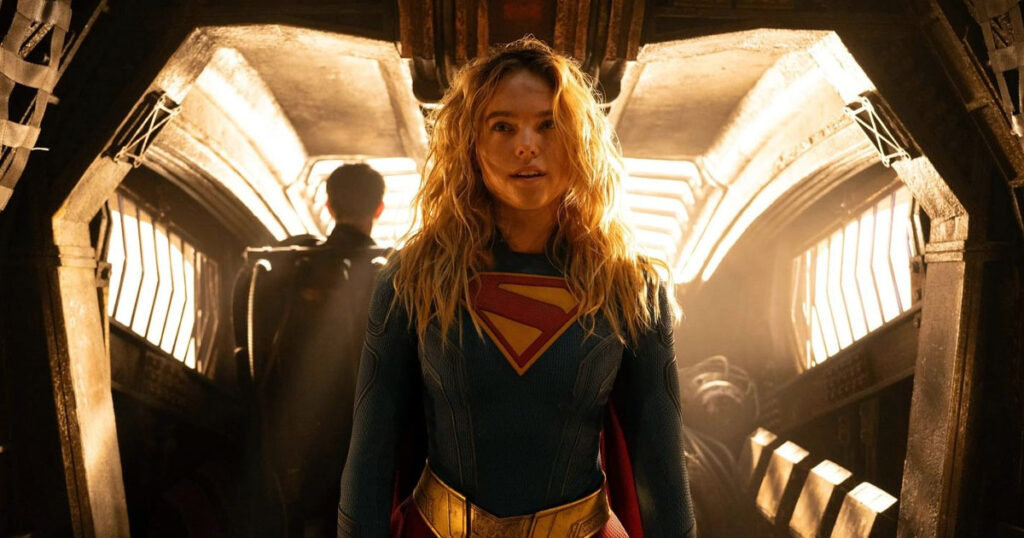
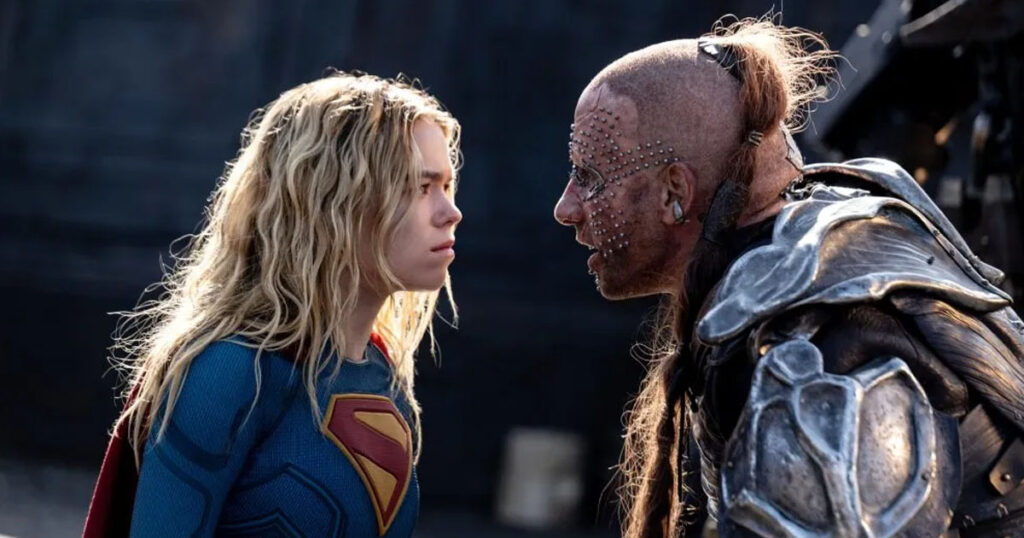
The screenplay, penned by Ana Nogueira, is a fiercely loyal adaptation of the 2021-2022 comic book masterpiece by writer Tom King and artist Bilquis Evely. For the uninitiated, the premise is brilliant in its subversion. Kara Zor-El (Milly Alcock) is not adjusting to high school on Earth. Instead, she is on a distant planet under a red sun, attempting to get blackout drunk on her 21st birthday to numb the pain of her past. She is abruptly recruited by Ruthye Marye Knoll (Eve Ridley), a young alien girl seeking revenge against Krem of the Yellow Hills (Matthias Schoenaerts), a ruthless mercenary who murdered her father and critically injured Krypto the Superdog.
Nogueira’s script successfully captures the central thesis of the comic: Superman is a hero because he was sent to Earth as a baby and raised with Midwestern love; Supergirl is a hero despite watching her entire world, her friends, and her family burn to ash when she was 14 years old.
However, translating King’s highly stylized, introspective prose to the silver screen proved to be a monumental challenge. The comic relies heavily on Ruthye’s archaic, formal narration—a sort of True Grit in space. In the film, this narration is utilized extensively via voiceover. While literary enthusiasts on platforms like Letterboxd are praising this as a bold, lyrical choice, mainstream critics from outlets like IGN and Variety have cited the voiceover as grating, arguing that it creates an emotional distance between the audience and the visceral action on screen.
Milly Alcock: The Perfect Embodiment of Kryptonian Rage

Whatever flaws the film might possess structurally, there is an absolute consensus across every single media platform regarding one undeniable truth: Milly Alcock is a revelation.
Stepping into the red boots is no easy feat, especially when the ghost of previous iterations still lingers in the pop culture consciousness. But Alcock, who proved her ability to portray fiery, burdened royalty in House of the Dragon, brings a jagged, raw edge to Kara Zor-El that we have never seen on screen before. She does not play Supergirl as a beacon of pure, untarnished hope. She plays her as a tired warrior carrying the weight of a dead planet on her shoulders.
When Alcock’s Kara unleashes her heat vision, it isn’t just a superpower; it feels like an expulsion of deep-seated trauma. The actress balances the character’s profound sorrow with a dry, cynical humor that provides the film’s best moments of levity. Her dynamic with Krypto—rendered here with much more grit and emotional weight than the cutesy CGI companion in Gunn’s Superman—is the beating heart of the movie. Even the most scathing reviews have carved out paragraphs to commend Alcock’s ferocious dedication to the role, cementing her as a premier talent in the comic book cinema landscape.
The Supporting Cast: A Tale of Two Performances
If Alcock is the anchor, the supporting cast is where the waters get a bit choppy for audiences. Young Eve Ridley takes on the challenging role of Ruthye. Because the script demands she speak in a highly formalized, almost Shakespearean dialect, Ridley’s performance walks a incredibly fine line between captivating and theatrical. Fans of the source material on Reddit’s r/DC_Cinematic have lauded her ability to stand toe-to-toe with Alcock, noting that her stubborn innocence perfectly contrasts Kara’s weary cynicism. General audiences, however, have found the dialogue rhythm jarring, which has contributed heavily to the lowered audience scores on Rotten Tomatoes.
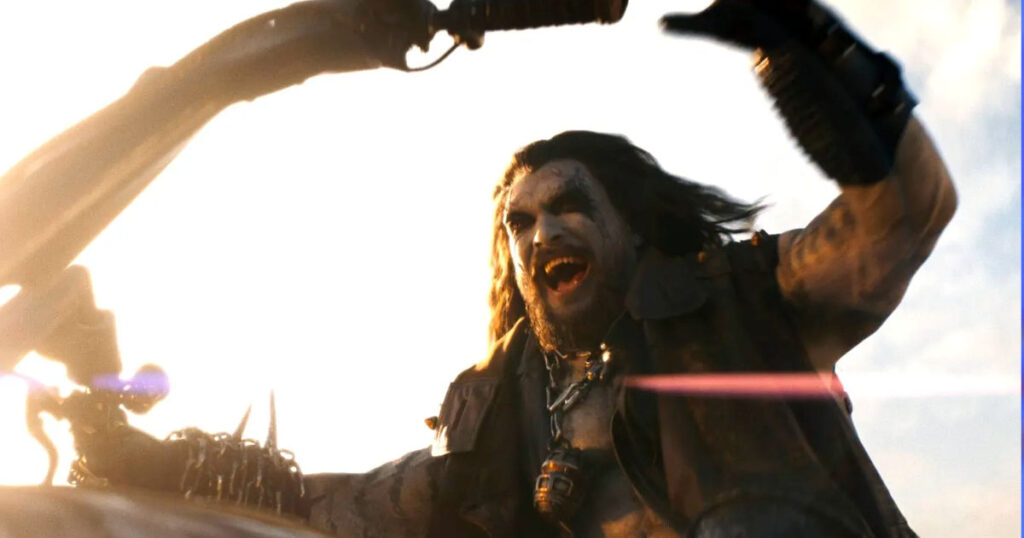
On the villainous front, Matthias Schoenaerts delivers a terrifying, if somewhat one-note, performance as Krem of the Yellow Hills. Unlike Nicholas Hoult’s intellectual, scheming Lex Luthor in Superman, Krem is a force of brutal, unapologetic nature. Schoenaerts is physically imposing and genuinely menacing, but the script leaves him slightly underdeveloped. He operates more as a plot device—a moving target for our protagonists to chase across the galaxy—rather than a deeply layered antagonist.
Gillespie’s Direction: Indie Sensibilities in a Cosmic Sandbox
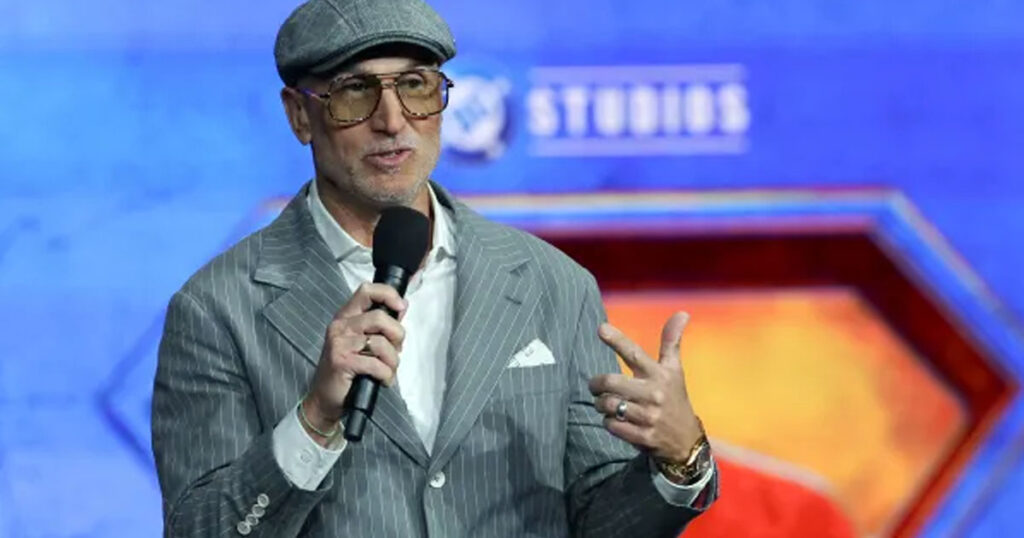
Craig Gillespie was a fascinating choice to helm this project. Known for highlighting morally complex, deeply flawed female protagonists, Gillespie clearly understands Kara’s internal mechanics. He handles the quiet, intimate moments of the film with profound grace, particularly a haunting sequence where Kara recounts the exact sensory details of Argo City’s destruction.
However, where the film struggles is in its transition from intimate character study to massive cosmic blockbuster. The journey takes our trio across wildly imaginative alien landscapes, most notably the dreaded planet Barenton, a world bathed in the light of a green sun. While the production design strives to emulate Bilquis Evely’s breathtaking, Moebius-inspired comic art, the execution occasionally falls flat. Budgetary constraints and a reliance on digital volume stages create a visual artificiality that betrays the gritty, tactile nature of the story.
Furthermore, Gillespie’s signature use of dark comedy and rapid pacing sometimes undercuts the sweeping majesty required of a space opera. The transition from a brutal, bloody sword fight to a moment of quiet, cosmic wonder can feel remarkably abrupt, leaving the audience struggling to latch onto a consistent emotional frequency.
The Online Echo Chamber: Dissecting the Media Narrative
To truly understand the legacy this film is forging in real-time, we have to synthesize the current discourse dominating the internet. The online reaction to Supergirl: Woman of Tomorrow is currently a fascinating case study in audience fragmentation.
The Major Critics vs. The Comic Purists
Mainstream outlets have been unforgiving regarding the pacing and the melancholic tone. Critics argue that releasing such a heavy, grief-centric film so early in the new DCU slate is a miscalculation that halts the momentum built by Superman. They view the film as a disjointed road movie that gets lost in its own philosophical ambitions.
Conversely, comic book purists and hardcore fans are treating the film as a misunderstood triumph. Over on Letterboxd, the film is rapidly gaining a cult status, with users praising it for explicitly not being a generic superhero origin story. Fans are celebrating the fact that DC Studios allowed a director to make a weird, challenging, and emotionally taxing sci-fi fantasy film, rather than a focus-grouped product.
The Reddit Divide
The discourse on platforms like Reddit is fiercely divided. Half of the fandom is arguing that Alcock’s Supergirl is the most comic-accurate depiction of Kryptonian power ever put to film, specifically citing the climactic, grueling 10-hour survival sequence under the green sun as a masterclass in superhero storytelling. The other half complains that the film is too detached from the larger DC Universe, lacking the interconnected tissue and joyful cameos that made Gunn’s movie feel like a comic book come to life.
Synthesizing the Legacy of Tomorrow
As the dust begins to settle on its opening weekend, it is becoming abundantly clear that Supergirl: Woman of Tomorrow is destined to be the Blade Runner of the new DC Universe—a visually ambitious, narratively complex film that sacrifices immediate mainstream accessibility in favor of long-term thematic resonance.
The low aggregate scores compared to Superman do not necessarily indicate a failure of filmmaking; rather, they highlight a clash of expectations. Audiences walked into the theater expecting the bright, sunny heroics of Metropolis, and were instead dragged through the bloody, red-sand deserts of a forgotten galaxy. It is a film that demands patience, empathy, and a willingness to sit in the uncomfortable spaces of trauma and recovery.
While it may be plagued by pacing issues and the occasional clunky execution of its poetic dialogue, the film possesses a distinct, fiercely independent soul. It proves that this new era of DC is not afraid to let its heroes be angry, messy, and devastatingly human. Milly Alcock’s ferocious performance alone is worth the price of admission, anchoring a film that will undoubtedly be fiercely debated, passionately defended, and ultimately re-evaluated for years to come. Supergirl: Woman of Tomorrow might not have achieved the universal acclaim of her cousin, but in daring to be entirely its own beast, it has carved out a unique, unforgettable corner in the cinematic cosmos.