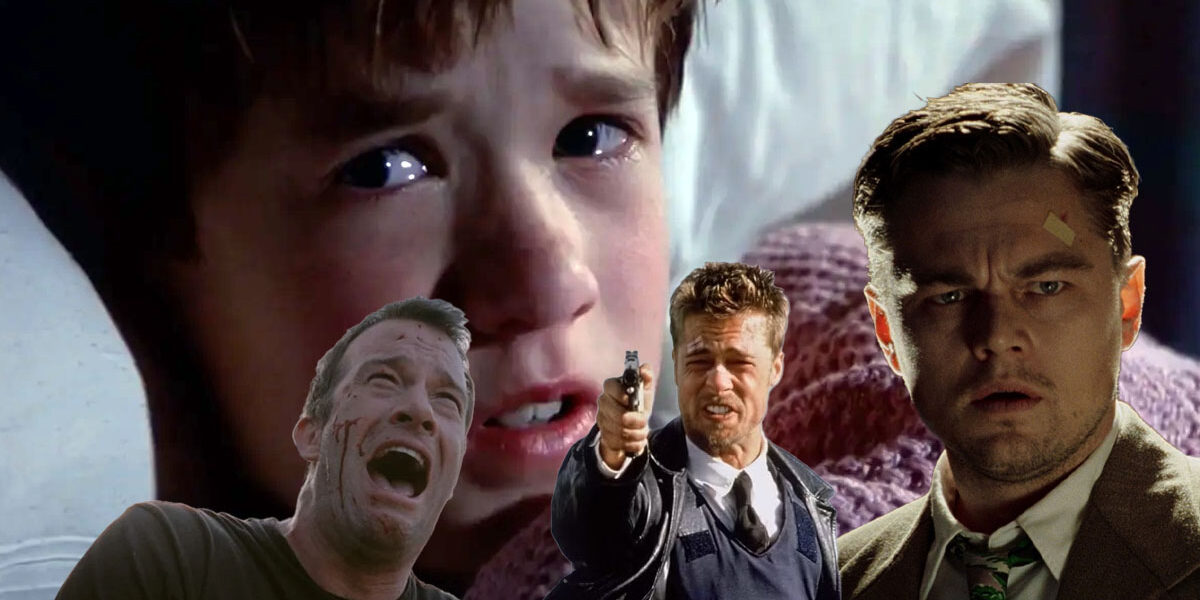
There is absolutely nothing quite like the feeling of watching a movie, meticulously piecing together the narrative puzzle, feeling entirely confident that you know exactly where the story is heading, only to have the director pull the rug right out from under your feet in the final act. A truly great plot twist doesn’t just shock you for the sake of a cheap thrill; it completely re-contextualizes every single scene, dialogue snippet, and character interaction that came before it. It demands an immediate rewatch and stays etched in your memory long after the end credits have rolled.
From atmospheric psychological horror films and dark, gritty crime thrillers to mind-bending science fiction masterpieces, filmmakers have been toying with our expectations for decades. If you are a fan of cinematic deception, you have come to the right place.
Spoiler Warning: While we will avoid giving away the exact details of the twists to preserve the experience for first-time viewers, we will be discussing the themes and impact of these endings. Proceed with caution!
Here are the 20 best plot twist movies in cinematic history that you absolutely need to see.
20. The Village (2004)
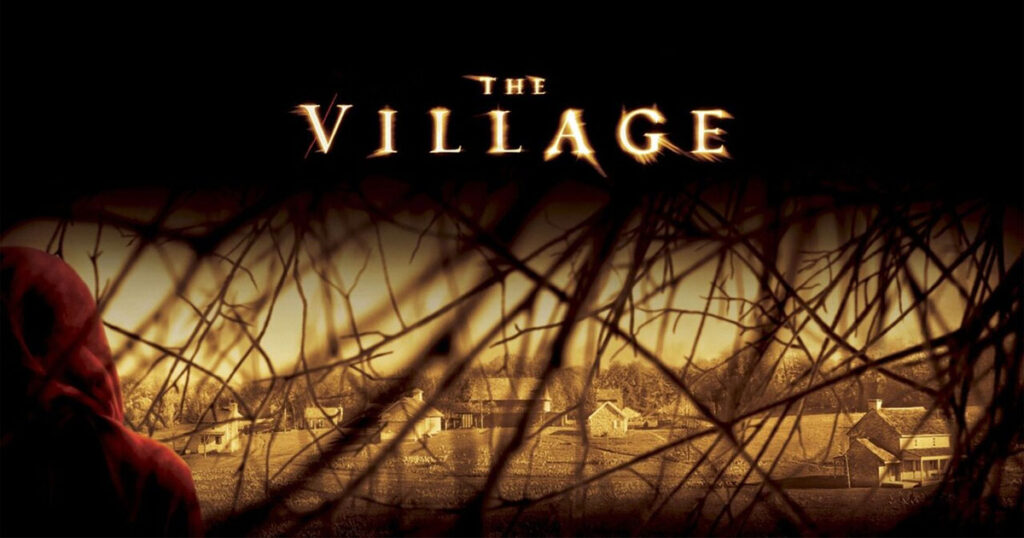
M. Night Shyamalan built his entire career on the foundation of the cinematic plot twist, and while The Village deeply divided audiences upon its initial release, it has aged into a fascinating psychological experiment. The film introduces us to an isolated, tight-knit 19th-century community living in perpetual fear of monstrous creatures that inhabit the surrounding woods. The atmosphere is undeniably tense, utilizing a masterful color palette of yellows and reds to signify safety and danger. However, the revelation of what truly lies beyond the treeline entirely shifts the genre of the film from a supernatural creature feature to a profound commentary on grief, fear, and the lengths people will go to preserve innocence.
19. Secret Window (2004)

Based on a brilliant novella by Stephen King, Secret Window stars Johnny Depp as Mort Rainey, a depressed, reclusive author going through a bitter divorce. His fragile mental state is pushed to the brink when a mysterious, menacing stranger named John Shooter arrives at his remote cabin, accusing Rainey of plagiarizing his story. The film is a slow-burn descent into paranoia and madness. The eventual twist leans heavily into classic psychological thriller tropes, but it is executed with such a delightful, sinister flair by Depp that it makes the final, deeply unsettling scene incredibly satisfying.
18. Identity (2003)
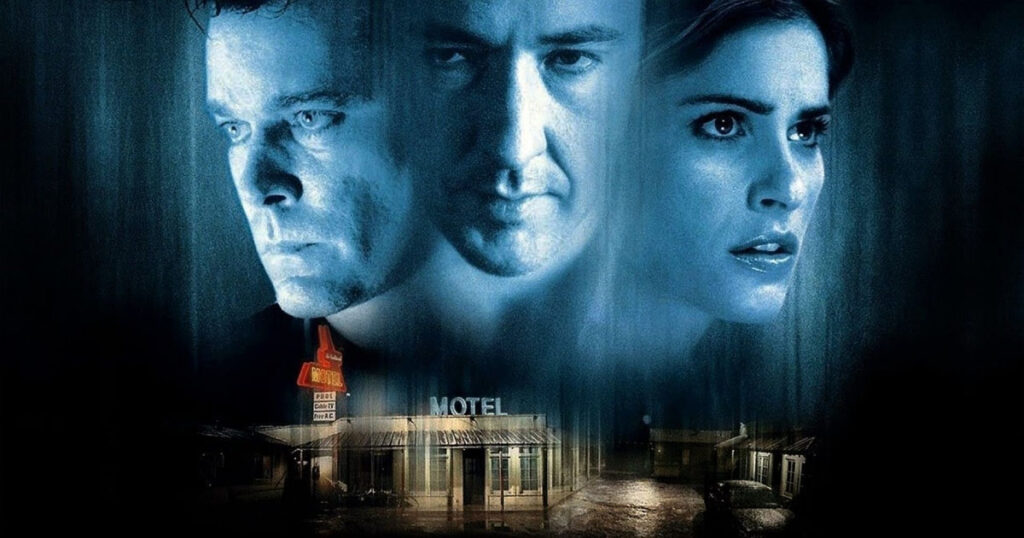
Take the classic Agatha Christie setup—ten strangers with dark secrets stranded in an isolated location—and inject it with a heavy dose of early 2000s psychological horror. Identity traps its ensemble cast (including John Cusack and Ray Liotta) at a flooded, run-down Nevada motel during a torrential rainstorm. As the guests are brutally picked off one by one in seemingly impossible ways, the audience is led to believe they are watching a clever, if standard, slasher film. The third-act reveal, however, completely rips the narrative fabric apart, taking the story entirely out of the physical realm and into something far more complex and terrifying.
17. Orphan (2009)
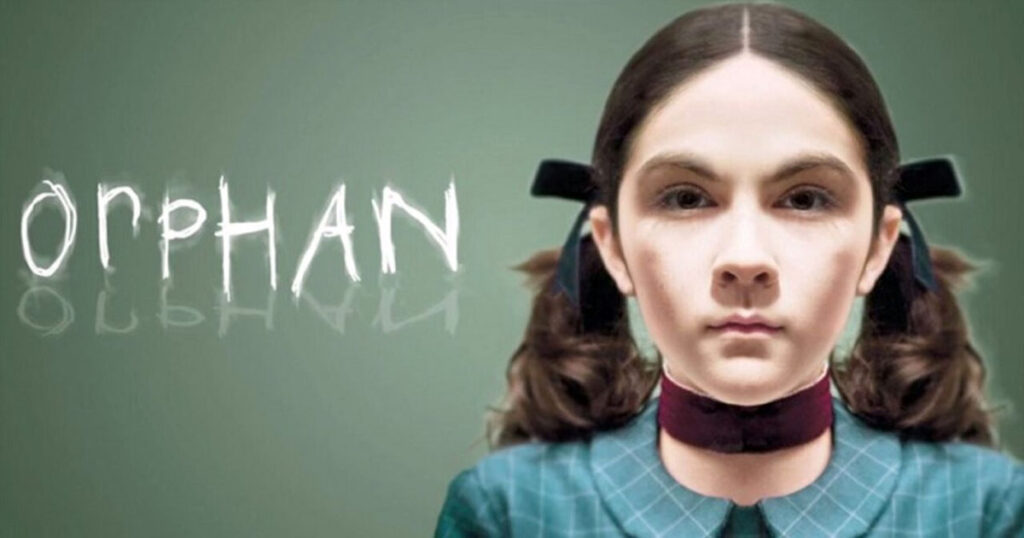
At first glance, Orphan looks like another entry in the long line of “creepy kid” horror movies. A grieving family attempts to heal by adopting a polite, artistic, and seemingly sweet Russian girl named Esther. However, Esther’s behavior slowly becomes manipulative, violent, and deeply disturbing. What elevates Orphan from a B-movie thriller to a cult classic is its legendary twist. The explanation for Esther’s behavior isn’t supernatural, demonic, or heavily convoluted; it is grounded, incredibly dark, and reframes the entire film. Once you know the truth, every scene featuring Esther becomes deeply uncomfortable to watch.
16. Saw (2004)

Long before it devolved into a franchise known primarily for its elaborate, gory “torture porn” traps, James Wan’s original Saw was a brilliantly contained, low-budget psychological thriller. The premise is agonizingly simple: two men wake up chained to pipes in a filthy, dilapidated bathroom with a dead body lying in a pool of blood between them. They must piece together why they are there and how to escape before time runs out. The final minutes of the film deliver a narrative gut-punch so visceral and unexpected that it instantly cemented Jigsaw as an absolute horror icon for the modern age.
15. The Mist (2007)
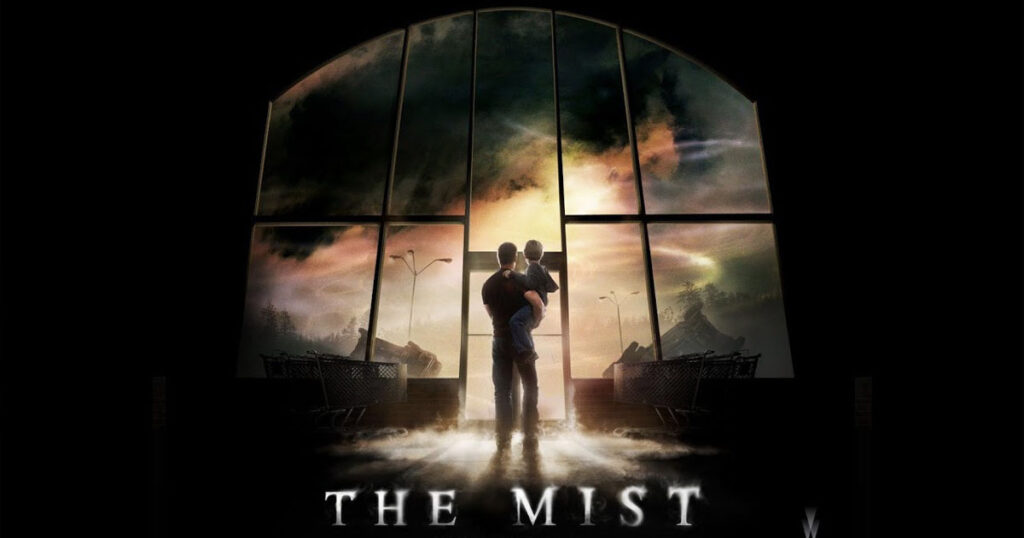
Frank Darabont’s adaptation of Stephen King’s The Mist is a terrifying look at how quickly society breaks down when faced with the inexplicable. A group of townspeople is trapped inside a local grocery store as a dense, monster-filled mist envelops the town. The creature design is terrifying, but the real monsters are the panicked humans turning on each other. However, it is the film’s notoriously bleak ending that secures its spot on this list. It is an ending so devastating, so uniquely cruel in its timing, that even Stephen King admitted he preferred it to his original novel.
14. The Game (1997)
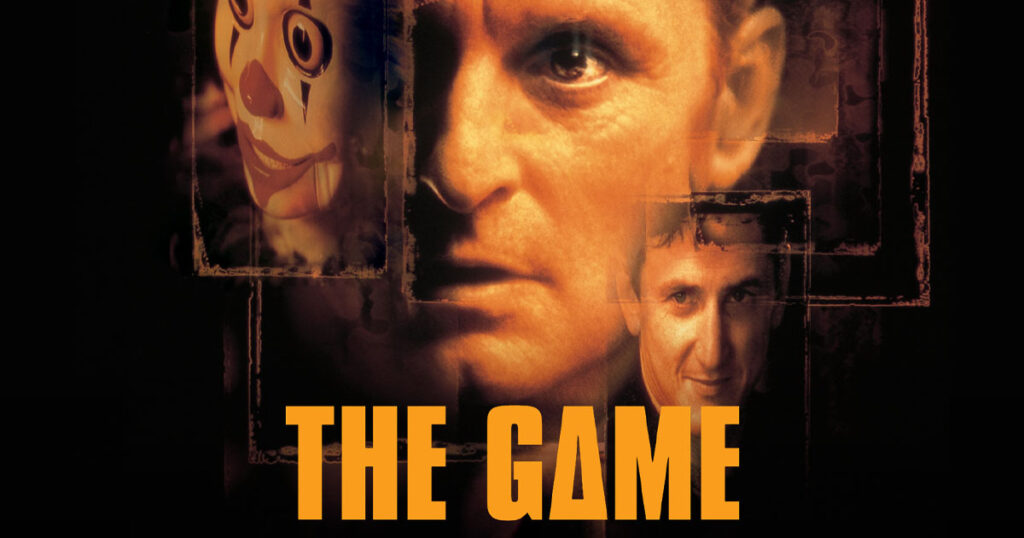
David Fincher is a master of suspense, and The Game is perhaps his most wildly entertaining puzzle. Michael Douglas plays a wealthy, emotionally detached investment banker who receives a bizarre birthday gift from his estranged brother: a voucher for a personalized, real-life “game” run by a mysterious company. As the game begins, his life is systematically dismantled, and the lines between what is a staged puzzle and what is a genuine threat to his life completely blur. The climax atop a skyscraper is a masterclass in tension, leading to a reveal that leaves you completely breathless.
13. Primal Fear (1996)
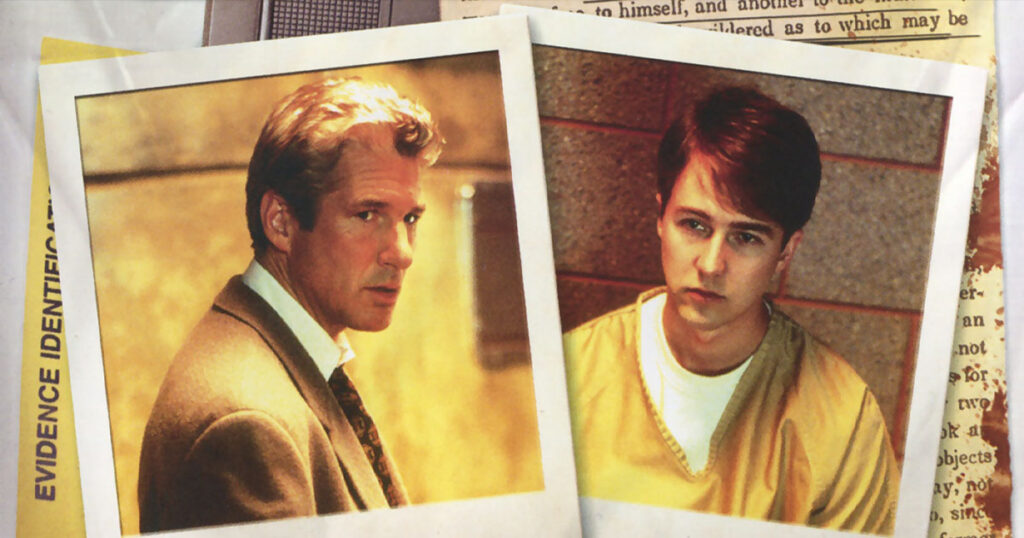
Edward Norton’s cinematic debut in Primal Fear is nothing short of legendary, earning him an Academy Award nomination right out of the gate. He plays Aaron Stampler, a timid, stuttering Kentucky altar boy accused of brutally murdering an archbishop. Richard Gere plays the slick defense attorney who discovers Aaron suffers from dissociative identity disorder, harboring a violent alternate personality named “Roy.” The courtroom drama is compelling, but the final conversation in the holding cell completely flips the script, revealing a level of manipulation and sociopathy that leaves the audience feeling just as fooled as the defense attorney.
12. The Machinist (2004)
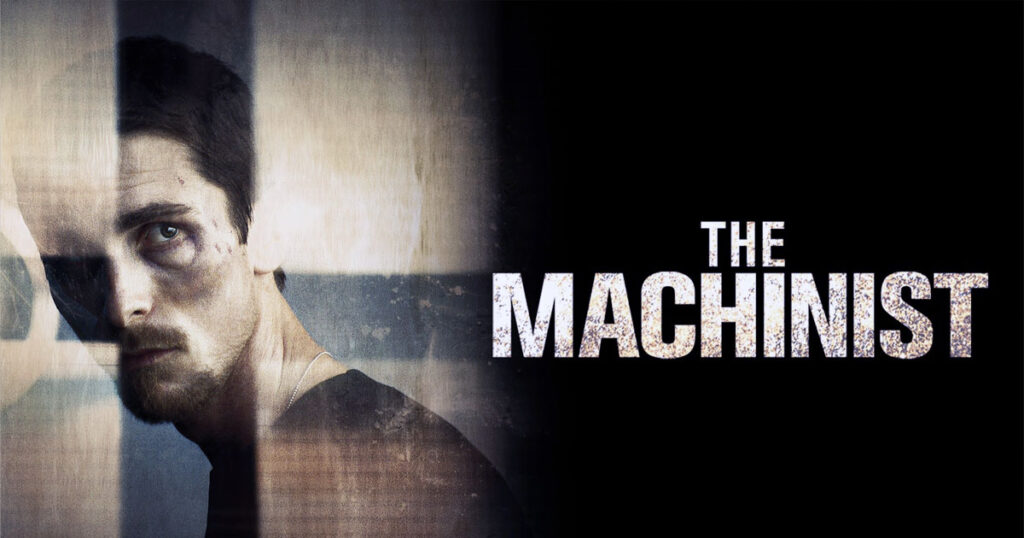
Christian Bale famously and dangerously starved himself, losing 62 pounds to play Trevor Reznik, an emaciated factory worker suffering from a year-long bout of severe insomnia. The film is a visual representation of a deteriorating mind, filmed in harsh, washed-out tones. Trevor begins finding mysterious cryptic notes and seeing a strange coworker no one else acknowledges. The tension builds uncomfortably until the final act. The revelation of why he hasn’t slept in a year isn’t a sci-fi trick or a supernatural curse; it is a haunting, heartbreaking look into the sheer, crushing weight of suppressed guilt and trauma.
11. Arrival (2016)
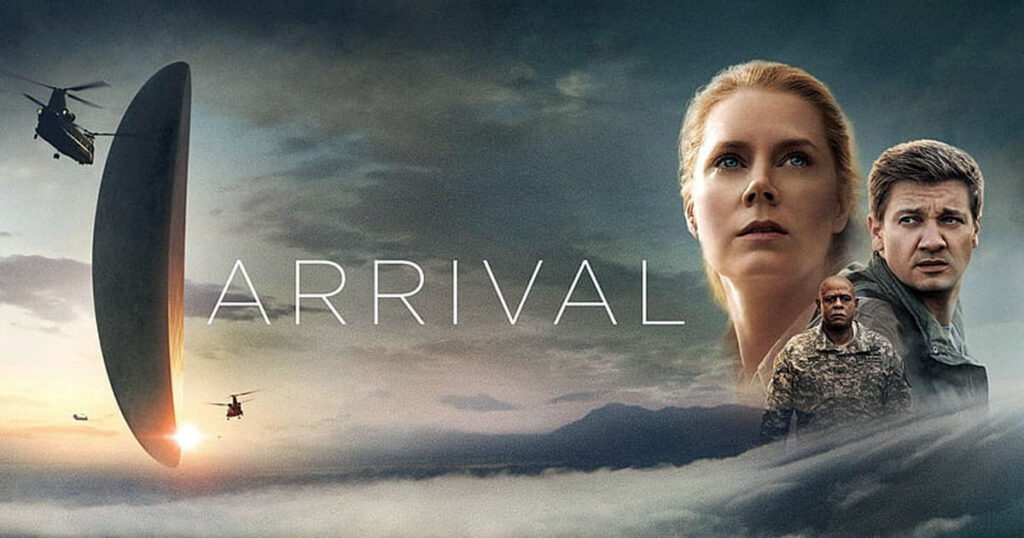
Denis Villeneuve’s Arrival is not your typical alien invasion movie. When massive extraterrestrial spacecraft touch down across the globe, linguistics professor Louise Banks (Amy Adams) is tasked with finding a way to communicate with them before global panic leads to war. As Louise begins to understand the aliens’ non-linear language, her own perception of time begins to fracture, experiencing vivid “memories” of a daughter. The twist in Arrival is not designed to scare you; it is designed to break your heart. It is a deeply profound, emotional realization about the nature of time, the inevitability of grief, and the beauty of choosing love anyway.
10. Atonement (2007)
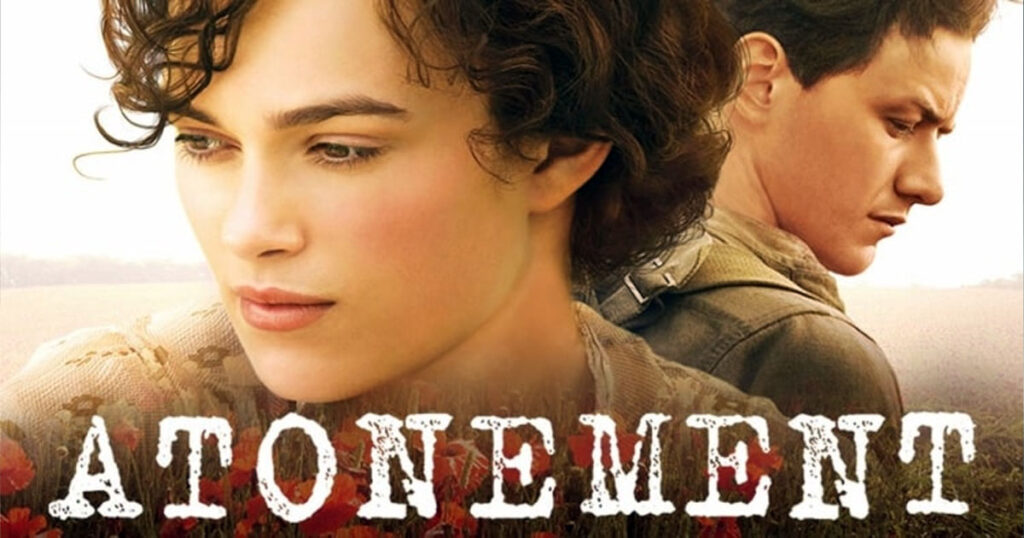
Based on Ian McEwan’s acclaimed novel, Atonement is a gorgeously shot period drama that explores the devastating consequences of a single lie. A young, imaginative girl named Briony falsely accuses the housekeeper’s son, Robbie, of a terrible crime, ruining his life and his budding romance with her older sister, Cecilia. The narrative follows their tragic separation through the horrors of World War II, keeping the audience yearning for their eventual reunion and Briony’s redemption. The final reveal, delivered by an older Briony, is a devastating meta-commentary on the power of storytelling and the heavy, unshakeable burden of lifelong guilt.
9. Get Out (2017)
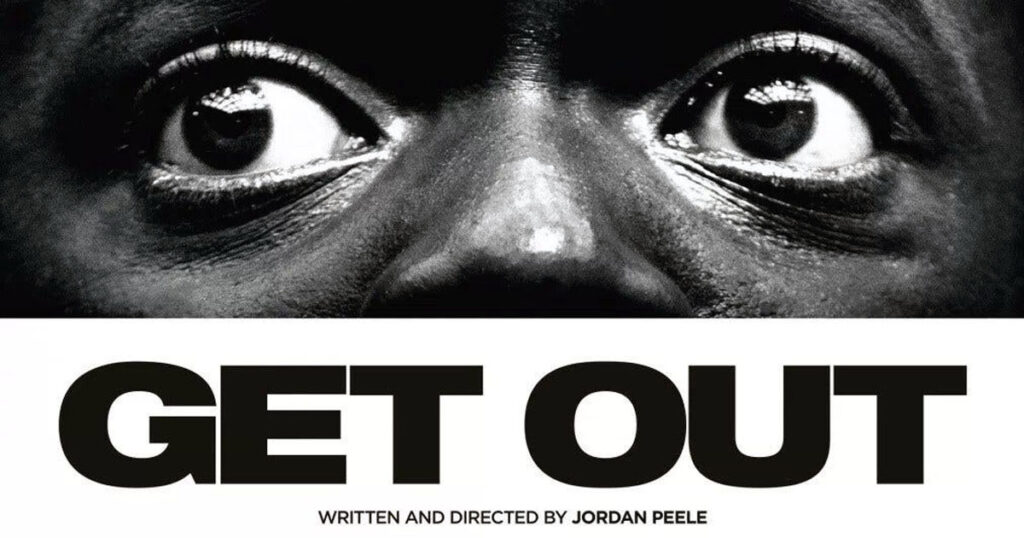
Jordan Peele completely reinvented the modern social thriller with his directorial debut. When Chris, a young Black man, travels upstate to meet his white girlfriend’s wealthy family for the weekend, the overly accommodating, slightly awkward atmosphere slowly gives way to something far more sinister. Peele masterfully builds tension through racial microaggressions before descending into outright horror. The concept of the “Sunken Place” is visually terrifying, but the ultimate revelation of exactly what the Armitage family is doing with their Black guests is a twist that is as socially sharp and satirical as it is deeply, profoundly disturbing.
8. The Prestige (2006)
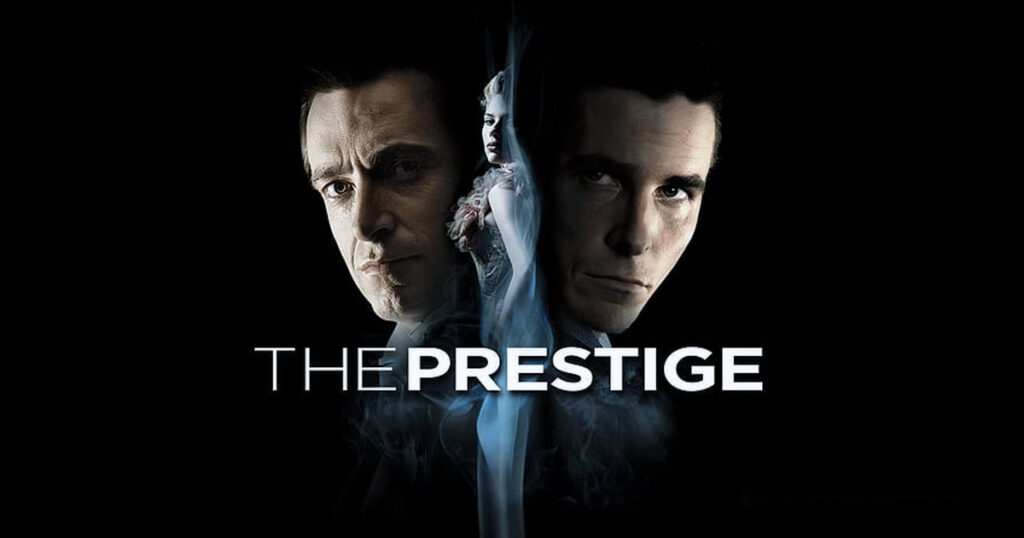
Christopher Nolan explicitly tells you what he is doing in the very first scene of The Prestige: he is showing you a magic trick. The film follows two obsessive rival magicians in Victorian London, played by Hugh Jackman and Christian Bale, who go to increasingly extreme and dangerous lengths to outdo each other’s ultimate illusion, “The Transported Man.” The entire film is constructed like a puzzle box, practically begging the audience to look closely at the details. The final reveal of the dark, harrowing sacrifices both men made to achieve their art is brilliant, macabre, and perfectly executed.
7. Memento (2000)

Another Christopher Nolan masterpiece, Memento is a structural marvel. The film follows Leonard Shelby, a man suffering from anterograde amnesia (the inability to form new memories) as he tries to track down his wife’s killer using Polaroid photos and body tattoos. To put the audience in Leonard’s confused headspace, Nolan tells the main narrative entirely in reverse order. Because of this unique structure, you are just as disoriented as the protagonist. When the chronological beginning of the story—which serves as the end of the movie—finally hits, the truth about Leonard’s quest makes your jaw hit the floor.
6. The Others (2001)
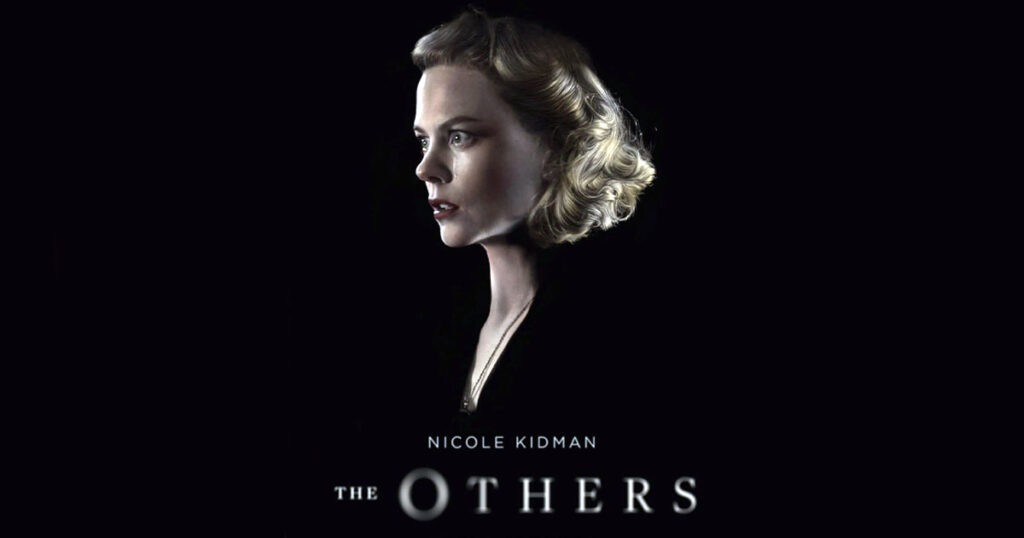
The Others is a masterclass in classic gothic horror and atmospheric dread. Nicole Kidman gives a stellar performance as Grace, a strict, high-strung mother living in a darkened, sprawling mansion on the Isle of Jersey right after World War II. Her two children suffer from a rare disease that makes them photosensitive, requiring the house to be kept in constant gloom. As strange, ghostly occurrences escalate, Grace becomes convinced the house is haunted. The final twist is beautifully simple, incredibly elegant, and completely turns the traditional haunted house trope on its head, demanding an immediate rewatch.
5. Shutter Island (2010)
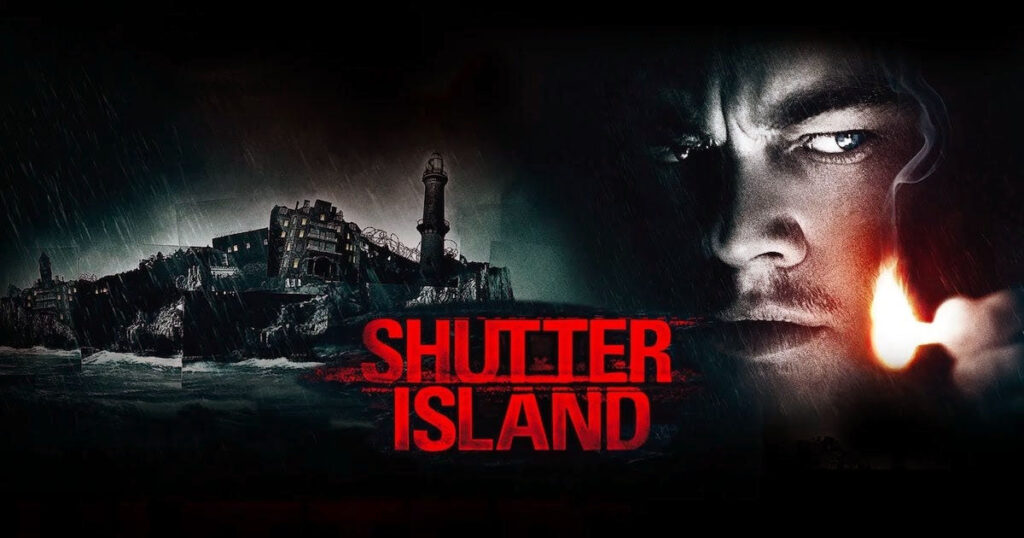
Directed by Martin Scorsese, Shutter Island is a neo-noir psychological thriller dripping with oppressive paranoia. Leonardo DiCaprio plays U.S. Marshal Teddy Daniels, who travels to a foreboding psychiatric facility on a remote, storm-battered island to investigate the disappearance of a dangerous patient. From the moment Teddy arrives, everything feels off. The staff is uncooperative, the patients are cryptic, and Teddy’s own migraines and traumatic war memories begin to surface. When the ultimate truth of the investigation is laid bare inside the island’s lighthouse, it is a staggering revelation that completely shifts the reality of the entire film.
4. Oldboy (2003)
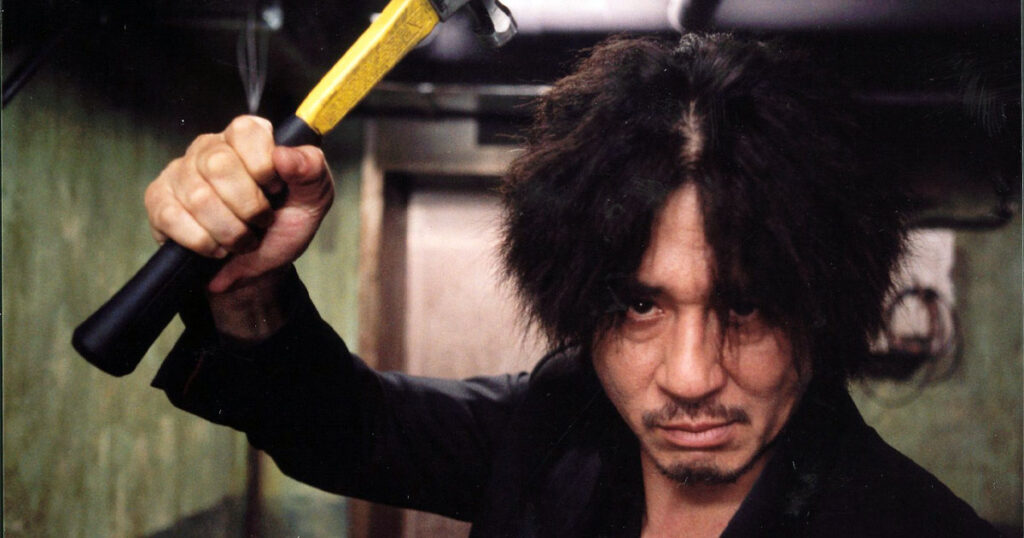
Park Chan-wook’s original South Korean masterpiece, Oldboy, is not for the faint of heart. It is a brutal, visceral, and emotionally draining experience. Oh Dae-su is inexplicably kidnapped and imprisoned in a windowless hotel room for 15 years. When he is suddenly released with no explanation, he embarks on a bloody, relentless quest for revenge to find his captor. However, the true mystery isn’t why he was imprisoned; it is why he was let go. The ultimate twist behind his captor’s grand scheme is so deeply messed up, tragic, and shocking that it will leave you staring blankly at the screen long after it ends.
3. Se7en (1995)
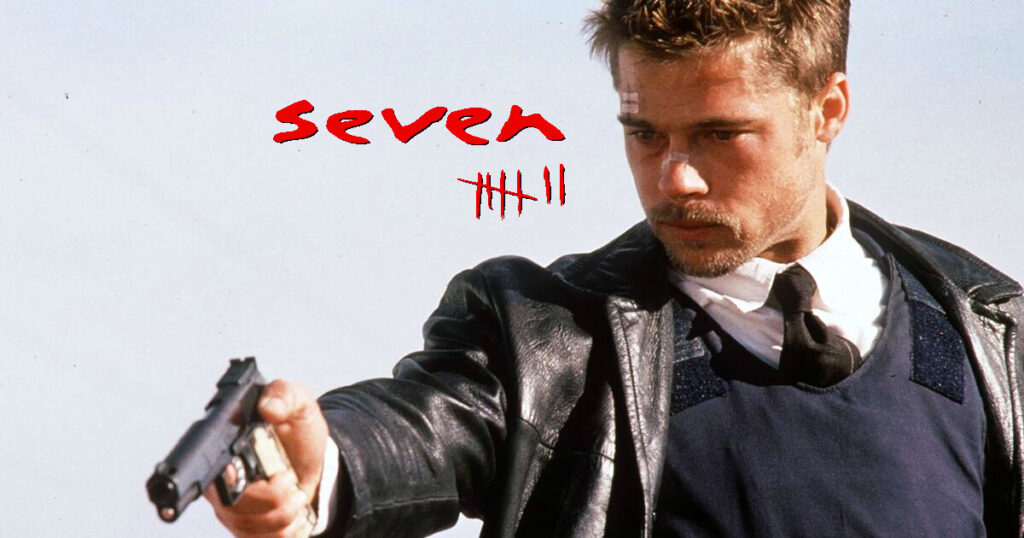
David Fincher’s Se7en is a cornerstone of the modern crime thriller. Detectives Somerset (Morgan Freeman) and Mills (Brad Pitt) are tracking a meticulously cruel serial killer who uses the seven deadly sins as the motif for his gruesome murders. The film is famously dark, gritty, and relentlessly grim, set in a nameless, rain-soaked city. Just when you think the killer, John Doe, has been caught and the nightmare is over, the film moves to an isolated desert road. The climax surrounding a simple delivery box is a flawless, agonizing twist that completes the killer’s horrific masterpiece in the worst way imaginable.
2. Fight Club (1999)
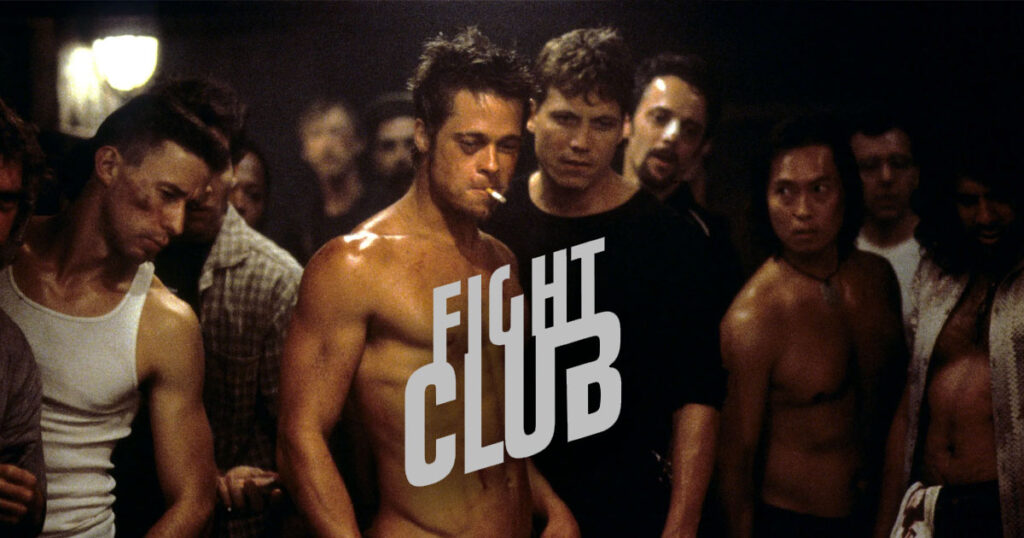
The first rule of Fight Club is that we don’t talk about it, but for a list like this, we absolutely have to. An unnamed, deeply depressed insomniac narrator meets a charismatic, anti-consumerist soap salesman named Tyler Durden. Together, they form an underground fight club that rapidly escalates into a nationwide domestic terrorist organization. The eventual realization of who—or rather, what—Tyler Durden actually is became a monumental pop-culture phenomenon. It was a twist that perfectly captured the zeitgeist of late-90s disillusionment and cemented the film as a generation-defining piece of cinema.
1. The Sixth Sense (1999)
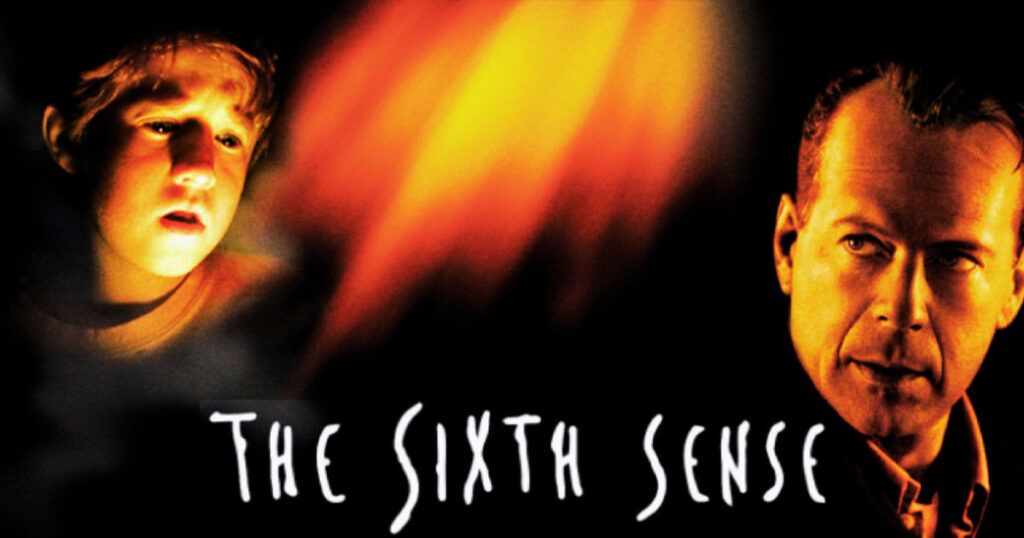
There can be no other film at the number one spot. The Sixth Sense is the absolute gold standard; it is the cinematic twist by which all other twists are measured. The story follows a young boy named Cole (Haley Joel Osment) who is tormented by his ability to see dead people, and Dr. Malcolm Crowe (Bruce Willis), the dedicated child psychologist trying to help him. The pacing is deliberate, the acting is superb, and the emotional core is strong. But when that ring drops and the truth is finally revealed in the film’s closing moments, it doesn’t just shock you—it completely and flawlessly re-contextualizes every single scene, dialogue, and interaction that came before it. It remains the perfect cinematic illusion.
Conclusion: The Enduring Power of a Great Plot Twist
A truly great plot twist is a rare and difficult cinematic magic trick to pull off. It requires flawless pacing, meticulous attention to detail, and a deep understanding of audience expectations. The 20 movies on this list didn’t just surprise us for a fleeting moment; they redefined the way we watch, analyze, and talk about films. Whether you love the slow-building psychological dread of Shutter Island or the structural genius of Memento, these masterful endings prove that sometimes, having all of your expectations shattered is the absolute best part of the movie-going experience.