For decades, the medical drama has been the reliable, slightly predictable comfort food of prime-time television. We’ve seen the formula repeated ad nauseam across multiple networks: the god-complex surgeons performing miracles in sterile ORs, the illicit supply-closet romances that prioritize soap-opera drama over patient care, and the miraculous, last-minute diagnoses that tie a neat bow on every hour of television. By the early 2020s, audiences were largely experiencing genre fatigue. But then came The Pitt. Created by ER veterans John Wells and R. Scott Gemmill, this Max original series didn’t just revive the genre; it threw it onto a gurney, shocked it with a defibrillator, and dragged it into the harsh, unflinching daylight of the post-pandemic world.
With Season 2 concluding in April 2026 and leaving audiences collectively catching their breath, it is abundantly clear that The Pitt is not just another hospital procedural TV show. It is an immersive, visceral experience—a brilliantly crafted, 15-hour panic attack that demands your undivided attention and refuses to let you look away.
The Anatomy of Real-Time Tension
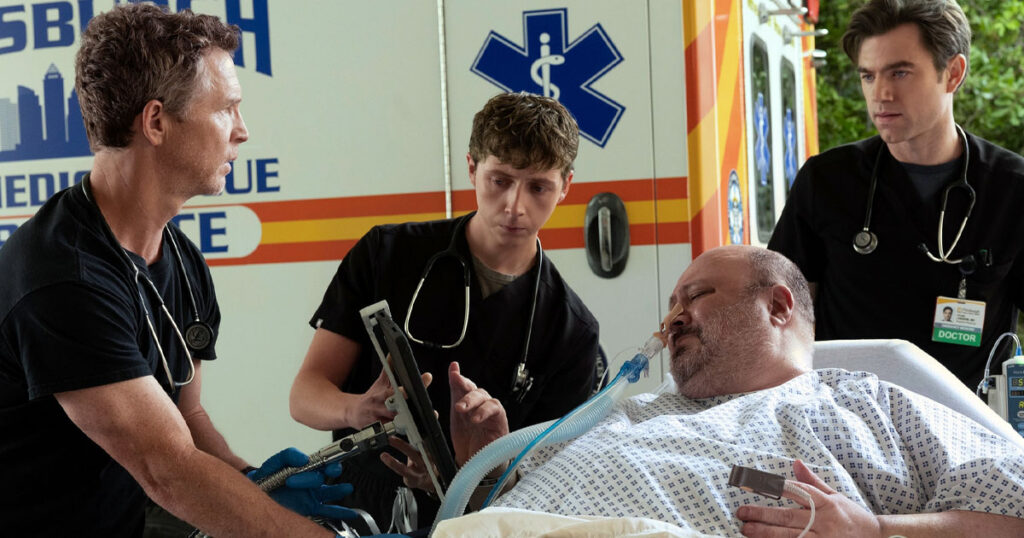
What immediately sets The Pitt apart from its critically acclaimed predecessors is its audacious, relentlessly ticking format. Taking a page from the narrative playbook of shows like 24 or the acclaimed indie film Boiling Point, each season chronicles a single 15-hour shift at an overcrowded, severely underfunded trauma center in Pittsburgh. Every episode represents one agonizing, fast-paced hour in real-time.
In Season 1, this ticking clock established a claustrophobic, snowballing sense of disaster. Without the luxury of time jumps, commercial-break resolutions, or neatly wrapped narrative bows, the viewer is trapped in the trenches alongside the medical staff. By the time Season 2 arrived—audaciously setting the marathon shift on the famously chaotic, fireworks-heavy 4th of July—the show had perfected this grueling rhythm.
The visual storytelling is just as important as the script. The camera floats elegantly through the emergency department, foregoing flashy, artificially stitched single-take gimmicks in favor of a clinical, almost documentary-like precision. It captures the whiplash transitions of real emergency medicine: from the terrifying, blood-soaked frenzy of a Level 1 trauma bay to the mundane, exhausted silence of the nurses’ station moments later. The sound design deserves its own recognition; the incessant beeping of monitors, the squeal of ambulance sirens, and the overlapping, panicked dialogue create a symphony of anxiety that puts the viewer directly into the scrubs of the characters.
Noah Wyle’s Masterclass in Melancholy
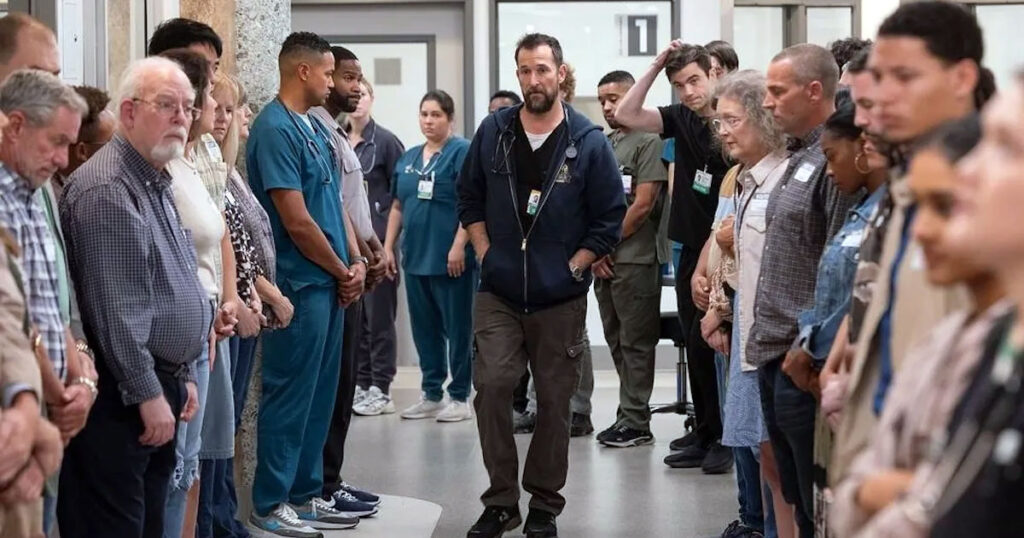
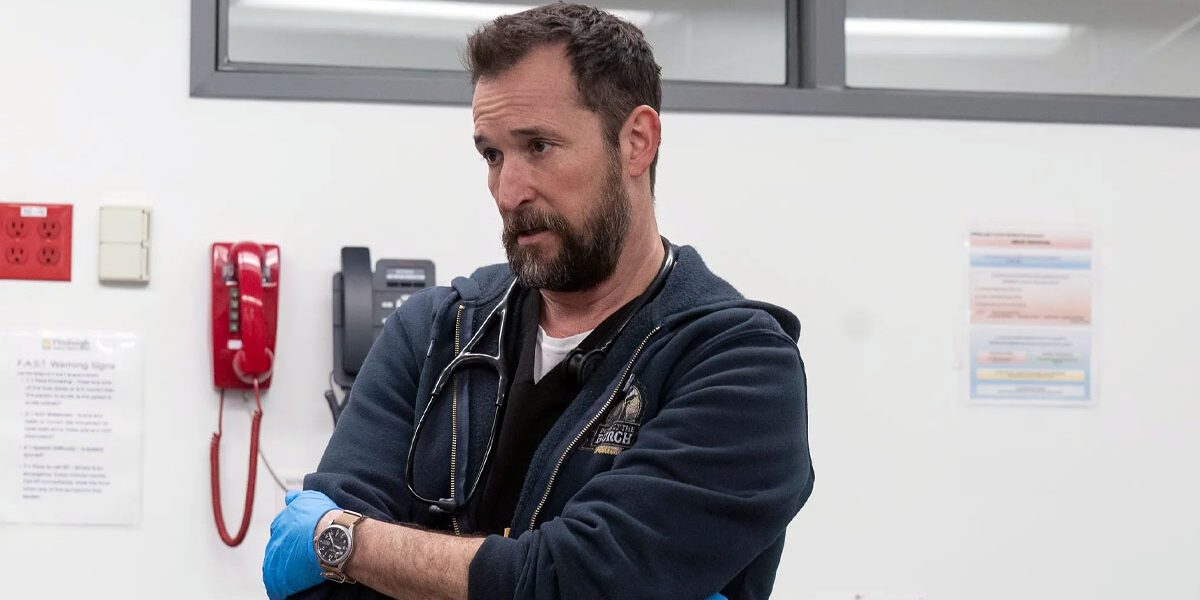
It is virtually impossible to discuss the cultural impact of The Pitt without bowing to Noah Wyle’s landmark performance as Dr. Michael “Robby” Robinavitch. For an actor who essentially defined the ’90s medical drama as ER’s eager, wide-eyed John Carter, returning to the ED was a massive creative risk. Audiences naturally expected nostalgia, but Robby is no John Carter. He is a senior attending, a battle-scarred veteran carrying the immense, unhealed trauma of the COVID-19 pandemic, the crushing weight of administrative failures, and the profound grief over the loss of his mentor.
Wyle’s portrayal is a masterclass in subtlety and suppressed emotion. Season 1 painstakingly established his hyper-competence, rightfully earning him an Emmy for Outstanding Lead Actor in a Drama Series. However, Season 2 took a much darker, braver turn, methodically stripping away the idealized hero trope that medical dramas usually cling to. When Season 2 opened with Robby riding his motorcycle through the slick, rainy streets of Pittsburgh without a helmet, the show silently telegraphed a chilling reality: our protagonist is grappling with deep-seated depression, burnout, and reckless, almost suicidal ideation.
The writers brilliantly use Robby’s deteriorating mental state to explore a taboo subject: the profound psychological toll that emergency medicine takes on the healers themselves. His eventual ideological clash with the newly arrived interim attending, Dr. Baran Al-Hashimi (played with incredible sharpness and nuance by Sepideh Moafi), highlighted his toxic reluctance to let go of control. Their dynamic wasn’t based on romantic tension, but rather a fierce, territorial battle over patient care philosophies, ultimately leading to his highly debated three-month sabbatical decision at the season’s end.
An Ensemble Operating on All Cylinders
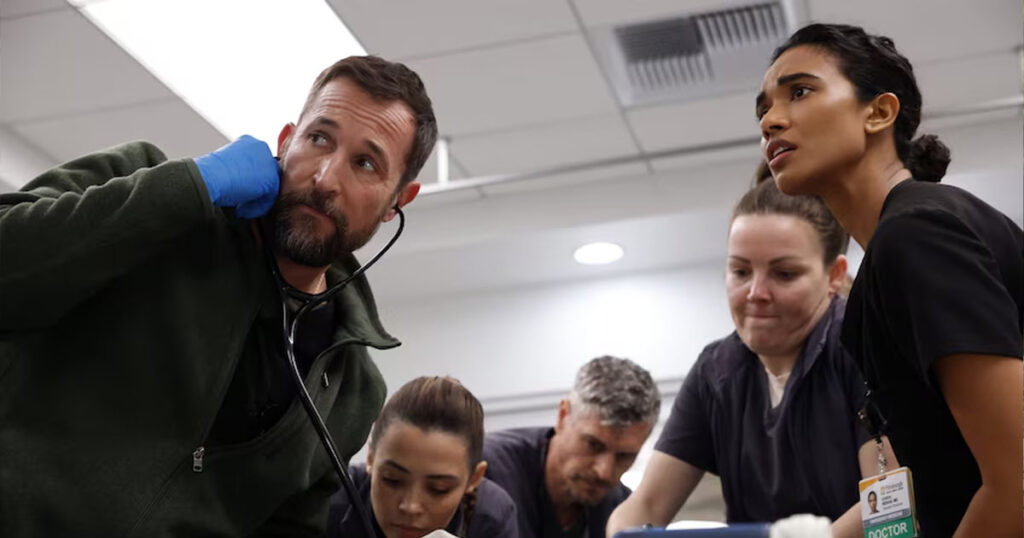
While Noah Wyle firmly anchors the narrative core, The Pitt boasts one of the most cohesive and fiercely talented ensembles on television—rightfully earning its Emmy for Outstanding Casting. The series stubbornly refuses to sideline its supporting players into mere sounding boards or romantic foils for the lead.
Supriya Ganesh shines as Dr. Samira Mohan, a resident navigating the crushing weight of perfectionism and familial expectations. Meanwhile, Patrick Ball’s portrayal of Langdon offers a raw, unfiltered look at high-functioning addiction within the medical community. Following his exposure and subsequent stint in rehab between the two seasons, Langdon’s rocky, closely monitored return in Season 2 provided intense friction. His fraught, explosive dynamic with Robby after the tragic death of a long-time, frequent-flyer patient named Louie provided some of the year’s most gripping, emotionally devastating television.
Furthermore, the show deserves massive credit for treating its nurses and support staff as vital organs of the hospital rather than background props simply handing over scalpels. Katharine LaNasa, playing Nurse Dana, brings a weary, fierce maternal energy to the floor; she is the true connective tissue of the ER. The inclusion of Fiona Dourif as the sharply cynical Dr. Cassie McKay, and Gerran Howell’s subtle evolution from an anxious, fumbling medical student into a surprisingly capable physician (Whitaker), give the show a much-needed sense of organic growth amidst the stagnation of the broader healthcare system.
Diagnosing a Broken System
At its core, The Pitt isn’t just a show about saving individual lives; it’s a biting, systemic critique of the modern American healthcare system. The show leans hard into the institutional decay. It highlights the unbearable patient-to-nurse statistics, the chronic bed shortages, the heartbreaking realities of uninsured patients rationing life-saving insulin, and the systemic, corporate-driven failures that force doctors to make impossible, morally compromising choices every single hour.
Remarkably, it accomplishes all of this without ever feeling preachy or heavy-handed. The realism is so absolute that the real-world medical community has universally praised the show’s accuracy, a rare feat in Hollywood. When the series touches on heavy societal topics—such as Nurse Dana quietly and respectfully assisting a sexual assault survivor through a grueling evidence collection kit, or the complex, maddening bureaucracy of child protective services—it does so with a raw, unpolished authenticity that respects the viewer’s intelligence.
The Prognosis: What’s Next for The Pitt?
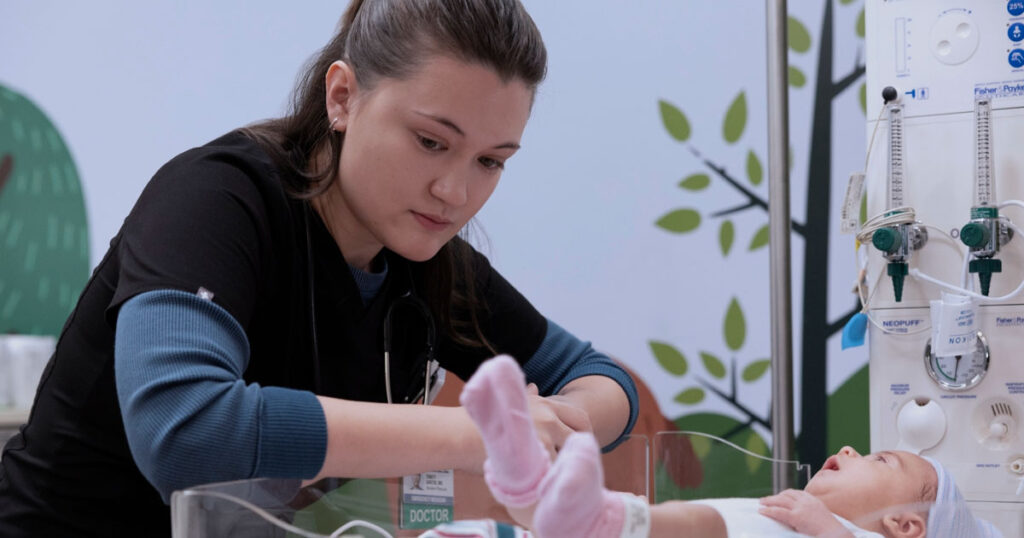
The Season 2 finale left viewers with an emotional gut-punch that will linger long after the screen fades to black. Robby’s quiet, tearful moment holding “Baby Jane Doe” in the dimly lit pediatric room—confessing to the sleeping infant that he, too, was abandoned at age eight—was a transcendent, heartbreaking piece of television. It peeled back the final, heavily guarded layer of his hardened exterior just before he walked out the automatic sliding doors to begin his sabbatical. And for those who stayed through the credits, the sweet, off-key karaoke duet of Alanis Morissette’s “You Oughta Know” by Santos and Mel served as a beautiful, humanizing palate cleanser after 15 hours of relentless tension.
With Season 3 officially greenlit by Max for a January 2027 premiere, the prognosis for The Pitt is absolutely outstanding. Showrunners have teased that the upcoming season will feature a shorter time jump to deal with the immediate fallout of Robby’s absence, and will likely step away from the holiday-themed shifts to explore the grueling nature of a standard, unremarkable Tuesday in the ER.
The Pitt has accomplished the impossible. It took a tired, predictable genre, completely stripped away the glossy soap opera romance, injected it with the terrifying, adrenaline-fueled realism of modern medicine, and created an undeniable masterpiece. Through phenomenal writing, a revolutionary real-time format, and career-defining performances, it is, without a doubt, the best and most important show on television right now.