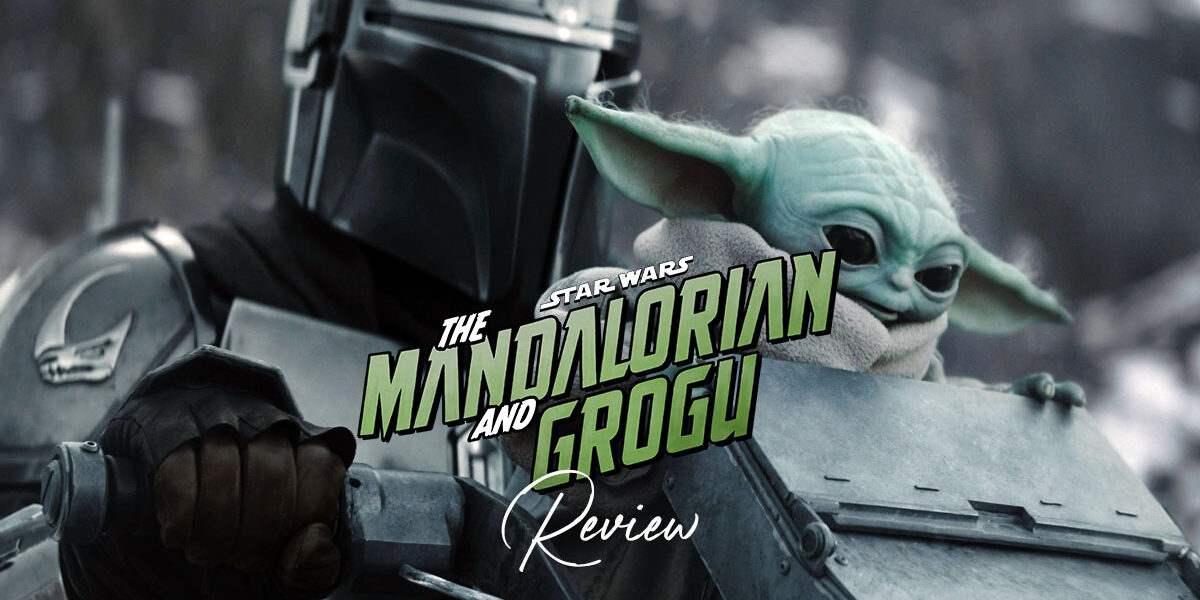
It has been seven long years since the legendary Star Wars franchise graced the silver screen. Following the divisive conclusion of the Skywalker Saga in 2019, Lucasfilm retreated to the safety of streaming, where a lone bounty hunter and his little green ward single-handedly reignited the fandom’s passion. Now, Jon Favreau and Dave Filoni have decided it is time to bring the galaxy far, far away back to multiplexes. But does this highly anticipated theatrical return justify the price of an IMAX ticket? Welcome to our comprehensive Mandalorian and Grogu review, where we break down the transition of Disney+’s golden duo from small-screen saviors to big-screen headliners.
For a film burdened with the monumental task of re-establishing Star Wars as a cinematic powerhouse, The Mandalorian & Grogu chooses a surprisingly conservative path. Instead of swinging for the fences with galaxy-altering stakes, the film plays out like a comfortable, high-budget extension of the television series we already know so well. It is a movie that is often undeniably sweet and visually grand, yet simultaneously frustrating for its reluctance to step out of its own narrative shadow.
The Premise: New Republic Contractors on a Galactic Hunt
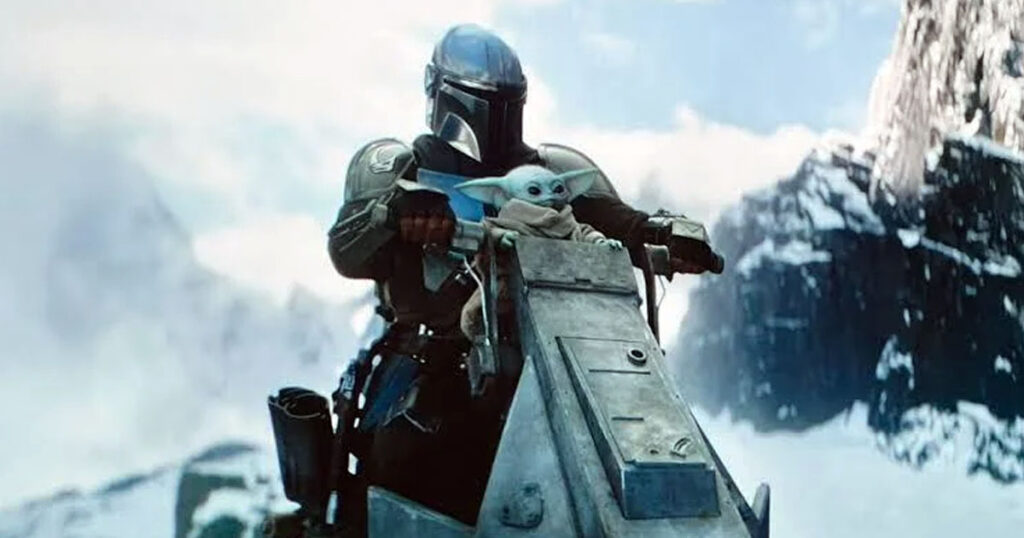
Setting the stage roughly five years after Return of the Jedi, the film picks up exactly where season three of the series left off. Din Djarin (voiced with stoic grit by Pedro Pascal) has officially hung up his strictly mercenary ways. He is now operating as a contractor for the fledgling New Republic, stationed out of Adelphi Base. Guided by the commanding presence of Colonel Bishop—played brilliantly by franchise newcomer Sigourney Weaver, who lends instant gravitas to the military ranks—Mando and Grogu are tasked with hunting down scattered Imperial warlords.
The plot sets the duo on a collision course with a variety of colorful adversaries, most notably introducing Rotta the Hutt, portrayed with surprising nuance by Jeremy Allen White (The Bear). White brings a fresh, unpredictable energy to the galactic underworld, providing a much-needed foil to Mando’s rigid moral code. However, despite these stellar casting additions, the narrative structure struggles to shed its episodic roots. Rather than presenting a cohesive, singular epic, the script awkwardly stacks a few “mission of the week” stories on top of each other. The result is a film that occasionally feels like three television episodes glued together with an inflated CGI budget.
A Visual Spectacle of Practical Puppetry and Muddy CGI
When reading any Mandalorian and Grogu review, you cannot ignore the visual presentation, which is a tale of two extremes. On one hand, the transition to cinema has allowed Favreau to expand the scale of the action. Seeing dive-bombing TIE Fighters and towering AT-ATs in full IMAX glory is exactly the kind of sensory thrill that theaters were built for. Ludwig Göransson’s iconic synthetic score is back, with each cascading note sharpened to a cinematic edge that perfectly underscores the space-western vibe.
Furthermore, the film is an absolute triumph of practical effects and puppetry, evoking a nostalgic, Jim Henson-esque charm. The legendary Tippett Studios was clearly let off the leash here. Grogu himself is an expressive little wonder; the animatronics and puppetry team breathe so much life into the character that he often feels more real than his flesh-and-blood co-stars. When the film slows down to let these practical creatures interact in grimy cantinas or swampy outposts, it captures the pure, tactile magic of the original 1977 film.
Conversely, when the movie leans too heavily into massive, fully digital set pieces, it stumbles. A highly publicized battle sequence set within a massive Colosseum suffers from flat lighting and murky colors, becoming a surprisingly unintelligible mess of pixels that lacks the weight and tactility of the quieter scenes. It is a stark reminder that bigger does not always mean better, even in the Star Wars universe.
The Character Conundrum: A Stagnant Father-Son Dynamic
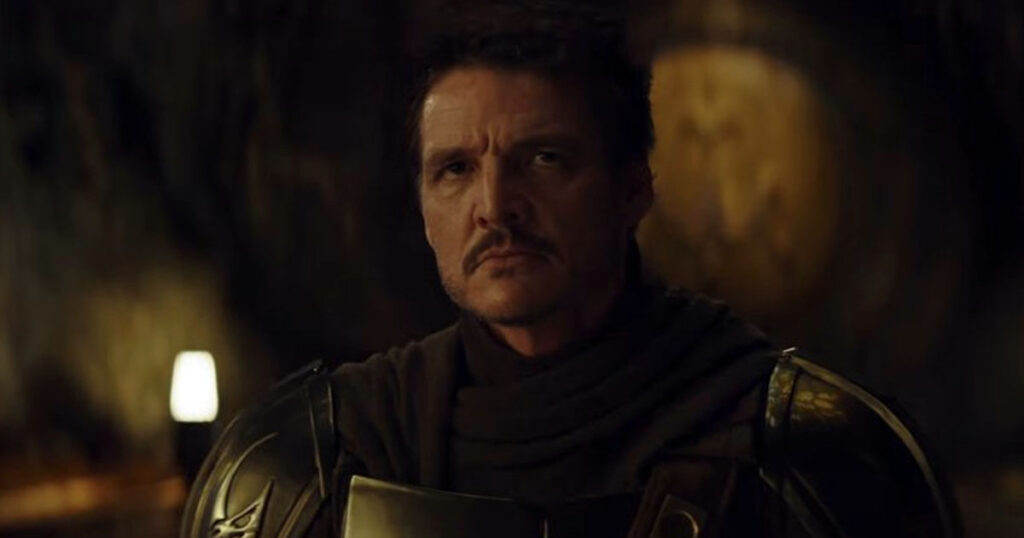
The beating heart of this entire franchise has always been the relationship between Din Djarin and Grogu. It is the reason millions of viewers tuned in every week. In a theatrical setting, however, this dynamic faces a severe stress test. The fundamental flaw of The Mandalorian & Grogu is that it feels incredibly fearful of change. The movie effectively begins and ends with the exact same status quo.
There is little to no friction between Mando and his allies, and the decisions he makes rarely result in lasting consequences. Furthermore, the film’s insistence on keeping its lead character behind a beskar helmet for 99% of the runtime hinders emotional resonance. While this gimmick worked on television where the slow burn could pay off over hours of screen time, a two-hour film demands more immediate emotional accessibility. We are left watching a father and son who are undeniably cute together, yet we struggle to articulate what, if anything, they have learned about each other by the time the end credits roll.
The film operates as a series of side quests connected by high-profile cameos—including satisfying nods to Clone Wars and Rebels characters like Zeb Orrelios (Steve Blum)—but it desperately lacks the thematic depth that made shows like Andor so culturally resonant. The parenting metaphors remain frustratingly unexplored, leaving audiences with a surface-level adventure that refuses to push its beloved characters into challenging new emotional territory.
A Quiet Comfort in a Noisy Galaxy
Despite its narrative shortcomings, there is a distinct, undeniable charm woven into the fabric of this film. It is not an aggressive or mean-spirited movie; in fact, it is profoundly kind. In an era where blockbusters are often overly cynical or drowning in apocalyptic stakes, there is something deeply comforting about watching Din Djarin take care of Grogu.
The film is at its absolute best when it abandons the chaotic blaster fire and simply allows us to witness the somber, quiet spectacle of a hardened warrior fiercely protecting his adopted child. These tender interludes carry the film through its weaker, more disjointed moments. It might not be the cinematic rebirth that older, hardcore fans were hoping for, but for families and viewers looking to escape into a sweeping, good-natured space adventure, it hits the right notes.
The Final Verdict
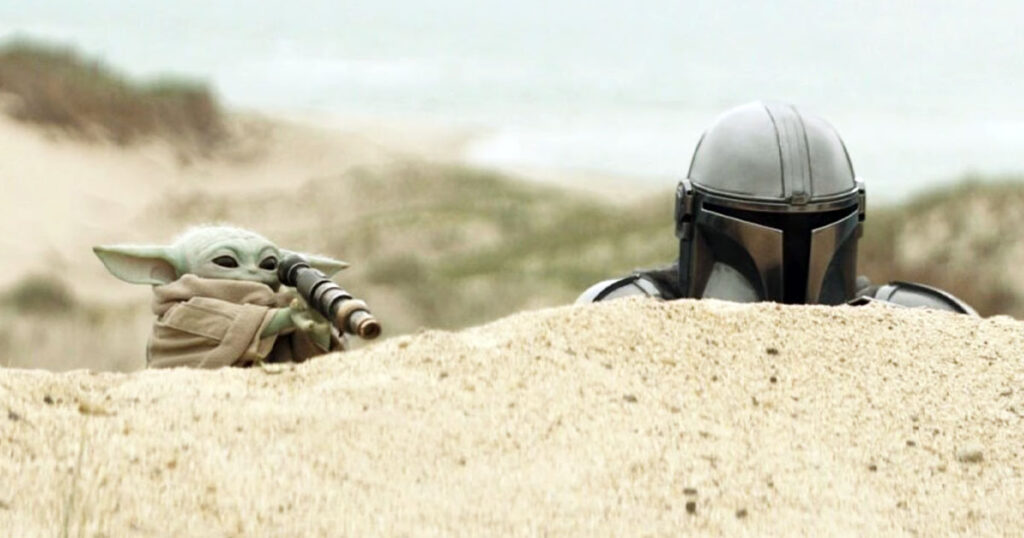
To conclude this Mandalorian and Grogu review, we have to look at the film for what it is, rather than what the fandom expected it to be. Synthesizing the broader critical consensus with our own deep-dive analysis, The Mandalorian & Grogu emerges as a lovable, visually dazzling mess. It is an unapologetic crowd-pleaser that leans heavily on its undeniable cuteness, nostalgic cameos, and stunning practical puppetry, even as it struggles with a thin plot and a lack of meaningful character progression.
It is arguably the safest film Lucasfilm could have made to test the theatrical waters after a long absence. While it may occasionally feel like a prolonged, big-budget TV special rather than a groundbreaking cinematic milestone, it remains a wildly fun ride. If you are seeking deep, challenging sci-fi storytelling, you may leave the theater slightly underwhelmed. But if you want to grab a bucket of popcorn, sit back in an IMAX theater, and spend a couple of hours traversing the galaxy with your favorite space dad and his magical green son, The Mandalorian & Grogu delivers exactly the cozy, thrilling escapism you are looking for.