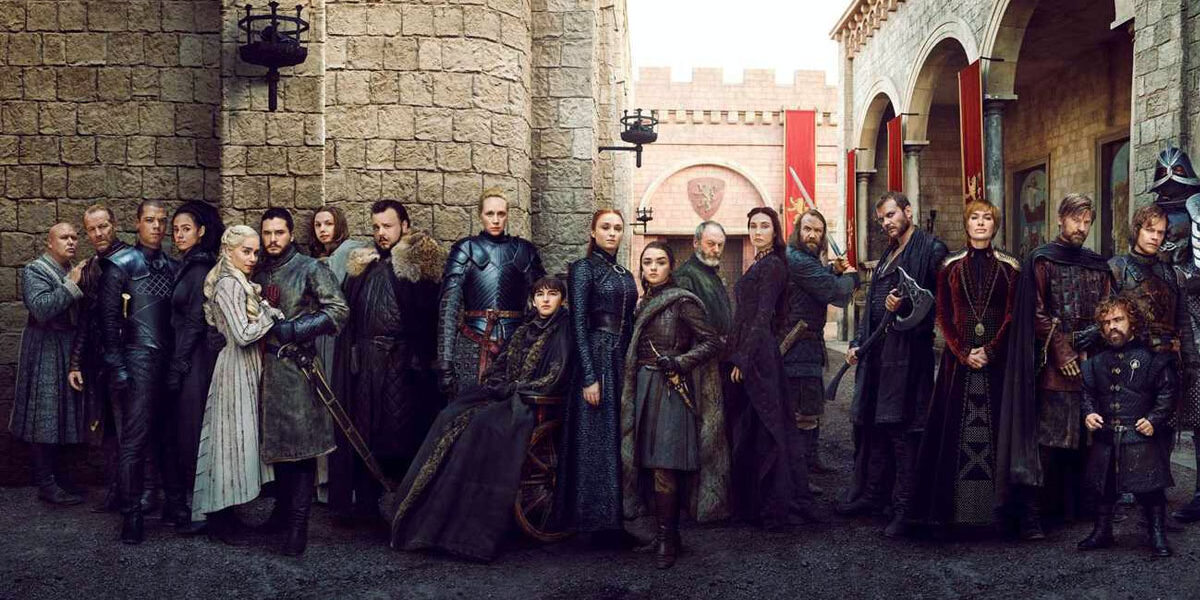
For the better part of a decade, HBO’s fantasy epic was not merely a television show; it was a cultural monolith. It dominated Monday morning watercooler conversations, dictated social media trends, and elevated the medium of television to cinematic heights previously thought unattainable. Yet, when we dissect the eventual Game of Thrones Season 8 failure, we are not merely looking at a bad season of television. We are examining one of the most abrupt and baffling structural collapses in modern pop culture history.
How does a series that built its reputation on meticulous political intrigue, devastatingly logical consequences, and rich character development suddenly plummet from the zenith of critical acclaim to a punchline of audience frustration? The narrative dissolution did not happen overnight, but Season 8 was the moment the cracks in the foundation finally gave way, bringing the entire castle crashing down. To understand why the final six episodes felt so fundamentally different from the golden era of seasons one through four, we must look beyond the immediate outrage and examine the mechanics of storytelling, pacing, and character architecture.
The Departure from the Source Material
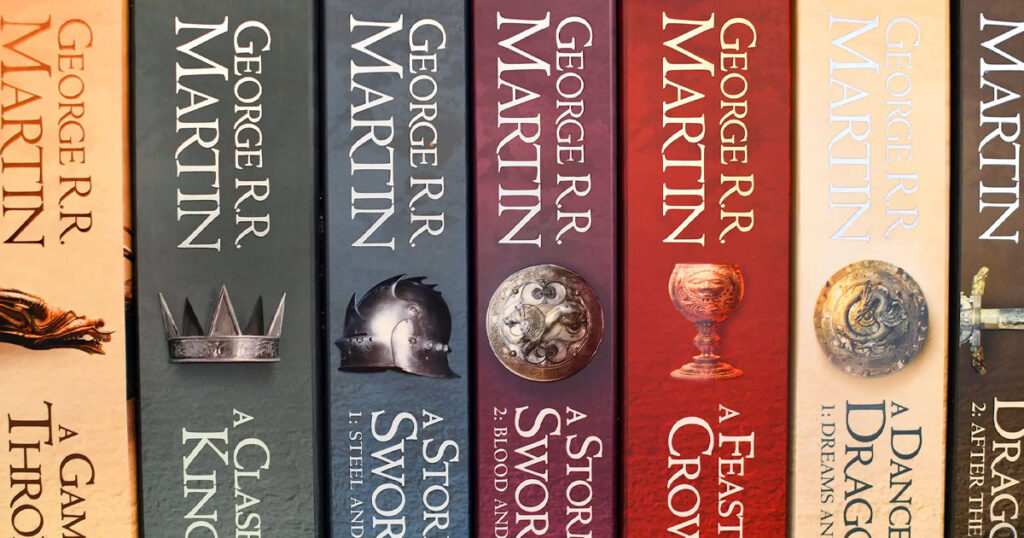
The most glaring shift in the series’ DNA can be traced back to the moment showrunners David Benioff and D.B. Weiss outpaced George R.R. Martin’s published source material. Early Game of Thrones was heavily anchored in Martin’s deeply textured world-building. Martin is famously a “gardener” type of writer—he plants characters in a meticulously crafted world and allows their motivations and flaws to naturally dictate the plot.
The Shift to Plot-Driven Storytelling
Once the adaptation ran out of books, the fundamental nature of the storytelling inverted. Instead of characters driving the plot, the plot began dragging the characters. Benioff and Weiss, working from a broad outline provided by Martin regarding the ultimate endpoint, became “architects” desperately trying to build a bridge to a predetermined destination.
This resulted in a narrative where characters no longer made decisions based on their established psyches. Instead, they made decisions because the script required them to be at a specific place, at a specific time, to execute a specific plot point. The organic progression that defined the show’s early brilliance was replaced by heavy-handed contrivances.
Rushed Pacing and the Incredible Shrinking Westeros
Perhaps the most fatal flaw of the final season was its brutally truncated timeline. HBO, fully aware of the cash cow they possessed, was more than willing to fund ten-episode seasons—or even more seasons—to properly conclude the epic. The showrunners, however, opted for a severely abbreviated sprint to the finish line: seven episodes for Season 7, and a mere six for Season 8.
The Loss of the Journey
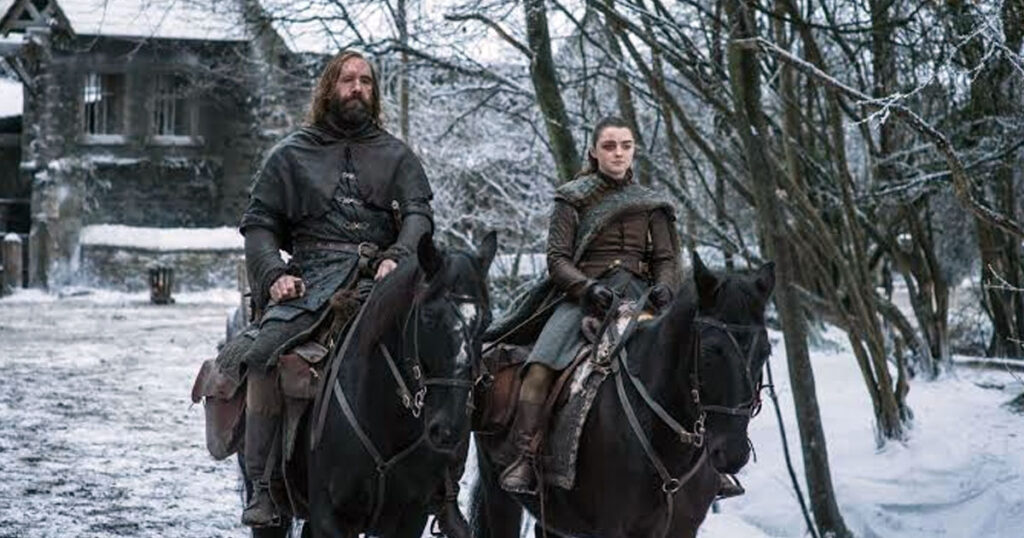
In early seasons, it took multiple episodes, sometimes whole seasons, for a character to travel from King’s Landing to Winterfell. These journeys were not dead air; they were vital breathing room. It was on the road that Arya Stark bonded with The Hound, and where Brienne of Tarth came to understand Jaime Lannister. The journey was the story.
In Season 8, Westeros effectively shrank to the size of a theme park. Characters seemingly unlocked fast-travel, teleporting across a massive continent within the span of a single episode. This hyper-compression of time destroyed the show’s sense of scale. When armies can traverse thousands of miles off-screen in the blink of an eye, the logistical realities that once grounded the fantasy in gritty realism evaporate. The pacing became breathless not out of excitement, but out of a desperate rush to wrap up the production.
Character Assassination vs. Character Evolution
Great television asks its audience to invest emotionally in the growth, or tragic downfall, of its characters. The failure of Season 8 is most acutely felt in how it handled its legacy characters, prioritizing shock value over earned emotional payoffs.
Daenerys Targaryen: The Unearned Descent
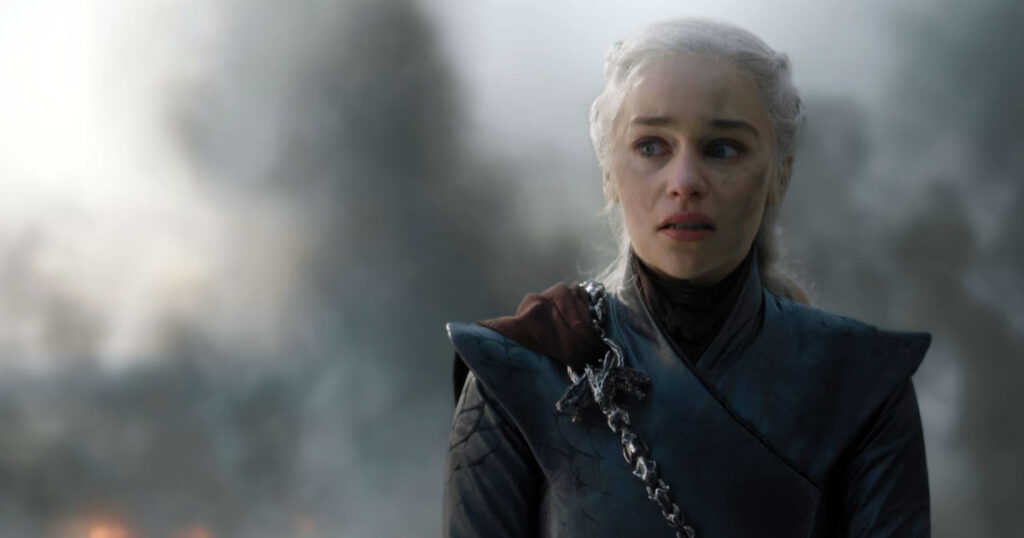
The burning of King’s Landing by Daenerys Targaryen remains the most controversial moment of the series. From a purely thematic standpoint, Daenerys becoming the “Mad Queen” is a fascinating, tragic endpoint that aligns perfectly with Martin’s critique of absolute power and the violent history of the Targaryen bloodline. The issue was never what she did; the issue was how she arrived there.
For seven seasons, audiences watched a ruthless but deeply principled conqueror who chained her own dragons to protect innocent children. Her pivot to mass slaughtering civilians who had already surrendered required careful psychological unraveling. Instead, it was triggered by a collection of rapid-fire, poorly spaced traumas—the sudden deaths of Jorah and Missandei, and the ringing of a bell. The transition was so abrupt it felt less like a Shakespearean tragedy and more like a flipped switch, robbing the moment of its intended emotional gravity and leaving viewers feeling betrayed by the writing rather than devastated by the character’s choice.
Jon Snow and the Diminishing Hero
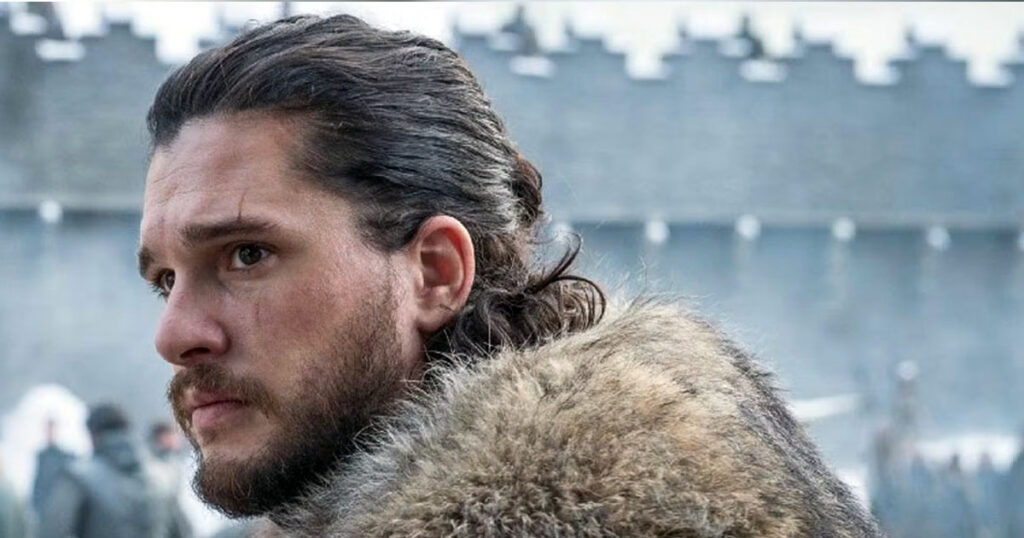
Jon Snow, resurrected by magic and revealed to be the true heir to the Iron Throne, was positioned as the narrative linchpin of the series. Yet, in the final season, his agency was systematically stripped away. He was reduced to a passive observer in his own story, his dialogue heavily restricted to repeating variations of “She is my queen” and “I don’t want it.”
When the moment came for him to kill Daenerys, it didn’t feel like the agonizing culmination of a philosophical conflict between duty and love; it felt like a mandatory checklist item being crossed off before the credits rolled. The revelation of his Targaryen lineage—the central mystery of the entire saga—ultimately had zero impact on the overarching plot, serving only as a cheap wedge to drive Daenerys mad rather than paying off Jon’s own internal identity struggle.
Jaime Lannister’s Reversed Redemption
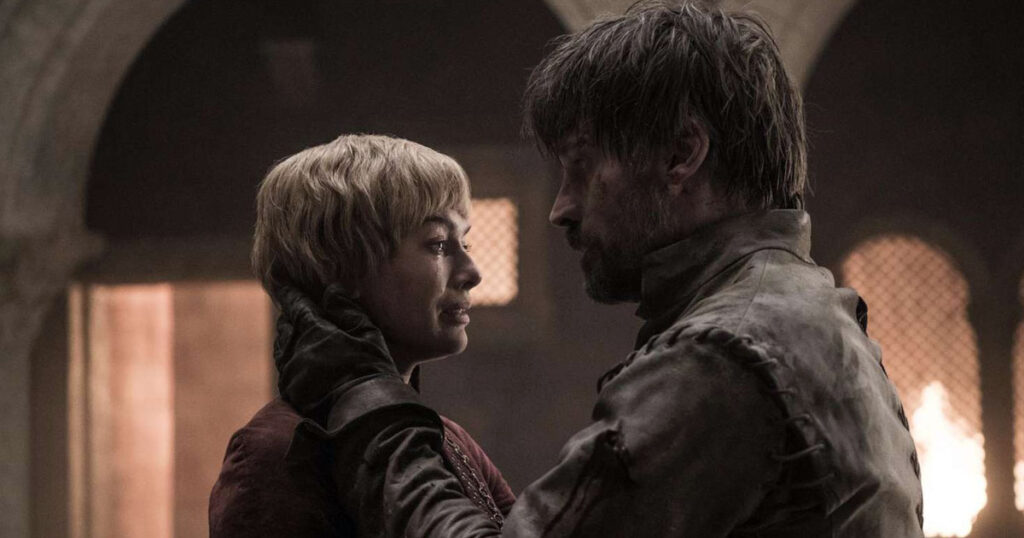
Jaime Lannister possessed one of the most compelling redemption arcs in television history. Over a decade, he transformed from an arrogant, child-crippling villain into a humbled, honorable knight who abandoned his toxic sister to fight for the living.
To have him abandon Brienne of Tarth in the eleventh hour, stating he is “hateful” just like Cersei, and rushing back to die under a pile of bricks, effectively unraveled years of meticulous character work in a single scene. It was a regression disguised as fatalism, reinforcing the audience’s growing sentiment that their long-term investment in these characters was not being respected.
Spectacle Over Substance
As the writing quality declined, the show attempted to compensate by drastically increasing the visual spectacle. The budget ballooned, the CGI dragons looked more magnificent than ever, and the battle sequences grew exponentially larger. However, spectacle without emotional stakes is merely empty noise.
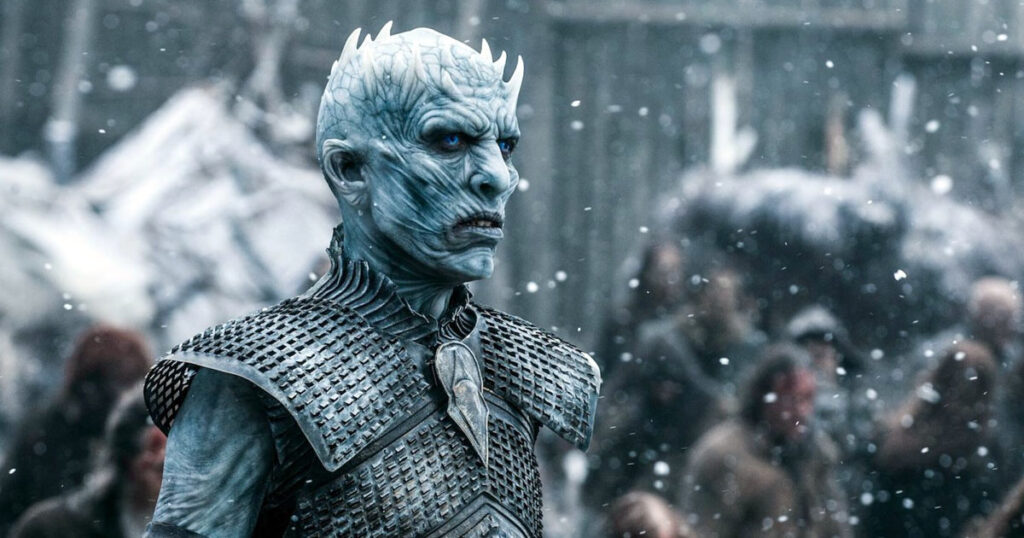
“The Long Night,” the highly anticipated battle against the White Walkers, serves as a prime example. Billed as the most epic television battle ever filmed, it was famously marred by lighting issues that made it nearly impossible to watch on standard televisions. But the deeper issue was the abandonment of the show’s core rule: consequences.
In early seasons, minor mistakes cost major characters their heads. In the Battle of Winterfell, main characters were repeatedly shown buried under swarms of the undead, only to be miraculously fine in the next cut. This impenetrable “plot armor” dissolved the genuine tension that had once made the show so addictive. Furthermore, the Night King, built up for eight years as an existential threat to humanity, was dispatched in a single night by a teenager leaping out of the darkness, rendering the entire mystical lore of the series abruptly irrelevant.
The Illusion of Subversion
Game of Thrones initially made its mark by subverting high fantasy tropes. Ned Stark, the honorable hero, was executed in season one. The Red Wedding slaughtered the protagonists in season three. These moments were shocking, but they were also the logical conclusion of the characters’ political miscalculations. They made structural sense.
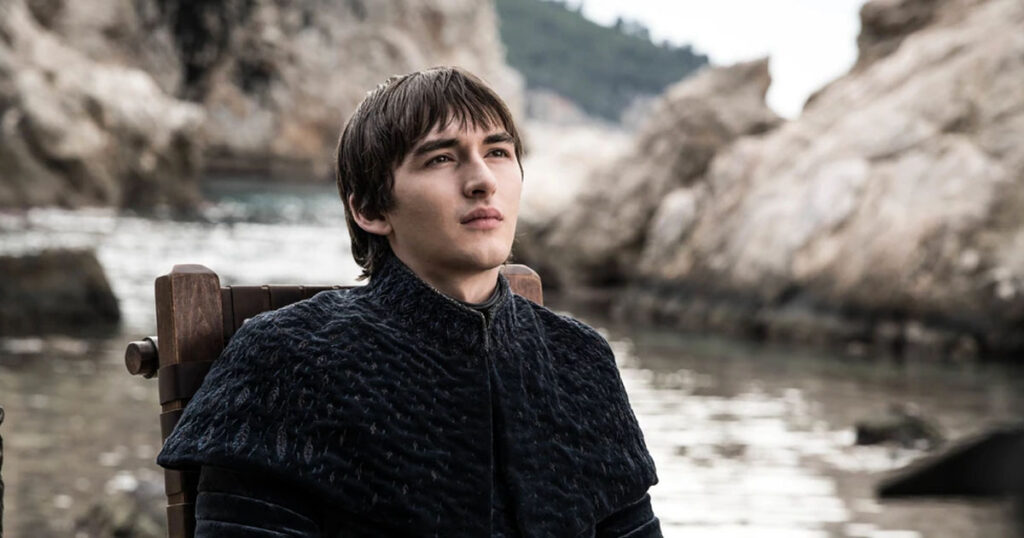
By Season 8, the showrunners seemingly became addicted to subversion for subversion’s sake. Bran Stark being named King because he had the “best story” was a narrative non-sequitur. Arya killing the Night King was chosen, by the creators’ own admission, simply because they didn’t want it to be Jon Snow. When a writer chooses a path specifically to outsmart the audience’s expectations, rather than following the truth of the narrative, the story breaks. It becomes a magic trick where the audience can clearly see the strings.
The Legacy of a Broken Crown
Ultimately, the phenomenon of Game of Thrones did not end; it merely evaporated. A show that should have lived on in constant re-watches and endless scholarly debate was quietly memory-holed by the collective culture, a testament to the bitter taste the finale left behind. We can look to the subsequent success of House of the Dragon as proof that audiences still crave the rich political tapestry of Westeros, provided the architects respect the foundation they are building upon. The spectacular collapse of Season 8 stands as a permanent Hollywood cautionary tale: in the realm of premium storytelling, a billion-dollar budget and cinematic dragons can never compensate for the loss of a meticulously crafted, logically sound, and character-driven narrative heart. It is not enough to build a spectacular throne; you must earn the right to sit on it.