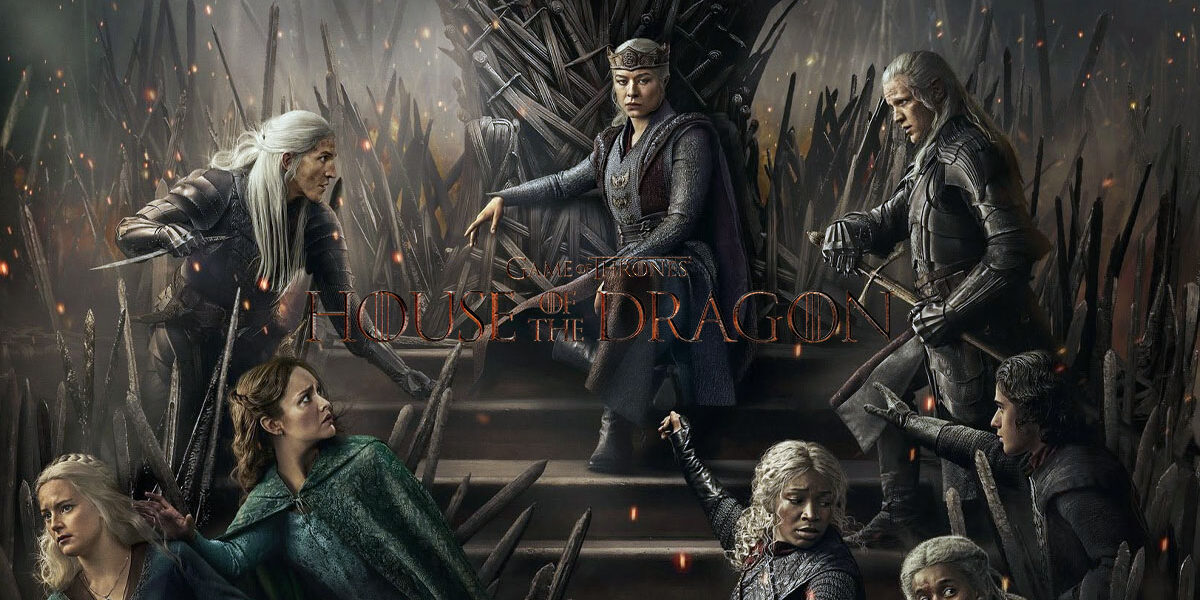
By The Realm’s Critic | Entertainment & Pop Culture Warning: This article contains extensive spoilers for House of the Dragon Season 3 Episode 1, “Salt and Sea, Fire and Blood.”
For the better part of two years, the chorus of critiques surrounding House of the Dragon’s sophomore season remained remarkably consistent: “It’s too slow,” “It’s a masterclass in table-setting,” and “When are we actually going to see the dragons dance?” Showrunner Ryan Condal and his team asked audiences for patience, promising that the meticulous political maneuvering, the endless council meetings in dimly lit chambers, and the agonizing restraint of Queen Rhaenyra Targaryen were necessary to earn the devastation that was to come.
With the premiere of Season 3, Episode 1—ominously and aptly titled “Salt and Sea, Fire and Blood”—that promise has not merely been fulfilled; it has been violently, spectacularly, and tragically over-delivered.
Clocking in at a breathless 72 minutes, the Season 3 premiere is a staggering cinematic achievement that immediately reclaims the franchise’s crown as the undisputed king of television spectacle. But more than just a showcase of unprecedented visual effects and roaring beasts, this episode marks a fundamental psychological shift in the series. The agonizing restraint is gone. The geopolitical chess match has ended. The board has been flipped, and what remains is a desperate, bloody scramble for survival.
This is the point of no return. And television has rarely looked this beautifully bleak.
The Ultimate Payoff: A Masterclass in Pacing and Tension
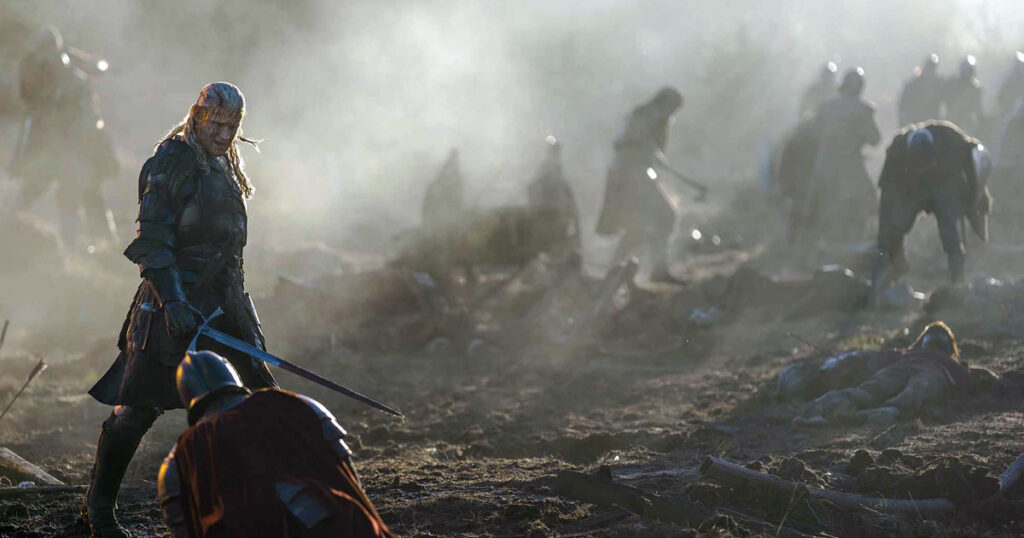
To understand the triumph of “Salt and Sea, Fire and Blood,” we must first acknowledge the structural genius of its placement. Season 2 functioned as a pressure cooker. We watched the valve tighten episode after episode, sensing the boiling water inside but never being allowed to see it spill over.
The House of The Dragon Season 3 Episode 1 begins exactly where it needed to: in the immediate, suffocating aftermath of the Season 2 finale’s mobilization. There are no gentle re-introductions to the lore, no sweeping establishing shots of King’s Landing meant to lull us into a false sense of security. The episode drops the viewer straight into the deafening cacophony of war. The pacing is relentless. The dialogue, once characterized by poetic diplomacy and veiled threats, has been stripped down to barked orders and desperate pleas.
This course correction in pacing is masterful. The showrunners implicitly acknowledge the audience’s fatigue with the waiting game and reward that patience with a narrative velocity that borders on the terrifying. We are moving so fast that characters barely have time to process the deaths of their loved ones before they are thrust into the next life-or-death scenario. It perfectly mirrors the uncontrollable nature of war—a beast that, once unleashed, drags everyone along in its wake, regardless of their royal titles or noble intentions.
The Battle of the Gullet: A Cinematic Nightmare on the Water
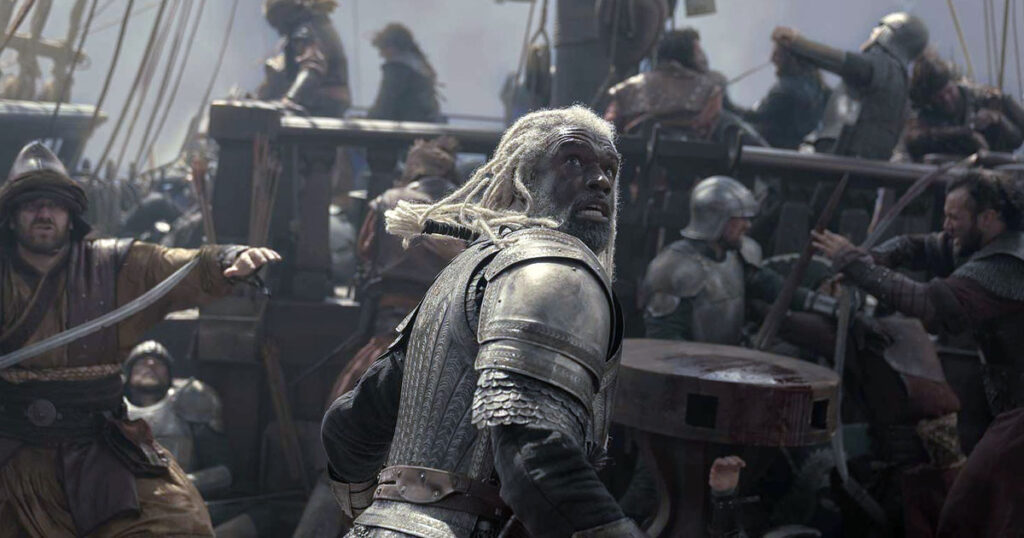
The undisputed centerpiece of the premiere—and arguably one of the most ambitious sequences ever committed to the small screen—is the long-awaited Battle of the Gullet. Fans of George R.R. Martin’s Fire & Blood have anticipated this naval clash for years, and director Miguel Sapochnik (returning to the franchise to lend his unparalleled eye for battle sequences) delivers a staggering, horrifying masterpiece.
The blockade of the Velaryon fleet, commanded by the Sea Snake, Corlys Velaryon, is shattered by the surprise arrival of the Triarchy’s massive armada. What ensues is not a glorious battle of heroes, but a chaotic, muddy, and terrifying slaughter. The cinematography captures the sheer scale of the conflict by contrasting the claustrophobia of hand-to-hand combat on the splintering decks of galleys with the sweeping, god-like terror raining down from the sky.
When the dragons finally enter the fray, the visual spectacle is beyond anything previously seen in the Game of Thrones universe. The visual effects team has significantly upgraded the rendering of the dragons, giving them a palpable weight and terrifying realism. When dragonfire meets the ocean, it doesn’t just burn; it flash-boils the water, creating blinding clouds of scalding steam that obscure the vision of the combatants and add a nightmarish, ethereal quality to the massacre.
We see Jacaerys Velaryon on Vermax, desperately trying to coordinate a defense alongside the newly anointed Dragonseeds. The choreography of the aerial combat is complex and brutal. Dragons are not treated as invincible fighter jets here; they are animals, vulnerable to the massive scorpion bolts launched by the Triarchy fleet. The sheer physics of the battle—the sound of wood splintering, the screams of burning men plunging into the freezing, blood-stained waters of the narrow sea, the deafening roars of the dragons—creates a sensory overload that is deeply uncomfortable to watch, yet impossible to look away from.
The Battle of the Gullet is not presented as a triumph for either the Blacks or the Greens (or their Triarchy allies). It is presented as a meat grinder. The cost of this battle in human life, naval superiority, and dragonblood is catastrophic. It is a visual representation of the theme that will define Season 3: there are no winners in the Dance of the Dragons, only survivors who must live with the ashes of their world.
Emma D’Arcy: The Ascension of the Black Queen and the Descent into Madness
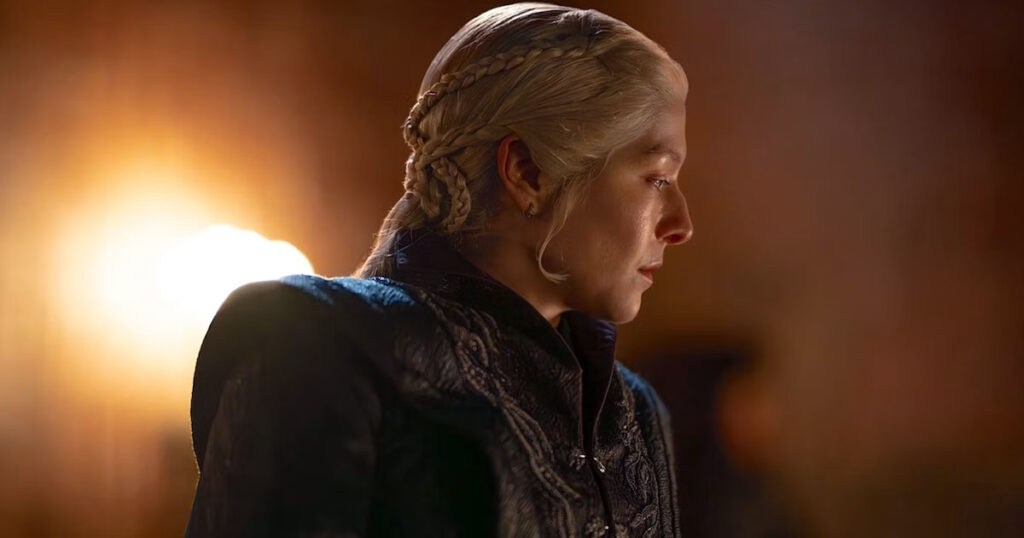
Amidst the CGI marvels and the roaring flames, the most potent weapon House of the Dragon possesses remains Emma D’Arcy. Their portrayal of Queen Rhaenyra Targaryen has always been nuanced, but in this premiere, D’Arcy delivers what can only be described as a masterclass in grief, rage, and the terrifying burden of absolute power.
If Season 1 was about Rhaenyra discovering her voice, and Season 2 was about her trying to maintain her humanity while fighting for her birthright, Season 3 begins with the shattering of that humanity. Rhaenyra has suffered unimaginable losses—her father, her children, her crown, and now, the devastating casualties at the Gullet. D’Arcy physically embodies this trauma. Gone is the regal posture of the early seasons; here, Rhaenyra moves with the rigid, mechanical precision of someone holding themselves together through sheer force of will.
The brilliance of D’Arcy’s performance lies in the silence. There is a sequence shortly after the devastating climax of the naval battle where the camera lingers on Rhaenyra’s face for nearly two uninterrupted minutes. In that single, unbroken shot, we see the battle raging behind her eyes. We see the last remnants of the diplomatic, peace-seeking mother burn away, replaced by the cold, calculating fury of the dragon. The slight twitch of a jaw muscle, the deadening of the eyes, the subtle shift in posture—D’Arcy conveys volumes without uttering a single word.
When she finally does speak to her war council, her voice is stripped of all warmth. It is flat, metallic, and utterly terrifying. Rhaenyra has fully embraced the Targaryen ethos of “Fire and Blood.” The internal struggle that made her so sympathetic in previous seasons has been replaced by a ruthless pragmatism that blurs the line between heroism and tyranny. As viewers, we are forced to grapple with a terrifying realization: we have rooted for her to take off the gloves, but now that she has, we are terrified of what those bare hands are capable of crushing.
D’Arcy is undoubtedly the frontrunner for every major acting award next season based on this 72-minute performance alone. They have transformed Rhaenyra from a tragic heroine into a force of nature, a woman who has realized that the only way to win a monster’s game is to become the biggest monster on the board.
The Fracturing of the Greens: Power, Paranoia, and Regret
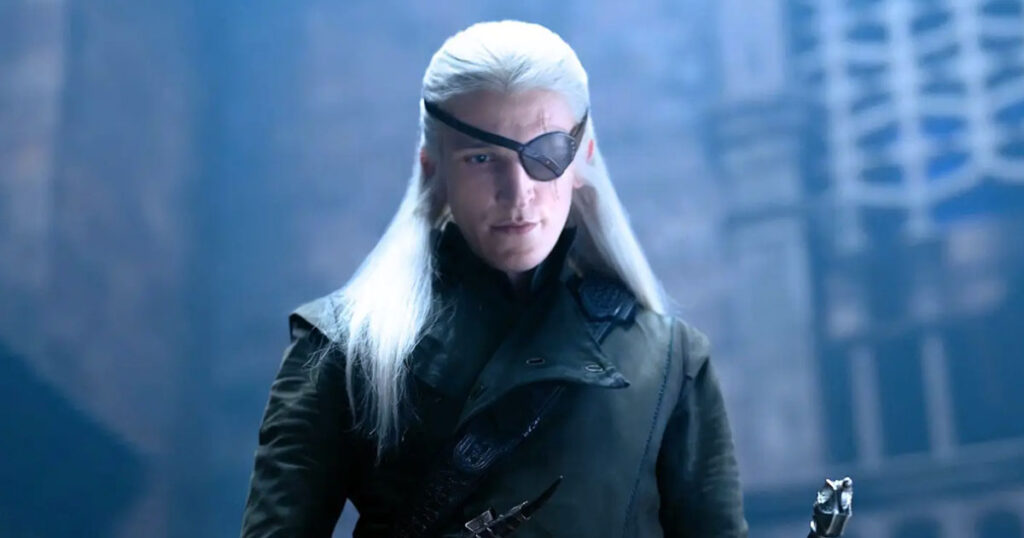
While the Blacks are defined by their fiery mobilization in this episode, the Greens in King’s Landing are characterized by an agonizing, suffocating chill. The premiere masterfully juxtaposes the explosive violence of the Gullet with the psychological warfare occurring within the walls of the Red Keep.
Aemond Targaryen, acting as Prince Regent while Aegon II remains a broken, bedridden shell of a king, is discovering that holding power is infinitely more difficult than seizing it. Ewan Mitchell continues to shine as Aemond, playing him not just as a one-note villain, but as a deeply paranoid, isolated young man who is entirely out of his depth in the complexities of wartime logistics. Aemond realizes that fear, while a powerful motivator, is not a substitute for loyalty. His erratic commands and increasingly tyrannical behavior are beginning to alienate the very council he needs to win the war.
Meanwhile, Olivia Cooke’s Alicent Hightower is a portrait of devastating regret. Stripped of her political influence by her own sons, she is relegated to the role of an observer in the apocalypse she helped initiate. Cooke’s performance is heartbreaking. She plays Alicent as a woman drowning in her own ambition, constantly haunted by the memory of the friendship she shared with Rhaenyra and the peaceful realm they could have ruled together.
The scenes in King’s Landing are shot with a distinct visual palette—cold blues, harsh shadows, and cavernous, empty spaces—emphasizing the emotional isolation of the Green faction. They have the Iron Throne, but they are prisoners to it. The realization that their machinations have unleashed a war that threatens to consume the entire continent hangs heavy in the air.
Thematic Undertones: The Point of No Return
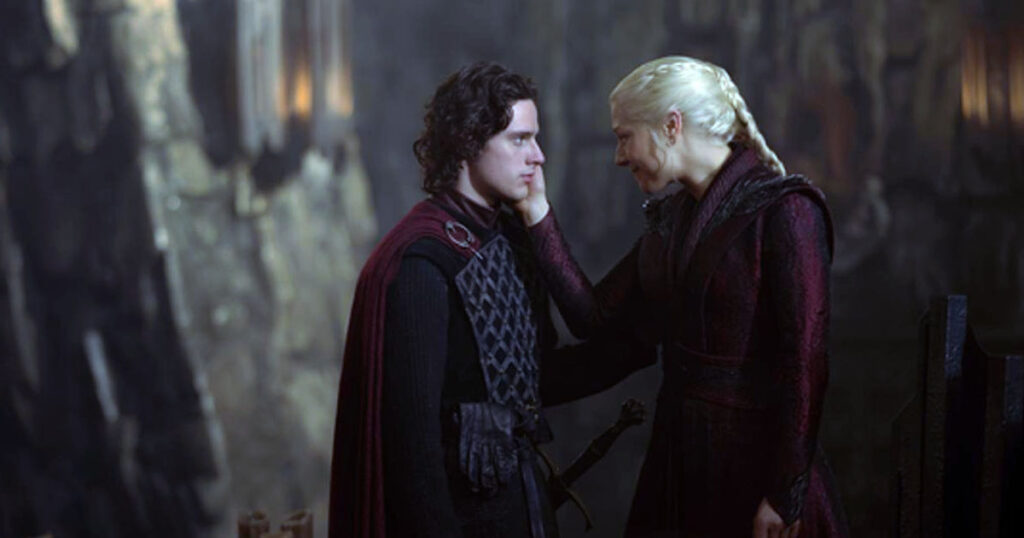
What elevates “Salt and Sea, Fire and Blood” from a great television episode to a profound piece of storytelling is its thematic clarity. This episode is fundamentally about the crossing of the Rubicon. It is the realization that the game of thrones is no longer a political metaphor; it is a literal, apocalyptic struggle for survival.
The series brilliantly uses the dragons as a metaphor for nuclear warfare. For generations, the Targaryen dragons were a deterrent, a symbol of absolute power that kept the realm in line through the mere threat of violence. The Dance of the Dragons is what happens when deterrence fails. The episode forces the audience to confront the horrific reality of unleashing weapons of mass destruction upon a fragile world.
Innocence is entirely dead in Season 3. Characters who previously hesitated to commit atrocities out of moral objection are now committing them out of strategic necessity. The morality of Westeros has been flattened. The concepts of “good” and “evil,” “rightful heir” and “usurper,” are meaningless when a town is being immolated by dragonfire. The showrunners are asking a difficult question of the audience: At what point does the pursuit of justice become indistinguishable from the thirst for revenge?
A Staggering Prelude to the End
House of the Dragon Season 3, Episode 1 is a cinematic juggernaut that justifies every ounce of patience requested of the audience during Season 2. By executing the Battle of the Gullet with unflinching brutality and allowing Emma D’Arcy to push Queen Rhaenyra into her darkest, most compelling territory yet, the series has set an impossibly high bar for the rest of the season.
“Salt and Sea, Fire and Blood” is not just the best episode of House of the Dragon to date; it stands shoulder-to-shoulder with the greatest episodes in television history. It is a terrifying, mesmerizing declaration that the political maneuvers are over. The true Dance of the Dragons has begun, and if this premiere is any indication, no one—not the characters, and certainly not the audience—will walk away from it unscathed.
What did you think of the Season 3 Premiere? Did the Battle of the Gullet live up to your expectations? Share your thoughts and theories in the comments below!