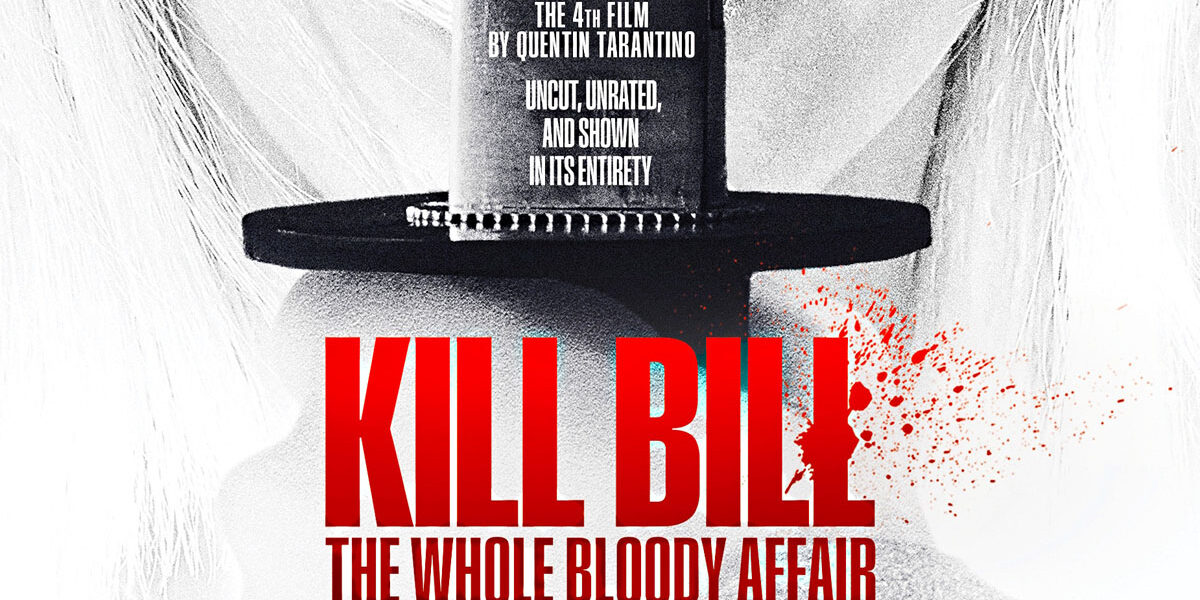
If you are a die-hard Quentin Tarantino fan, you likely know that one of the ultimate cinematic “Holy Grails” is Kill Bill: The Whole Bloody Affair. It isn’t just a simple copy-and-paste job of tying Vol. 1 and Vol. 2 together. Instead, it is the uncompromising “original vision” the legendary director intended before the film was notoriously split in half for its theatrical run. Screened only at a few select events like the Cannes Film Festival and Tarantino’s own New Beverly Cinema in Los Angeles, this elusive cut has achieved a mythical status. Today, we dive deep into what’s hidden inside this 4-hour uncut masterpiece and why it is an absolute must-watch for any true cinephile.

The Plot: The Bride’s Blood-Soaked Path to Vengeance
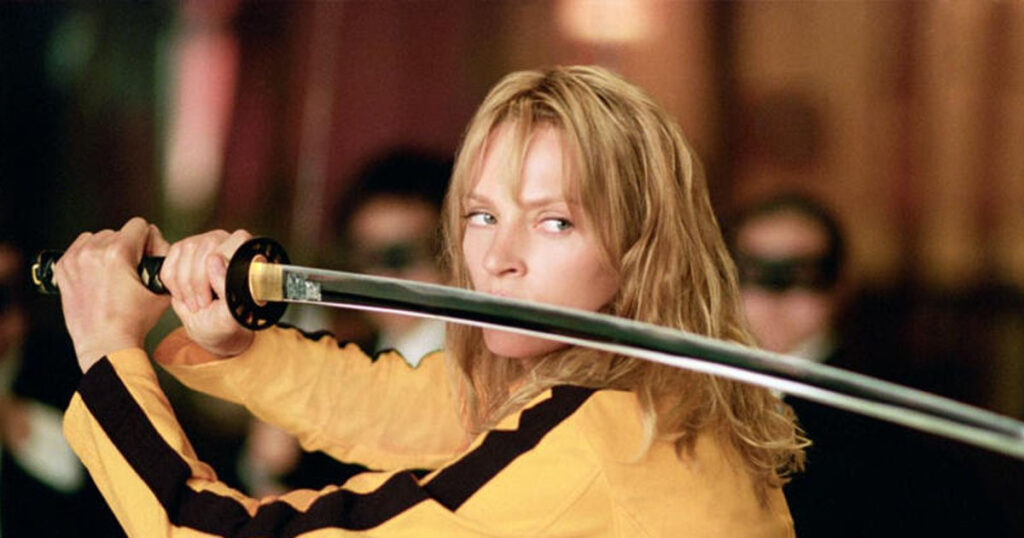
The core narrative remains the epic, genre-bending revenge saga of The Bride, also known as Beatrix Kiddo (masterfully played by Uma Thurman in a career-defining performance). She is a former elite assassin whose wedding rehearsal in a small Texas chapel is turned into a gruesome bloodbath by her ex-lover and boss, Bill (David Carradine), along with her former comrades from the Deadly Viper Assassination Squad (portrayed by Lucy Liu, Vivica A. Fox, Michael Madsen, and Daryl Hannah). Left with a bullet in her head, she falls into a coma for four years.
Upon awakening to the horrifying realization that the unborn baby she was carrying is gone, she begins a relentless, globe-trotting mission to cross names off her kill list. Armed with a legendary Hattori Hanzo katana, her bloody trail leads her from the suburban neighborhoods of America to the neon-lit streets of Tokyo, and finally to the dusty deserts of Mexico to confront her ultimate target… Bill.
What’s New and Different in “The Whole Bloody Affair”
The magic of this 4-hour version lies in its seamless transitions, structural flow, and the total removal of theatrical censorship, allowing audiences to experience the film exactly as Tarantino wrote it. Here are the most significant differences:
- The House of Blue Leaves Battle is in Glorious Full Color: In the global theatrical release of Vol. 1, The Bride’s insane showdown against the Crazy 88s was infamously switched to black-and-white to appease the MPAA and avoid an NC-17 rating due to excessive gore. In this version, the entire sequence is presented in vibrant, blood-soaked full color (previously only seen in the Japanese theatrical cut). The contrast of the bright crimson geysers of blood against the pristine Japanese restaurant set elevates the breathtaking action choreography to an entirely new level of visual artistry.
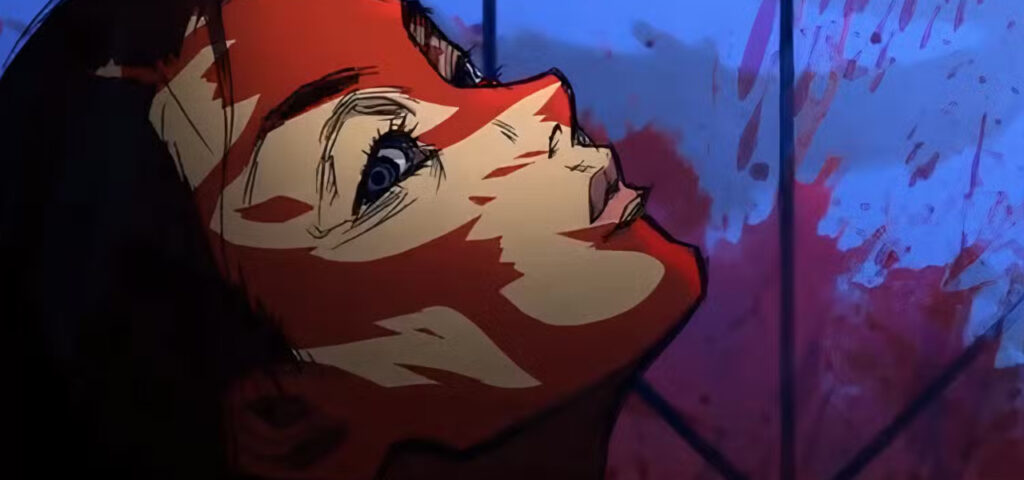
- Extended and Brutal Anime Sequence: The stunning anime segment (Chapter 3: The Origin of O-Ren), animated by the legendary Japanese studio Production I.G (known for Ghost in the Shell), is significantly extended. It restores all the extreme violence and dark themes—specifically the young O-Ren’s brutal assassination of the pedophile general—that were heavily trimmed for the US theatrical release. This added footage vividly showcases the sheer brutality that shaped her into a ruthless Yakuza boss.
- A Seamless Transition with No Cliffhanger: At the end of the theatrical Vol. 1, Bill asks the tortured Sofie Fatale, “Is she aware her daughter is still alive?”—a classic, pulpy cliffhanger designed to bring audiences back for Vol. 2 months later. In The Whole Bloody Affair, this line is completely removed. The story flows smoothly and directly into Budd’s chapter. By withholding this information, the final reveal of The Bride’s daughter in the third act becomes significantly more surprising and emotionally impactful for the viewer.
- The Vintage Intermission: Paying homage to 1970s grindhouse cinema, Spaghetti Westerns, and historical epics, Tarantino lovingly inserts an old-school “Intermission” title card right in the middle of the film. It serves a functional purpose, giving the audience a brief breather before shifting the hyper-kinetic, samurai-heavy tone of the first half into the slower, more methodical, character-driven Western vibe of the second half.
- A Unified Credits Sequence: Instead of splitting the credits, the film ends with one massive, beautifully edited end-credits sequence that honors the entire cast and crew of the 4-hour epic, reinforcing the idea that this is truly one massive cinematic novel.
Behind the Scenes: Why Was It Split in the First Place?
Tarantino originally wrote Kill Bill as one massive, sprawling script—treating it like a cinematic novel with distinct chapters. However, the primary reason it wasn’t released as a 4-hour epic initially was due to the infamous former Miramax producer, Harvey Weinstein. He believed that a four-hour martial arts film overflowing with blood and Japanese dialogue would be a “tough sell” for mainstream audiences and a huge box office risk.
Weinstein issued an ultimatum to trim the movie down to a standard two hours. Tarantino, fiercely protective of his vision and refusing to sacrifice his vital homages to films like Lady Snowblood and The Good, the Bad and the Ugly, found a compromise: slice the film right down the middle into Vol. 1 and Vol. 2. The result? The studio doubled its box office profits, and both volumes became massive pop-culture phenomenons.
However, deep down, Tarantino has always considered Kill Bill to be a single movie (which is why he counts it as his 4th film overall, not his 4th and 5th). He personally oversaw the assembly of The Whole Bloody Affair to preserve his true artistic intent.
Conclusion
Kill Bill: The Whole Bloody Affair is far more than two sequels stitched together for a quick cash grab. It is a cinematic tour de force that seamlessly transitions across genres—from Shaw Brothers martial arts and Japanese Yakuza films to Anime and gritty Spaghetti Westerns. Experiencing this 4-hour journey in one sitting allows you to fully grasp the profound emotional arc of The Bride, making her final scene of catharsis incredibly moving. It stands as the absolute pinnacle of Quentin Tarantino’s brilliant pop-culture homage, and it is the definitive way to experience this masterpiece.