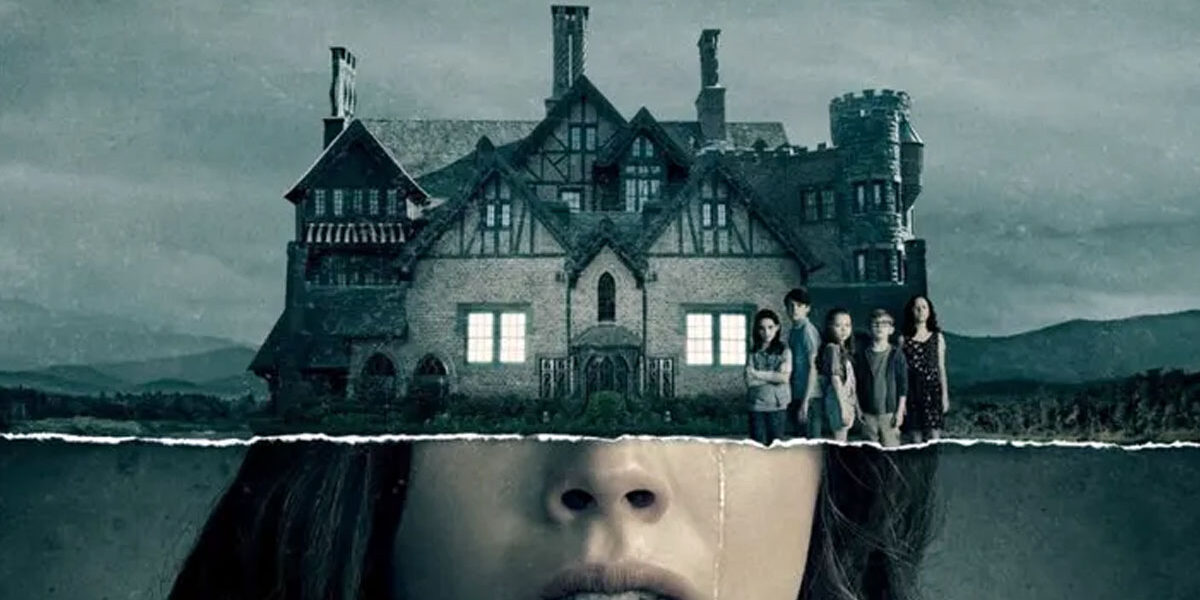
In the vast and often predictable landscape of horror television, few shows manage to transcend the genre’s jump-scare tropes to become something profoundly human. Mike Flanagan’s 2018 masterpiece, The Haunting of Hill House, is far more than a mere ghost story; it is a sprawling, heartbreaking epic about the architecture of grief, the volatility of family dynamics, and the invisible scars that refuse to heal. Based loosely on Shirley Jackson’s seminal 1959 novel, this Netflix original series redefines what it means to be “haunted” in the 21st century.
A Masterclass in Dual-Timeline Storytelling
The brilliance of The Haunting of Hill House lies in its intricate structural complexity. The narrative gracefully dances between two primary timelines: the fateful summer of 1992, when the Crain family moved into the titular mansion to flip it, and the present day, where the five adult siblings find themselves scattered and still grappling with the lingering shadows of their childhood.
Flanagan uses these timelines not just to build a supernatural mystery, but to establish a direct, painful correlation between childhood trauma and adult dysfunction. We see how the “ghosts” they encountered as children—whether they were literal apparitions or metaphorical manifestations of fear—dictated the trajectory of their lives. The house didn’t just scare them; it shaped their DNA.
The Crain Siblings: The Five Faces of Grief
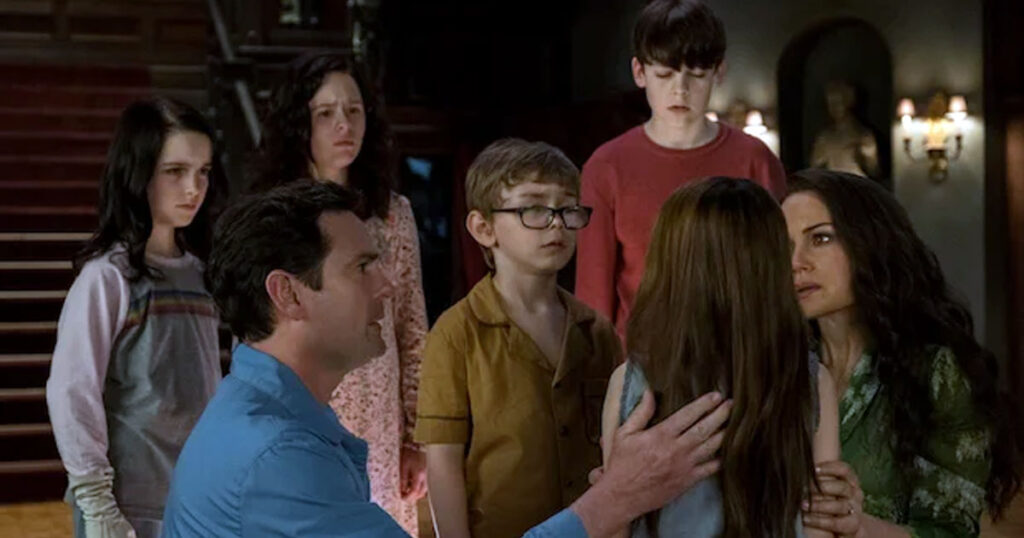
Each of the five siblings serves as a vessel for a different facet of the human experience with loss and denial:
- Steven (Denial): The eldest son and a successful paranormal author who ironically doesn’t believe in ghosts. He has built a career on his family’s tragedy while rationalizing their experiences as hereditary mental illness. His journey is one of painful awakening to the reality that some things cannot be explained by science.
- Shirley (Anger): The rigid, perfectionist mortician. Shirley seeks to control death by “fixing” the faces of the deceased, a direct reaction to the chaos and helplessness she felt when her mother died. Her anger acts as a shield against her own vulnerability.
- Theo (Bargaining/Isolation): The middle child gifted (or cursed) with “the touch.” By wearing physical gloves, she maintains an emotional distance from the world, terrified of the overwhelming psychic pain she absorbs from others. Her arc is a beautiful exploration of the walls we build to protect our hearts.
- Luke (Depression): Nell’s twin and a struggling addict. Luke’s substance abuse is a desperate attempt to numb the terror of the “Tall Man” who followed him out of Hill House. His struggle for sobriety is one of the most raw and empathetic portrayals of addiction ever filmed.
- Nell (Acceptance): The heart of the series. Nell’s tragic journey toward the “Bent-Neck Lady” revelation is a haunting cycle of predestination. Her “Confetti” speech in the finale remains one of the most poetic and devastating moments in television history, offering a bittersweet perspective on time and love.
The Parents: A Tragedy of Good Intentions
While the siblings are the focus, the tragedy of Olivia and Hugh Crain is the foundation of the story. Olivia, portrayed with haunting grace by Carla Gugino, isn’t a villain; she is a mother whose protective instincts were weaponized by the house. Her descent into “waking dreams” is a terrifying look at how maternal love can be twisted into something destructive.
Hugh Crain, on the other hand, represents the tragic silence of a father trying to protect his children by withholding the truth. His refusal to explain the horrors of that final night created a rift that lasted decades, proving that sometimes, the secrets we keep to protect our loved ones are the very things that tear them apart.
Technical Perfection: Beyond the Jump-Scares
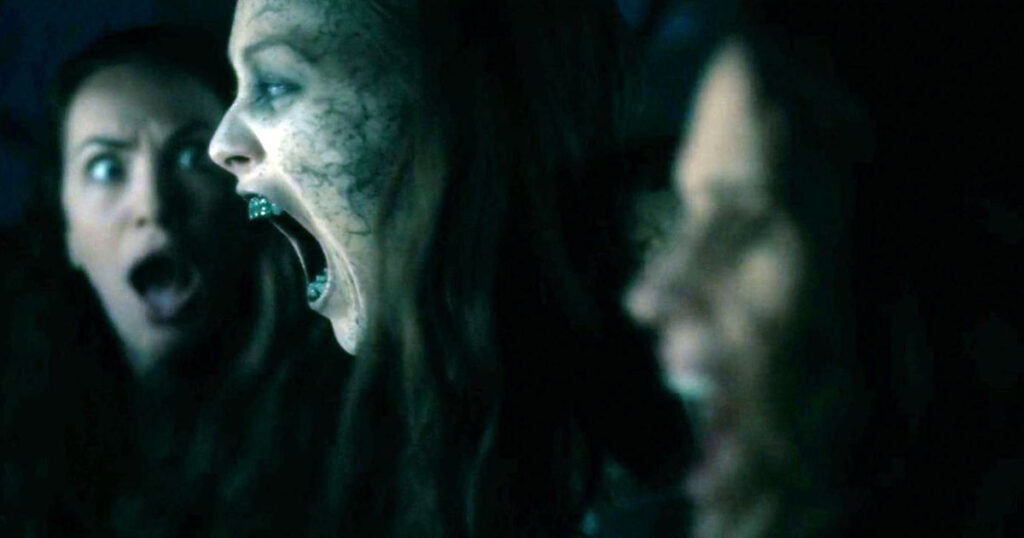
Flanagan’s technical craftsmanship is peerless. While the show features some of the most effective scares in modern horror—most notably the “car jump” in Episode 8—it is the atmosphere that truly suffocates the viewer.
Episode 6, “Two Storms,” is a landmark in television history. Comprised of five long, uninterrupted takes, the episode moves seamlessly between the past (Hill House during a storm) and the present (a funeral home). The choreography required to move the cast through different eras in a single shot is breathtaking, trapping the audience in the family’s claustrophobic grief without the relief of a single cut.
Furthermore, the “hidden ghosts” tucked away in the shadows of Hill House—appearing in the background of seemingly normal scenes—reward the observant viewer. They serve as a constant, unsettling reminder that in this house, you are never truly alone, even when the characters think they are.
The Red Room: The Architecture of the Mind
The series eventually asks a profound philosophical question: What is a ghost? To Flanagan, a ghost is a memory, a daydream, a secret, or a moment in time that repeats itself like a heartbeat.
The revelation of the Red Room serves as the series’ thematic anchor. It wasn’t just a locked room; it was the house’s “stomach.” By manifesting as a dance studio, a gaming room, or a reading nook, it gave each family member exactly what they thought they needed while slowly digesting their sanity. It is a chilling metaphor for how we get stuck in the rooms of our own minds, feeding our delusions until they consume us.
Final Verdict: A Modern Gothic Classic
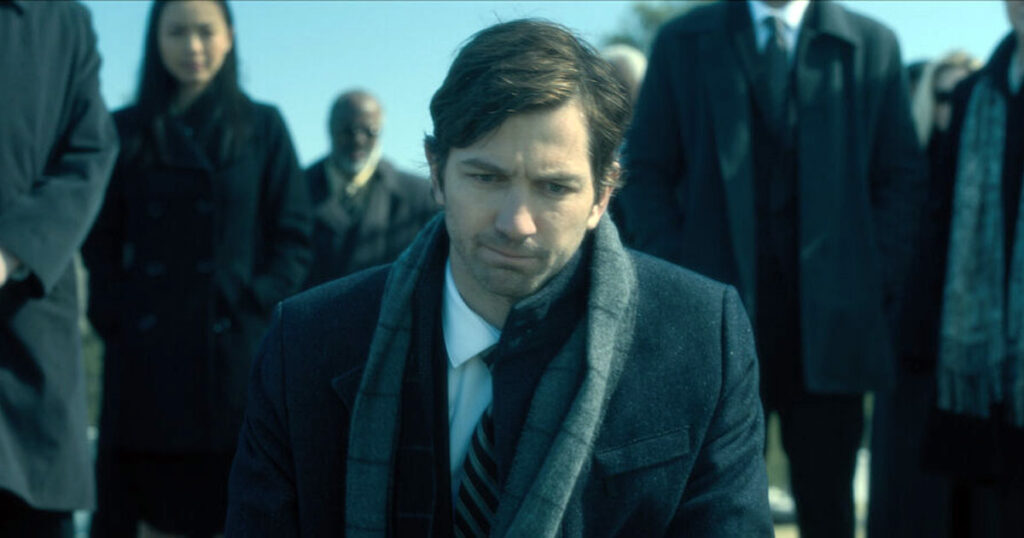
The Haunting of Hill House is a rare achievement that balances genuine terror with profound emotional resonance. It understands that the scariest things in life aren’t the monsters under the bed, but the phone call in the middle of the night, the words left unsaid, and the realization that we are turning into our parents.
By the time the credits roll, you realize that the ghosts are merely symptoms. The real story is about a broken family trying to find their way back to each other through the dark. It is a masterpiece of the genre and a mandatory watch for anyone who believes that horror can be high art.