We currently live in the Golden Age of Television, where streaming platforms and cable networks produce hundreds of high-quality TV shows every year. However, this era of “Peak TV” comes with a significant downside: the curse of the renewal. When a show becomes a massive, unexpected hit, network executives often push to milk the property for all it’s worth. The result? A brilliant, perfectly contained story is stretched, twisted, and dragged out until it loses everything that made it special in the first place.
There is a unique tragedy in watching a masterpiece slowly deteriorate into mediocrity. Sometimes, the writers run out of source material. Other times, the original premise simply wasn’t designed to last for multiple years.
If you value your time and prefer a satisfying, cohesive narrative over a drawn-out mess, we have the perfect viewing guide for you. Here are 10 incredible TV shows where you should absolutely watch only season 1. Trust us, once that season finale rolls credits, consider the story complete and walk away.
1. Prison Break
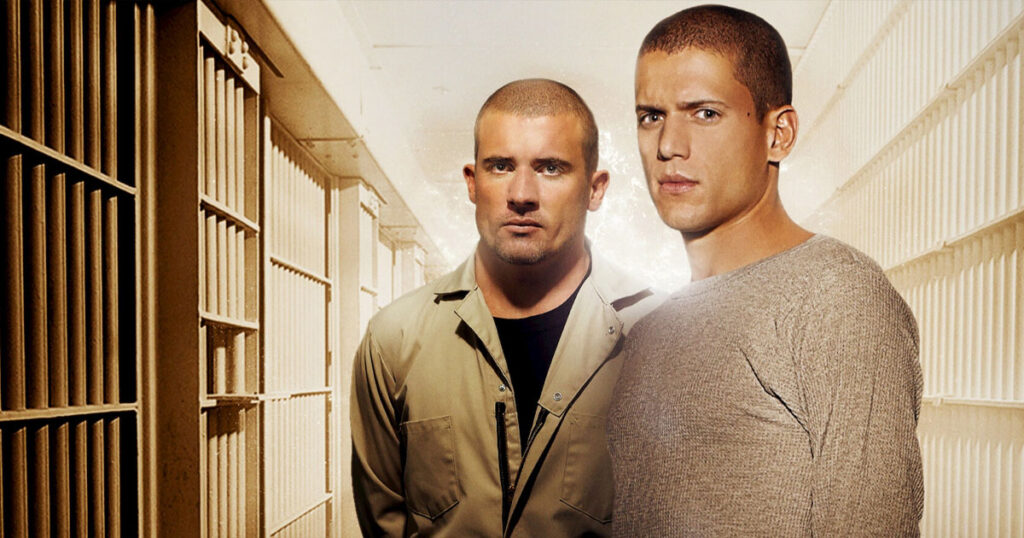
When Prison Break premiered, it offered one of the most ingenious and tightly wound premises in television history. Michael Scofield, a brilliant structural engineer, intentionally gets himself incarcerated in Fox River State Penitentiary to break out his wrongly accused brother, Lincoln. The catch? He has the prison’s blueprints tattooed across his entire body in a sprawling, cryptic masterpiece.
Season 1 is a masterclass in tension, claustrophobia, and pacing. Every episode brings a new obstacle, and the intricate planning required to escape keeps you on the edge of your seat. However, the show’s title is Prison Break. Once they actually break out of the prison at the end of the first season, the core hook of the series vanishes. Subsequent seasons devolve into convoluted government conspiracies, repetitive recaptures, and increasingly absurd plot twists that completely abandon the grounded, gritty tension of the original escape. Watch them make it over the wall, and then consider their story beautifully concluded.
2. Heroes
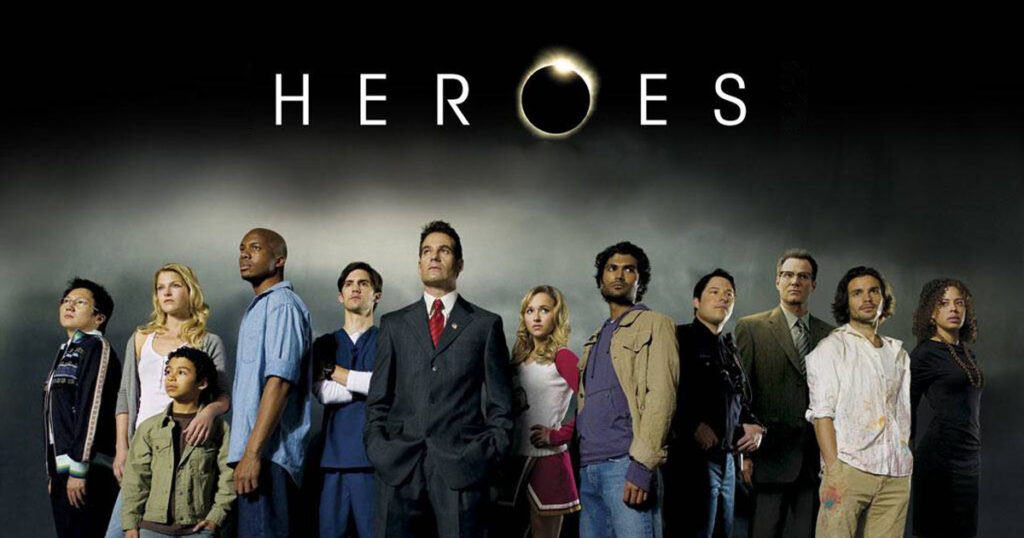
“Save the cheerleader, save the world.” That single tagline defined pop culture in 2006. Long before the Marvel Cinematic Universe dominated the screen, Heroes delivered a grounded, emotionally resonant take on ordinary people discovering they had superhuman abilities. The first season was a global phenomenon, weaving multiple character arcs across the globe into a single, terrifying prophecy of a nuclear explosion in New York City.
The pacing, the mystery of the villain Sylar, and the character development were nearly flawless. Unfortunately, the infamous 2007 Writers Guild of America strike derailed the show’s momentum right as Season 2 began. Storylines were rushed, character motivations changed overnight, and the series began to introduce incredibly convoluted time-travel paradoxes to write itself out of corners. The magic of the first volume was never recaptured. Do yourself a favor: watch the first season, enjoy the epic showdown at Kirby Plaza, and pretend the show ended right there.
3. Westworld
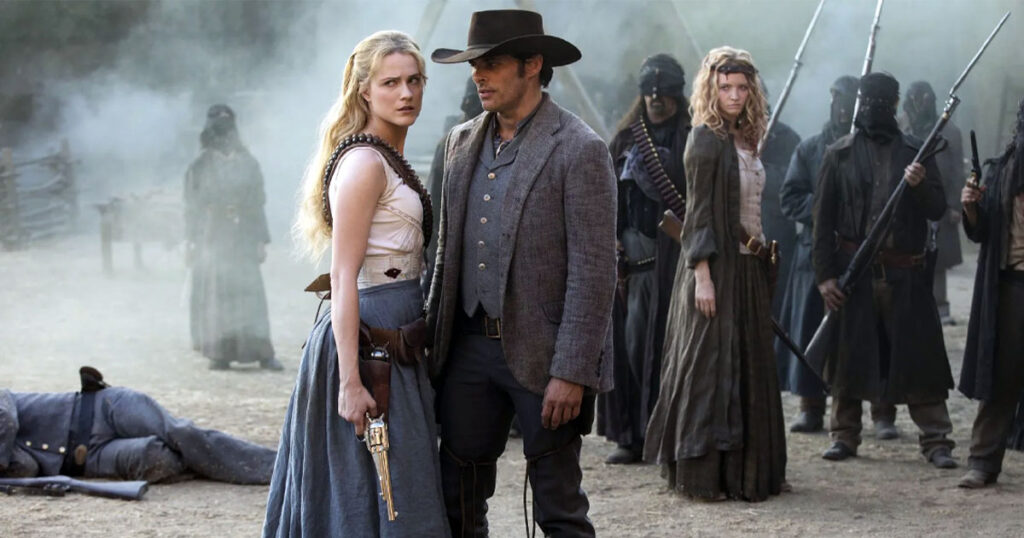
HBO’s Westworld debuted as a mind-bending, philosophical sci-fi western that asked profound questions about artificial intelligence, consciousness, and human morality. Set in a hyper-realistic theme park where wealthy guests can live out their darkest fantasies with android “hosts,” the first season was a meticulously crafted puzzle box.
Spearheaded by incredible performances—particularly from Sir Anthony Hopkins as the park’s enigmatic creator—Season 1 slowly unraveled its mysteries. The revelation of “The Maze” and the culmination of the hosts’ journey toward sentience resulted in one of the most satisfying and shocking season finales in television history.
However, in later seasons, the creators seemed more focused on outsmarting the internet than telling a good story. The narrative became overly reliant on confusing timeline tricks, swapping character motivations, and expanding the world in ways that lost the intimate, psychological horror of the park. The first season stands perfectly alone as a self-contained cinematic triumph.
4. Altered Carbon
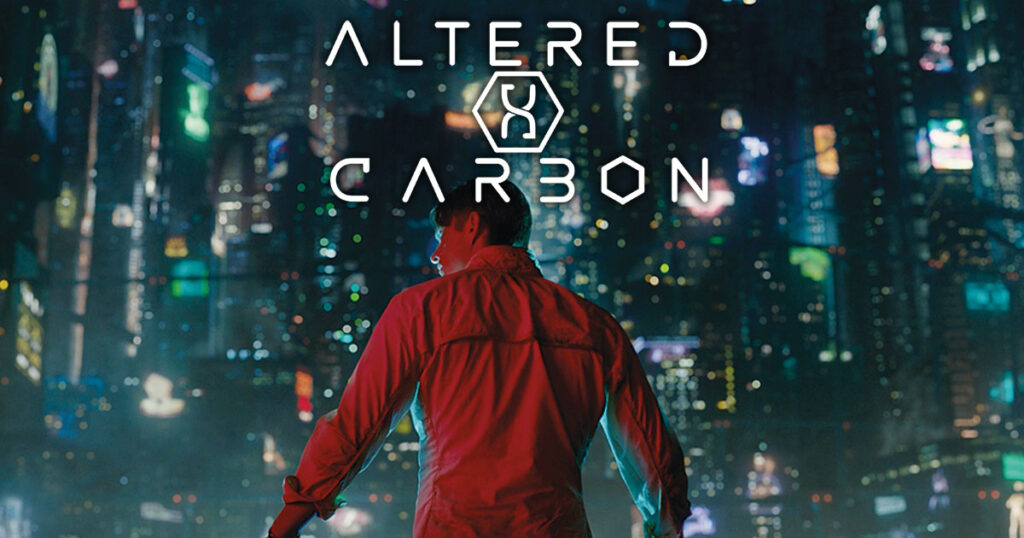
Based on Richard K. Morgan’s cyberpunk novel, Altered Carbon introduced viewers to a dazzling, neon-drenched future where human consciousness can be digitized and downloaded into new bodies, known as “sleeves.” The first season follows Takeshi Kovacs, a highly trained rebel soldier who is woken up centuries after his death to solve the murder of a wealthy aristocrat.
Season 1 is a magnificent blend of hardboiled detective noir, breathtaking world-building, and visceral action. Joel Kinnaman’s portrayal of Kovacs brought a brooding, physical intensity to the role that grounded the high-concept sci-fi. By the end of the season, the murder is solved, and the immediate emotional arcs are tied up.
Because of the nature of the show (changing “sleeves”), Season 2 brought in a new lead actor and a significantly lower budget. The gritty, film-noir atmosphere was replaced with generic sci-fi tropes, and the compelling mystery element was lost. The first season is a cyberpunk masterpiece; the rest is entirely skippable.
5. 13 Reasons Why
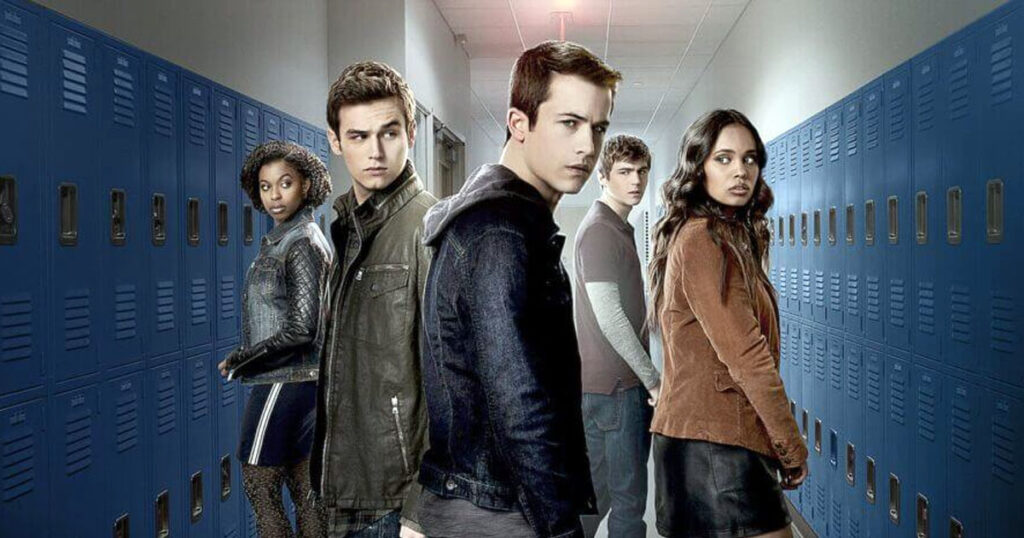
Adapted from Jay Asher’s young adult novel, 13 Reasons Why took the world by storm with its unflinching, heartbreaking look at high school bullying, depression, and suicide. The premise is deeply haunting: teenager Hannah Baker leaves behind a box of cassette tapes detailing the thirteen reasons why she decided to end her life, each tape dedicated to a specific person who contributed to her pain.
The first season adapts the entirety of the book. It is a complete, emotionally devastating story with a definitive beginning, middle, and end. It forced difficult conversations and left a lasting impact. However, because it was a massive hit for Netflix, the creators decided to continue the story past the source material. Seasons 2 through 4 became an exercise in trauma porn, piling on increasingly ridiculous and melodramatic tragedies (including murder cover-ups and school shootings) that completely undermined the grounded realism and respectful message of the first season. Stop when the tapes stop.
6. The Promised Neverland (Anime)
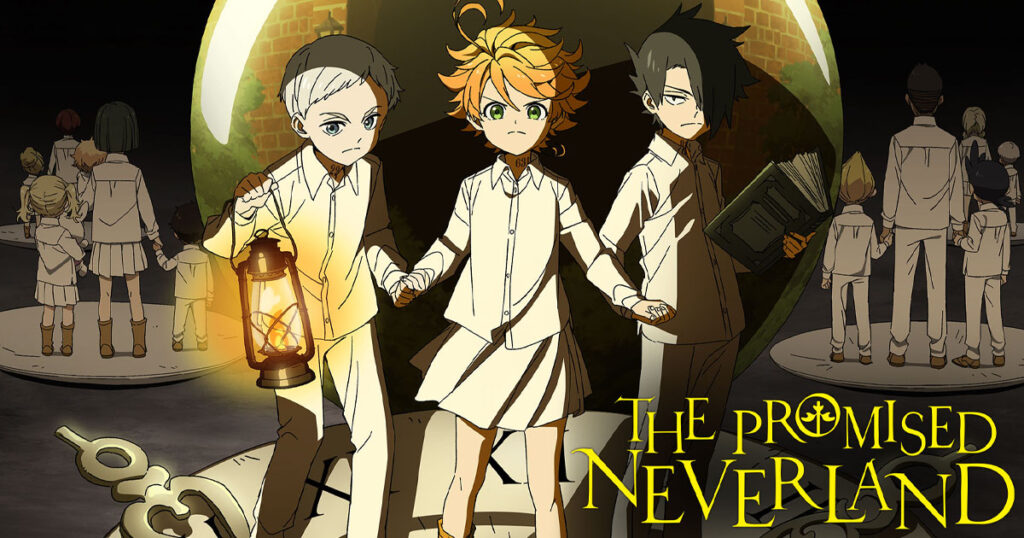
While this is an anime rather than a live-action series, the drop in quality after the first season is so legendary that it demands a spot on this list. The Promised Neverland starts as a brilliant psychological thriller. We follow a group of highly intelligent orphans living in an idyllic, lush orphanage called Grace Field House. They soon discover a horrifying truth: they are being raised as high-quality livestock for demonic creatures, and their loving “Mother” is their warden.
Season 1 is a flawless game of cat-and-mouse. The children must use their wits to plan a mass escape without alerting the adults. The tension is unbearable, the mind games are brilliant, and the season finale is incredibly triumphant.
Here is the golden rule for this series: Watch Season 1. Once the children scale the wall and escape into the forest, stop watching. Season 2 is notorious for butchering the source material, skipping over the best arcs of the manga, erasing beloved characters, and rushing to a nonsensical conclusion via a slideshow. If you want to know what happens next, go read the original manga. Do not, under any circumstances, watch Season 2.
7. Big Little Lies
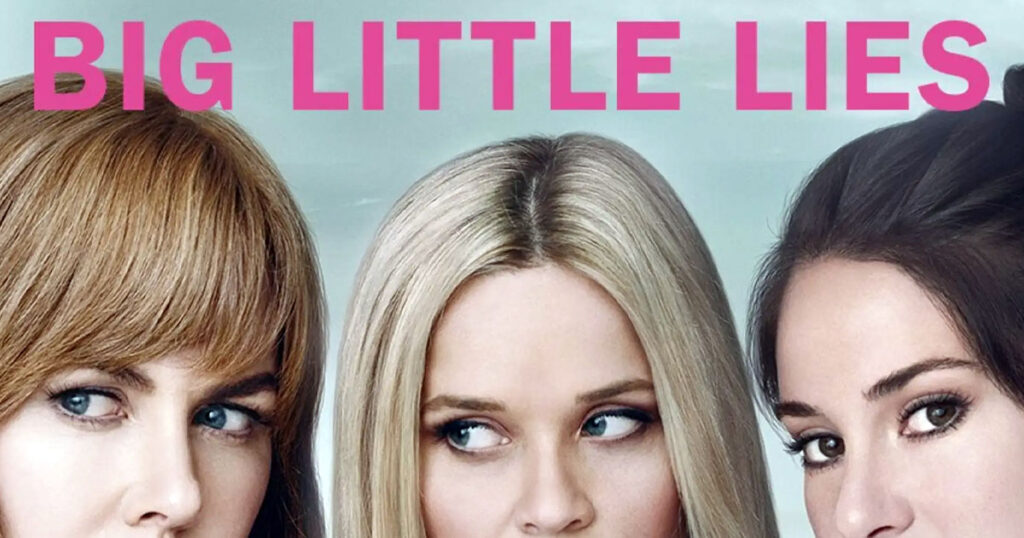
Originally billed as a limited series, Big Little Lies is a prestige drama based on the novel by Liane Moriarty. Set in the wealthy, picturesque town of Monterey, California, the show revolves around a group of mothers whose seemingly perfect lives unravel to the point of murder.
With an all-star cast including Reese Witherspoon, Nicole Kidman, and Laura Dern, Season 1 is a masterclass in character study, examining domestic abuse, female friendship, and societal pressure. The season meticulously builds up to a trivia night fundraiser, brilliantly revealing both the victim and the perpetrators in a highly satisfying, emotionally resonant finale that covers the entirety of the original novel.
Unfortunately, the show won so many Emmys that HBO couldn’t resist a second season. Even with the addition of Meryl Streep, Season 2 felt structurally unnecessary. The tight pacing was gone, and it felt exactly like what it was: a story that had already ended being forcefully dragged back to life. The first season is a perfect, self-contained story.
8. True Detective (Season 1)
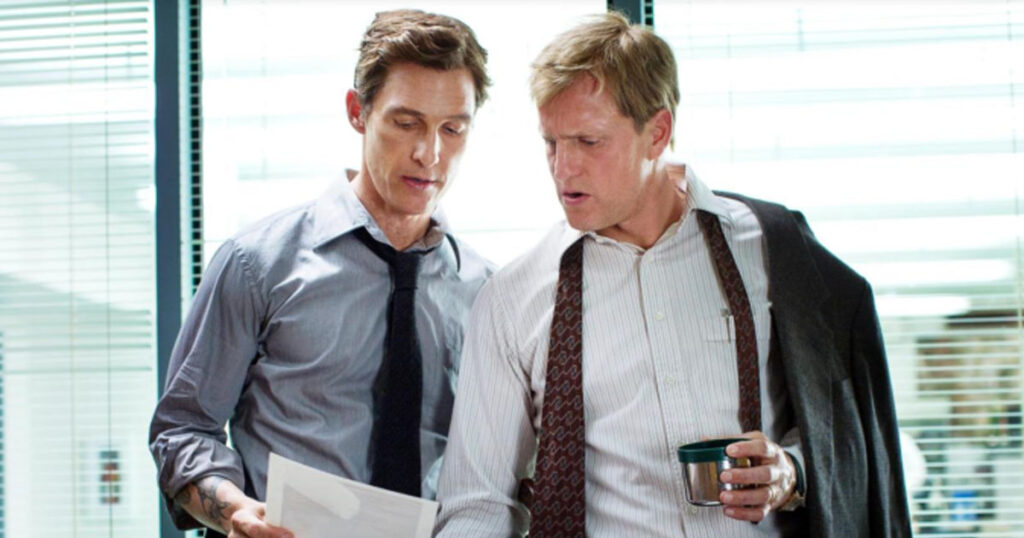
True Detective is an anthology series, meaning each season features a new cast, setting, and storyline. However, to this day, the first season remains the absolute zenith of the format, and arguably one of the greatest seasons of television ever produced.
Starring Matthew McConaughey as the nihilistic Rust Cohle and Woody Harrelson as the hypocritical family man Marty Hart, Season 1 spans decades as the two detectives hunt a ritualistic serial killer in the swamplands of Louisiana. The dialogue is profoundly philosophical, the atmosphere is suffocatingly dark, and the southern gothic aesthetic is unmatched. The story wraps up perfectly in eight episodes. While the network tried to replicate this lightning in a bottle with subsequent seasons featuring different actors, none have come close to the haunting perfection of Cohle and Hart’s journey. You only ever need to watch Season 1.
9. The Terror (Season 1)
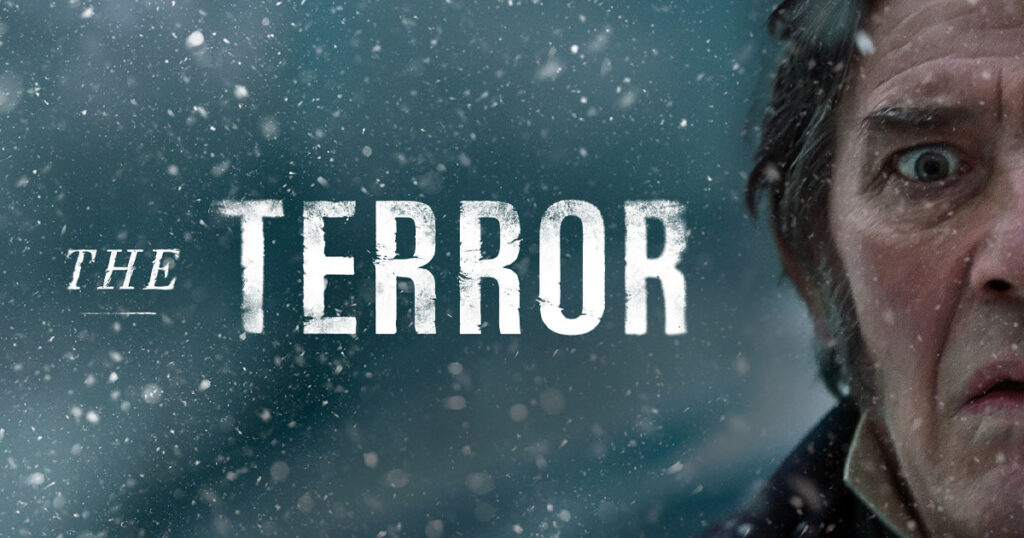
Similar to True Detective, The Terror was designed as an anthology series, but its first season is a completely isolated masterpiece of historical horror. Based on Dan Simmons’ novel, it presents a fictionalized account of Captain Sir John Franklin’s lost expedition to the Arctic in the 1840s.
Two British naval ships, the HMS Erebus and HMS Terror, become permanently trapped in the pack ice. As the years pass, the crew must battle freezing temperatures, starvation, scurvy, mutiny, and something massive and supernatural stalking them in the dark. The descent into madness is beautifully shot and incredibly gripping. It ends exactly as history tells us it must, with a grim but profoundly beautiful conclusion. Season 2 shifts to a completely different story involving Japanese internment camps during WWII, and unfortunately, it completely lacks the suffocating dread and masterful storytelling of the first season.
10. Riverdale
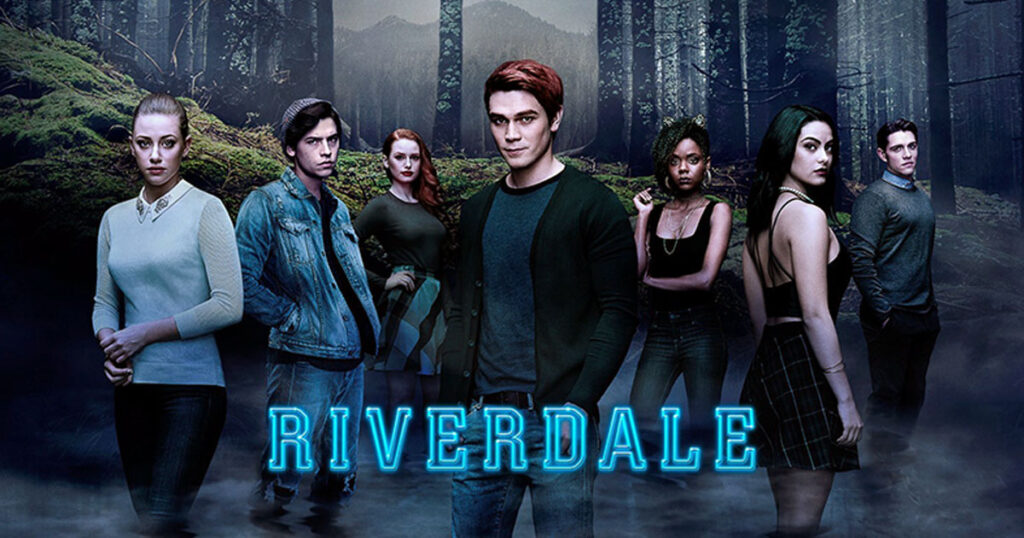
It might seem strange to include a CW teen drama alongside prestige HBO shows, but the trajectory of Riverdale is a fascinating case study. When Season 1 aired, it was genuinely good. Pitched as a moody, neon-lit, Twin Peaks-style reimagining of the classic Archie Comics, the first season focused on a single, compelling mystery: Who killed teenager Jason Blossom?
It had great aesthetics, a fantastic soundtrack, and a tight, focused narrative. By the end of the 13-episode run, the killer is revealed, the motives are explained, and the mystery is satisfyingly resolved.
If you stop there, you have watched a very solid teen noir. If you continue, you will witness the show descend into absolute, meme-generating madness. Over the next few seasons, the high schoolers will deal with underground fight clubs, organ-harvesting cults led by Chad Michael Murray, the “Gargoyle King,” bear attacks, parallel universes, and literal superpowers. Watch Season 1 for the aesthetic murder mystery, and skip the chaotic fever dream that follows.
Conclusion
In an entertainment landscape obsessed with endless content, there is something deeply respectable about a story that knows exactly what it wants to be and wraps up when the time is right. If you decide to dive into any of the shows on this list, you can do so with the confidence of knowing exactly when to walk away. Sometimes, to preserve the legacy of a great story, you really should just watch only season 1.