When the titans of modern horror, James Wan and Jason Blum, officially announced their collaboration to resurrect one of the most iconic cinematic monsters in history, the horror community collectively held its breath. The anticipation reached a fever pitch when it was revealed that Lee Cronin—the filmmaker who gleefully bathed audiences in thousands of gallons of blood with Evil Dead Rise—was tapped to direct and write. The project, boldly and possessively titled Lee Cronin’s The Mummy, promised a terrifying, R-rated reinvention of a classic monster. Fans were ready for a horrifying, modernized take on ancient curses and buried secrets. Unfortunately, what we received instead is a staggering, disjointed disappointment that fundamentally misunderstands what makes a “Mummy” movie work. If you are stepping into the theater expecting a grand, sweeping adventure laced with historical mystery, prepare to be severely let down.
The Missing Spirit of Adventure
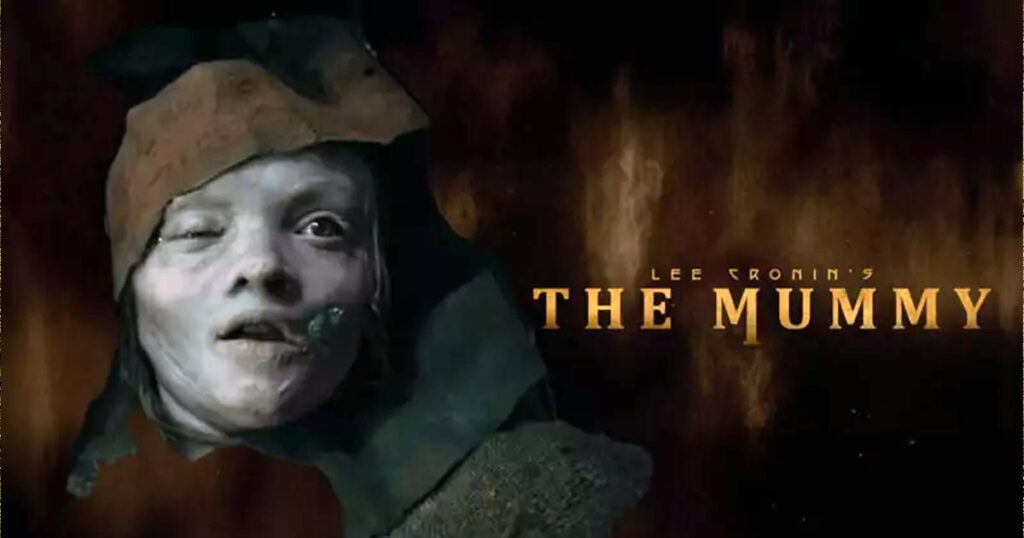
To truly understand why Lee Cronin’s The Mummy misfires so spectacularly, we have to look at the DNA of the franchise. Historically, the most beloved iterations of the “Mummy” mythos—most notably the legendary 1999 Brendan Fraser blockbuster and even the classic Universal monster films—successfully blend creeping horror with the exhilarating thrill of archaeological discovery. A true Mummy story requires a sense of vast, uncharted exploration. It demands intricate, deadly puzzles, hidden subterranean tombs, ancient traps waiting to spring, and breathtaking historical discoveries that bridge the gap between the ancient world and the present day. These elements are what separate a Mummy film from a standard zombie or vampire flick.
In Lee Cronin’s The Mummy, however, there is absolutely zero sense of adventure. The sweeping sand dunes, the mysterious ancient ruins, and the thrill of uncovering lost civilizations have been completely jettisoned. Instead, the film opts for a claustrophobic, incredibly confined setting that feels more akin to a standard haunted house or demonic possession narrative. There are no special puzzles to solve to unlock ancient secrets. There are no intricate booby traps to evade while exploring forgotten catacombs. The characters are not explorers, historians, or archaeologists unearthing forbidden knowledge; they are merely helpless victims trapped in a generic, gloomy nightmare. By stripping away the adventurous spirit, the film robs the concept of its inherent majesty and scale, leaving behind a setting that feels frustratingly small and deeply uninspired.
A Superficial Take on Egyptian Mythology
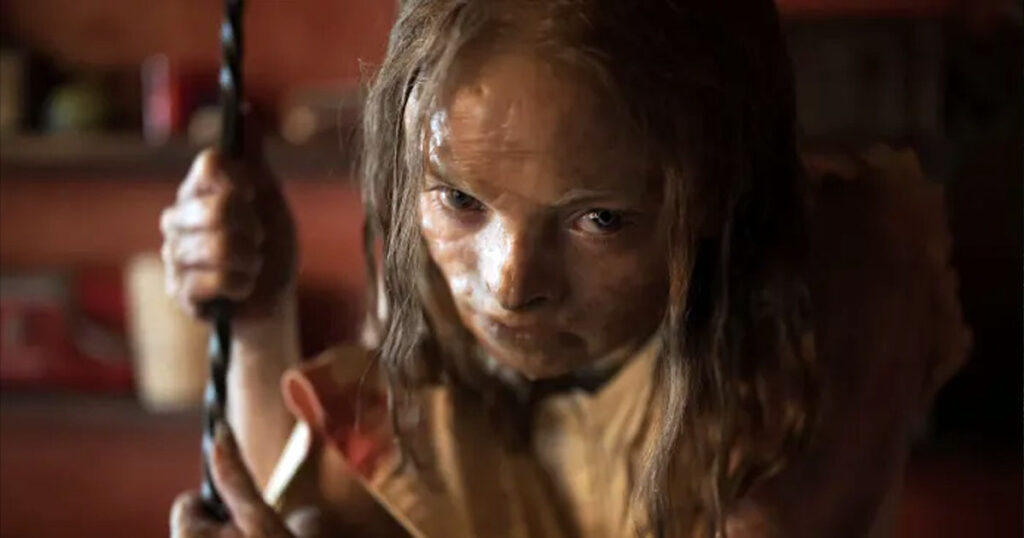
Furthermore, the film treats its rich Egyptian roots with an agonizing level of superficiality. Ancient Egypt is a treasure trove of complex mythology, fascinating rituals concerning the afterlife, and deeply ingrained cultural terrors. Yet, Cronin’s script utilizes this magnificent lore on a strictly surface level. Instead of weaving a culturally rich, mythological terror that respects or even creatively subverts the source material, the movie uses the “mummy” concept simply as a convenient, thinly veiled excuse for a generic undead monster.
The rich, historical tapestry of mummification and the Book of the Dead is boiled down to the most basic, overused tropes in the horror genre: a sudden, unexplained resurrection, a vague and poorly defined curse, and a villain’s relentless, slasher-like refusal to die. The ancient wrappings and hieroglyphics feel like cheap window dressing rather than integral, meaningful parts of the narrative. The creature’s existence could have easily been attributed to a generic Christian demon or an angry poltergeist, and the core story would hardly need to change. It is a complete waste of the majestic potential of its titular monster, turning a legendary cinematic icon into a run-of-the-mill, mindless boogeyman.
Avoiding the “Dark Universe” Trap (But Falling Into Another)
When Tom Cruise attempted to reboot the franchise with 2017’s The Mummy, it failed miserably because it tried too hard to launch an interconnected “Dark Universe” action franchise at the expense of a good standalone story. One would hope that Wan and Blumhouse took notes from that spectacular misfire. Lee Cronin’s The Mummy does gracefully avoid the cinematic universe trap, presenting a largely contained, standalone story, but it swings the pendulum entirely too far in the opposite direction. By stripping away all the grand scale and focusing inward on a smaller, grittier, possession-style narrative, the film loses the core identity of the property. It becomes indistinguishable from the endless sea of supernatural thrillers released every October.
The Saving Grace: Spectacular Body Horror
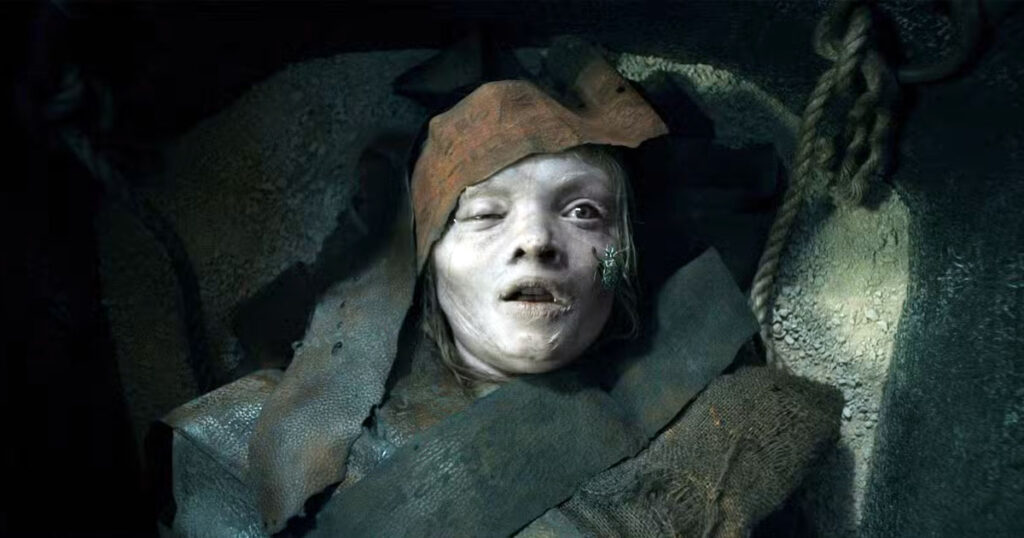
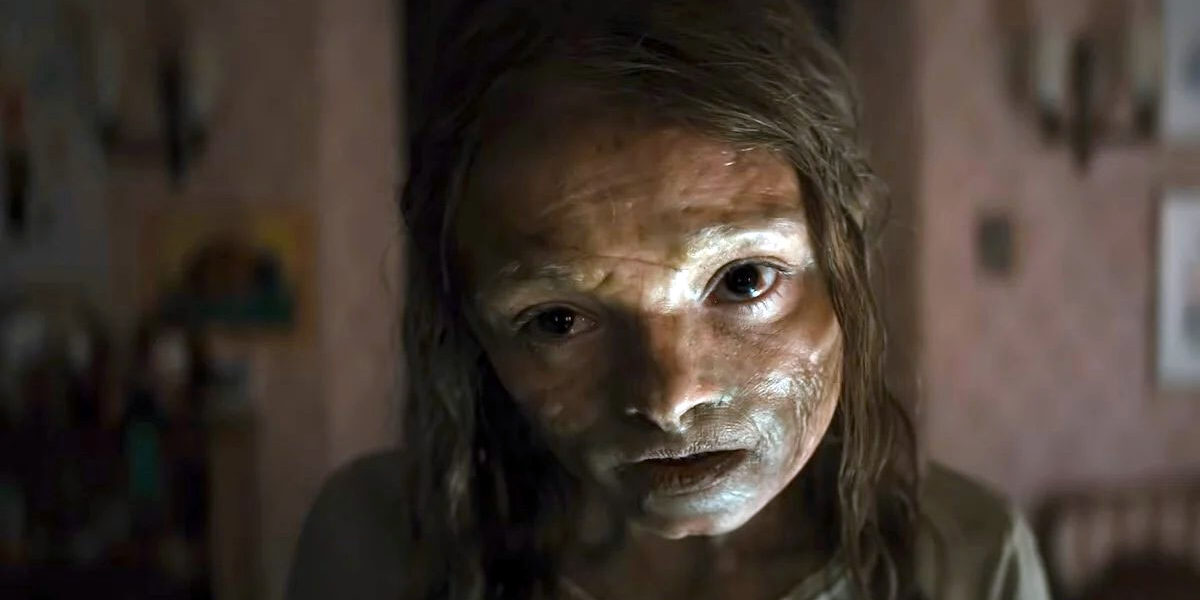
If there is one solitary saving grace to be found amidst the rubble of this misguided reboot, it is exactly what you would expect from a director like Lee Cronin: the breathtaking body horror. Unshackled from the PG-13 constraints of previous iterations, Cronin leans heavily into his trademark visceral gore. The film delivers incredibly gruesome, practically impressive, and stomach-churning body horror sequences that will undoubtedly make even the most seasoned horror veterans wince.
The physical transformations depicted on screen are genuinely unsettling. As the creature begins to rot, shed its ancient skin, and regenerate through violence, the makeup and practical effects teams showcase their immense, undeniable talent. The decaying flesh, the sickening crunches of breaking bone, and the sheer, unadulterated brutality of the kills are meticulously crafted. The sound design during these sequences is particularly effective, amplifying every squish, snap, and tear to nausea-inducing levels. For those who prioritize gore and visceral shock value above all else, Cronin’s signature blood-soaked aesthetic provides a few thrilling, albeit fleeting, moments of cinematic satisfaction.
A Weak Plot and Disposable Characters
But unfortunately, spectacular gore and impressive practical effects cannot save a film burdened by a remarkably weak and uninspired plot. The storyline of Lee Cronin’s The Mummy is incredibly thin, heavy-handed, and disjointed. It serves merely as a flimsy, transparent bridge designed to ferry the audience from one bloody set piece to the next. The pacing suffers tremendously because the narrative lacks any real driving force, mystery, or emotional weight. Once the initial shock of the monster’s violent reveal wears off, the film settles into a repetitive, exhausting cycle of cat-and-mouse chases that feel entirely disconnected from the historical lore it vaguely attempts to establish in the first act.
Compounding the plot’s glaring failures is the almost non-existent character development. Despite featuring an ensemble of capable, talented actors, the script gives them absolutely nothing of substance to work with. The protagonists are reduced to one-dimensional archetypes whose sole purpose is to look terrified, scream loudly, and make inexplicably poor survival decisions. We are given no genuine reason to invest in their personal stakes, no emotional anchor to tether us to their traumatic plight. When the blood starts flowing and the body count inevitably rises, it is impossible to actually care about anyone’s survival because they feel less like real human beings and more like cannon fodder waiting for their turn in the practical effects chair.
Final Verdict: A Wasted Pedigree
Ultimately, the most frustrating aspect of Lee Cronin’s The Mummy is the sheer waste of its incredible pedigree. When you combine the visionary mind of James Wan—who successfully built massive, terrifying lore with The Conjuring universe and reinvented modern horror with Saw and Insidious—and the powerhouse production machine of Jason Blum, you expect a horror film that is both commercially viable and creatively sharp. Add a rising, unapologetic director like Cronin to the mix, and the result should have been a masterclass in modern terror. Instead, the highly publicized collaboration has yielded a product that feels like it was compromised at every turn, checking off generic horror boxes rather than taking genuine creative risks to honor the source material.
In conclusion, Lee Cronin’s The Mummy is a hollow, deeply unsatisfying experience that completely fails to justify its existence as a reimagining of a beloved classic. It might momentarily satisfy viewers looking for a mindless, gory body horror flick on a late Friday night, but it is an absolute, undeniable failure as a “Mummy” movie. It completely forgets the fundamental truth of its own subgenre: a true mummy story needs a compelling, deeply rooted mythos, a palpable sense of discovery, and a thrilling, sweeping adventure. By offering nothing more than a high body count, buckets of blood, and a superficial dusting of Egyptian aesthetics, this film takes the legacy of its legendary monster and buries it alive.