For decades, horror fans have passionately debated the ultimate question: What are the scariest movies of all time? Is it the creeping, psychological dread of a slow-burn classic, or the adrenaline-pumping terror of a modern jump-scare fest?
Instead of relying on subjective opinions, a study decided to settle the debate using pure, unfiltered physiological data. Enter The Science of Scare Project.
How Does “The Science of Scare” Work?
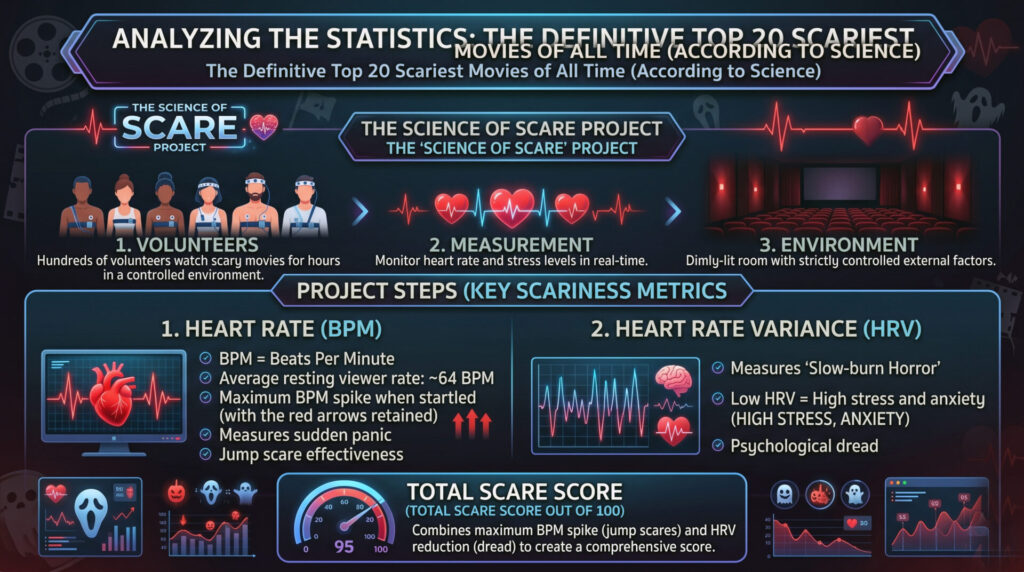
Conducted annually, the project hooks up hundreds of volunteers to medical-grade heart rate monitors and invites them to watch hours of the world’s most terrifying films in carefully controlled, dimly lit environments.
To determine the ultimate winner, researchers measure two key metrics:
- Heart Rate (BPM): The resting heart rate of the average viewer is around 64 Beats Per Minute (BPM). By tracking how high the average BPM spikes during a movie, researchers can measure sudden panic and the effectiveness of jump scares.
- Heart Rate Variance (HRV): Introduced to the study to measure “slow-burn” horror, HRV measures the time between heartbeats. A lower HRV indicates a state of high stress, anxiety, and psychological dread.
By combining the heart-pounding spikes of BPM with the grueling, anxiety-inducing drops in HRV, the project assigns each movie a comprehensive “Scare Score” out of 100.
Here are the top 20 scariest movies of all time, scientifically proven to get your blood pumping.
20. The Ring (2002)

Gore Verbinski’s remake proves that true dread transcends time. The looming countdown of “seven days” creates a relentless atmosphere of mistrust and impending doom. The terrifying visual of Samara crawling out of the television set ensures viewers’ heart rates stay elevated long after the screen goes black.
19. Insidious: Chapter 2 (2013)
This nightmarish continuation of the Lambert family’s story proves that director James Wan is a master of psychological manipulation. By seamlessly weaving into the events of the first film, it delivers complex, unpredictable scares that keep audiences in a constant state of fight-or-flight.
18. The Autopsy of Jane Doe (2016)
Set entirely within the claustrophobic confines of a subterranean morgue, this film traps viewers with a mysterious, unblemished corpse. As a supernatural storm rages outside, the pressure inside slowly builds, suffocating the audience and the characters alike in a masterclass of escalating tension.
17. A Quiet Place Part II (2020)
When silence is your only weapon and the slightest sound means certain death, the tension becomes agonizing. The film expertly forces the audience into a state of hyper-awareness. You’ll find yourself holding your breath and suppressing your own movements, resulting in a prolonged, stressful cinematic experience.
16. The Babadook (2014)
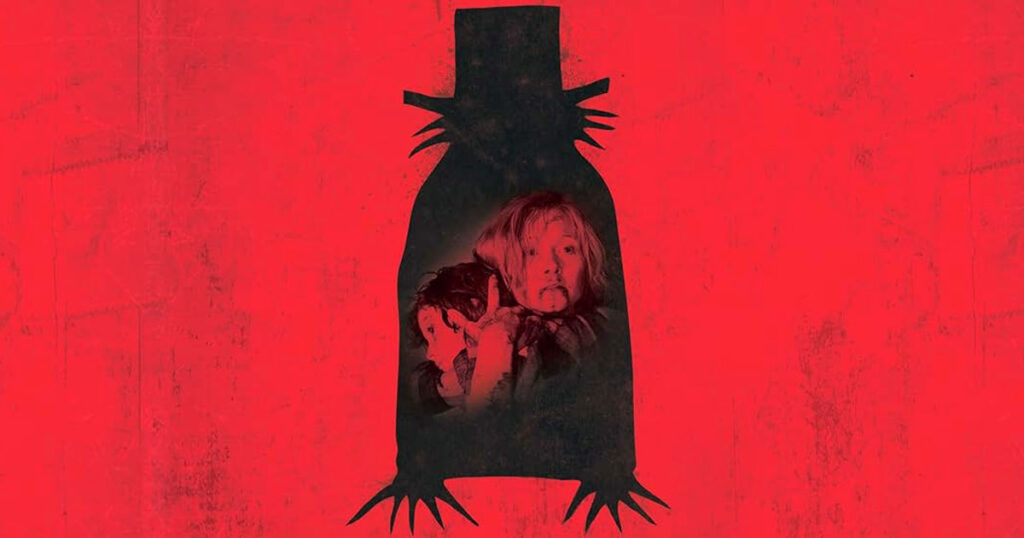
More than just a monster from a pop-up book, the Babadook is a terrifying manifestation of repressed grief and psychological trauma. This incredibly dark indie film messes with your heart rhythm not through cheap scares, but through an incredibly oppressive, unbearable atmosphere of maternal desperation.
15. Paranormal Activity (2007)
The pioneer of the modern found-footage boom, this micro-budget phenomenon turned silent, static security camera footage into pure nightmare fuel. It forces viewers to actively scan the darkness, creating severe anxiety as you wait for the slightest supernatural movement in the dead of night.
14. The Dark and the Wicked (2020)
Set on an isolated farm, this film actively avoids cheap jump scares. Instead, it weaponizes an overwhelming sense of despair and the unseen presence of pure evil. It’s a bleak, emotionally draining experience that slowly crushes the viewer’s heart rate variance, leaving them in a state of pure dread.
13. It Follows (2014)
The sheer panic of being relentlessly pursued by an entity that can look like a stranger—or someone you love. It walks slowly, but it never stops. This concept creates an inescapable, exhausting paranoia that triggers a deeply primal fear response, ensuring you never feel safe.
12. The Conjuring 2 (2016)
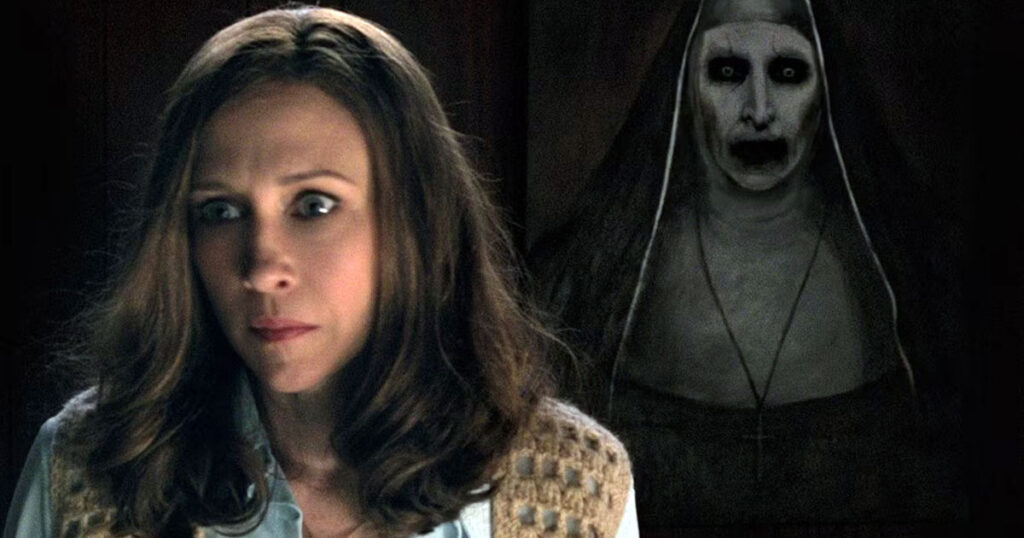
Taking on the infamous Enfield poltergeist case in England, this sequel elevates supernatural terror to new heights. The brief but utterly terrifying appearances of Valak, the demonic nun, completely steal the show, proving that lightning can indeed strike twice in horror franchises.
11. The Descent (2005)
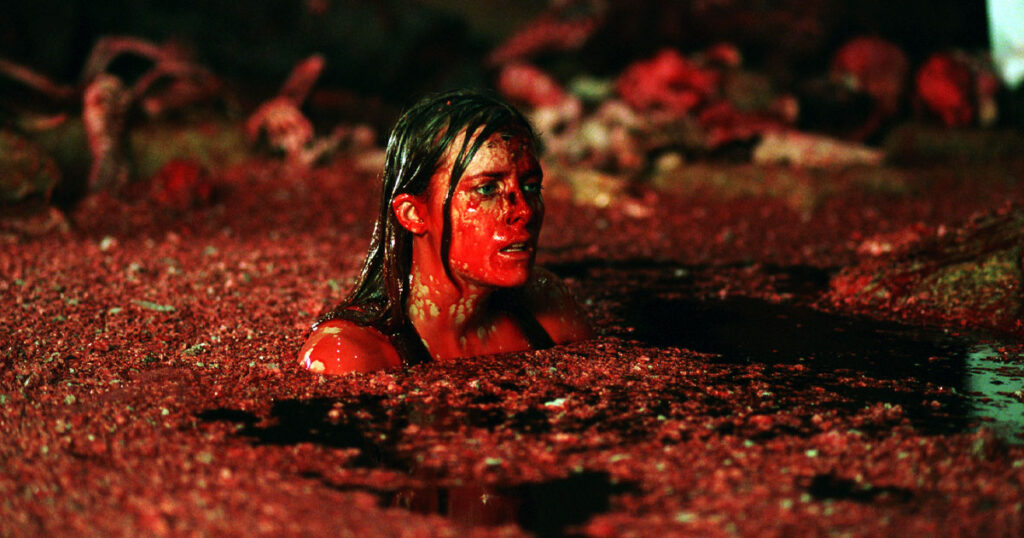
Spelunking seems adventurous until you are trapped miles underground in impossibly tight, pitch-black crevices. Even before the bloodthirsty, blind crawlers make their appearance, the sheer claustrophobia and lack of oxygen captured on film are enough to send your BPM skyrocketing.
10. Talk To Me (2023)
The newest entry on the list, this massive 2023 hit follows teenagers using an embalmed hand to contact spirits as a viral party game. It quickly spirals out of control. The film is visceral, violently shocking, and jerks the audience’s heart rate to extreme highs right from its brutal opening scene.
9. Hell House LLC (2015)
A found-footage gem documenting a haunted house attraction crew whose preparation goes horribly wrong. It utilizes its creepy setting perfectly. A specific, infamous scene involving a figure standing in the basement caused some of the highest localized heart rate spikes in the entire experiment.
8. The Exorcism of Emily Rose (2005)
Half tense courtroom drama, half terrifying possession horror. The film grounds its supernatural elements in a bleak, gritty reality. The flashbacks to Emily’s possession are so visceral and contorted that they severely drop viewers’ HRV, proving that dread built on “true events” hits the hardest.
7. Smile (2022)

A smile has never been so deeply unsettling. The concept of trauma acting as a supernatural contagion passed through a horrific, lingering grin keeps the audience in a perpetual state of paranoia. The unsettling imagery burns into your brain, guaranteeing elevated heart rates and sleepless nights.
6. Hereditary (2018)
Ari Aster’s masterpiece is a devastating blow to the psyche. It doesn’t just aim to scare you; it actively seeks to disturb you. The film creates a profound sense of unsafety and grief, utterly destroying the stability of the audience’s heart rhythm with its shocking, inescapable tragedies.
5. The Conjuring (2013)
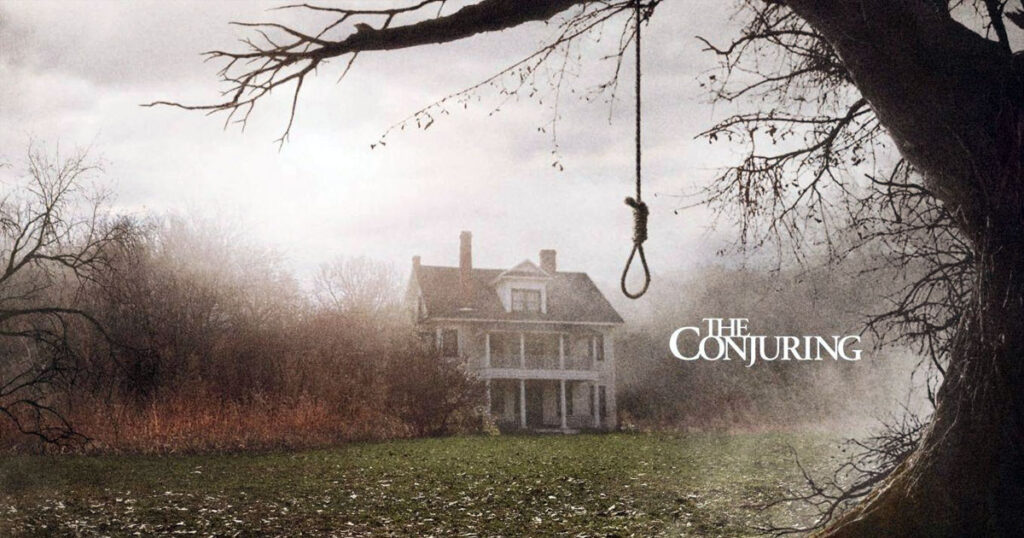
The film that launched the most successful horror cinematic universe in history. James Wan delivers a masterclass in classic haunted house atmosphere, paired with mathematically perfect jump-scare timing (like the infamous “hide and clap” scene). It is the ultimate endurance test for your cardiovascular system.
4. Insidious (2010)
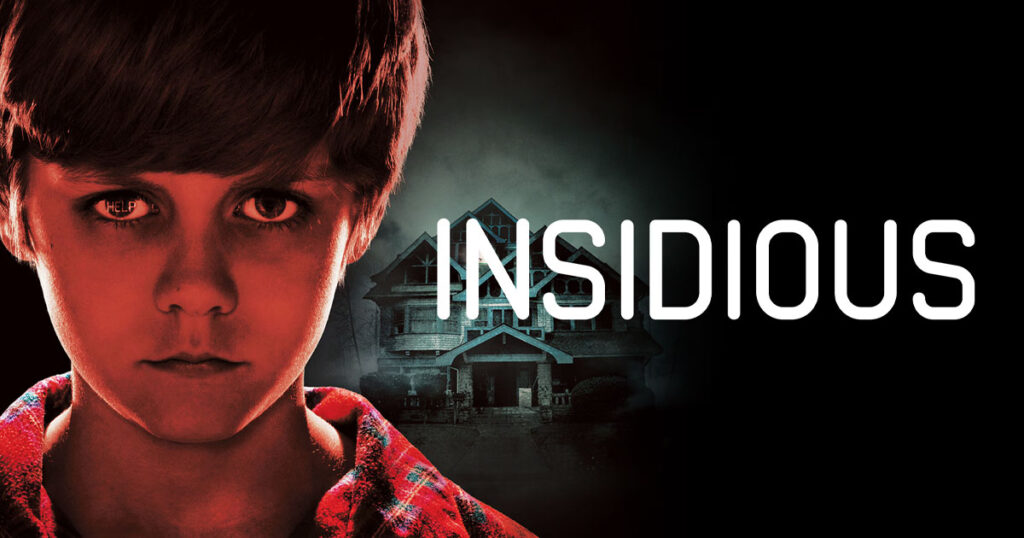
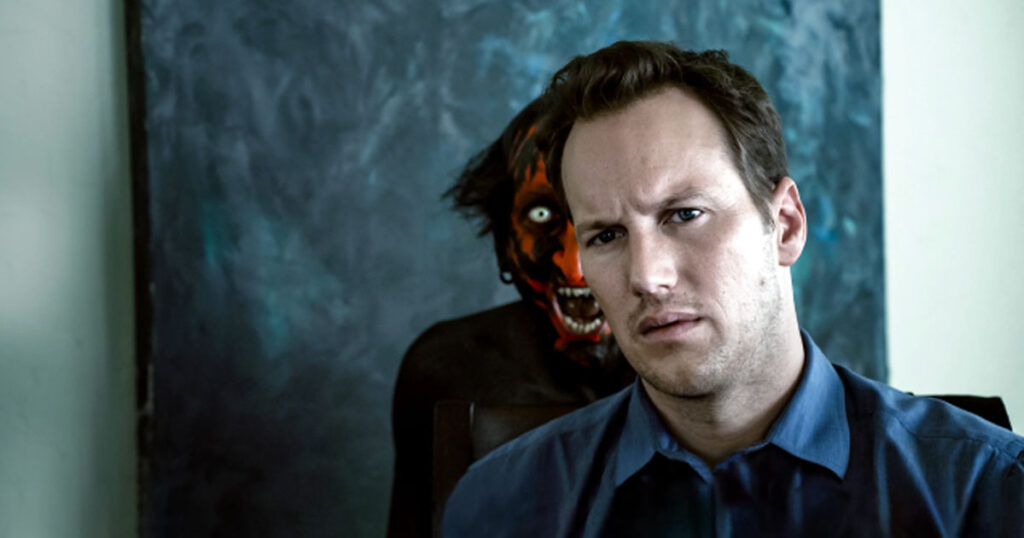
Another legendary entry from James Wan. The concept of astral projection into the dark realm of “The Further” is terrifying enough, but it’s the sudden, unholy appearance of the Lipstick-Face Demon behind Patrick Wilson that pushed viewer heart rates to an astonishing peak of 133 BPM.
3. Skinamarink (2022)

A highly divisive, experimental indie nightmare. With almost no traditional narrative or dialogue, the film relies entirely on liminal spaces, the dark corners of a house at night, and childhood fears of abandonment. It creates a suffocating, almost unbearable level of psychological pressure and dread.
2. Host (2020)
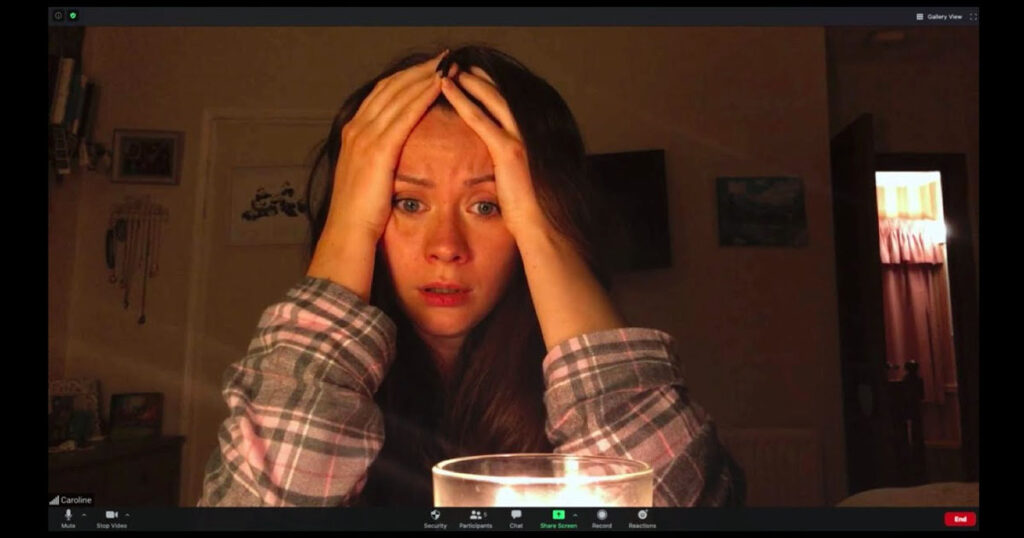
Filmed entirely on Zoom during the COVID-19 lockdowns, this film is only an hour long, but it is a relentless, breathless sprint of terror. It provides zero downtime, resulting in the highest average heart rate throughout the entire runtime. It feels so grounded in our modern reality that it’s genuinely chilling.
1. Sinister (2012)
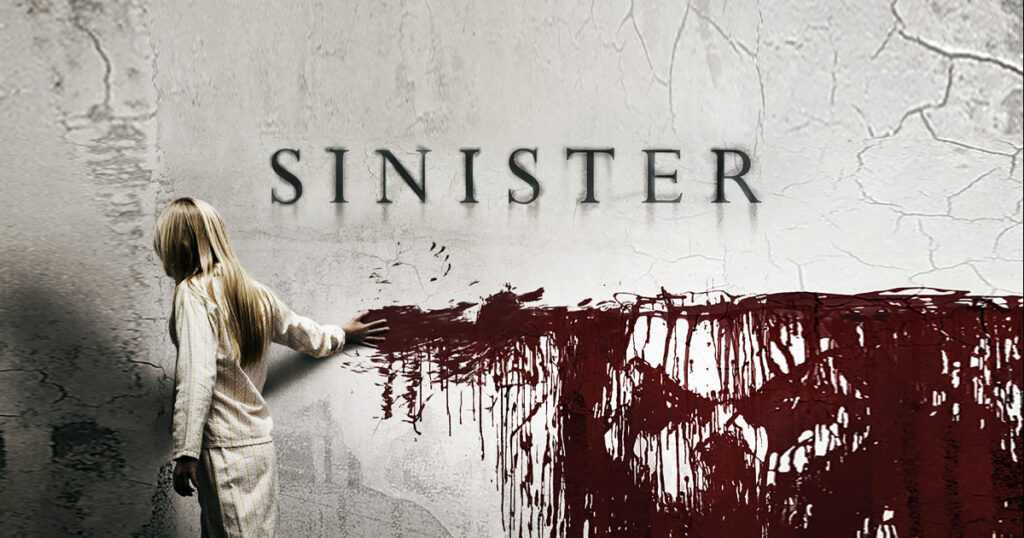
The undisputed, scientifically proven scariest movie of all time.
Following Ethan Hawke as a true-crime writer who discovers a box of horrifying Super 8 snuff films in his attic, Sinister is the perfect storm of terror. It holds the ultimate combination: the grueling, stomach-churning psychological dread of watching the grainy footage (causing massive HRV drops), punctuated by perfectly timed, brutal jump scares (causing massive BPM spikes). The data doesn’t lie: Sinister is the ultimate horror experience.
Conclusion: The Anatomy of True Terror
While critics and audiences often draw a hard line between “elevated,” slow-burn psychological thrillers (like those from A24) and mainstream, fun-house jump-scare blockbusters, this scientific data suggests that the scariest movies of all time actually bridge that gap. The prevailing consensus in modern film critique often leans toward atmospheric dread being superior, yet the physiological numbers prove that our human biology still violently reacts to well-timed shock value.
Ultimately, the films that dominate the top of this list—especially Sinister and Host—succeed because they actively weaponize both techniques. They first drain our psychological stamina with oppressive, inescapable environments and grim subject matters (drastically lowering our Heart Rate Variance), leaving us completely defenseless when the visceral, high-BPM jump scares finally hit. It turns out, true cinematic terror isn’t just about what lurks quietly in the shadows or what suddenly jumps out of them; it’s the exhausting, relentless combination of both working together to break down our nervous system.