When we look at the glitz and glamour of the entertainment industry, it is easy to assume that success is permanent; however, the most captivating narratives are often the epic Hollywood comebacks that defy all odds. From the outside looking in, the lives of A-list celebrities seem like a perpetual, effortless red carpet walk. However, behind the flashing cameras, designer gowns, and multimillion-dollar paychecks, the industry is notoriously unforgiving and incredibly fickle. One day you’re the golden child with the world at your feet, carrying a massive franchise on your shoulders; the next, you’re labeled box office poison, pushed to the fringes, or battling personal demons under the relentless scrutiny of the public eye.
The trajectory of fame is rarely a straight, upward line. It is a rollercoaster of peaks and valleys. Many actors have faced the professional abyss—whether due to devastating substance abuse, a string of disastrous career choices, shifting cultural tastes, glaring industry prejudice, or crushing personal tragedies that force them to step away. Yet, what separates a fleeting, momentary star from a true cinematic legend is resilience. In this comprehensive deep dive, we explore ten of the most staggering, hard-fought, and ultimately triumphant career revivals. These aren’t just simple returns to the screen; they are profound testaments to human endurance, the elasticity of talent, and the undeniable, crowd-pleasing power of a glorious second act.
10. Ryan Reynolds: Escaping the “Box Office Poison” Curse
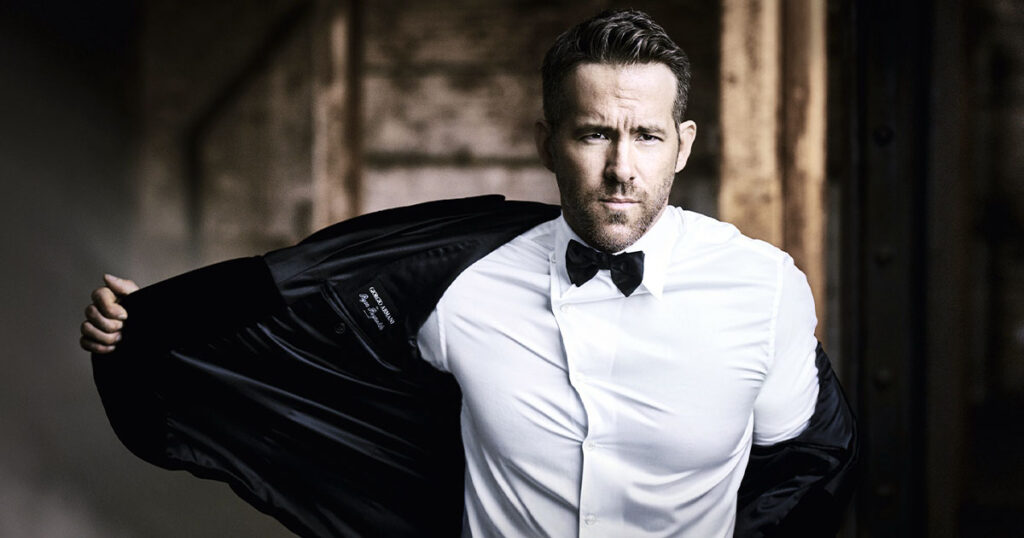
It’s genuinely hard to imagine today, but long before he was the wisecracking, fourth-wall-breaking, billionaire-status antihero of the Deadpool franchise, Ryan Reynolds was dangerously close to being permanently written off by major studios. For years, his undeniable charisma and sharp comedic timing couldn’t seem to translate into blockbuster ticket sales. He was trapped in a relentless, frustrating cycle of high-profile flops, earning the dreaded industry moniker of “box office poison.”
His initial foray into the superhero genre seemed downright cursed. First came Blade: Trinity (2004), a production famously plagued by behind-the-scenes drama and conflicting egos, where Reynolds’s comedic chops felt somewhat out of place in the grim vampire world. Then came the cinematic atrocity that was X-Men Origins: Wolverine (2009). In a move that still baffles comic book fans today, the studio made the inexplicable decision to literally sew shut the mouth of “The Merc with a Mouth,” stripping the character of everything that made him beloved.
But the definitive nadir of his blockbuster aspirations arrived in 2011 with DC’s Green Lantern. The film was a colossal critical and commercial disaster, bogged down by a convoluted script, a lack of cohesive direction, and infamously terrible, overly-reliant CGI. For the vast majority of actors, leading a failure of that staggering magnitude would have been the absolute death knell for any future leading-man status in action films.
The turning point for Reynolds wasn’t luck; it was sheer, unadulterated, stubborn perseverance. Reynolds possessed a deep, abiding love for the authentic character of Wade Wilson and absolutely refused to let the X-Men Origins debacle be his final superhero legacy. He campaigned tirelessly for years, championing a faithful, gritty, R-rated adaptation that studio executives were terrified to touch. It took highly suspicious leaked test footage (which many playfully suspect Reynolds himself orchestrated) and a subsequent, massive fan outcry to finally force 20th Century Fox’s hand.
When Deadpool finally hit theaters in 2016, it wasn’t just a hit; it was a bona fide cultural phenomenon. It shattered box office records for R-rated films, proved that superhero movies could be subversively hilarious and self-aware, and instantly catapulted Reynolds into the stratosphere of the world’s highest-paid actors. His comeback is a brilliant masterclass in trusting your creative instincts and betting entirely on yourself when the entire industry has counted you out.
9. Winona Ryder: The 90s Icon Reclaims Her Throne

If you grew up in the 1990s, Winona Ryder wasn’t just an actress; she was a pervasive mood, an entire aesthetic, and the ultimate Gen X muse. From her breakout, wonderfully quirky roles in Tim Burton’s Beetlejuice and Edward Scissorhands to critically acclaimed, nuanced performances in Little Women and Girl, Interrupted, she was the undisputed, wide-eyed queen of alternative Hollywood.
However, the immense, crushing pressure of child stardom and intense, unforgiving media scrutiny eventually took a devastating toll on her mental health. Her world spectacularly unraveled in late 2001 following a highly publicized shoplifting incident at a Saks Fifth Avenue in Beverly Hills. The subsequent trial became a grotesque media circus, acting as a grim precursor to the vicious, 24/7 tabloid culture of the mid-2000s. The fallout was incredibly swift and brutal. The incident shattered her carefully cultivated, innocent image, and she quickly became a ubiquitous punchline on late-night television monologues. For nearly a decade, the once-inescapable star practically vanished from mainstream cinema, stepping back to heal and relegated to small independent films and brief, blink-and-you-miss-it cameos.
Ryder’s triumphant return to the absolute pinnacle of pop culture wasn’t through a traditional studio movie, but via the burgeoning, industry-disrupting streaming revolution. When the Duffer Brothers cast her as Joyce Byers—the frantic, chain-smoking, fiercely determined mother in Netflix’s sci-fi horror juggernaut Stranger Things (2016)—it was a stroke of absolute casting genius. The role required a raw, unhinged vulnerability and a relentless maternal energy that Ryder delivered masterfully.
Her performance didn’t just capitalize on 80s nostalgia; it proved unequivocally that her formidable acting chops had only deepened and matured during her self-imposed hiatus. Stranger Things became a global phenomenon, introducing her to an entirely new, rabid generation of fans while reminding older millennials and Gen Xers exactly why they fell in love with her in the first place. Winona Ryder didn’t just come back; she organically reinvented herself for an entirely new era of television consumption.
8. Matthew McConaughey: The Architect of the “McConaissance”
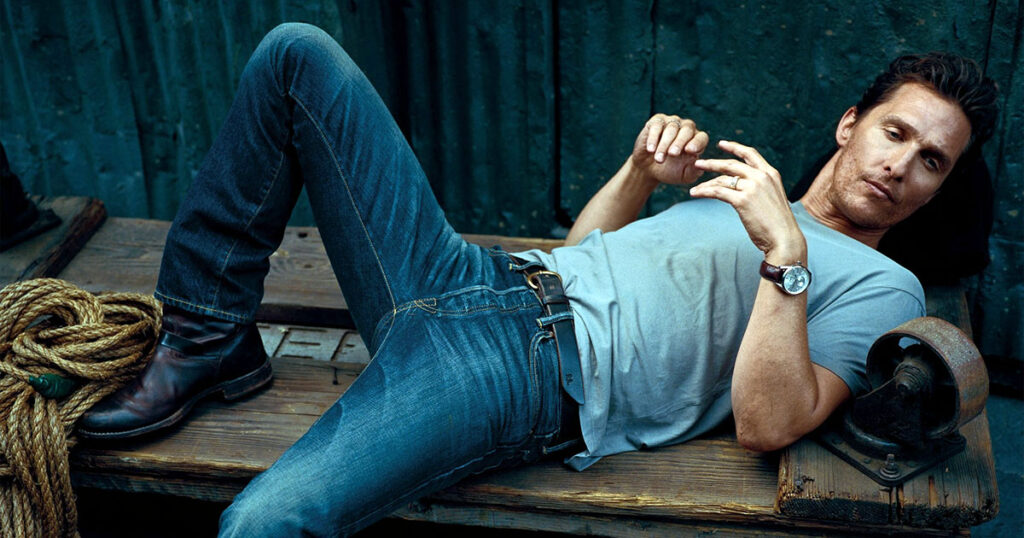
Throughout the entire decade of the 2000s, Matthew McConaughey was arguably the most pigeonholed, typecast actor working in Hollywood. Mention his name, and the immediate mental image was of a perpetually shirtless, bronzed leading man leaning casually against a movie poster, usually co-starring Kate Hudson, Sarah Jessica Parker, or Jennifer Lopez. Films like How to Lose a Guy in 10 Days, Failure to Launch, and Fool’s Gold were undeniable financial successes, but they firmly cemented his reputation as a lightweight performer—a charming, handsome guy with a killer Texas drawl, but zero real dramatic gravitas. Critics routinely dismissed him, and prestigious directors simply ignored him when casting meaty roles.
Realizing his career had become a highly lucrative but creatively barren cliché, McConaughey made a radical, incredibly risky decision: he simply stopped saying yes. He fired his agent, turned down incredibly lucrative multi-million dollar offers to do more of the same rom-coms, and retreated to his home with his family. He waited patiently for a year and a half, enduring an agonizing drought of offers, absolutely determined to rebrand himself as a serious, dramatic force.
The massive gamble paid off spectacularly, ushering in a brilliant era coined by delighted critics as the “McConaissance.” He returned to the screen with a vengeance, actively seeking out gritty, complex, and deeply unglamorous roles in acclaimed independent films like The Lincoln Lawyer, Killer Joe, and Mud.
He seamlessly transitioned this newfound critical respect into massive, undeniable mainstream success. He delivered a captivating, scene-stealing, chest-thumping performance in Martin Scorsese’s The Wolf of Wall Street, anchored Christopher Nolan’s mind-bending sci-fi epic Interstellar, and mesmerized television audiences in the moody, brilliant first season of HBO’s True Detective. The absolute culmination of this meticulously calculated reinvention was his transformative, dangerously gaunt portrayal of real-life AIDS patient Ron Woodroof in Dallas Buyers Club (2013). The astonishing performance won him the Academy Award for Best Actor, definitively silencing every single critic who had ever dared to dismiss him as just a pretty face with a nice tan.
7. John Travolta: The Pulp Fiction Resurrection
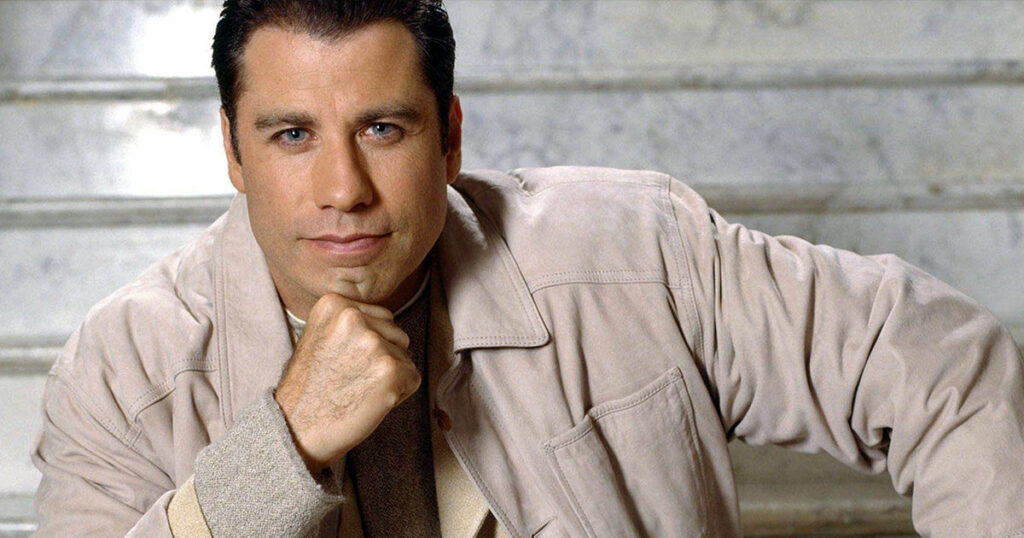
John Travolta’s career arc is easily one of the most fascinating, extreme rollercoasters in modern cinema history. In the late 1970s, he was, without exaggeration, arguably the biggest star on the entire planet. Saturday Night Fever (1977) made him an instant disco icon, and Grease (1978) firmly solidified his status as a generational heartthrob and musical powerhouse. He was electric, undeniably charismatic, and seemingly unstoppable at the box office.
However, the ensuing decade of the 1980s was deeply unkind to Travolta’s leading-man status. A series of remarkably poor project choices and high-profile, embarrassing flops—including the disastrous, critically eviscerated Saturday Night Fever sequel, Staying Alive (bizarrely directed by Sylvester Stallone), and the universally panned Two of a Kind—quickly and ruthlessly derailed his momentum. By the tail end of the decade, the man who had physically defined the 70s was widely considered a washed-up relic of a bygone era. He was relegated to starring alongside a voice-over talking baby in the Look Who’s Talking franchise, which, while commercially successful, hardly commanded an ounce of critical respect in Hollywood circles.
His stunning resurrection in 1994 is the absolute stuff of Hollywood legend. A young, hyper-energetic, relatively unknown director named Quentin Tarantino, who had grown up passionately idolizing Travolta’s early, raw work, fought tooth and nail against studio executives (who desperately wanted Daniel Day-Lewis for the part) to cast him in his sophomore film, Pulp Fiction.
As the heroin-addicted, slick-haired, philosophizing hitman Vincent Vega, Travolta was a total revelation. He completely traded his polished, musical charm for a gritty, dangerously world-weary edge. The iconic, effortlessly cool twist contest scene with Uma Thurman reminded the entire world of his undeniable physical grace and screen presence. Pulp Fiction became a seismic cultural earthquake, winning the prestigious Palme d’Or at Cannes and completely redefining independent cinema for the 90s. Travolta earned his second Oscar nomination, instantly catapulting him back onto the A-list and kicking off a highly lucrative, action-packed second phase of his career with massive hits like Get Shorty, Broken Arrow, and the spectacular Face/Off.
6. Nicolas Cage: From Oscar Winner to Meme, and Back to Master

Nicolas Cage is a walking cinematic enigma. An Academy Award winner for his utterly devastating, raw performance in Leaving Las Vegas (1995), he subsequently, and somewhat surprisingly, transformed into a massive, highly-paid action superstar in the late 90s with explosive blockbusters like The Rock, Con Air, and the aforementioned Face/Off. He possessed a completely unique, deeply manic energy—a style he often famously referred to as “Nouveau Shamanic” acting—that made him simply impossible to look away from whenever he was on screen.
However, Cage’s personal life soon became as chaotic and unmoored as some of his most extreme on-screen personas. Notorious for his deeply eccentric and exorbitant spending habits (which famously included purchasing European castles, highly coveted rare dinosaur skulls, haunted mansions, and shrunken pygmy heads), he eventually found himself facing massive, crippling IRS debts and the looming, terrifying threat of total bankruptcy.
To dig himself out of this immense financial crater, Cage adopted a relentless work ethic that was both incredibly impressive and highly detrimental to his prestige brand. He began accepting virtually every single script offered to him, leading to a prolific, exhausting output of direct-to-VOD thrillers and truly bizarre B-movies. His intense, over-the-top acting style, completely removed from the context of strong, visionary direction, unfortunately turned him into internet fodder. He became the undisputed “King of Memes,” celebrated ironically by younger generations rather than respected for his actual, undeniable talent.
Yet, amidst the vast sea of mediocre, forgettable films, true cinephiles always knew one crucial thing: Nicolas Cage never, ever phoned it in. Even in the absolute worst movies, he committed a staggering 110% to the character. Once his immense financial burdens finally eased, he began choosing projects with far more care and artistic discernment. The major turning point was his remarkably restrained, deeply heartbreaking, and quietly powerful performance in the indie drama Pig (2021). It instantly reminded critics worldwide of his immense, largely forgotten emotional depth. He then leaned heavily into his own bizarre mythos with the brilliant, hilarious meta-comedy The Unbearable Weight of Massive Talent (2022), playing a highly fictionalized, neurotic version of himself. Cage’s incredible comeback proves that true, raw talent, no matter how obscured by financial necessity or internet irony, can never be fully extinguished.
5. Drew Barrymore: Breaking the Child Star Curse

The trajectory of a child star in the Hollywood machine is often a deeply tragic one, and Drew Barrymore’s early, chaotic life is perhaps the most harrowing, highly publicized example of the genre. Born into the legendary, theatrical Barrymore acting dynasty, she stole hearts worldwide at the tender age of seven as the adorable, pig-tailed Gertie in Steven Spielberg’s massive sci-fi classic E.T. the Extra-Terrestrial (1982).
But the immense, crushing pressure of instant global fame, combined with an incredibly unstable, toxic family environment, pushed her into a shocking, terrifying downward spiral before she had even reached puberty. By her own candid admission, she was drinking alcohol at nine, smoking marijuana at ten, and snorting cocaine by the age of twelve. Her early teenage years were a hazy, dangerous blur of wild partying at infamous clubs like Studio 54 and multiple, highly publicized stints in rehabilitation centers. By her mid-teens, her career had completely stalled, and many in the industry viewed her as far too much of an insurance liability and a loose cannon to ever hire for a major film.
Her comeback is arguably the most profoundly inspiring on this entire list because it required her to completely rebuild her life, her reputation, and her very soul from the absolute ground up. Successfully legally emancipated from her parents at 15, she slowly and humbly began taking small, deeply unglamorous roles to prove to directors and studios that she was finally sober, reliable, and ready to work.
The real, tectonic shift happened when she made the brilliant decision to take complete control of her own narrative. In 1995, she boldly co-founded her own production company, Flower Films. This boss move empowered her to produce and star in massive, beloved hits like the sweet Never Been Kissed and the action-packed Charlie’s Angels franchise. She masterfully transformed from a Hollywood cautionary tale into a formidable, highly respected businesswoman and a universally beloved romantic comedy lead. Today, as the radiant, empathetic host of the highly successful The Drew Barrymore Show, she has completely shed the darkness of her troubled past, becoming a glowing beacon of positivity, survival, and incredible resilience.
4. Ke Huy Quan: The American Dream Deferred and Realized
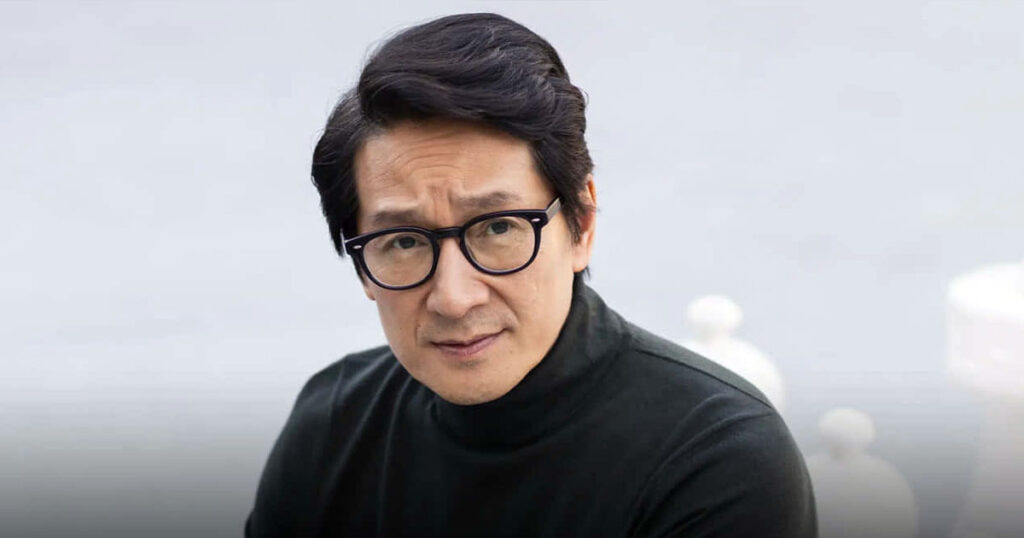
Ke Huy Quan’s deeply moving story is a profound, necessary commentary on the systemic issues and inherent biases within the entertainment industry. As a young child, he achieved a level of fame most veteran actors only ever dream of, starring in two of the most fiercely beloved pop-culture films of the 1980s: as the plucky sidekick Short Round in Indiana Jones and the Temple of Doom (1984) and the gadget-inventing Data in The Goonies (1985).
However, as he naturally transitioned into adulthood in the 1990s, the roles didn’t just slow down; they completely, devastatingly dried up. It wasn’t a lack of talent, charm, or desire on his part; it was a glaring, industry-wide lack of opportunities for Asian actors in Hollywood at the time. Refusing to be relegated to stereotypical, offensive, one-dimensional caricatures, Quan made the utterly heartbreaking decision to step away from acting entirely. He attended film school and spent over two decades working quietly behind the scenes as a highly respected stunt coordinator and assistant director, completely convinced that his fleeting time in the spotlight was permanently, irreversibly over.
The phenomenal, culture-shifting success of Crazy Rich Asians in 2018 sparked a tiny glimmer of hope in his heart, proving that mainstream audiences were finally hungry for diverse, authentic stories. At age 50, Quan decided to bravely give his lifelong dream one last, terrifying shot. The role he ultimately landed—Waymond Wang in the brilliant, mind-bending, genre-defying masterpiece Everything Everywhere All at Once (2022)—was unequivocally the role of a lifetime. It required him to seamlessly shift between being a meek, sweet husband, an absolute martial arts master, and a suave, romantic leading man, sometimes all within the exact same chaotic scene.
His breathtaking performance was universally praised by critics and audiences alike for its incredible warmth, physical agility, and deep emotional resonance. It culminated in an incredibly well-deserved Oscar win for Best Supporting Actor. His tearful, utterly joyful acceptance speech—where he passionately kissed his statue and shouted, “Mom, I just won an Oscar!”—became an instant, iconic classic, serving as a powerful, weeping reminder to the world that dreams, even those painfully deferred for decades, can still beautifully come true.
3. Keanu Reeves: From Tragedy to the Internet’s Boyfriend
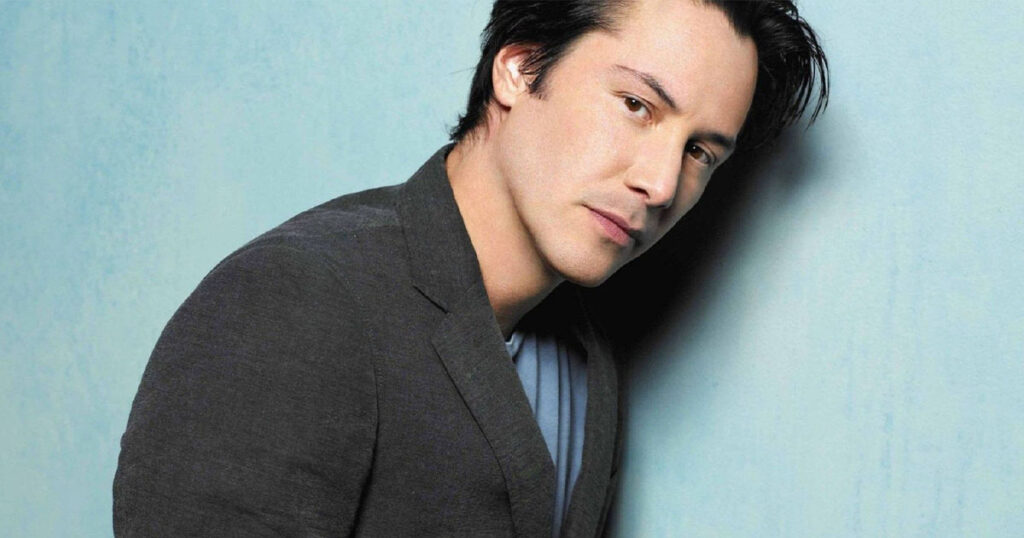
Keanu Reeves has always possessed an enigmatic, quiet charm that makes him entirely unique in the Hollywood landscape. He exploded into global superstardom with the era-defining, visually groundbreaking sci-fi masterpiece The Matrix (1999). However, while his professional life was soaring to unimaginable heights, his personal life was suddenly struck by a series of unimaginable, heartbreaking griefs. In 1999, his partner, Jennifer Syme, gave birth to their stillborn daughter. Just 18 short months later, Syme was tragically killed in a horrific car accident.
The immense, suffocating weight of these back-to-back tragedies understandably and profoundly affected Reeves. He retreated deeply from the public eye, and his career momentum stalled significantly throughout the late 2000s and early 2010s. He appeared in a string of critical and commercial disappointments, fading somewhat from the A-list conversation. A paparazzi photo of him looking downcast while eating alone on a park bench birthed the viral, highly sympathetic “Sad Keanu” meme. To many casual observers, it seemed the actor who had sharply defined 90s action cinema was quietly, gently fading away into obscurity.
The resurgence, when it came, arrived from an entirely unexpected place: a modest, mid-budget revenge thriller directed by his former Matrix stunt double, Chad Stahelski. John Wick (2014) was initially viewed by studios as just another generic, throwaway B-movie actioner. However, its incredibly innovative, fluid “gun-fu” choreography, combined with Reeves’ intense, bruising dedication to his physical training and his unique ability to convey deep, soulful sorrow beneath a stoic, violent exterior, resonated massively with global audiences.
John Wick didn’t just succeed; it spawned a multi-billion dollar, critically acclaimed franchise and instantly ignited the glorious era known as the “Keanussance.” But this particular comeback wasn’t just about staggering box office numbers; it was about a fundamental shift in how the public deeply perceived him. Countless viral stories of his genuine, unprompted kindness, immense humility, and quiet generosity began circulating endlessly online, contrasting sharply and refreshingly with the typical, bloated Hollywood ego. He morphed from an aging action star into “The Internet’s Boyfriend”—a universally beloved, almost mythic figure whose massive success feels deeply, personally earned and intensely celebrated by everyone.
2. Brendan Fraser: The Heartbreaking Exile and the “Brenaissance”
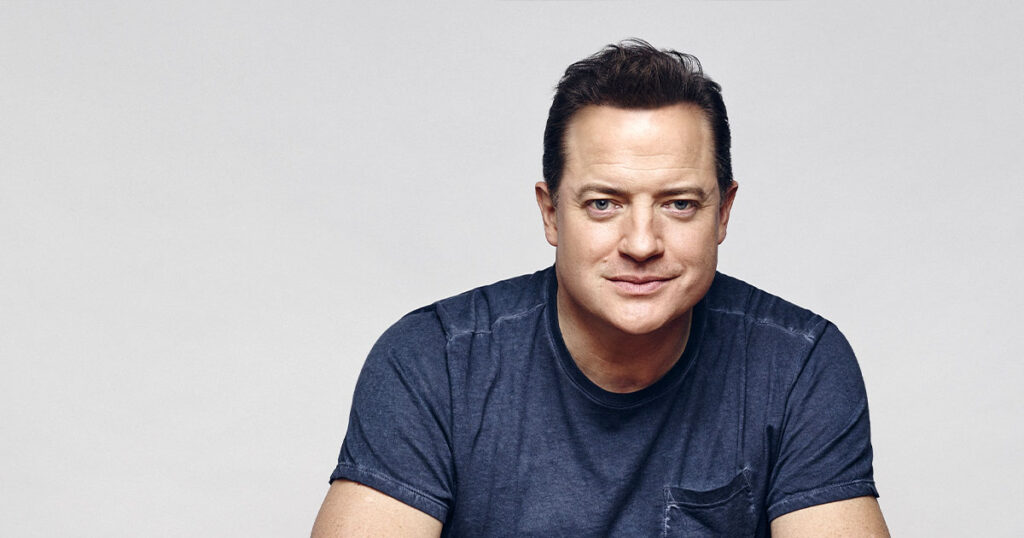
For a golden time in the late 90s and early 2000s, Brendan Fraser was the absolute quintessential Hollywood leading man. He possessed a remarkably rare combination of rugged, broad-shouldered action-hero physicality and disarming, incredibly goofy comedic timing, making him the absolute perfect, bankable star for massive blockbusters like The Mummy franchise, George of the Jungle, and Journey to the Center of the Earth.
And then, to the confusion of audiences everywhere, he seemingly vanished into thin air. The silence surrounding his sudden disappearance from marquee posters was deafening. It wasn’t until many years later that the devastating, multi-layered truth finally emerged. Fraser had endured a severe, crippling physical toll from bravely performing his own demanding stunts for years, requiring multiple, highly invasive major surgeries that kept him in and out of hospitals and physical therapy. He also went through a deeply painful and costly public divorce.
Most shockingly and tragically, in 2018, he bravely came forward during the #MeToo movement to reveal that he had been sexually assaulted in 2003 by Philip Berk, a former president of the Hollywood Foreign Press Association. Following the trauma of the incident, his declining health, and a shifting industry landscape that seemed to have moved on without him, Fraser retreated. He wasn’t overtly blacklisted; rather, he quietly faded into the background, taking minor television roles while battling immense physical and emotional pain, effectively exiled from the cinematic empire he once helped build.
When visionary director Darren Aronofsky cast him in the deeply challenging film The Whale (2022), it was far more than a simple casting choice; it was a profound reclamation of justice for a beloved actor. Playing Charlie, a severely obese, deeply reclusive English teacher desperately trying to reconnect with his estranged teenage daughter before his death, Fraser delivered a performance of astonishing, agonizing empathy, immense vulnerability, and raw, tear-jerking power.
The public reaction was unprecedented in modern cinema. The entire internet rallied fiercely behind him, affectionately dubbing his emotional return the “Brenaissance.” The standing ovations at prestigious film festivals like Venice and TIFF were incredibly long and openly tearful. When he took the stage to win the Academy Award for Best Actor, the very industry that had once let him slip away finally stood up to thunderously applaud his survival. His comeback is a profoundly moving story of surviving deep trauma, holding onto your empathy, and finding spectacular grace on the other side of darkness.
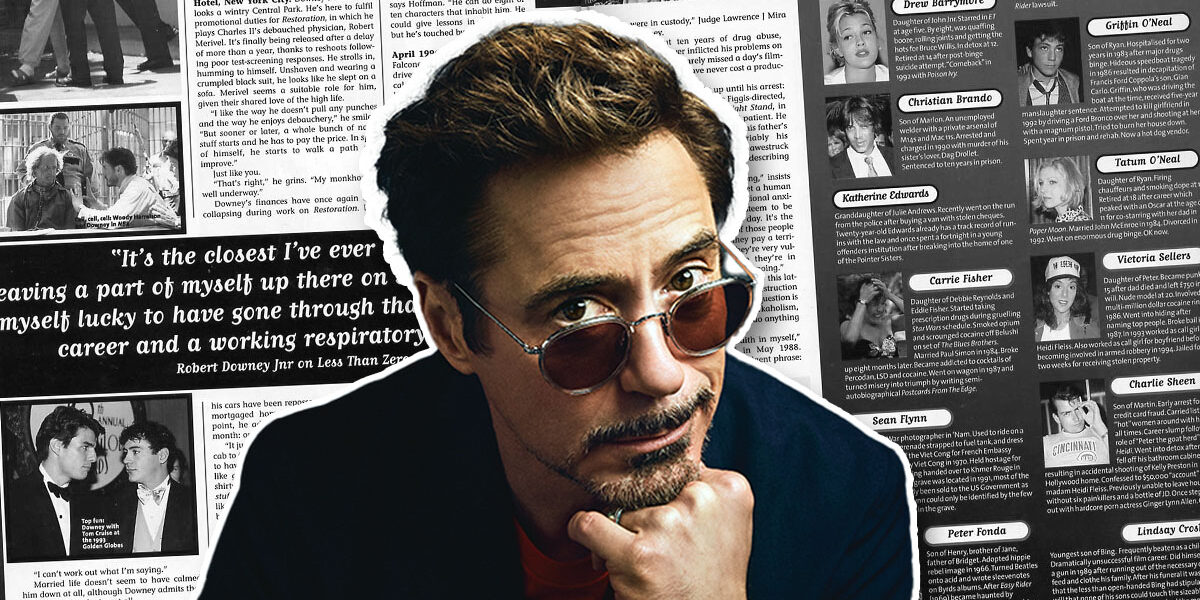
1. Robert Downey Jr.: The Ultimate Phoenix Story
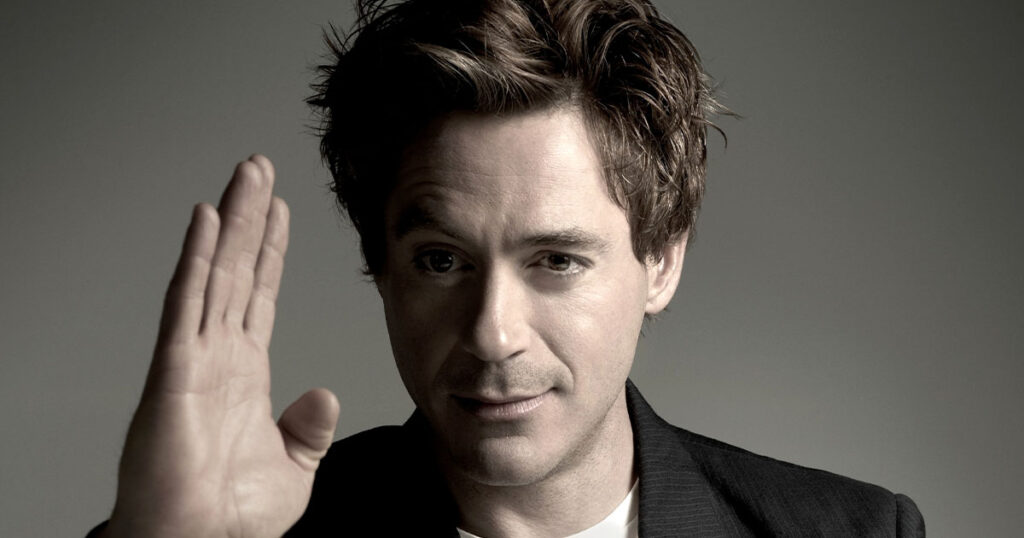
When discussing Hollywood comebacks, there is simply Robert Downey Jr., and then there is everyone else. His astonishing story is not just an industry legend; it is the absolute, undisputed gold standard for human and professional redemption.
In the late 1980s and early 90s, Downey Jr. was widely, almost universally considered one of the most naturally gifted, dynamic actors of his entire generation, earning a highly deserved Oscar nomination for his brilliant, transformative titular role in Chaplin (1992). However, his immense, generational talent was soon entirely eclipsed by a severe, highly publicized, and terrifyingly destructive battle with heavy drug and alcohol addiction. His life rapidly devolved into a terrifying, tabloid-fodder spectacle of drug busts, multiple arrests, failed rehab stints, actual prison sentences, and deeply erratic behavior—such as the infamous, heartbreaking incident where he wandered into a neighbor’s house in a stupor and fell asleep in a child’s empty bed.
By the early 2000s, he was entirely unemployable. Even when he finally managed to get clean and sober, major studios outright refused to hire him because insurance companies deemed him an utterly uninsurable financial risk. He was viewed as toxic—a brilliant, dazzling flame that had seemingly burned itself out permanently and tragically.
His slow, agonizing path back began with smaller, character roles in films like Kiss Kiss Bang Bang and Zodiac, often underwritten by fiercely loyal friends like Mel Gibson who literally paid his insurance bonds out of pocket. But the monumental, earth-shattering shift that quite literally changed cinematic history occurred when director Jon Favreau fought aggressively, putting his own reputation on the line, to cast him as Tony Stark in Iron Man (2008). Marvel Studios executives were highly hesitant, but Favreau insisted that Downey Jr.’s very real, very painful life experiences of massive hubris, a catastrophic public fall, and a desperate fight for redemption perfectly mirrored the complex character arc of the billionaire playboy superhero.
The casting was a stroke of absolute, undeniable genius. Downey Jr. didn’t just play Tony Stark; he completely embodied him, seamlessly infusing the comic book character with his own hard-won charisma, razor-sharp wit, and deep, lingering pathos. Iron Man was a massive smash that successfully launched the Marvel Cinematic Universe—which would quickly become the most financially successful film franchise in the history of cinema. Robert Downey Jr. went from being literally uninsurable to becoming the undisputed highest-paid actor in the world and the beating heart of a multi-billion dollar empire. Recently culminating his incredible journey with a long-awaited Academy Award win for his stellar, nuanced supporting role in Christopher Nolan’s Oppenheimer, his staggering trajectory from the absolute depths of addiction and prison to the untouchable pinnacle of Hollywood royalty remains the ultimate, entirely unparalleled comeback story of our time.
The Uneven Grace of Second Chances
The entertainment industry is notoriously ruthless, driven by bottom lines and fickle public tastes, and the fall from grace is often incredibly swift and brutal. Yet, these ten remarkable stories illuminate a powerful, enduring truth: a career obituary in Hollywood is rarely the final chapter of a person’s life. Whether battling inner personal demons, systemic industry prejudice, physical ailments, or just shifting cultural tides, these actors proved that immense resilience, raw talent, and an undeniable, burning will to survive can rewrite even the most tragic, seemingly finalized narratives.
Ultimately, Hollywood—much like life itself—distributes its grace unevenly. Not everyone gets a second act. For every triumphant return, there are countless brilliant stars who stumbled in the dark and found the doors permanently locked, never receiving another audition or another moment to shine. Conversely, we have all watched certain privileged figures be handed third, fourth, and fifth chances on a silver platter, only to repeatedly squander that goodwill on the exact same destructive choices, learning nothing from their reprieves. That stark contrast is exactly what makes these ten specific journeys so profoundly moving. These actors didn’t just passively receive an opportunity; they fought for it, bled for it, and most importantly, they honored it. When the universe finally cracked the door open one last time, they didn’t just walk through—they rebuilt their entire world. Their stories leave us with a beautiful, lingering thought: while we cannot always control the storms that knock us down, or how many lifelines we are thrown, we possess the absolute power to decide who we become when we finally choose to stand back up.