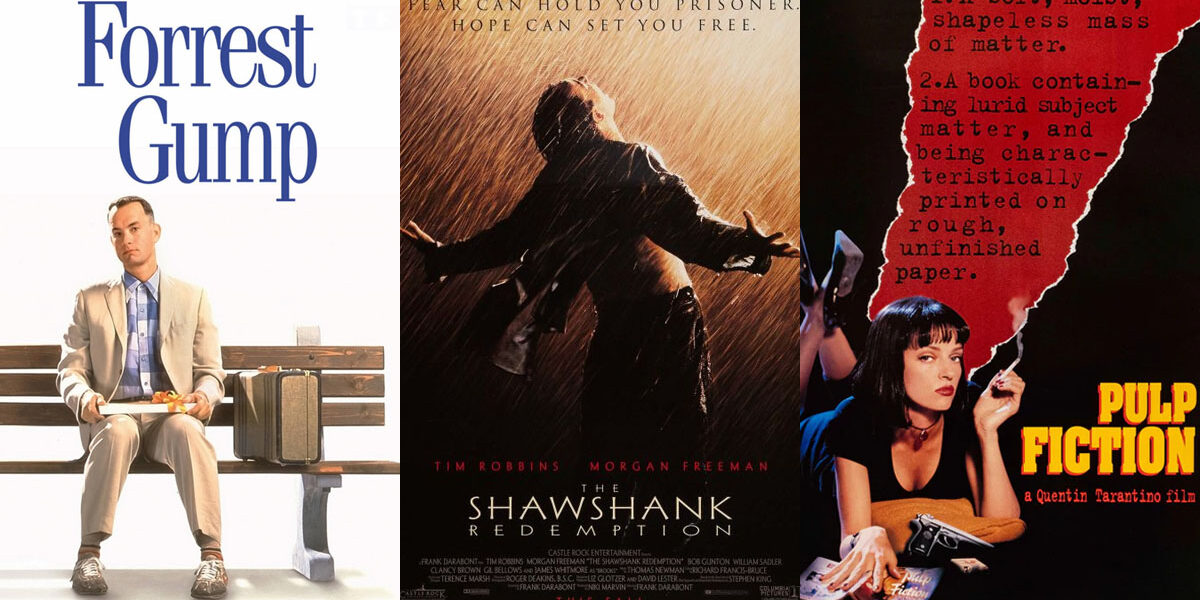
When cinephiles, historians, and critics gather to debate the absolute peak of cinematic history, the conversation inevitably funnels down to a single, explosive point in time. While 1939 gave us the foundation of the Golden Age with Gone with the Wind and The Wizard of Oz, and 1999 redefined the modern blockbuster with The Matrix, 1994 movies stand entirely alone as a cultural anomaly. It was a twelve-month period where lightning didn’t just strike the bottle; it completely shattered the glass.
This was a miraculous window in time where critical masterpieces, boundary-pushing independent films, era-defining popcorn flicks, and mid-budget adult dramas coexisted and thrived, creating a cinematic landscape we may never witness again. The sheer volume of culturally significant films released between January and December of 1994 is staggering. It was the twilight of practical effects seamlessly bleeding into the dawn of CGI. It was the golden era of the home video market, where a movie’s lifespan extended far beyond its theatrical run. Most importantly, it was a time when Hollywood still fiercely believed in original screenplays over established cinematic universes.
If you look back at the theatrical release calendar of that year, it reads less like a historical record and more like a definitive “Greatest of All Time” playlist. Let’s dive deep into an exhaustive, comprehensive look at why the films of 1994 didn’t just entertain a generation, but fundamentally rewired the DNA of Hollywood.
The Holy Trinity of 1994 Cinema
At the core of this monumental year are three films that were released within months of each other. Today, any one of them would define an entire decade. In 1994, they simply defined the autumn season. These three pictures battled for the Academy Awards, dominated the box office, and permanently ingrained themselves into the global cultural lexicon.
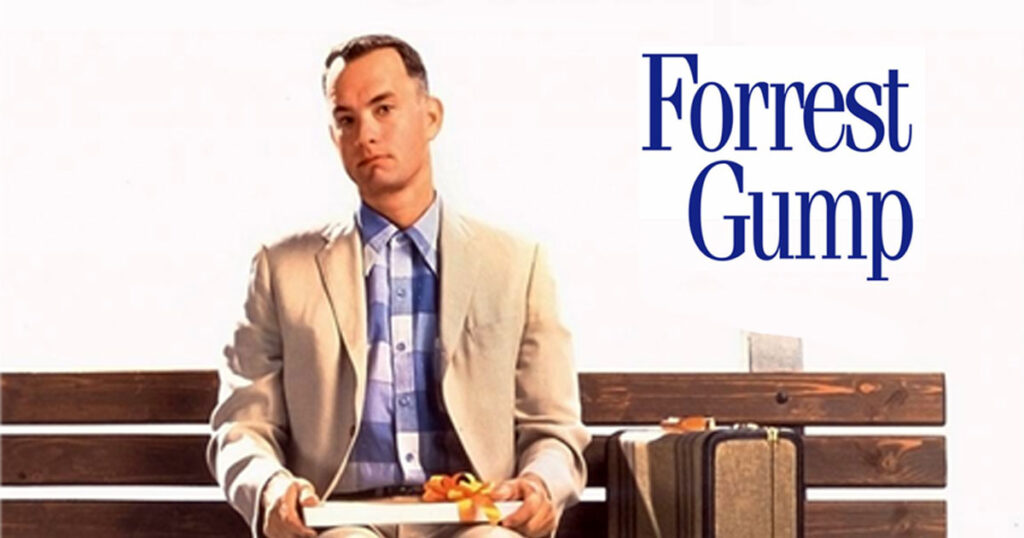
First came Forrest Gump, directed by Robert Zemeckis. On paper, a film about a slow-witted man inadvertently participating in every major historical event of the mid-20th century sounded like a risky proposition. In execution, it was a sweeping, emotionally resonant epic. Zemeckis utilized groundbreaking digital effects—not to create aliens or explosive space battles, but to seamlessly insert Tom Hanks into historical archive footage alongside JFK and John Lennon. It was a technological marvel disguised as a heartfelt fable. Forrest Gump became a cultural touchstone, a box office juggernaut earning nearly $680 million worldwide, and an Oscar darling that swept the major categories.
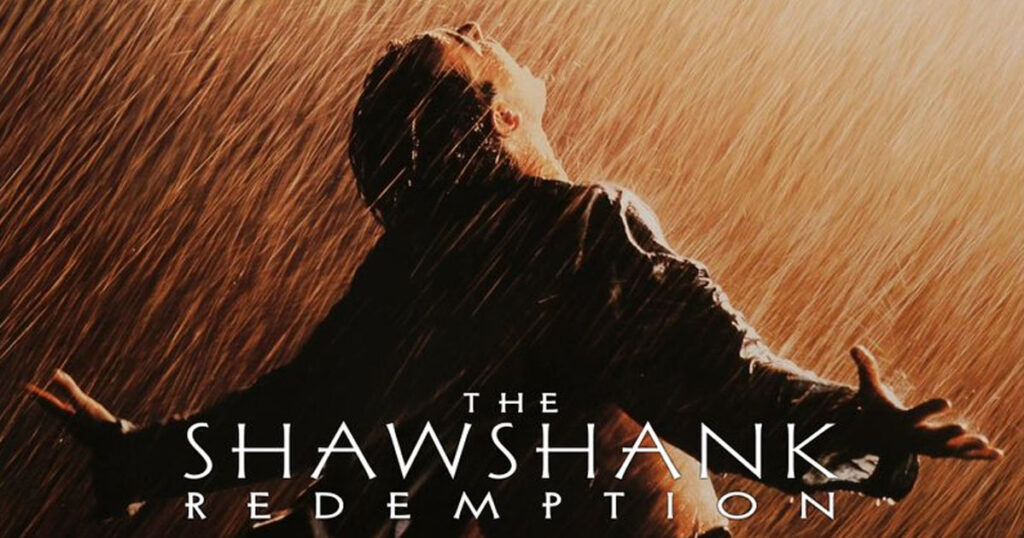
Simultaneously, a relatively unknown director named Frank Darabont delivered The Shawshank Redemption. Adapted from a Stephen King novella, this prison drama didn’t ignite the box office initially, overshadowed by louder blockbusters. However, Shawshank utilized the booming VHS home video market and relentless word-of-mouth to cement its legacy. It is a masterclass in slow-burn storytelling, character development, and narrative payoff. The profound friendship between Andy Dufresne (Tim Robbins) and Red (Morgan Freeman) explored themes of hope and institutionalization with such profound grace that the film routinely tops the IMDb Top 250 list as the highest-rated film in human history.
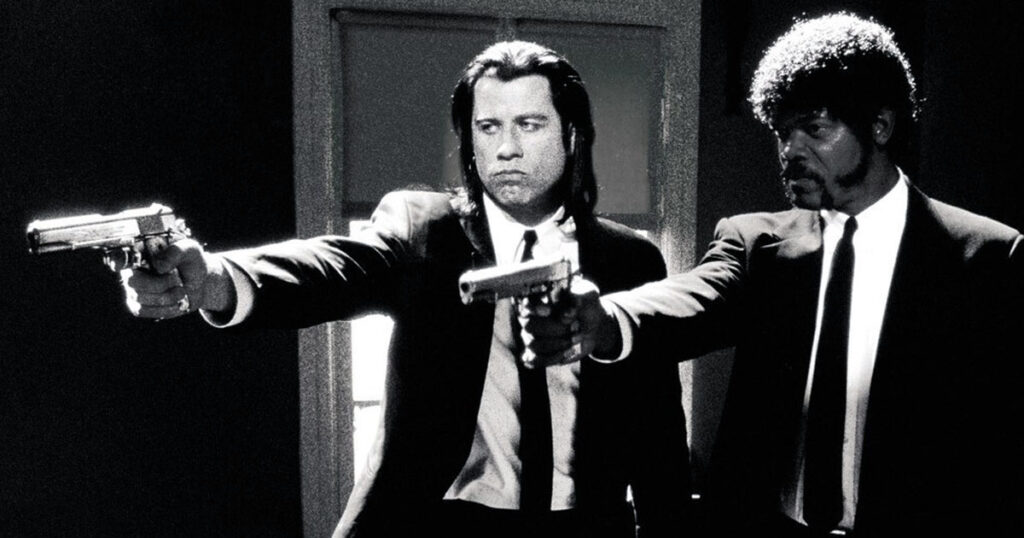
And then, a video-store-clerk-turned-director named Quentin Tarantino kicked down the door with Pulp Fiction. Winning the prestigious Palme d’Or at the Cannes Film Festival, this nonlinear, hyper-verbal, brutally cool crime symphony permanently altered the trajectory of filmmaking. It proved that independent cinema could be fiercely original, financially lucrative, and culturally dominant all at once. Tarantino’s masterpiece didn’t just break the established rules of screenwriting; it gleefully rewrote them while dancing to Chuck Berry. By resurrecting John Travolta’s career and making Samuel L. Jackson a household name, Pulp Fiction became the defining film of the 1990s indie revolution.
The Unprecedented Rise of Jim Carrey
If 1994 belonged to any single human being, it was Jim Carrey. In the modern era of cinema, it takes an actor years, sometimes a decade of strategic franchise choices, to build a reliable box office brand. In 1994, Jim Carrey achieved global superstardom in under twelve months.
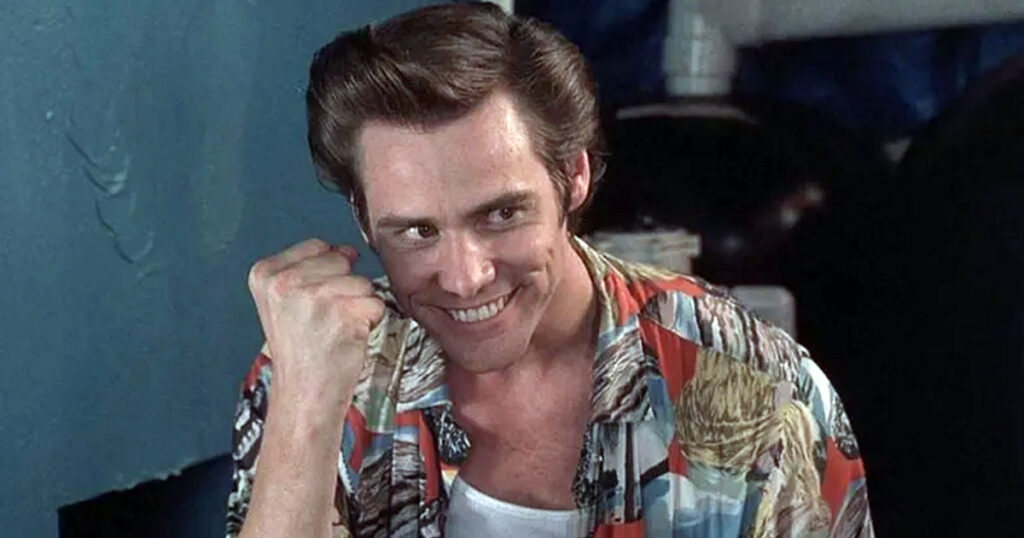
He kicked off the year with the bizarre, low-budget, and wildly successful Ace Ventura: Pet Detective. Critics didn’t know what to make of his rubber-faced antics, but audiences devoured it. By summer, he transformed into a living, breathing cartoon in the visually spectacular The Mask. This film was a crucial stepping stone in Hollywood history, blending Carrey’s incredible practical physical comedy with cutting-edge CGI from ILM (Industrial Light & Magic). The Mask proved that digital effects could be used for comedic enhancement, not just action spectacle.
Finally, just before the year ended, he teamed up with Jeff Daniels for the Farrelly brothers’ magnum opus of stupidity, Dumb and Dumber. The film was a masterclass in lowbrow humor executed with highbrow precision, dominating the holiday box office. Three massive, genre-defining comedy blockbusters released in a single calendar year by the exact same leading man is a feat of box office dominance that had never happened before, and realistically, will never happen again. Carrey’s 1994 run remains the gold standard for comedic ascensions.
Blockbusters with Brains and Brawn
Beyond the prestige dramas and the comedy boom, 1994 movies revolutionized pure popcorn entertainment. This was a year where big budgets were matched by equally big ambitions, and action stars were required to bring more than just muscles to the screen.
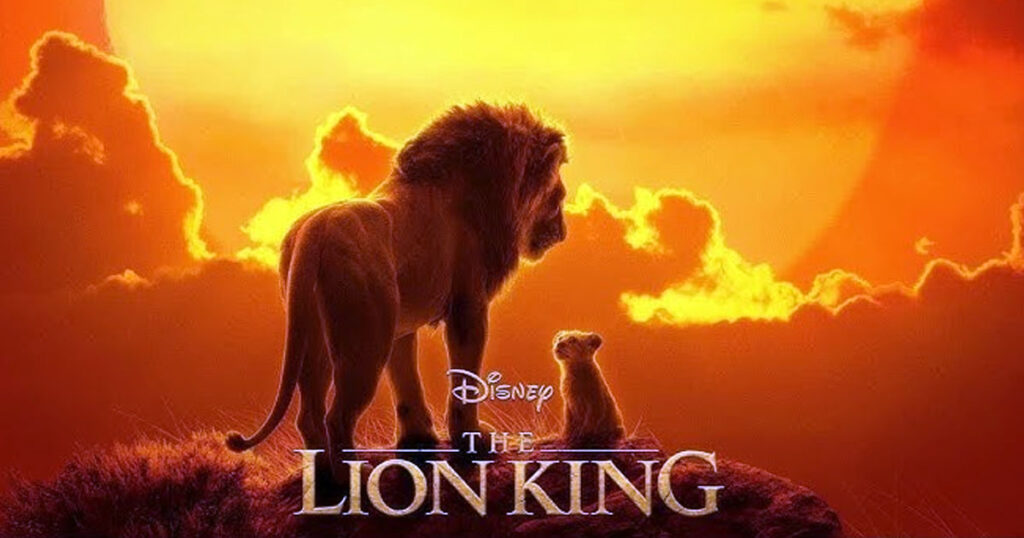
Disney reached the absolute zenith of its 1990s 2D animation renaissance with The Lion King. With a Shakespearean narrative loosely echoing Hamlet, breathtaking hand-drawn African landscapes, and an unforgettable, Oscar-winning score by Hans Zimmer and Elton John, it transcended the label of a “children’s movie.” It became a staggering global phenomenon, traumatic for an entire generation (Mufasa’s death remains a cinematic scar), and the highest-grossing animated film for decades to come.
On the live-action front, Hollywood delivered adrenaline in its purest form. Speed took an absurd elevator-pitch premise—a bomb on a city bus that will explode if the vehicle drops below 50 mph—and executed it with such relentless, kinetic perfection that it made Keanu Reeves an action icon overnight. Directed by Jan de Bont, the film relied on practical stunts and undeniable chemistry between Reeves and Sandra Bullock, setting a new benchmark for the modern thriller.
Meanwhile, James Cameron reunited with Arnold Schwarzenegger for True Lies. Cameron, coming off the monumental success of T2: Judgment Day, pushed the budget envelope once again. True Lies was a spectacular cocktail, blending massive, practical action set pieces (including a real Harrier jet hovering outside a Miami skyscraper) with a genuinely hilarious domestic comedy involving Jamie Lee Curtis. It proved that action films could be both fiercely explosive and brilliantly self-aware.

Let’s not forget the expansive world-building of Roland Emmerich’s Stargate. Starring Kurt Russell and James Spader, this film combined ancient Egyptian mythology with deep-space sci-fi concepts. While it was a solid box office hit, its true legacy was launching a sprawling television franchise that would dominate the sci-fi landscape for well over a decade.
Even the political thriller genre saw a massive win with Clear and Present Danger. Harrison Ford returned as Tom Clancy’s iconic hero, Jack Ryan, navigating a complex web of cartel violence and Washington D.C. corruption. It was smart, grounded, and exactly the kind of mid-budget adult thriller that Hollywood struggles to produce today.
The Cult Classics and the Darker Edges of Cinema

While the titans were clashing at the multiplex, 1994 was simultaneously nurturing a darker, more stylistic wave of films that would live forever in the hearts of die-hard cinephiles.
French auteur Luc Besson delivered Léon: The Professional, a gritty, hyper-stylish, and deeply emotional action thriller. It introduced the world to a young, pre-teen Natalie Portman in a staggeringly mature debut performance, and gave us one of Gary Oldman’s most unhinged, legendary antagonist roles as the corrupt DEA agent Norman Stansfield.
In the realm of gothic fantasy, Neil Jordan’s lush adaptation of Anne Rice’s Interview with the Vampire dominated the cultural conversation. Bringing together two of the biggest stars on the planet, Tom Cruise and Brad Pitt, the film was a sensual, bloody, and opulent exploration of immortality that revitalized the vampire genre long before the modern supernatural romance boom.
Tragedy and cult cinema collided with The Crow. Directed by Alex Proyas, this dark, visually striking revenge fantasy is forever linked to the tragic on-set death of its star, Brandon Lee. Despite the heartbreak surrounding its production, the film’s grunge aesthetic, killer alternative rock soundtrack, and poetic melancholy captured the zeitgeist of 1990s alternative culture perfectly.
Then there was the chaotic, media-satirizing violence of Oliver Stone’s Natural Born Killers. With a story originally conceived by Quentin Tarantino, Stone warped it into a hallucinogenic, frantic, multi-format visual assault on the senses. It was highly controversial, fiercely debated, and completely unforgettable, holding a mirror up to America’s growing obsession with true crime and sensationalized news media.
In the horror genre, Wes Craven successfully deconstructed the very monster he created with Wes Craven’s New Nightmare. By having the actors (like Heather Langenkamp) play themselves being haunted by Freddy Krueger in the “real world,” Craven pioneered the meta-horror concept that he would perfect two years later with Scream.
The Indie Revolution and Gen X Angst
If Pulp Fiction was the king of 1994 independent cinema, it certainly wasn’t the only royalty. 1994 was the year the Sundance Film Festival became a true kingmaker, and indie studios like Miramax began to rival the major Hollywood players.
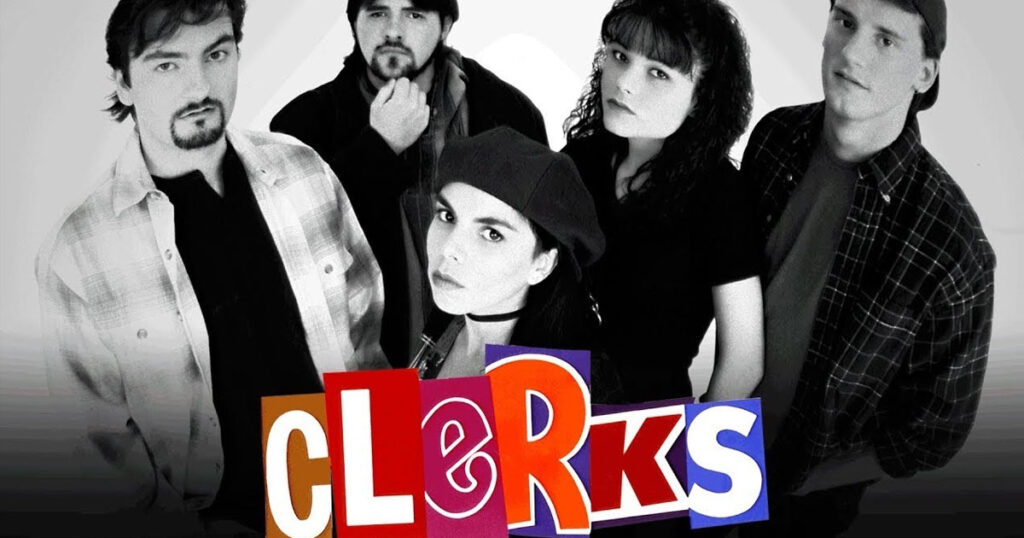
On the far end of the budgetary spectrum, a 23-year-old Kevin Smith maxed out his credit cards to shoot Clerks in grainy black-and-white at the convenience store where he worked. The film’s razor-sharp, profane, pop-culture-obsessed, and highly relatable dialogue proved that you didn’t need millions of dollars or famous actors to make a cinematic masterpiece; you just needed a unique voice and something to say about the mundane reality of working-class life.
Speaking of generational voices, Ben Stiller made his directorial debut with Reality Bites. Starring Winona Ryder and Ethan Hawke, the film perfectly encapsulated the aimlessness, grunge fashion, and anti-corporate cynicism of Generation X. It wasn’t just a movie; it was a cultural manifesto for twenty-somethings trying to navigate life after college in the mid-90s.
Down in New Zealand, a young Peter Jackson pivoted from low-budget splatter-horror to direct Heavenly Creatures. This deeply unsettling, visually inventive psychological drama was based on a true murder case and introduced the world to a young Kate Winslet. It proved Jackson was a visionary director capable of handling intense human drama, paving the way for his eventual journey to Middle-earth.
And in the realm of documentaries, Steve James released Hoop Dreams. Following two inner-city Chicago teenagers striving for NBA stardom over several years, it was a profound, nearly three-hour epic about race, class, and the American Dream. When the Academy Awards failed to nominate it for Best Documentary Feature, the ensuing outrage fundamentally forced the Oscars to change their documentary voting process forever.
Romance, Prestige Drama, and the Mid-Budget Masterpieces
What truly separates 1994 from the modern era of filmmaking is the sheer volume of successful, high-quality “mid-budget” movies. These were films aimed purely at adult audiences, relying on strong scripts and star power rather than CGI explosions.
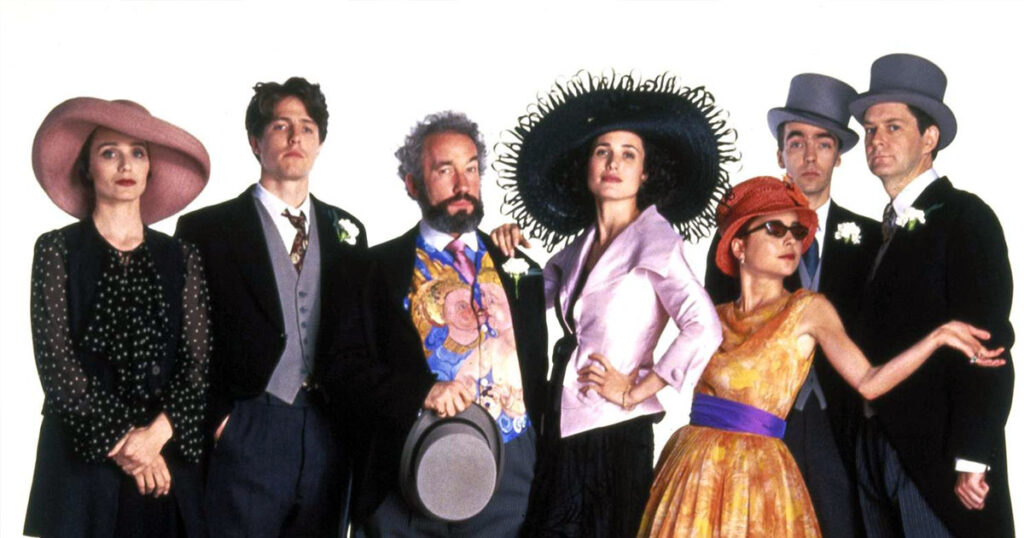
The romantic comedy genre saw an absolute masterclass with the British import Four Weddings and a Funeral. Written by Richard Curtis, it made Hugh Grant a global heartthrob overnight. Produced on a shoestring budget, it grossed nearly $250 million worldwide, proving that a charming script and undeniable chemistry could conquer the global box office.
In the realm of historical drama, Gillian Armstrong directed a beloved, definitive adaptation of Little Women. With an incredible ensemble cast including Winona Ryder, Susan Sarandon, Kirsten Dunst, Claire Danes, and Christian Bale, it was a warm, emotionally intelligent, and fiercely feminist take on the classic novel that remains a staple of holiday viewing to this day.
Director Edward Zwick delivered sweeping, melodramatic romance with Legends of the Fall. Starring Brad Pitt at the absolute peak of his heartthrob era, alongside Anthony Hopkins, it was a gorgeous, tragic Western epic that proved old-school Hollywood sweeping romances still had a place in the 90s.
Even Tim Burton stepped away from his usual blockbuster fare to direct Ed Wood, a beautiful, eccentric black-and-white love letter to the man often dubbed the “worst film director of all time.” Johnny Depp gave one of his most manic, endearing performances, while Martin Landau won a well-deserved Oscar for his poignant portrayal of aging horror icon Bela Lugosi. It was a movie about the pure, unadulterated passion of making movies, regardless of talent.
We must also acknowledge Robert Redford’s brilliant directorial effort, Quiz Show. This tense, intellectually stimulating drama about the 1950s television trivia scandals was a masterclass in ethical ambiguity and brilliant acting, featuring standout performances from Ralph Fiennes and John Turturro.
The Legacy of 1994: A Cinematic Sweet Spot
Looking back, the general media consensus often points to 1994 as a miraculous alignment of the stars—a year where legendary directors were operating at their absolute peak and new, loud voices were given the space to roar. But diving deeper into this extensive list of masterpieces, 1994 represents something far more profound: it was the ultimate cinematic sweet spot.
This was the beautiful twilight era just before CGI completely consumed the industry. Filmmakers were still relying heavily on brilliant practical effects, authentic locations, and most importantly, original screenplays. It was a time when mid-budget movies—films aimed at adults, focusing on character and dialogue rather than existing intellectual properties, sequels, or sprawling cinematic universes—could still top the box office and dominate the water-cooler conversation.
The movies of 1994 didn’t just reflect the culture of the 1990s; they actively manufactured it. From the Tarantino dialogue we still quote, the Jim Carrey mannerisms we still mimic, to the narrative structures that aspiring filmmakers still study in film schools around the globe, that single twelve-month period provided a master blueprint for modern cinema.
As we keep marching forward into a future dominated by streaming algorithms, artificial intelligence, and endless superhero reboots, it becomes increasingly vital to remember what the absolute peak of human cinematic storytelling looks like. Whenever we want to be reminded of the sheer, unadulterated, and diverse magic of going to the movies, 1994 is exactly where we must return. It wasn’t just a good year for movies; it was the year movies were perfect.